Pluot — health benefits and uses
A modern interspecific stone fruit bred for candy-like sweetness.
The Short Answer
Pluots are a plum-apricot hybrid prized for their intense sweetness and high antioxidant content. One cup provides 80 calories and 14.5 mg of Vitamin C, supporting immune health and digestion through natural fiber.
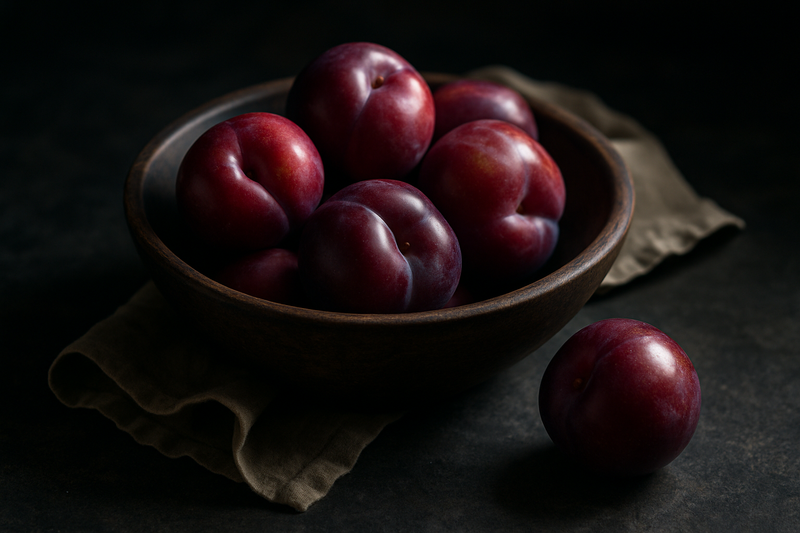
Pluot · Photograph
Discover pluot health benefits and nutrition facts, including how this intensely sweet plum-apricot hybrid supports heart health, digestion, and more. Learn how to eat pluots fresh or grilled, what to watch out for, and how they fit into a whole-food, plant-based diet.
Key Nutrients
% Daily Value based on 2,000 cal diet
Key active compounds
Pluots owe their color and many of their potential benefits to a small arsenal of phytochemicals (biologically active plant compounds). Here's what's inside:
- Anthocyanins — Water-soluble flavonoid pigments that create the red, purple, and near-black skin on many pluot varieties. They act as antioxidants (substances that neutralize unstable molecules called free radicals) and are linked in broader research to vascular (blood vessel) health and reduced oxidative stress.
- Carotenoids (including beta-carotene) — Fat-soluble pigments that the body converts to vitamin A. They support eye health, immune defenses, and act as antioxidants; they're especially visible in golden-fleshed cultivars.
- Phenolic acids (e.g., chlorogenic acid) — Polyphenolic compounds common in stone fruits. Research on plums and apricots suggests they may exert mild anti-inflammatory and cardiovascular-supportive effects, though pluot-specific data is limited.
- Vitamin C — A water-soluble antioxidant that helps build collagen (the structural protein in skin and connective tissue) and supports immune function.
- Dietary fiber — Both soluble fiber (which slows digestion and may help moderate cholesterol and blood sugar) and insoluble fiber (which adds bulk to stool and supports bowel regularity).
Buying guide: how to choose and store pluots
Pluots are a summer fruit — peak season runs roughly late June through September, depending on your region. Here's how to pick the best ones:
- Color and firmness — Choose pluots that have deep, even color for their variety (dark red, purple, or speckled). They should yield slightly to gentle thumb pressure, like a ripe plum. Rock-hard pluots ripen well on the counter at room temperature; mushy pluots are past their prime.
- Skin intact — Avoid fruit with cracks or oozing spots. The skin is where many of the antioxidant pigments live, so you want it whole.
- Fresh vs. frozen — Fresh in-season pluots from a farmers' market or local grower typically have the richest flavor and highest nutrient density. Frozen pluots or plumcots (an earlier hybrid with a more equal plum-apricot split) are a solid off-season substitute.
- Canned or jarred — Rarely available as a single ingredient; most canned stone fruit mixes are packed in syrup, which adds sugar and reduces overall benefit. Read labels carefully and choose water- or juice-packed options.
- Dried — Look for no-added-sugar versions. Check the ingredient list: it should say "pluots" or "plumcots," nothing else.
- Storage — Ripe pluots last 3–5 days in the refrigerator. Unripe ones ripen faster on a countertop out of direct sunlight. Don't store them in a sealed bag — they need a little airflow.
Prep and pairing ideas
Pluots need almost no preparation — just rinse, remove the pit, and eat. But a little creativity goes a long way:
- Grilled pluots with a balsamic glaze and walnuts — Halve and grill cut-side down for 3–4 minutes until caramelized. Drizzle with a splash of balsamic vinegar and top with crushed walnuts. The healthy fats in the walnuts also help your body absorb the fat-soluble carotenoids in the pluot.
- Pluot and arugula salad — Slice fresh pluots over peppery arugula with toasted almonds and a lemon-tahini dressing. The sweetness of the pluot balances bitter greens.
- Pluot smoothie bowl — Blend frozen pluots with a ripe banana and a splash of unsweetened oat milk. Top with hemp seeds and a sprinkle of flaxseed for added omega-3s and protein to blunt any glucose response.
- Simple snack plate — Sliced pluots, a small handful of pistachios, and a few squares of dark chocolate. Satisfying, no cooking required.
- Whole-grain toast with pluot and almond butter — A quick breakfast that pairs carbohydrate, fiber, and protein in a single plate.
Bottom line
Pluots are a legitimately nutritious summer fruit — not a superfood, not a cure-all, but a well-designed whole food that delivers vitamin C, potassium, fiber, and an impressive spread of antioxidant pigments in a small, portable package. Their intense sweetness makes them one of the easiest ways to crowd out less nutritious dessert options, whether you eat them fresh off the counter or char them on a grill.
The evidence supporting their health benefits comes largely from research on the nutrients they contain — fiber, vitamin C, potassium, polyphenols — rather than pluot-specific clinical trials. That's a reasonable scientific position for a relatively new hybrid fruit, and it doesn't diminish the real nutritional value they bring.
One hard rule: enjoy the flesh, discard the pit, and never crack the kernel. Otherwise, pluots are among summer's most rewarding whole-food choices.
Looking for more ways to reach your health goals through whole-plant foods? Browse the Plantopedia goals guide for evidence-aligned eating strategies built around ingredients like pluots.
How Pluot Compares
| Compared with | What's different |
|---|---|
| Pluot vs. Plum | Has smoother skin, higher water content, and a more tart skin profile than pluots. |
| Pluot vs. Apricot | Smaller with fuzzy skin and significantly higher Vitamin A content than plum-hybrids. |
| Pluot vs. Plumcot | An earlier hybrid that is a strictly 50-50 cross, whereas pluots are mostly plum. |
Health Benefits
Things to Know
Never eat or crack the pit. The kernel inside contains amygdalin (a cyanogenic glycoside — a naturally occurring compound that can release small amounts of cyanide when metabolized). The flesh is safe; the pit is not.
Large portions can cause gas, bloating, or loose stools in people with irritable bowel syndrome (IBS) or fructose sensitivity, due to the fruit's natural sugars and fiber content.
Pluots belong to the Rosaceae (rose) family. People with oral allergy syndrome — a condition where raw stone fruit triggers itching or tingling in the mouth — may react to pluots just as they would to plums, peaches, or apricots. Cooking usually eliminates this reaction.
Diabetes or prediabetes: Count pluots as a carbohydrate serving. Pair with protein or fat to slow sugar absorption, and monitor postprandial (after-meal) blood glucose.
Chronic kidney disease: Potassium restriction is common in advanced CKD. Because pluots contribute potassium, discuss portion sizes with your renal dietitian.
Infants and young children: The pit is a choking hazard. Always remove it, and cut fruit into small pieces for young children.
Potassium-raising medications: (ACE inhibitors like lisinopril, angiotensin receptor blockers, potassium-sparing diuretics like spironolactone, some beta-blockers): Pluots add dietary potassium, which is usually fine at normal serving sizes but worth tracking if your doctor monitors serum (blood) potassium levels.
Insulin and glucose-lowering medications: Pluots contribute carbohydrates that affect blood glucose. Dose or timing adjustments should happen under medical supervision.
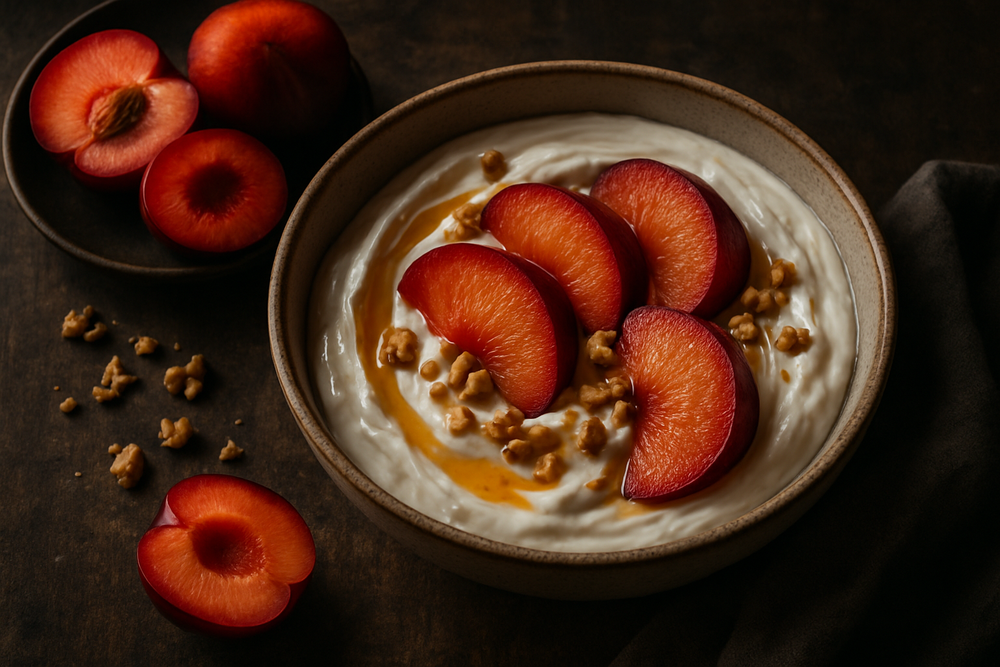
Prep Ideas
- — Grilled pluots with a balsamic glaze and walnuts — Halve and grill cut-side down for 3–4 minutes until caramelized. Drizzle with a splash of balsamic vinegar and top with crushed walnuts. The healthy fats in the walnuts also help your body absorb the fat-soluble carotenoids in the pluot.
- — Pluot and arugula salad — Slice fresh pluots over peppery arugula with toasted almonds and a lemon-tahini dressing. The sweetness of the pluot balances bitter greens.
- — Pluot smoothie bowl — Blend frozen pluots with a ripe banana and a splash of unsweetened oat milk. Top with hemp seeds and a sprinkle of flaxseed for added omega-3s and protein to blunt any glucose response.
- — Simple snack plate — Sliced pluots, a small handful of pistachios, and a few squares of dark chocolate. Satisfying, no cooking required.
- — Whole-grain toast with pluot and almond butter — A quick breakfast that pairs carbohydrate, fiber, and protein in a single plate.
Glossary
Shop This Ingredient
Stock your pantry with quality pluot.
Buy on AmazonAs an Amazon Associate, Plantopedia earns from qualifying purchases. This costs you nothing extra and helps us keep the encyclopedia free.
Frequently Asked Questions
No clinical trials have tested pluots directly, but their nutrient profile connects them to several well-studied areas of health. Here's what the evidence suggests. Heart and circulation Pluots deliver a useful combination of potassium, vitamin C, and fiber — three nutrients that population studies consistently link to lower blood pressure and reduced cardiovascular risk. Potassium (an electrolyte that helps blood vessels relax) is present at roughly 226 mg per two-fruit serving, alongside virtually zero sodium. Higher-potassium, lower-sodium eating patterns are one of the most reproducible dietary tools for blood pressure management. The fiber in pluots, particularly the soluble fraction, can modestly help reduce LDL cholesterol (low-density lipoprotein, often called "bad" cholesterol) when consumed as part of an overall high-fiber diet. Again, this benefit comes from broad fruit and fiber research rather than pluot-specific trials. Digestive health and microbiome Two medium pluots contribute 2–3 g of dietary fiber, or about 7–10% of the recommended daily target for most adults. Both types of fiber matter here: insoluble fiber speeds food through the gut and helps with bowel regularity, while soluble fiber feeds beneficial gut bacteria, the ecosystem of microorganisms in your digestive tract collectively called the gut microbiome. Regular fruit consumption — pluots included — fits the evidence-backed dietary pattern of eating a variety of whole plant foods to support microbiome diversity. Blood sugar and metabolism This is where pluots require a bit of nuance. At about 15–16 g of natural sugar per two-fruit serving, they're not a low-sugar food. However, "natural sugar in whole fruit" and "added sugar in processed food" behave differently in the body. The fiber and water in a whole pluot slow digestion and blunt the blood sugar spike compared with the same amount of sugar in juice or candy. For most healthy people, eating one or two pluots as a snack or dessert is a reasonable way to satisfy a sweet craving without derailing metabolic health. For people with diabetes or prediabetes, pluots can fit into a meal plan — but they count as a carbohydrate portion, and pairing them with a protein or healthy fat (like a small handful of almonds) can further moderate the glycemic response (the speed at which blood sugar rises after eating). Inflammation and recovery Vitamin C and the polyphenols in pluots contribute to the antioxidant capacity of your diet, which broader research links to lower levels of inflammatory markers. Darker-skinned pluot varieties likely have a higher anthocyanin content, which in studies of other purple and red fruits has been associated with reduced oxidative stress (cellular damage caused by free radicals). No pluot-specific anti-inflammatory trials exist, but as one of many antioxidant-rich whole fruits, pluots can contribute to an overall anti-inflammatory dietary pattern.
Fresh and raw is the gold standard for nutrient retention. Eating a pluot skin-on, straight from the bowl, preserves the most vitamin C (which is heat-sensitive) and delivers the complete fiber and polyphenol package. It also requires zero preparation, which matters in the real world. Grilling is the standout cooking method for pluots. High, brief heat caramelizes the natural sugars, concentrates flavor, and softens the flesh to a jammy texture — ideal for a dessert that genuinely satisfies without added sugar. You lose some vitamin C in the heat, but fiber, minerals, and most polyphenols hold up well. Frozen pluots or plumcots retain most nutrients if frozen close to peak ripeness. They work well blended into smoothies or simmered into compotes. Texture changes, but the nutritional trade-off is minor. Dried pluots concentrate sugar and calories into a smaller volume. They're a valid option for trail mix or cooking, but portions should be smaller than fresh — especially for anyone monitoring blood sugar. Juices and jams are where the most is lost. Juicing strips out nearly all the fiber, which is precisely what slows sugar absorption. Preserves and jams typically add significant sugar. If you want the health benefits, keep pluots whole or only minimally processed.
There's no clinical recommendation specifically for pluots. The broader guidance from public health bodies is to aim for 1.5–2 cups of fruit per day (for most adults), and pluots count toward that total. A practical starting range: 1–2 medium pluots per day (about 75–150 g) is a reasonable food-use amount that fits within a varied daily fruit intake. If you're new to stone fruit or have a sensitive gut, start with one pluot and see how your body responds before adding more. Eating pluots as part of a mixed-fruit day — rather than making them your only fruit — helps diversify the types of fiber and phytochemicals you consume. People with diabetes should think of one medium pluot as roughly one carbohydrate exchange (about 15 g of carbs) and plan accordingly. More is not always better. Eating very large amounts of any sweet fruit can contribute excess fructose (fruit sugar) and calories. The goal is variety and balance, not maximizing any single food.
Quick Answers
Common questions, answered in a line.
Pluots are a rich source of vitamin C, fiber, and antioxidant pigments like anthocyanins and carotenoids. These compounds support immune function, heart health, and digestion, while the fruit's intense sweetness provides a natural energy source without the need for added sugars.
Select pluots with deep, even coloring that yield slightly to gentle thumb pressure, similar to a ripe plum. Avoid fruit with cracks or oozing spots, and remember that rock-hard pluots can be left to ripen at room temperature on the counter.
You should never eat or crack the pit of a pluot because the kernel contains amygdalin, which can release cyanide when metabolized. While the flesh of the fruit is safe and nutritious, the pit is also a choking hazard for infants and young children.
Individuals with diabetes should count pluots as a carbohydrate serving and pair them with protein or healthy fats to slow sugar absorption. It is also recommended to monitor post-meal blood glucose levels, as the fruit contributes natural sugars that affect blood glucose.
Pluots provide both soluble fiber, which helps moderate cholesterol, and insoluble fiber, which supports bowel regularity and adds bulk to stool. These fibers work together to slow digestion and maintain overall digestive health.
People with chronic kidney disease (CKD) who are on a potassium restriction should discuss pluot portion sizes with a renal dietitian. Pluots contribute dietary potassium, which may need to be monitored if you are taking medications that raise potassium levels.
Storing pluots in a sealed bag is not recommended because they require airflow to stay fresh. Ripe pluots should be kept in the refrigerator for three to five days, while unripe ones should sit on the counter out of direct sunlight.
For Readers in the USA
Local context — sourcing, seasonality, and regional notes.
Most pluots are grown in California, with the peak season running from late May through September. While California dominates commercial production, you can also find regional harvests in Washington and Oregon during the mid-to-late summer months.
Pluots are widely available at major U.S. grocery chains like Whole Foods, Trader Joe's, and Safeway, as well as local farmers markets during the summer. Look for trademarked varieties like 'Dinosaur Egg' or 'Flavor Grenade,' which are common in American produce departments.
Organic pluots are available in the U.S. and will carry the USDA Organic seal, though they may be harder to find than conventional ones due to the specific grafting and growing requirements. If buying conventional, the FDA recommends thoroughly washing the skin under running water to reduce pesticide residues.
In the U.S., you may see these fruits labeled as "Plumcots" or "Apriums," depending on the specific ratio of plum-to-apricot parentage. While "Pluot" is a registered trademark for a specific 75% plum hybrid, many American retailers use the terms interchangeably to describe these sweet stone fruit crosses.
AI Clinical Review
- Clearly explains what a pluot is (a plum–apricot hybrid) and focuses on whole-fruit eating, which aligns with evidence favoring fruit intake over juices for glycemic control and overall health.
- Nutrition snapshot (modest calories, some fiber, vitamin C, and potassium) is consistent with major food databases and supports heart‑healthy patterns when part of a varied diet.
- Appropriately notes that darker skins likely contain more anthocyanins (pigment antioxidants) and that cooking methods like brief grilling preserve most nutrients except some vitamin C.
- Offers practical buying, storage, and prep tips that help maximize flavor and maintain the fruit’s fiber and phytochemicals.
- There are no pluot-specific clinical trials; most health inferences come from research on plums, apricots, and general fruit/fiber/potassium intake.
- Actual anthocyanin and carotenoid levels can vary by cultivar, growing conditions, and ripeness; comparative data across varieties are limited.
- Proposed effects on cholesterol, inflammation, and the microbiome are plausible but extrapolated; the size of benefit for pluots specifically remains uncertain.
- Glycemic impact can differ by individual, portion size, and ripeness; standardized glycemic index/load values for pluots are not established.
- Portion guidance: 1–2 medium pluots (about 75–150 g) can fit within the general target of 1.5–2 cups of fruit per day. For diabetes, two medium pluots are roughly one carbohydrate choice (~15–17 g carbs); pair with protein or healthy fat if you monitor post‑meal glucose.
- Kidney disease or potassium‑raising medications (e.g., ACE inhibitors, ARBs, spironolactone) warrant attention to total dietary potassium—pluots contribute some, though not extreme, amounts.
- Stone fruits can trigger oral allergy syndrome in pollen‑allergic individuals; cooking usually reduces symptoms. Never crack or eat the pit (cyanogenic compounds), and remove pits for children to prevent choking.
- Form matters: fresh or frozen (skin on) preserves fiber and most phytochemicals; dried versions and juices concentrate sugars and reduce fiber. Individuals with IBS may notice symptoms due to natural sugars/sorbitol—start with small portions and assess tolerance.
Contains a pit; kernels contain cyanogenic compounds and should not be eaten.
References
- USDA FoodData Central — searchable nutrition database for pluots and related stone fruits (fdc.nal.usda.gov)
- USDA MyPlate — Fruits food group guidance and daily recommendations (myplate.gov)
- MyFoodData nutrition facts for pluot/plumcot (tools.myfooddata.com)
- Fruit Guys — Pluot variety and background overview (fruitguys.com)
- Whole Foods Market — Pluot buying and nutrition overview (wholefoodsmarket.com)
- Detailed pluot nutrition data and phytochemical context (resources.oreateai.com)
- Simi Valley USD pluot nutrition fact sheet (resources.finalsite.net)
- DoveMed — Health benefits of pluot overview (dovemed.com)
- SnapCalorie pluot nutrition breakdown (snapcalorie.com)
- Oregon Live — Pluots: the hybrid summer fruit (oregonlive.com)
Know Your Numbers
Eating healthy is a start. Now get to know your biomarkers.
Food changes bloodwork — inflammation, lipids, blood sugar and nutrient status all respond to what you eat. 59 markers from $59.
- Results in 7–10 days at 2,000+ Quest sites
- Licensed provider reviews every result
- One flat price, no membership, HSA/FSA eligible
Educational information only, not medical advice. Panels are ordered and reviewed through our licensed partner; Plantopedia may earn a commission.