Kombucha — health benefits and uses
Fermentation and gut-culture angle; explain live-culture, sodium, and heat-treatment differences
The Short Answer
Kombucha is a fermented tea beverage containing live cultures, organic acids, and B vitamins that may support gut microbial diversity. While often marketed for digestion, it should be consumed in moderation due to its sugar content and natural acidity.
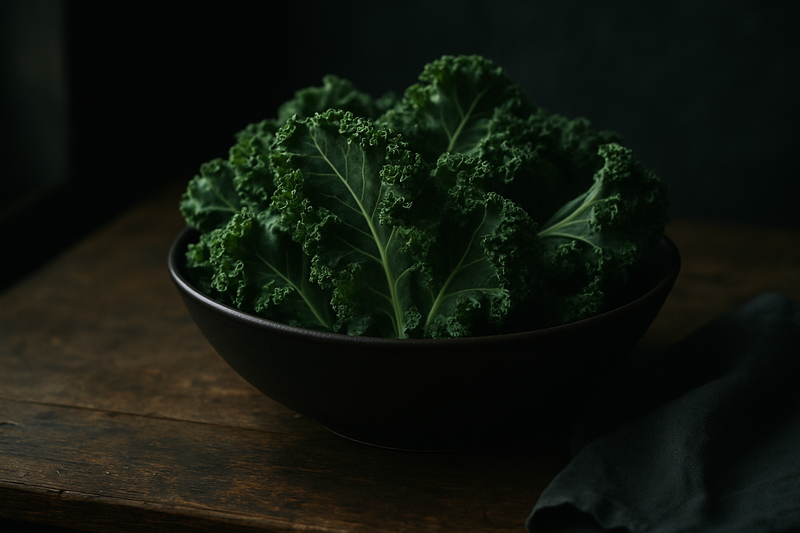
Kombucha · Photograph
Kombucha has exploded in popularity as a gut-friendly fermented beverage, but does it live up to the hype? This tangy, fizzy tea made with a symbiotic culture of bacteria and yeast (SCOBY) offers some potential benefits, but the evidence is more limited than many marketing claims suggest.
Key Nutrients
% Daily Value based on 2,000 cal diet
Key active compounds
Kombucha's potential gut benefits come from several bioactive compounds:
- Lactic acid bacteria - May include species like Lactobacillus that can contribute to gut microbial diversity
- Acetic acid bacteria - Produce organic acids that create an acidic environment potentially hostile to harmful microbes
- Organic acids (acetic, lactic, glucuronic) - May influence gut pH and support beneficial bacteria growth
- Tea polyphenols - Antioxidant compounds from the original tea that can act as prebiotics
- B vitamins - Produced during fermentation in small amounts
- Enzymes - May aid in digestion, though levels vary widely between products
Prep and pairing ideas
Kombucha works best as a standalone beverage rather than a cooking ingredient, but you can enhance its benefits:
Timing: Drink between meals or with light snacks to maximize potential probiotic benefits without overwhelming digestive processes.
Food pairings: Combine with fiber-rich foods like berries, nuts, or whole grains that can act as prebiotics to feed beneficial gut bacteria.
Flavor combinations: Choose fruit-flavored varieties with whole food ingredients rather than artificial flavors to boost polyphenol content.
How to choose a healthy kombucha
Read labels carefully: Look for products with live and active cultures, minimal added sugars, and recognizable ingredients.
Check sugar content: Aim for products with 6g sugar or less per 8 fl oz serving. Some brands offer "low sugar" or "unsweetened" options.
Verify refrigeration: True probiotic kombucha should be kept cold throughout distribution and storage.
Consider alcohol content: If avoiding alcohol completely, choose products specifically labeled as having less than 0.5% ABV.
Brand reputation: Choose established brands with good manufacturing practices and third-party testing when possible.
Organic options: May reduce exposure to pesticides from tea and added fruit ingredients.
Bottom line
Kombucha may offer some gut health benefits through its organic acids, tea compounds, and potential probiotic microbes, but the evidence is more preliminary than many marketing claims suggest. While it can be part of a gut-friendly diet, it's not a magic bullet for digestive health.
Focus on the fundamentals first: a varied, fiber-rich diet with multiple fermented foods, adequate sleep, stress management, and regular physical activity. If you enjoy kombucha and tolerate it well, it can be a flavorful addition to your routine - just choose products wisely and don't exceed recommended amounts.
For those seeking clinically proven probiotic benefits, consider consulting a healthcare provider about evidence-based probiotic supplements with defined strains and colony counts.
How Kombucha Compares
| Compared with | What's different |
|---|---|
| Kombucha vs. Kefir | Kombucha is a fermented tea with carbonation; Kefir is a creamy, fermented milk or water drink. |
| Kombucha vs. Apple Cider Vinegar (ACV) | Kombucha is fizzy and sweet-tart; Apple Cider Vinegar is highly acidic and non-carbonated. |
Health Benefits
Things to Know
Start small: - Begin with 2-4 oz servings to assess tolerance
Check sugar content: - Choose products with less than 6g sugar per serving if managing blood glucose
Alcohol awareness: - Contains 0.5-2% alcohol naturally; may interact with medications or recovery programs
Acidity concerns: - May aggravate GERD, sensitive teeth, or stomach ulcers
Pregnancy and breastfeeding: - Major health organizations recommend avoiding due to alcohol, caffeine, and contamination risks
Immunocompromised individuals: - Unpasteurized versions may pose infection risks
Medication interactions: - May affect blood sugar medications or alcohol-sensitive drugs
Shop This Ingredient
Stock your pantry with quality kombucha.
Buy on AmazonAs an Amazon Associate, Plantopedia earns from qualifying purchases. This costs you nothing extra and helps us keep the encyclopedia free.
Frequently Asked Questions
Heart and circulation Animal studies suggest kombucha may improve cholesterol profiles by lowering LDL and raising HDL cholesterol, plus reducing atherosclerotic lesion development. However, robust human cardiovascular outcome data are lacking. Any heart benefits likely come from tea polyphenols and organic acids rather than proven kombucha-specific effects. Digestive health and microbiome Mayo Clinic notes that limited research suggests kombucha may offer benefits similar to probiotic supplements, including supporting healthy immune function and potentially helping prevent constipation. Reviews describe kombucha as a source of lactic acid and acetic acid bacteria that may contribute to gut microbial diversity, but this is largely inferred from the presence of microbes rather than kombucha-specific randomized controlled trials. Blood sugar and metabolism Recent preliminary research has investigated kombucha's impact on metabolic outcomes, with small pilot studies suggesting potential improvements in fasting blood glucose and HbA1c in people with type 2 diabetes. However, sample sizes were small and study designs preliminary. Any potential benefits must be balanced against sugar content in commercial products. Inflammation and recovery Kombucha contains tea-derived polyphenols and antioxidants that may help limit chronic inflammation, but this is extrapolated from general tea and antioxidant research rather than direct kombucha studies. Human trials linking kombucha intake to inflammatory biomarkers are not yet robust.
Raw/unpasteurized kombucha retains live bacteria and yeasts, often marketed as containing probiotics. However, it may continue fermenting in the bottle and carries higher contamination risks. Pasteurized kombucha is heated to kill microbes for safety and shelf stability. It contains organic acids and tea polyphenols but little to no live cultures, so it doesn't function as a probiotic food. Commercial bottled versions vary widely in quality, sugar content, and microbial content. Look for refrigerated products with "live and active cultures" on the label. Home-brewed kombucha offers control over ingredients and fermentation but carries higher risks of contamination, over-fermentation, or excessive acidity.
Most health experts recommend limiting kombucha to 4-8 fl oz (120-240 mL) per day for healthy adults. This amount is unlikely to cause adverse effects while allowing potential benefits. Start low: Begin with 2-4 oz daily for the first week to assess tolerance, especially if you have sensitive digestion. Monitor responses: Pay attention to digestive symptoms, energy levels, and blood sugar if diabetic. Consider total fermented food intake: If consuming other fermented foods like yogurt, kefir, or sauerkraut, kombucha should be just one part of a varied approach.
Quick Answers
Common questions, answered in a line.
Kombucha is a tangy, fizzy fermented tea made using a symbiotic culture of bacteria and yeast, commonly known as a SCOBY. The fermentation process produces bioactive compounds including lactic acid bacteria, organic acids, B vitamins, and enzymes.
Kombucha contains lactic acid bacteria, acetic acid bacteria, and organic acids like glucuronic acid that may support gut microbial diversity and pH. It also provides tea polyphenols that act as prebiotics to feed beneficial bacteria.
Drinking kombucha between meals or with light snacks is recommended to maximize potential probiotic benefits without overwhelming your digestive processes. You can also pair it with fiber-rich foods like nuts or berries to provide prebiotics for the bacteria.
Look for kombucha labels that specify "live and active cultures," contain 6g of sugar or less per 8 fl oz serving, and require constant refrigeration. Choosing organic options can also help reduce your exposure to pesticides from the tea or fruit ingredients.
Pregnant or breastfeeding individuals are generally advised to avoid kombucha due to risks associated with its natural alcohol content, caffeine, and potential for contamination. The beverage typically contains between 0.5% and 2% alcohol naturally.
It is best to start with small servings of 2–4 oz to assess your personal tolerance to the beverage. People with suppressed immune systems or conditions like GERD and stomach ulcers should use caution due to the acidity and unpasteurized nature of the drink.
Kombucha may interact with medications for blood sugar or drugs that are sensitive to alcohol. Individuals taking these medications or those in alcohol recovery programs should be aware that kombucha naturally contains 0.5% to 2% alcohol.
For Readers in the USA
Local context — sourcing, seasonality, and regional notes.
In the U.S., the TTB regulates kombucha, requiring products with 0.5% alcohol by volume or more to be sold as alcoholic beverages. Most brands found in the juice aisle use specialized filtration or heat-controlled processes to stay below this limit and avoid the "hard kombucha" label.
Major U.S. grocery chains like Whole Foods, Trader Joe's, Kroger, and Publix typically stock refrigerated kombucha in the produce or natural foods sections. You can also find locally-produced batches at regional farmers markets, which often feature seasonal U.S. flavors like Florida citrus or Pacific Northwest berries.
To carry the USDA Organic seal, kombucha must be produced using organic tea and sugar without synthetic pesticides or GMOs. Given that tea leaves are not washed before steeping, many U.S. consumers prioritize the organic label to minimize potential pesticide residue in the fermented brew.
AI Clinical Review
- It accurately frames kombucha as a fermented tea with potential—not guaranteed—gut benefits, and distinguishes fermented foods from clinically defined probiotics (specific strains at effective doses).
- It fairly summarizes key components (organic acids, tea polyphenols, and live microbes in some products) that could influence the gut environment.
- Safety and practicality are well covered: variability in sugar and alcohol content, differences between raw vs. pasteurized products, and basic guidance on choosing reputable brands.
- The suggested intake range (about 4–8 fl oz/day for most healthy adults, starting lower) is reasonable and helps minimize side effects.
- Human trials directly testing kombucha for digestive symptoms, microbiome changes, or constipation relief are limited; most data extrapolate from probiotic or tea research.
- Early studies on blood sugar and lipids show mixed, small-sample findings; we don’t yet know which products, doses, or durations matter most.
- Product-to-product variability (microbial strains, acid profile, residual sugar) means individual responses can differ, making broad claims premature.
- Dose and tolerance: begin with 2–4 fl oz/day and advance to 4–8 fl oz/day as tolerated to limit bloating, reflux, or dental sensitivity from acidity and carbonation.
- Form matters: raw/unpasteurized kombucha may contain live microbes but carries higher contamination and alcohol variability; pasteurized is more stable but not a probiotic food.
- Caution for specific groups: people who are pregnant or breastfeeding, immunocompromised, managing diabetes (due to sugars and possible glycemic effects), with GERD, or in alcohol recovery should talk with a clinician first.
- Label literacy: choose refrigerated products with “live and active cultures,” minimal added sugars (aim ≤6 g per 8 fl oz if watching glucose), and clear alcohol content; home-brewed versions pose greater contamination and over-acidification risks.
Fermented does not always mean probiotic; note sodium and live/active culture differences.
References
- USDA FoodData Central - Kombucha nutrition data (fdc.nal.usda.gov)
- Mayo Clinic - Kombucha tea health benefits and safety (mayoclinic.org)
- Harvard T.H. Chan School of Public Health - The Microbiome (nutritionsource.hsph.harvard.edu)
- Cleveland Clinic - Kombucha benefits and daily limits (health.clevelandclinic.org)
- NIH National Center for Complementary and Integrative Health - Probiotics fact sheet
- Department of Defense Human Performance Resource Center - Kombucha benefits and risks (hprc-online.org)
- Frontiers in Microbiology - Kombucha: A functional beverage review (pmc.ncbi.nlm.nih.gov)
- Journal of Food Science - Kombucha fermentation and bioactive compounds
Know Your Numbers
Eating healthy is a start. Now get to know your biomarkers.
Food changes bloodwork — inflammation, lipids, blood sugar and nutrient status all respond to what you eat. 59 markers from $59.
- Results in 7–10 days at 2,000+ Quest sites
- Licensed provider reviews every result
- One flat price, no membership, HSA/FSA eligible
Educational information only, not medical advice. Panels are ordered and reviewed through our licensed partner; Plantopedia may earn a commission.
Filed Under
Health Goals This Supports
Related Ingredients
Fermented Foods vs. Fiber: What Helps the Gut More?
A head-to-head look at the two most popular gut strategies: what the single randomized trial comparing them found, what the long-term data say, and how to decide which one to work on first.
Signs Your Gut Microbiome May Be Out of Balance
There is no single symptom or test that proves your gut microbiome is "out of balance," a state researchers call dysbiosis, because a healthy microbiome varies between people and there is no agreed definition of "normal" for most adults. Persistent bloating, excess gas, and changes in bowel...