Konjac — health benefits and uses
Used for centuries in Japan and China as a cleansing, satiating food.
The Short Answer
Konjac is a root vegetable used to make shirataki noodles, providing just 10 calories and 2g of fiber per cup. It is highly effective for weight management and cholesterol support due to its glucomannan fiber content.
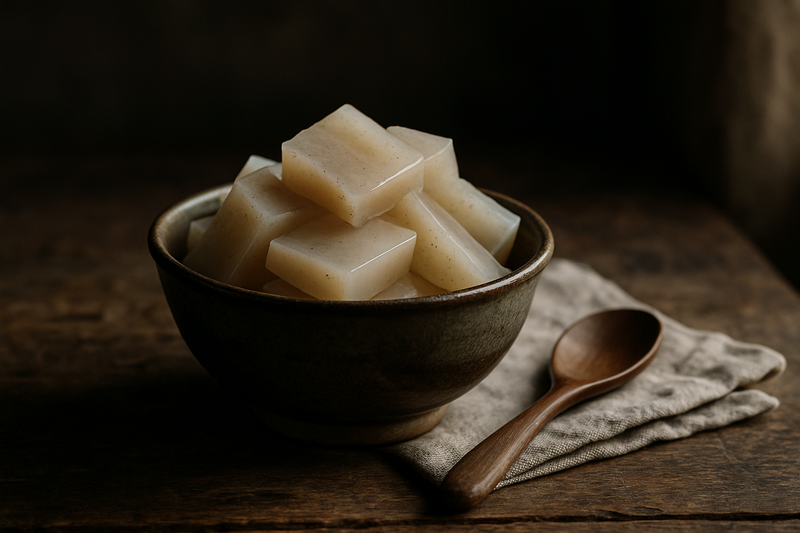
Konjac · Photograph
Discover the science-backed konjac health benefits and side effects — from shirataki noodles and cholesterol support to gut health, blood sugar, and the choking risks you need to know about before buying.
Key Nutrients
% Daily Value based on 2,000 cal diet
Prep and pairing ideas
Rinse, drain, and dry-toast first. Fresh shirataki noodles straight from the package have a strong, slightly fishy smell from the konjac flour. Rinse thoroughly under cold water, then dry-toast in a hot skillet (no oil) for 2–3 minutes. This removes excess moisture and the off-smell, and gives the noodles a firmer, more pasta-like texture.
Pair with bold, sticky sauces. Because konjac noodles have almost no flavor of their own, they work best with intensely seasoned sauces that coat and cling: miso-ginger broth, peanut-sesame dressing, tomato-based marinara, or spicy Korean gochujang sauce.
Three practical pairings and why they work:
- Shirataki + edamame + miso-ginger broth — Edamame supplies the complete protein and B vitamins that konjac noodles lack. Miso adds savory depth and beneficial fermented compounds. Together they form a genuinely nutritious, very low-calorie meal.
- Glucomannan powder stirred into morning oatmeal — Adding 1 g of unflavored glucomannan powder to oats thickens the porridge and extends satiety. The combined fibers (beta-glucan from oats + glucomannan) may have complementary effects on cholesterol.
- Konjac noodles + black bean tomato sauce — Black beans deliver iron, folate, and protein. The acidic tomato sauce cuts through any residual konjac taste. This is one of the easiest whole-food, plant-based weeknight meals using konjac as the pasta base.
Bottom line
Konjac is one of the most researched functional fibers in the human food supply, and the evidence is genuinely encouraging — particularly for modest reductions in LDL cholesterol and fasting blood glucose. Shirataki noodles are a legitimate ultra-low-calorie pasta alternative for anyone reducing carbohydrate or calorie intake, as long as expectations about flavor and texture are realistic.
The most important safety message: konjac must always be fully hydrated before swallowing. Dry tablets and firm jelly products are the formats to be most cautious with. Otherwise, konjac flour foods and glucomannan supplements are well-tolerated by most healthy adults when introduced gradually with adequate water.
Konjac is not a magic bullet. Its benefits are most meaningful when layered onto an already fiber-rich, plant-forward diet — and always in conversation with your healthcare team if you manage a chronic condition.
Looking to explore more fiber-rich whole foods that support similar goals? Browse our gut health and digestion goal page for evidence-based ingredient guides organized by what you're working on.
How Konjac Compares
| Compared with | What's different |
|---|---|
| Konjac vs. Wheat noodles | Lower in calories and carbs, with a rubbery texture compared to softer wheat noodles. |
| Konjac vs. Rice noodles | Contains zero starch and almost no calories, whereas rice noodles are high in carbohydrates. |
| Konjac vs. Zoodles (Zucchini noodles) | Provides glucomannan fiber for satiety rather than the high water content of zucchini. |
Health Benefits
Things to Know
Choking and obstruction risk (serious): Dry konjac products — especially compressed tablets and firm mini-cup jellies — can swell in the throat or esophagus before fully hydrating. Glucomannan tablets have been associated with esophageal obstruction and are banned in some countries. Always take glucomannan powder or capsules with at least 250–300 mL (about 1 full cup) of water. Cut konjac jelly into small pieces and chew thoroughly. Never suck jelly directly from mini-cup packaging.
Children and older adults: Konjac jelly snacks pose a particularly high choking risk for young children and older adults with swallowing difficulties. Avoid firm konjac gel products in these groups or supervise very closely.
GI conditions: People with swallowing disorders (dysphagia), esophageal stricture (narrowing), or known gastrointestinal obstruction or motility problems should avoid concentrated glucomannan products without medical clearance.
Medication timing: Glucomannan's thick gel can slow the absorption of oral medications taken at the same time. As a general rule, take all oral medications at least 1–2 hours before or after any konjac/glucomannan product.
Diabetes medications: Glucomannan modestly lowers fasting blood glucose. If you take insulin, sulfonylureas, or other glucose-lowering drugs, adding glucomannan may increase your risk of hypoglycemia (blood sugar dropping too low). Monitor closely and tell your prescribing clinician.
Lipid-lowering medications: The LDL-lowering effect of glucomannan may add to that of statins or bile acid sequestrants — usually a welcome benefit but worth monitoring with your doctor.
Pregnancy and breastfeeding: Insufficient safety data exists for high-dose glucomannan supplements in pregnancy. Shirataki noodles as a food are generally considered fine in moderation, but consult your midwife or OB before using supplements.
Raw konjac corm: Never eat raw or unprocessed konjac corm. Calcium oxalate crystals cause severe irritation to the mouth, throat, and digestive tract. All commercially sold konjac products have been processed to remove these.
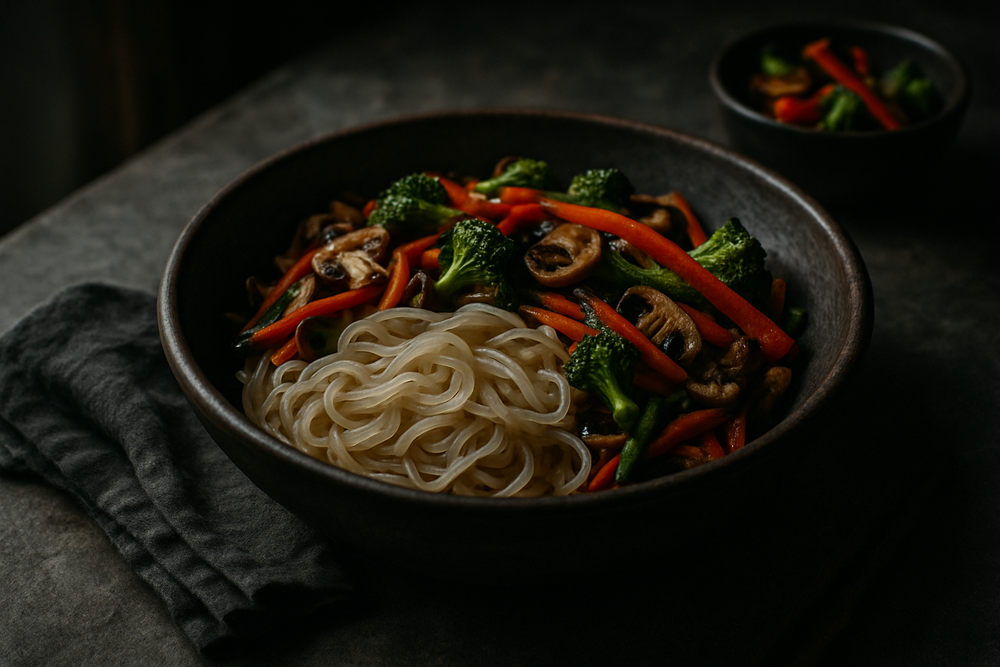
Prep Ideas
- — **Shirataki + edamame + miso-ginger broth** — Edamame supplies the complete protein and B vitamins that konjac noodles lack. Miso adds savory depth and beneficial fermented compounds. Together they form a genuinely nutritious, very low-calorie meal.
- — **Glucomannan powder stirred into morning oatmeal** — Adding 1 g of unflavored glucomannan powder to oats thickens the porridge and extends satiety. The combined fibers (beta-glucan from oats + glucomannan) may have complementary effects on cholesterol.
- — **Konjac noodles + black bean tomato sauce** — Black beans deliver iron, folate, and protein. The acidic tomato sauce cuts through any residual konjac taste. This is one of the easiest whole-food, plant-based weeknight meals using konjac as the pasta base.
Glossary
Shop This Ingredient
Stock your pantry with quality konjac.
Buy on AmazonAs an Amazon Associate, Plantopedia earns from qualifying purchases. This costs you nothing extra and helps us keep the encyclopedia free.
Frequently Asked Questions
Glucomannan is a high-molecular-weight polysaccharide (a large, complex sugar chain) composed mainly of mannose and glucose units linked together. It is extracted from the dried konjac corm and is classified as a fermentable, water-soluble dietary fiber. "Fermentable" means your gut bacteria can partially break it down, producing short-chain fatty acids (SCFAs) — small molecules like butyrate that nourish the gut lining and may help regulate inflammation. "Soluble" means it dissolves in water and forms a gel rather than simply passing through undigested like insoluble fiber (the kind in wheat bran). Key active compounds at a glance: Glucomannan — the dominant polysaccharide; responsible for cholesterol-lowering, blood sugar effects, satiety, and prebiotic activity Calcium oxalate raphides — needle-like crystals present in the raw corm that cause oral and gastrointestinal irritation; removed by traditional processing and commercial refining (never eat raw konjac) Trace minerals — calcium, magnesium, phosphorus, iron, manganese, copper, and chromium present in the corm's inorganic fraction Alkaloids and ceramides — minor compounds identified in konjac corm research; not yet well-characterized for human health effects
Heart health and cholesterol This is where the evidence is strongest. Multiple systematic reviews (studies that pool results from many individual trials) and meta-analyses (statistical combination of those results) have found that glucomannan supplementation significantly reduces: Total cholesterol by roughly 19 mg/dL on average LDL cholesterol (often called "bad" cholesterol — the type that contributes to plaque buildup in arteries) by roughly 16 mg/dL Triglycerides (blood fats) by roughly 11 mg/dL A 2024 GRADE-assessed meta-analysis (a review that also scores the quality of evidence) confirmed these benefits in adults. HDL cholesterol (the "good" kind) and blood pressure were not meaningfully changed. Important caveat: These are improvements in risk markers, not hard outcomes like heart attacks or mortality. Most people in these trials used glucomannan capsules or powder at around 3 g/day before meals — not shirataki noodles alone. Konjac is not a replacement for prescribed heart medications, and major cardiovascular guidelines frame it as one useful soluble fiber among several, not a standalone treatment. Digestive health and microbiome Glucomannan absorbs water in the intestine, bulking up stool and making it softer and easier to pass. Clinical trials using glucomannan as a fiber supplement have reported improved bowel movement frequency in adults with low-fiber diets or functional constipation (constipation without an identifiable medical cause). As a prebiotic fiber, glucomannan is also partially fermented by gut bacteria into SCFAs, which feed the gut lining and may support a more diverse microbiome. Early human studies suggest shifts in gut bacterial composition with glucomannan use, but this research is less mature than the cardiovascular data. Start low and increase gradually — a sudden large dose of any fermentable fiber tends to cause gas, bloating, and loose stools while your microbiome adjusts. Blood sugar and metabolism A systematic review and meta-analysis of randomized trials found that glucomannan supplementation significantly reduced fasting blood glucose (blood sugar measured after an overnight fast) in adults. The reduction is clinically modest but consistent across studies. The mechanism: glucomannan's thick gel slows gastric emptying (how fast food leaves the stomach), which flattens the blood sugar curve after eating by slowing carbohydrate absorption. Effects on postprandial glucose (blood sugar measured after meals) were not statistically significant in the meta-analysis, and HbA1c (a 3-month average of blood sugar control) has been less well studied. This is encouraging but not a basis for stopping or reducing diabetes medications without medical guidance. Inflammation and recovery This is an emerging area. Konjac glucomannan has not been extensively tested in human trials focused on inflammatory biomarkers like CRP (C-reactive protein, a blood marker of inflammation). The most plausible pathway is indirect — improvements in lipid profiles, blood sugar, and gut microbiome diversity may collectively reduce chronic low-grade inflammation. Most supporting data come from cell and animal studies, so anti-inflammatory claims should be held loosely.
Here's how the two compare on the metrics that matter most for people monitoring calories and blood sugar: Shirataki konjac noodles (85 g cooked): 5 calories 2 g total carbohydrate (almost entirely fiber, not digestible) Essentially no protein or fat Regular pasta (85 g cooked): 110 calories 22 g total carbohydrate 2 g protein For calorie and carbohydrate reduction, konjac noodles win decisively. The trade-off is taste and texture — shirataki has a mild, slightly earthy smell when first opened (from the konjac flour) and a chewy, bouncy texture that most people need time to appreciate. The noodles are not nutritionally complete — they contribute essentially no protein, B vitamins, or iron the way whole-grain pasta does. Use them as a vehicle for a nutrient-rich sauce and protein source, not as a complete meal on their own.
The calorie-conscious carb swapper Replacing regular pasta with shirataki 2–3 times per week can meaningfully reduce weekly calorie and carbohydrate intake without requiring portion tracking. Best results come from pairing noodles with a protein source (legumes, tofu, tempeh) and a vegetable-rich sauce so the meal stays filling and balanced. Start with one serving per week to let your gut adjust to the extra fiber before eating it more often. The person managing borderline high cholesterol or blood sugar Glucomannan supplement doses used in trials (about 3 g/day in divided doses before meals) are higher than what most people get from eating noodles alone, so the supplement form may be more relevant here. Always coordinate with a clinician — glucomannan's cholesterol and glucose effects can interact with statin medications and diabetes drugs. Keep expectations realistic: the reductions documented are meaningful but modest, and work best alongside a diet already rich in whole-plant foods and low in saturated fat.
Most human trials that showed cholesterol and blood sugar benefits used approximately 3 g of glucomannan per day, split into doses of about 1 g taken with a large glass of water (250–300 mL) before each main meal. Food vs. supplement amounts: A typical serving of shirataki noodles provides roughly 1–2 g of glucomannan — meaningful but lower than therapeutic trial doses. Glucomannan capsules or powder allow more precise dosing and are what most clinical studies used. Start with a lower amount (0.5–1 g/day) and increase over 1–2 weeks to reduce gas and bloating. Upper limits: Intakes up to 4–5 g/day are generally considered safe for healthy adults, but benefits plateau and side effects (GI discomfort) become more likely above this range. There is no established recommended daily intake for glucomannan in major nutrition guidelines — it is treated as a supplemental fiber, not a required nutrient. Do not take more than the above without guidance from a healthcare provider, especially if you take medications or have a digestive condition.
Quick Answers
Common questions, answered in a line.
To remove the fishy smell and improve the texture of shirataki noodles, rinse them thoroughly under cold water and then dry-toast them in a hot skillet for 2–3 minutes. This process removes excess moisture and results in a firmer, more pasta-like consistency without the off-smell.
You should take glucomannan supplements with at least 250–300 mL (about one full cup) of water to prevent them from swelling in the throat or esophagus. Ensuring the fiber is fully hydrated is critical for avoiding esophageal obstruction or choking.
You should take oral medications at least 1–2 hours before or after consuming konjac or glucomannan products. The thick gel formed by the fiber can slow the absorption of medications, potentially reducing their effectiveness if taken at the same time.
Adding glucomannan to your diet may increase the risk of hypoglycemia if you are already taking insulin or other glucose-lowering drugs. Because glucomannan naturally lowers fasting blood glucose, you should monitor your levels closely and consult your doctor.
Konjac jelly snacks are considered a high choking risk for young children and older adults with swallowing difficulties. These firm gel products should be avoided in these groups or supervised very closely, and should always be cut into small pieces and chewed thoroughly.
Never eat raw or unprocessed konjac corm because it contains calcium oxalate crystals that cause severe irritation to the mouth, throat, and digestive tract. Commercially sold products are safe because they have been processed to remove these crystals.
Shirataki noodles pair best with bold, sticky sauces like miso-ginger broth, peanut-sesame dressing, or spicy Korean gochujang. Because the noodles have no flavor of their own, these intense seasonings are necessary to coat the noodles and provide a savory taste.
For Readers in the USA
Local context — sourcing, seasonality, and regional notes.
You can find konjac products like shirataki noodles at major US retailers like Whole Foods, Trader Joe’s, Kroger, and Costco, as well as local H Mart or 99 Ranch Market locations. While specialty Asian grocers offer the widest variety, most mainstream supermarkets now carry them in the refrigerated produce or health food aisles.
In the US, the FDA has approved glucomannan (konjac) as a recognized dietary fiber for use in food labeling, confirming its role in physiological benefits like improved laxation or blood glucose levels. Always look for the USDA Organic seal if you want to ensure the konjac was grown without synthetic pesticides or fertilizers.
Because konjac is a tropical and subtropical plant, it is not commercially grown in the US; most products are imported from East and Southeast Asia. Since it is processed into shelf-stable noodles or dried flour, it is available to American consumers year-round regardless of regional growing seasons.
The FDA has previously issued warnings and restricted the import of mini-cup konjac jellies due to a high choking risk, particularly for children and seniors. These firm jellies do not melt in the mouth like gelatin, so US consumers are advised to choose noodle or powder forms which are significantly safer.
AI Clinical Review
- Accurately explains that glucomannan is a highly viscous, soluble fiber that modestly lowers total and LDL cholesterol in trials; sets appropriate expectations about biomarker (not hard-outcome) benefits.
- Correctly positions shirataki as very low in calories and digestible carbs, while noting it contributes little protein or micronutrients and is best paired with nutrient-dense add‑ins.
- Describes glucomannan’s prebiotic action and stool‑softening effects, with sensible advice to ramp intake gradually to limit gas and bloating.
- Gives a realistic take on weight management: evidence for weight loss is mixed and effects, if any, are small.
- Emphasizes the key safety point that dry tablets and firm mini‑cup konjac jellies pose choking/obstruction risks, and hydration is essential.
- Glycemic control: fasting glucose reductions are small; evidence for post‑meal glucose and HbA1c is limited and inconsistent.
- Microbiome: early human data suggest shifts in bacteria and short‑chain fatty acids, but clinical relevance and durability are not well established.
- Anti‑inflammatory claims are largely indirect or from animal/cell studies; robust human trials on markers like CRP are sparse.
- Cardiovascular outcomes (events, mortality) have not been tested; most benefits are derived from supplement trials rather than from noodle intake alone.
- Typical study doses are about 3 g/day of glucomannan (often 1 g before each meal) with a full glass of water; a serving of shirataki usually provides only ~1–2 g, so supplements are needed for studied lipid/glucose effects.
- Separate medications by 1–2 hours from glucomannan to avoid reduced absorption; monitor closely if you use glucose‑lowering drugs, statins, or bile‑acid sequestrants.
- Avoid dry tablets and firm mini‑cup jellies, and use extra caution for children, older adults, and anyone with dysphagia, esophageal stricture, or GI motility disorders.
- If you have IBS or are sensitive to fermentable fibers, start low and go slow; during pregnancy or breastfeeding, stick to food forms unless your clinician advises otherwise.
Always fully hydrated and cooked; dry konjac can swell and cause choking or obstruction.
References
- USDA FoodData Central — konjac/shirataki nutrition data (fdc.nal.usda.gov)
- USDA MyPlate grains and fiber guidance (myplate.gov)
- Systematic review and meta-analysis: glucomannan effects on lipids, glucose, weight, and blood pressure (ncbi.nlm.nih.gov)
- GRADE-assessed meta-analysis: glucomannan supplementation and lipid profile in adults (2024) (bmccardiovascdisord.biomedcentral.com)
- Systematic review and meta-analysis: glucomannan and fasting/postprandial blood glucose in adults (pmc.ncbi.nlm.nih.gov)
- Meta-analysis of 8 RCTs: glucomannan for weight loss — no significant effect found (pubmed.ncbi.nlm.nih.gov)
- Early RCT: glucomannan in obese adults — weight and cholesterol improvements (pubmed.ncbi.nlm.nih.gov)
- RCT: glucomannan combined with inulin and psyllium for weight and body composition (pmc.ncbi.nlm.nih.gov)
- Peer-reviewed review: Amorphophallus konjac corm composition, bioactive compounds, and traditional uses (pmc.ncbi.nlm.nih.gov)
- Hong Kong Centre for Food Safety — choking risks associated with konjac jelly (public health guidance) (cfs.gov.hk)
Know Your Numbers
Eating healthy is a start. Now get to know your biomarkers.
Food changes bloodwork — inflammation, lipids, blood sugar and nutrient status all respond to what you eat. 59 markers from $59.
- Results in 7–10 days at 2,000+ Quest sites
- Licensed provider reviews every result
- One flat price, no membership, HSA/FSA eligible
Educational information only, not medical advice. Panels are ordered and reviewed through our licensed partner; Plantopedia may earn a commission.