Loquat — health benefits and uses
Loquat leaf syrup is a traditional Chinese remedy for coughs and sore throats.
The Short Answer
Loquat is a sweet, tangy fruit providing 113 mcg of Provitamin A and 396 mg of potassium per cup. While the flesh is highly nutritious, the seeds and leaves should not be eaten as they contain cyanogenic glycosides.
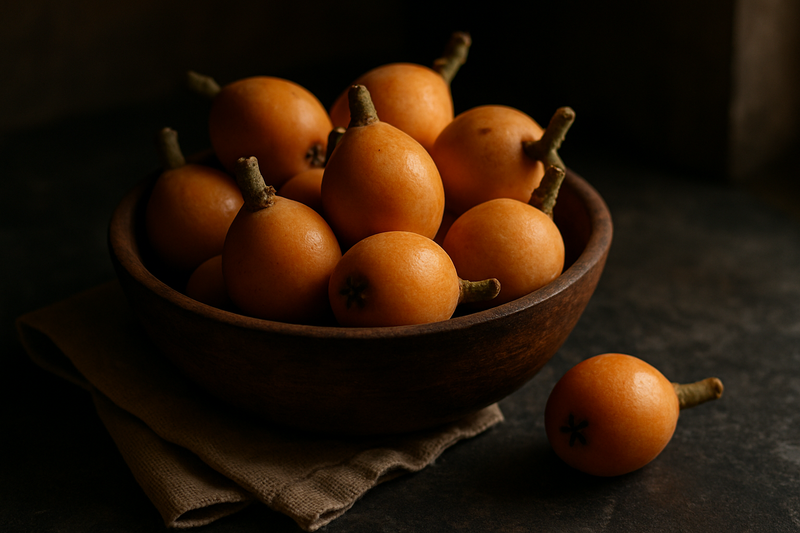
Loquat · Photograph
Discover loquat fruit health benefits, full nutrition facts, and important side effects including the cyanide risk from seeds and leaves. Learn how to peel, prep, and enjoy loquat fresh or simmered into jam as part of a whole-food, plant-based diet.
Key Nutrients
% Daily Value based on 2,000 cal diet
Key active compounds in loquat
- Carotenoids (including beta-carotene): Pigmented compounds that give loquat its orange color. The body converts beta-carotene into vitamin A (a process called provitamin A conversion), and carotenoids act as antioxidants — meaning they help neutralize unstable molecules called free radicals that can damage cells.
- Phenolic acids: Plant-derived compounds with antioxidant and potential anti-inflammatory properties. Loquat contains several, including chlorogenic acid.
- Flavonoids: A large family of plant polyphenols (compounds with multiple phenol rings) found in colorful fruits. In loquat they may contribute to vascular protection and resistance to oxidative stress at the cellular level, though most evidence is from laboratory studies rather than human trials.
- Pectin (a soluble fiber): A gel-forming carbohydrate in plant cell walls. Pectin adds bulk and viscosity to the digestive contents, which can help with bowel regularity and may mildly reduce cholesterol by binding bile acids in the gut.
- Provitamin A: A functional category rather than a single compound — in loquat, it refers mainly to beta-carotene and related carotenoids that the body converts to active vitamin A (retinol) as needed.
Prep and pairing ideas
Loquat needs minimal prep: rinse the fruit, use a paring knife to slip off the thin skin (it peels easily when ripe), cut the fruit in half lengthwise, and pop out the 1–3 large brown seeds. The flesh is ready to eat or cook.
Three practical pairings:
- Loquat + fresh ginger + lemon in a compote. Simmering sliced loquat with a thumb of fresh ginger and a squeeze of lemon creates a fragrant topping for oatmeal or yogurt. Ginger adds anti-nausea polyphenols; lemon boosts vitamin C and brightens the flavor.
- Loquat + arugula + toasted walnuts in a salad. The mild sweetness of loquat balances the peppery bite of arugula, and walnuts add omega-3 fatty acids and crunch. A light balsamic vinaigrette ties it together. This pairing layers provitamin A from loquat with vitamin K from arugula.
- Loquat + chia seeds in overnight pudding. Dicing loquat over chia pudding adds natural sweetness, provitamin A, and potassium. Chia seeds contribute substantial fiber and omega-3s, turning a light fruit into a filling, nutrient-dense breakfast.
Buying guide: how to choose and store loquat
Fresh fruit: Look for plump, fully colored fruit (deep orange-yellow) with smooth skin and no dark bruising. Ripe loquats smell lightly fragrant. Unripe fruit is starchy and astringent — not pleasant. Fresh loquats are highly perishable; store them in the refrigerator and use within 2–3 days.
Canned loquat: Available in Asian grocery stores, usually packed in syrup. Rinse them to reduce sugar, or choose water-packed if available. Canning retains potassium and most carotenoids but reduces vitamin C. Seeds should already be removed by the manufacturer — always check.
Frozen loquat: Less common commercially, but you can freeze fresh peeled, pitted chunks at home. Flash-freezing preserves most nutrients well. Use within 3 months for best flavor.
Jams and preserves: Read the label — sugar content varies widely. A good-quality loquat jam should list loquat as the first ingredient. Avoid products with artificial colorings; loquat's natural orange color should be sufficient.
Supplements (leaf extracts, seed capsules): Avoid. The safety profile is not established, and the cyanogenic glycoside risk makes unregulated products particularly concerning.
Bottom line
Loquat is a mildly sweet, nutrient-dense stone fruit that earns its place in a whole-food, plant-based eating pattern. Its provitamin A carotenoids, potassium, modest fiber, and range of plant polyphenols align with nutrients and food patterns associated with cardiovascular, digestive, and eye health — though direct human clinical evidence specifically on loquat remains limited.
The most important safety point is the one most often overlooked: the seeds and leaves contain cyanogenic compounds and must never be eaten or brewed into tea. Stick to the ripe fruit flesh, peel it if you prefer, and enjoy it fresh or cooked.
For most healthy adults, a cup of fresh loquat is a delicious, low-calorie way to diversify your fruit intake, especially in late winter and spring when other local fruit is scarce.
Explore more: Looking for other fruits and ingredients that support heart health and energy? Browse the Plantopedia Goals guides to find eating patterns that work for your specific health priorities.
How Loquat Compares
| Compared with | What's different |
|---|---|
| Loquat vs. Kumquat | Kumquats have edible skins and a sour bite, while loquats must be peeled and are sweet-tart. |
| Loquat vs. Apricot | Apricots have a fuzzy skin and single pit, whereas loquats have smooth skin and multiple seeds. |
Health Benefits
Things to Know
Seeds contain cyanogenic glycosides (including amygdalin).: When chewed or processed, amygdalin breaks down into hydrogen cyanide — a toxin. Always remove and discard the seeds before eating or cooking. Never grind them into smoothies or powders.
Leaves are also unsafe for teas or extracts: for the same reason. If you grow a loquat tree and are tempted by traditional tea recipes, skip it.
Kidney disease: Loquat is a potassium-containing fruit. People with chronic kidney disease or those on potassium-sparing diuretics (such as spironolactone) should discuss fruit intake with their care team, as impaired kidneys struggle to excrete excess potassium.
ACE inhibitors and ARBs: These common blood pressure medications also raise potassium levels. If you take them, your clinician may already be monitoring dietary potassium — mention any significant increase in potassium-rich foods.
Diabetes and antidiabetic medications: Fresh fruit in moderate portions is generally fine, but account for loquat's ~18 g carbohydrate per cup within your overall carb budget. Avoid high-sugar jams if blood sugar control is a concern.
Rosaceae allergy / oral allergy syndrome: If you react to apples, peaches, apricots, or pears (all rose-family relatives), introduce loquat cautiously. Symptoms of oral allergy syndrome — itching or tingling in the mouth — typically resolve quickly but signal sensitivity.
Pregnancy and breastfeeding: Fresh fruit flesh in normal amounts is considered fine. Avoid all leaf- and seed-based preparations.
Children: Supervise closely. The large seeds are a choking hazard and should be removed completely before serving loquat to young children.
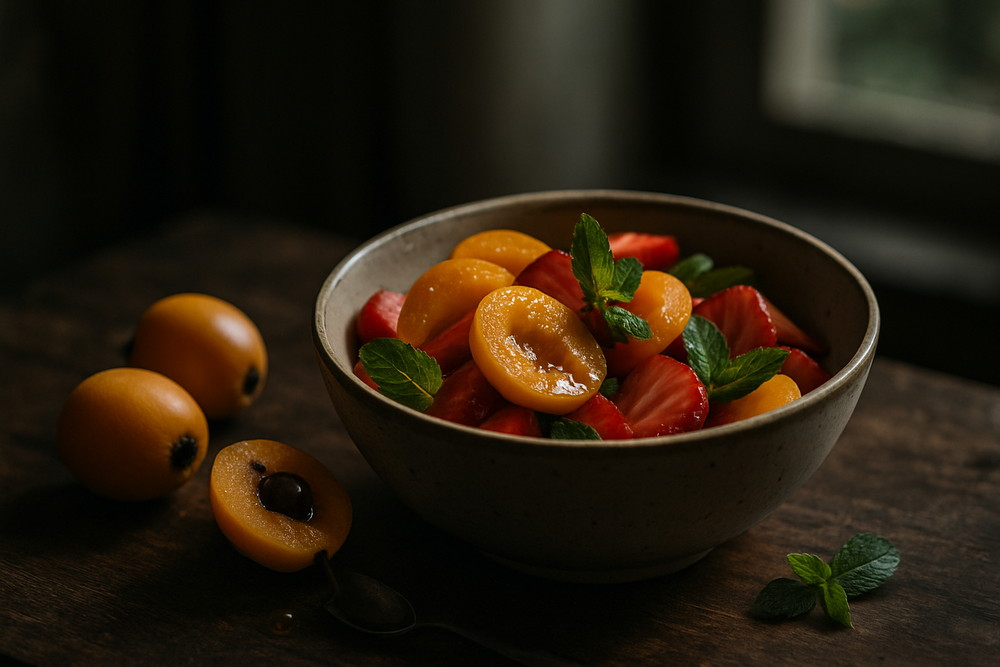
Prep Ideas
- — **Loquat + fresh ginger + lemon in a compote.** Simmering sliced loquat with a thumb of fresh ginger and a squeeze of lemon creates a fragrant topping for oatmeal or yogurt. Ginger adds anti-nausea polyphenols; lemon boosts vitamin C and brightens the flavor.
- — **Loquat + arugula + toasted walnuts in a salad.** The mild sweetness of loquat balances the peppery bite of arugula, and walnuts add omega-3 fatty acids and crunch. A light balsamic vinaigrette ties it together. This pairing layers provitamin A from loquat with vitamin K from arugula.
- — **Loquat + chia seeds in overnight pudding.** Dicing loquat over chia pudding adds natural sweetness, provitamin A, and potassium. Chia seeds contribute substantial fiber and omega-3s, turning a light fruit into a filling, nutrient-dense breakfast.
Glossary
Shop This Ingredient
Stock your pantry with quality loquat.
Buy on AmazonAs an Amazon Associate, Plantopedia earns from qualifying purchases. This costs you nothing extra and helps us keep the encyclopedia free.
Frequently Asked Questions
Heart and circulation Loquat has not been tested in large cardiovascular trials, so no one can say it prevents heart disease. What we can say is that its nutrient profile aligns well with heart-supportive eating patterns. The roughly 396 mg of potassium per cup — with essentially no sodium — fits directly into the dietary pattern recommended for blood pressure support. Potassium helps the kidneys excrete sodium and helps blood vessels relax, both of which tend to lower pressure readings. The fruit's carotenoids, phenolic acids, and flavonoids also show antioxidant activity in laboratory tests. Oxidative stress (cellular damage from free radicals) is one mechanism thought to accelerate artery disease, so eating fruits rich in antioxidants as part of a varied diet is considered broadly beneficial — though whether loquat specifically moves the needle on cardiovascular outcomes hasn't been proven in humans. Digestive health and microbiome Loquat provides around 3 grams of fiber per cup, a combination of insoluble fiber (which adds stool bulk and speeds transit) and pectin (a soluble fiber that forms a gel in the intestine). Together, these can support regular bowel movements and may help feed the beneficial bacteria in the gut — what researchers call the microbiome. No clinical trials have used loquat as a treatment for constipation or irritable bowel syndrome specifically. The digestive benefit is best understood as part of the well-established evidence that higher overall fruit and fiber intake supports gut health, with loquat as one useful contributor. Blood sugar and metabolism Fresh loquat contains about 18 grams of carbohydrates per cup, most of them natural fruit sugars, buffered by 3 grams of fiber. Its glycemic index (a measure of how quickly a food raises blood glucose) has not been formally established for loquat. However, its fiber content slows sugar absorption, and its relatively low calorie density means it can fit into most balanced eating plans. Most research on loquat and blood sugar actually involves leaf extracts or teas, not the edible fruit — and those products carry serious safety concerns (see the seeds and leaves section below). Evidence that the fruit itself directly lowers blood glucose is currently limited and speculative. People managing diabetes or prediabetes should factor loquat's carbohydrate content into their overall carb goals and check with a dietitian or clinician if unsure. Inflammation and recovery Loquat's carotenoids, phenolic acids, and flavonoids all show anti-inflammatory activity in cell and animal studies. Diets rich in colorful fruits are consistently associated with lower levels of inflammatory markers like C-reactive protein (CRP) in large observational studies — but this benefit is attributed to overall fruit variety, not to any single fruit. No human clinical trials have specifically tested loquat against inflammatory biomarkers. The takeaway is that including loquat among a wide range of plant foods is a reasonable part of a diet aimed at reducing chronic low-grade inflammation; it should not be considered a targeted anti-inflammatory treatment. Loquat vitamin A, antioxidants, and eye health Each cup of loquat provides about 113 mcg RAE of provitamin A — roughly 13% of the daily recommended intake for most adults. Vitamin A is essential for night vision (the ability to see in low light), for maintaining the surface tissues of the eye, and for supporting immune defense. The carotenoids responsible for this also act as antioxidants that may help protect the macula (the central, high-definition part of the retina) from oxidative damage. Again, these benefits are inferred from loquat's nutrient content and broader vitamin A research rather than trials using loquat specifically. Loquat is a helpful source, but not the richest — sweet potatoes, carrots, and leafy greens provide far more provitamin A per serving.
Both are excellent options, and the best choice depends on the season and what you enjoy. Fresh: Ripe loquat needs nothing more than peeling and seeding. The flesh has a soft, juicy texture that works beautifully eaten out of hand or sliced into fruit salads. Fresh fruit preserves the most vitamin C (a heat-sensitive vitamin) and retains the full polyphenol content. Look for fruit that yields slightly to gentle pressure and smells faintly fragrant. Cooked (jam, compote, syrup): Simmering peeled, pitted loquat with a small amount of sugar and lemon juice produces a golden jam with a mild apricot-peach flavor. Cooking reduces some vitamin C but retains most minerals (potassium, magnesium, manganese) and carotenoids are relatively heat-stable, so provitamin A largely survives. Watch added sugar levels if you are managing blood glucose or calorie intake. Juice or smoothies: Blending the flesh (seeds fully removed) into a smoothie is a quick way to enjoy loquat. Because the fiber stays intact, a blended smoothie is nutritionally better than a strained juice, which removes most of the fiber. Leaf teas and seed extracts — avoid: Traditional preparations sometimes use loquat leaves or crushed seeds for coughs or metabolic health. Regulatory agencies in Japan and consumer safety organizations have formally warned against these practices due to measurable cyanide levels. Stick to the fruit flesh only.
There is no officially established medicinal dose for loquat fruit because it is a food, not a pharmaceutical. General fruit intake guidelines — such as those from the USDA MyPlate program — recommend filling half your plate with fruits and vegetables daily, which for most adults works out to roughly 1.5–2 cups of fruit per day across all fruit types combined. For loquat, 1 cup (about 3–6 whole fruits) per day as part of your overall fruit intake is a practical and nutritionally sensible amount. This delivers meaningful potassium, provitamin A, and fiber without excessive sugar or calories. If you are new to loquat, start with a smaller portion — a few pieces — to check for any oral allergy symptoms or digestive sensitivity, then build up gradually. People with kidney disease, diabetes, or who take medications affecting potassium should set a specific portion with their healthcare provider rather than following a general guideline.
Quick Answers
Common questions, answered in a line.
You can tell a loquat is ripe when it is plump, deep orange-yellow, and smells lightly fragrant. Avoid fruit with dark bruising or green skin, as unripe loquats are unpleasantly starchy and astringent.
To prepare a loquat, rinse the fruit, peel off the thin skin with a paring knife, and cut it in half to remove the 1–3 large brown seeds. The flesh can then be eaten fresh or used in cooking.
No, you should never eat loquat seeds because they contain cyanogenic glycosides that release toxic hydrogen cyanide when chewed. Always discard the seeds and avoid grinding them into smoothies or powders.
Loquat leaves are not safe for making tea because they contain cyanogenic compounds that can release toxins. It is recommended to stick to eating only the ripe fruit flesh and avoid leaf extracts or home-brewed teas.
Fresh loquats are highly perishable and should be stored in the refrigerator. For the best flavor and quality, you should use the fruit within 2 to 3 days of purchase.
People with chronic kidney disease or those taking potassium-sparing diuretics should be cautious because loquats contain potassium. Impaired kidneys may struggle to excrete this mineral, so it is best to consult a healthcare provider.
If you have an allergy to other fruits in the Rosaceae (rose) family, such as apples, peaches, or pears, you should introduce loquat cautiously. It may trigger oral allergy syndrome, causing itching or tingling in the mouth.
For Readers in the USA
Local context — sourcing, seasonality, and regional notes.
In the United States, loquats are primarily grown in USDA hardiness zones 8 through 11, including states like California, Florida, Texas, and Georgia. Because the trees bloom in winter, they are most successful in regions where deep freezes do not kill the developing fruit.
The US loquat season is relatively short, typically running from late March through June depending on the local climate. In warmer parts of Florida and Southern California, you may see the fruit appear as early as February, making it one of the first fresh stone fruits available in spring.
Fresh loquats are rarely found in standard supermarkets like Kroger or Publix; they are most commonly sold at California and Florida farmers markets or specialized Asian and Latin American grocery stores. Their delicate skin and short shelf life make them difficult to ship long distances for national retail.
The USDA does not have specific grading standards for loquats, but you should look for the USDA Organic seal if you want to ensure the fruit was grown without synthetic pesticides. For processed items like loquat jam, check the FDA-required nutrition label for added sugars, which can be high in commercial preserves.
AI Clinical Review
- Emphasizes the key safety issue: loquat seeds and leaves contain cyanogenic glycosides and shouldn’t be eaten or brewed; the edible flesh is the safe part.
- Frames health benefits appropriately as nutrient‑based (potassium, fiber, provitamin A, polyphenols) rather than proven disease outcomes, which matches current human research.
- Provides a reasonable nutrition snapshot per 1‑cup serving and practical ways to eat loquat (fresh vs cooked) with attention to added sugars.
- Offers portion context consistent with general fruit guidance (about 1 cup within a daily 1.5–2 cups of total fruit).
- Human clinical trials using loquat fruit for blood pressure, cardiovascular risk, glycemic control, or inflammation outcomes are limited; most data are extrapolated from broader fruit/phytonutrient research.
- The glycemic index for loquat isn’t well established; responses may vary by ripeness, portion size, and meal composition.
- Many “metabolic” findings in the literature involve leaf or seed extracts—these are not equivalent to eating the fruit and raise safety concerns.
- Vitamin A equivalency from carotenoids (RAE) can vary with genetics and dietary fat, so percent Daily Value estimates are approximations.
- Safety first: discard seeds and avoid any leaf/seed teas or supplements due to cyanide risk; consume the ripe fruit flesh only.
- Potassium content is meaningful; people with chronic kidney disease or on ACE inhibitors, ARBs, or potassium‑sparing diuretics should confirm appropriate portions with a clinician.
- For diabetes management, count roughly 18 g carbohydrate per cup of fresh loquat; jams/syrups add free sugars and may spike glucose more.
- Rosaceae family sensitivities (oral allergy syndrome) can occur; introduce in small amounts if you react to apples, peaches, or apricots, and remove seeds to prevent choking in young children.
Seeds and leaves contain cyanogenic compounds and must not be eaten.
References
- USDA FoodData Central — loquat raw nutrient data (fdc.nal.usda.gov)
- MyPlate fruit intake guidance — USDA daily fruit recommendations for adults (myplate.gov)
- Japan Ministry of Agriculture, Forestry and Fisheries — amygdalin and cyanogenic glycosides in loquat seeds (food safety analysis) (maff.go.jp)
- Japan Consumer Affairs Agency / Kokusen safety advisory — cyanide compounds in health teas using loquat kernels and leaves (kokusen.go.jp)
- Healthline — 7 surprising benefits of loquats, consumer review of nutrients and potential benefits per cup (healthline.com)
- WebMD — health benefits of loquat, overview of nutrients and general health effects (webmd.com)
- PMC / Nutrients — Nutritional Composition and Effect of Loquat Fruit (Eriobotrya japonica), scientific review of juice composition and emerging health effects, 2024 (pmc.ncbi.nlm.nih.gov)
- Nutrition-and-you.com — loquat fruit nutrition facts and health benefits, macro and micronutrient profile per 100 g (nutrition-and-you.com)
- FoodStruct — loquat calories, glycemic index and nutrition facts per 100 g (foodstruct.com)
- Growables.org — loquat basic report, USDA-derived nutrient data (growables.org)
Know Your Numbers
Eating healthy is a start. Now get to know your biomarkers.
Food changes bloodwork — inflammation, lipids, blood sugar and nutrient status all respond to what you eat. 59 markers from $59.
- Results in 7–10 days at 2,000+ Quest sites
- Licensed provider reviews every result
- One flat price, no membership, HSA/FSA eligible
Educational information only, not medical advice. Panels are ordered and reviewed through our licensed partner; Plantopedia may earn a commission.