Ground Cherry — health benefits and uses
A heirloom garden fruit eaten fresh once fully ripe and fallen.
The Short Answer
Ground cherries are edible, sweet-tart berries related to tomatillos that provide 4.9g of fiber and 11mg of vitamin C per serving. They must be eaten fully ripe (yellow-orange) as the unripe green fruit and husks contain solanine, which can be toxic.
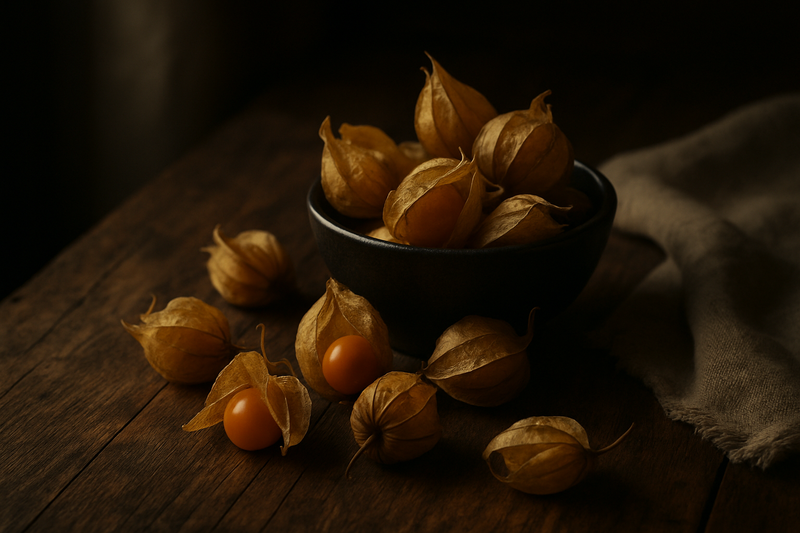
Ground Cherry · Photograph
Discover the ground cherry health benefits and safety facts you need before eating this husk-wrapped garden berry. Learn about its vitamin C, fiber, antioxidants, and why you should only eat ripe fruit.
Key Nutrients
% Daily Value based on 2,000 cal diet
Key active compounds in ground cherries
- Carotenoids — beta-carotene, lutein, and zeaxanthin are pigmented antioxidant compounds in plants. Beta-carotene converts to vitamin A in the body and supports vision, immune function, and skin health. Lutein and zeaxanthin are concentrated in the retina (the light-sensing layer at the back of the eye) and may help protect against age-related eye damage.
- Polyphenols — a broad class of plant compounds with antioxidant activity. Ground cherries contain flavonoids including quercetin and kaempferol, which research links to reduced oxidative stress (cellular damage from unstable molecules called free radicals) and better cardiovascular health in fruit-and-vegetable-rich diets.
- Phytosterols — plant compounds structurally similar to cholesterol. When eaten regularly, phytosterols can modestly reduce the amount of cholesterol absorbed in the intestine.
- Physalins and withanolides — bioactive steroidal lactones (a class of naturally occurring chemical structures) found in Physalis plants. They are more concentrated in leaves and roots than in the ripe fruit, but they are present in the fruit to some degree. Preclinical (lab and animal) studies show anti-inflammatory and immune-modulating effects; human data are limited.
- Vitamin C — a water-soluble antioxidant that supports the immune system, collagen formation, wound healing, and iron absorption.
Prep and pairing ideas
Ground cherries are easy to prepare: peel the papery husk, rinse the berry, and eat. A few ideas that work especially well:
1. Fresh salsa with ground cherries and tomatillo The sweet-tart flavor of ground cherries balances the sharper, more herbaceous bite of tomatillos. Dice both with red onion, jalapeño, lime juice, and cilantro for a salsa that pairs beautifully with grilled fish or black bean tacos. The combination also delivers complementary polyphenols from two related nightshade fruits.
2. Ground cherry and ginger pie This is their most classic use in American farmhouse cooking. The slight acidity of the berry plays off warm spices — ginger especially — without needing as much added sugar as many fruit pies. Using a whole-grain crust adds fiber to the meal.
3. Grain bowl topping with ground cherries and arugula Halved raw ground cherries add pops of sweetness to a savory grain bowl. Combine with farro or quinoa, arugula, toasted walnuts, and a lemon-tahini dressing. The vitamin C in the ground cherries may enhance absorption of non-heme iron (the form of iron from plants) from the greens and grains — a practical nutrition pairing.
Bottom line
Ground cherries are a genuinely nutritious whole fruit — rich in fiber, vitamin C, provitamin A carotenoids, and B vitamins, with an interesting roster of plant compounds that are attracting scientific attention. The evidence base for specific health benefits from eating the fruit directly is still developing, but ground cherries fit naturally into the kind of diverse, plant-forward eating pattern that large bodies of research consistently link to better long-term health outcomes.
The most important safety rule is simple: eat only fully ripe, golden fruit with the husk removed. Unripe berries and all non-fruit parts of the plant are not safe to eat.
If you are looking to build more variety into your fruit intake, ground cherries are an excellent and underrated option — sweet enough to enjoy fresh, versatile enough for baking, and easy enough to grow that they have become a summer garden favorite across North America.
Explore more whole-food ingredients by health goal at /goals — find ingredient guides organized around what you want to support.
Myths vs. facts
Myth 1: "Ground cherries are just tiny tomatillos." Fact: Ground cherries and tomatillos are both in the Physalis genus, but they are different species with distinct flavors. Tomatillos are tart and used primarily in savory cooking; ground cherries are sweet-tart with fruity, tropical notes and are more often eaten fresh or used in desserts.
Myth 2: "If it's wrapped in a husk, it's safe to eat." Fact: The husk itself is not edible, and a berry inside the husk is only safe to eat when it is fully ripe (golden to orange). A green berry inside an intact husk is still unripe and potentially toxic.
Myth 3: "Ground cherry supplements offer the same benefits as the fresh fruit." Fact: Concentrated Physalis extracts are not equivalent to eating ripe whole fruit. Supplements deliver much higher and less predictable doses of bioactive compounds, often lack robust human safety data, and may interact with medications in ways that normal food portions do not.
How Ground Cherry Compares
| Compared with | What's different |
|---|---|
| Ground Cherry vs. Tomatillo | Green, tart, and used as a vegetable, whereas ground cherries are orange, sweet, and fruit-like. |
| Ground Cherry vs. Goldenberry (Cape Gooseberry) | Tarter and more acidic with higher vitamin C, though both grow inside papery husks. |
| Ground Cherry vs. Sweet Cherry | Sweeter with a stone pit, while ground cherries have a tomato-like seedy interior and husks. |
Health Benefits
Things to Know
Only eat ripe fruit.: Unripe ground cherries and all other plant parts — leaves, stems, roots — contain glycoalkaloids and other compounds that can cause gastrointestinal upset or more serious toxicity. Always wait until the berry is golden-orange and the husk is dry and papery.
Nightshade sensitivity.: If you have known reactions to tomatoes, potatoes, eggplant, or peppers, introduce ground cherries cautiously. Oral allergy syndrome (itching or tingling in the mouth) is possible.
Kidney disease or potassium-restricted diets.: Ground cherries provide 300 mg of potassium per 100 g. This is not unusual for a fruit, but people with chronic kidney disease who are managing potassium intake should account for it.
Diabetes or prediabetes.: Whole ground cherries are a reasonable fruit choice, but dried fruit and sweet cooked preparations add concentrated sugars. Stick to whole fruit and count the carbohydrates.
Pregnancy and breastfeeding.: Moderate amounts of ripe fruit as food are generally considered safe within normal dietary patterns. High-dose Physalis extracts or supplements lack robust safety data in pregnancy — avoid these.
Children.: Ripe fruit is safe for children in age-appropriate amounts, but children are more vulnerable to accidental ingestion of unripe berries or plant parts. Keep garden plants and unripe fruit out of reach and educate kids on the "husk and golden color" rule.
Medication interactions.: Food-amount intake is unlikely to cause clinically significant drug interactions for most people. If you use concentrated Physalis supplements and take antidiabetic or immunosuppressant medications, consult your doctor — preclinical data suggest possible additive effects.
Shop This Ingredient
Stock your pantry with quality ground cherry.
Buy on AmazonAs an Amazon Associate, Plantopedia earns from qualifying purchases. This costs you nothing extra and helps us keep the encyclopedia free.
Frequently Asked Questions
Human clinical trials looking specifically at ground cherry fruit are limited. Most of what we know is inferred from the fruit's nutrient profile and from broader research on dietary fiber, carotenoids, vitamin C, and flavonoids — plus a growing body of preclinical work on Physalis species. Here is what is reasonably supported: Heart and circulation Ground cherries provide fiber, potassium, and antioxidant polyphenols — three nutrient categories with well-established links to cardiovascular health in large population studies. Dietary fiber can help lower LDL cholesterol (often called "bad" cholesterol) by binding bile acids in the gut and reducing their reabsorption. Potassium supports normal blood pressure regulation. Antioxidant polyphenols may help protect artery walls from oxidative damage. Some small studies on Physalis species suggest improvements in blood lipid (fat) profiles, but these used extracts rather than whole fruit and are not definitive. The cardiovascular case for ground cherries rests primarily on their broader nutrient profile, not on direct clinical evidence. Digestive health and microbiome With nearly 5 g of fiber per 100 g serving, ground cherries are meaningfully fiber-rich for a small fruit. Dietary fiber adds bulk to stool, supports regular bowel movements, and serves as a food source for beneficial gut bacteria — a community of microorganisms collectively called the gut microbiome. There are no ground-cherry–specific gut health trials, but the evidence for fruit fiber supporting digestive health and microbiome diversity in humans is extensive and well established. Blood sugar and metabolism Eating whole fruit — rather than juice or refined sweets — is consistently associated with better blood sugar control in large dietary studies. Fiber slows the digestion and absorption of carbohydrates, which helps moderate the rise in blood sugar after a meal (a concept called glycemic response). Preclinical studies on Physalis extracts have shown inhibition of carbohydrate-digesting enzymes and improved insulin sensitivity in animals, but these findings involve concentrated extracts, not whole fruit portions. For people managing blood sugar, ground cherries are a reasonable whole-fruit choice, but should be counted within an overall carbohydrate budget and not treated as a blood-sugar treatment. Inflammation and recovery The carotenoids, vitamin C, and polyphenols in ground cherries all have antioxidant activity, meaning they can help neutralize free radicals that drive oxidative stress — a process linked to chronic inflammation. Lab and animal studies on physalins and withanolides show direct anti-inflammatory effects, but translating these findings to eating ripe fruit as food requires caution: the amounts of these compounds in cooked or fresh fruit are far lower than the concentrations used in experiments. As part of a varied diet rich in fruits and vegetables, ground cherries can contribute to overall antioxidant intake, which research links to lower markers of inflammation over time.
Buying guide: fresh, dried, cooked, or supplement? Fresh ripe fruit is the gold standard nutritionally and culinarily. Look for berries with a fully intact, dry, papery husk — when you pull the husk back, the berry underneath should be golden to deep orange, not green. A greenish berry is unripe. Fresh ground cherries retain the most vitamin C, fiber, and phytochemicals. Refrigerate unwashed in their husks for up to three weeks. Cooked (pies, jams, chutneys, sauces) is the most traditional use in baking. Heat does reduce vitamin C content (it is heat-sensitive), but carotenoids and many polyphenols remain relatively stable through cooking. Watch added sugars in sweet preparations if you are managing blood sugar or body weight. Dried concentrates fiber, minerals, and calories by weight. A good portable snack, but portion-control matters — it is easy to eat a lot quickly, which means a bigger carbohydrate and calorie load than you might expect. Juice or puree removes most of the fiber (especially juicing), which raises the glycemic impact. Purees retain more fiber than clear juice. Neither form carries the same satiety or blood-sugar advantages as whole fruit. Herbal extracts and supplements labeled as Physalis or ground cherry are a very different category from eating the fruit. Doses vary widely, evidence in humans is limited, and long-term safety data for concentrated forms are not established. If you are considering a Physalis supplement, talk to a healthcare provider first.
There is no established therapeutic dose for ground cherry fruit because it is a food, not a supplement. Major health bodies including the USDA and WHO recommend that adults aim for around 1.5 to 2 cups of fruit daily from a variety of sources, and ground cherries can comfortably contribute to that goal. A practical starting range is ½ to 1 cup (approximately 75–150 g) of fresh ripe ground cherries a few times per week. This provides a meaningful contribution of fiber, vitamin C, and carotenoids without displacing other fruits that offer different nutritional profiles. If you are new to ground cherries or have a sensitive digestive system, start with a smaller amount (a handful) and increase gradually. High-fiber fruits can cause gas or bloating if your gut is not accustomed to them. Dried ground cherries are calorie- and sugar-dense — a tablespoon or two is a reasonable portion in a snack or trail mix rather than a large handful.
Quick Answers
Common questions, answered in a line.
To eat a ground cherry, simply peel away the papery outer husk, rinse the golden berry, and eat it whole. The fruit can be eaten raw, diced into fresh salsas, or baked into traditional desserts like ginger pie.
You can tell a ground cherry is ripe when the berry inside the husk is a fully golden-orange color and the husk itself is dry and papery. It is essential to avoid green, unripe berries as they contain potentially toxic compounds.
Ground cherries are rich in vitamin C, fiber, and antioxidant compounds like carotenoids and polyphenols. They also contain phytosterols, which may help modestly reduce cholesterol absorption, and unique bioactive compounds called physalins.
Unripe ground cherries and all non-fruit parts of the plant, including the leaves, stems, and roots, are not safe to eat. These parts contain glycoalkaloids that can cause gastrointestinal upset or more serious toxicity if ingested.
While ground cherries and tomatillos both belong to the Physalis genus, they are different species with distinct flavors. Tomatillos are tart and savory, whereas ground cherries are sweet-tart with fruity, tropical notes often used in desserts.
Ground cherries may support eye health because they contain carotenoids like lutein and zeaxanthin, which concentrate in the retina. These antioxidants help protect the eyes against age-related damage and support overall vision.
Ground cherries provide approximately 300 mg of potassium per 100 g serving. While this is a healthy amount for most people, those with chronic kidney disease on potassium-restricted diets should account for this intake.
For Readers in the USA
Local context — sourcing, seasonality, and regional notes.
Ground cherries grow well in USDA Hardiness Zones 4 through 8, typically harvested from mid-summer until the first frost in autumn. In the U.S., they are often treated as warm-season annuals, thriving in the same conditions as tomatoes and peppers.
While rare in major supermarkets like Walmart or Kroger, you can frequently find ground cherries at local farmers markets or specialty retailers like Whole Foods during late summer. They are often sold in small pints, similar to cherry tomatoes or raspberries, with their husks still attached.
The USDA organic seal on ground cherries ensures the fruit was grown without synthetic pesticides or fertilizers, which is a common choice for these specialty garden crops. Because they are often sold at farm stands, you can also look for "Certified Naturally Grown" labels as an alternative to the USDA organic program.
In the U.S., ground cherries are sometimes called husk tomatoes, strawberry tomatoes, or cape gooseberries, though "ground cherry" is the most common name in the Midwest and Northeast. The name "ground cherry" refers to the fruit's habit of falling to the ground once it has reached peak ripeness.
AI Clinical Review
- Solid overview of nutrition: ground cherries offer fiber, vitamin C, provitamin A carotenoids, B vitamins, and potassium at ~50–60 calories per 100 g—consistent with food database estimates.
- Clear, practical safety message: only eat fully ripe, husked fruit; unripe berries and foliage can contain glycoalkaloids (naturally occurring plant toxins).
- Balanced framing of benefits: positions ground cherries as a wholesome fruit within a plant-forward pattern rather than a cure-all.
- Useful guidance on forms: explains why fresh fruit retains fiber and vitamin C, while dried raises sugar/calorie density and juices/purees have higher glycemic impact.
- Human trials on the whole fruit are scarce; much of the enthusiasm comes from general fruit-and-vegetable data or Physalis extracts, which may not reflect everyday portions.
- Bioactives like physalins/withanolides are better studied in leaves/roots and at high experimental doses; the amounts and bioavailability in ripe fruit (especially after cooking) are unclear.
- Early signals for lipid, glucose, or anti-inflammatory effects come mostly from lab/animal work; clinical relevance, dose, and duration in people remain uncertain.
- Nutrient values can vary by species/cultivar (e.g., P. peruviana vs. P. pruinosa), ripeness, and storage—so numbers are best viewed as ranges, not absolutes.
- Practical intake: 1/2–1 cup (about 75–150 g) fresh ripe fruit a few times per week fits general fruit goals; increase gradually if you’re fiber-sensitive.
- Safety first: avoid green/unripe berries and all non-fruit plant parts; remove the husk and rinse before eating. Keep unripe fruit and plants away from children and pets.
- Who should be cautious: those with nightshade allergies or oral-allergy symptoms; people with chronic kidney disease or on potassium-restricted diets; individuals with diabetes—favor whole fresh fruit over dried or sugary preparations and count the carbs.
- Supplements are different: concentrated Physalis extracts aren’t equivalent to food. If pregnant/breastfeeding or using immunosuppressants or antidiabetic medications, check with your clinician before considering extracts.
Eat only ripe fruit; unripe berries and foliage are toxic.
References
- USDA FoodData Central — nutrient data for cape gooseberries (Physalis peruviana), raw (fdc.nal.usda.gov)
- USDA MyPlate — fruit group guidance and recommended daily fruit intake for adults and children (myplate.gov)
- NIH Office of Dietary Supplements — Vitamin C fact sheet for consumers: immune function, antioxidant role, and food sources (ods.od.nih.gov)
- NIH Office of Dietary Supplements — Vitamin A and carotenoids fact sheet: provitamin A, vision, immunity, and food sources (ods.od.nih.gov)
- Fischer, G. et al. (2011) — Review of Physalis peruviana nutritional composition, bioactive compounds, and traditional uses; published in Fruits journal (doi.org)
- Rockenbach, I.I. et al. — Analysis of polyphenols and antioxidant capacity in Physalis peruviana fruit; Food Science journal (doi.org)
- Puente, L.A. et al. (2011) — Physalis peruviana: a review of its bioactive compounds, nutritional properties, and traditional uses (doi.org)
- WHO — Global dietary guidelines: fruit and vegetable consumption for chronic disease prevention (who.int)
- NHS — Nightshade plants and safe consumption guidance; general information on plant toxicity in the Solanaceae family (nhs.uk)
Know Your Numbers
Eating healthy is a start. Now get to know your biomarkers.
Food changes bloodwork — inflammation, lipids, blood sugar and nutrient status all respond to what you eat. 59 markers from $59.
- Results in 7–10 days at 2,000+ Quest sites
- Licensed provider reviews every result
- One flat price, no membership, HSA/FSA eligible
Educational information only, not medical advice. Panels are ordered and reviewed through our licensed partner; Plantopedia may earn a commission.