Lotus Seed Paste — health benefits and uses
A festive East Asian food; lotus seed is valued in TCM as a calming, nourishing seed.
The Short Answer
Lotus seed paste is a sweet, creamy filling made from boiled lotus seeds, sugar, and oil, containing 4.9g of protein and significant potassium per 100g serving.
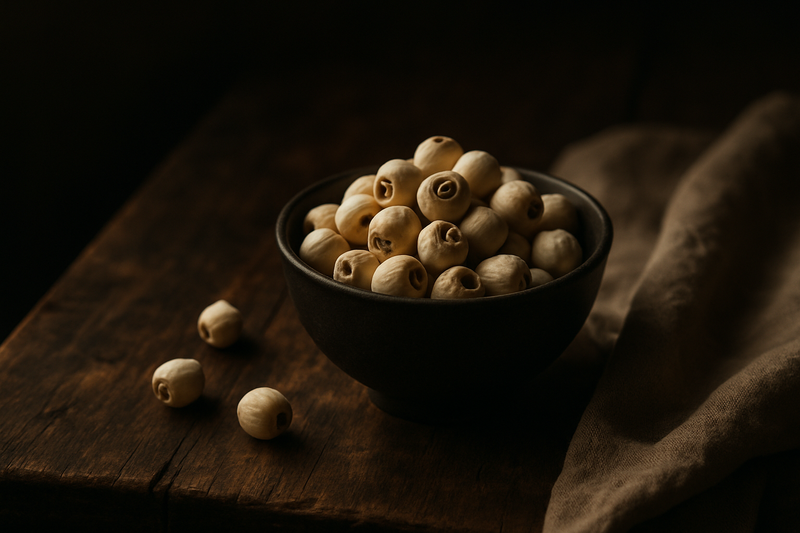
Lotus Seed Paste · Photograph
Discover the real lotus seed paste nutrition and health benefits — from minerals and plant protein in whole lotus seeds to the added sugar realities of mooncake fillings. Includes safety tips, blood sugar guidance, and how to enjoy it as part of a plant-based diet.
Key Nutrients
% Daily Value based on 2,000 cal diet
Key active compounds in lotus seeds
The health-relevant chemistry lives in the whole seed. Once the seed is boiled, mashed, and sweetened into paste, some of these compounds survive in reduced concentrations — but the sugar and fat added during processing become the dominant nutritional story.
- Flavonoids (quercetin, kaempferol): A class of polyphenols — plant pigments with antioxidant and anti-inflammatory activity — found widely in vegetables and seeds. In lotus seeds, flavonoids may contribute to free-radical scavenging and vascular protection, based on laboratory studies.
- Alkaloids (neferine, liensinine): Nitrogen-containing compounds unique to Nelumbo nucifera. Preclinical studies suggest these alkaloids may influence heart rhythm, lipid metabolism, and blood glucose regulation, though human data are very limited.
- Polysaccharides: Complex carbohydrate chains that, in animal and cell studies, appear to have immune-modulating and blood-sugar-lowering effects.
- Proanthocyanidins: A type of condensed tannin (a natural plant compound that gives seeds an astringent quality) with strong antioxidant capacity that may help protect fats and proteins from oxidative damage.
Prep and pairing ideas
Common pairings
1. Lotus seeds + glutinous rice (sticky rice congee) A classic combination in Chinese cuisine. The starch of the rice and the mellow flavor of lotus seeds create a satisfying, low-fat bowl. Adding a few dried dates or goji berries rounds out the mineral content without much added sugar.
2. Lotus seeds + dried lily bulb + rock sugar (light soup) A traditional Cantonese tong sui (sweet soup) that uses minimal sweetener. Lily bulb adds additional phytochemicals and a creamy texture. This combination keeps added sugar much lower than commercial paste.
3. Low-sugar lotus seed paste + black sesame When making paste at home, blending in a tablespoon of black sesame seeds adds healthy fats, calcium, and a toasty depth of flavor while reducing the proportion of refined sugar needed for palatability.
Practical prep tips
- Soaking: Dried lotus seeds benefit from at least 4 hours of soaking (overnight is better) before pressure cooking or simmering for 30–45 minutes until fork tender.
- Removing the green germ: The small green shoot inside each seed is notably bitter; split the seed and remove it with a toothpick before cooking.
- Blending: For a smoother paste, blend cooked seeds while still warm with just enough liquid to keep the motor moving.
Myths vs. facts
Myth 1: "Lotus seed paste is a health food because it comes from a plant." Fact: The lotus seed itself is a nutritious whole food. The paste, however, is processed with large amounts of added sugar and often fat. Being plant-derived does not automatically make it low-sugar or cardiometabolic-friendly. Context and processing matter enormously.
Myth 2: "Eating lotus seed mooncakes helps your blood sugar because lotus seeds are anti-diabetic." Fact: Preclinical research suggests lotus seed compounds may have hypoglycemic properties at concentrated extract doses in animals. But a commercial mooncake's added sugar far outweighs any theoretical glycemic-lowering effect of the small amount of lotus seed present. People with diabetes should not eat mooncakes as a blood-sugar strategy.
Myth 3: "All the health benefits of lotus seeds transfer directly into lotus seed paste." Fact: Cooking, blending, and heavily sweetening lotus seeds alters their nutrient profile and dilutes the phytochemical concentration relative to added sugar and fat. Benefits observed in research on whole or minimally processed lotus seeds do not automatically apply to sweetened paste in pastry form.
Bottom line
Lotus seed paste is a culturally treasured ingredient with deep roots in East and Southeast Asian cuisines, and for good reason — it tastes wonderful and carries centuries of culinary tradition. The whole dried lotus seed it comes from is a legitimately useful plant food: a source of plant protein, potassium, magnesium, phosphorus, and intriguing phytochemicals that early research finds promising for heart, metabolic, and anti-inflammatory pathways.
But the sweetened paste used in mooncakes and buns is a dessert filling first. Its added sugar content means it cannot carry the health mantle of the seed it starts from. The smartest approach: appreciate lotus seed paste for what it is — a delicious cultural food — eat it in moderate amounts during festive occasions, and explore plain cooked lotus seeds more regularly if you want the whole-food nutritional benefit.
If you want to explore how seeds and other plant foods support specific health goals, see our guide to plant-based protein foods and how to meet your needs.
How Lotus Seed Paste Compares
| Compared with | What's different |
|---|---|
| Lotus Seed Paste vs. Red Bean Paste (Anko) | Red bean paste is earthier and coarser, while lotus paste is silkier with a mild, floral creaminess. |
| Lotus Seed Paste vs. Black Sesame Paste | Lotus paste is milder and starchy, whereas black sesame paste is intensely nutty and high in calcium. |
Health Benefits
Things to Know
Diabetes and prediabetes: Traditional lotus seed paste is high in added sugar. If you have blood sugar concerns, stick to plain cooked lotus seeds or very small amounts of reduced-sugar paste.
Kidney disease: Lotus seeds are relatively high in potassium (438 mg per cup, dried). If you follow a potassium-restricted diet, count them as part of your daily potassium budget.
Potassium-sparing diuretics: These medications (used for high blood pressure or heart failure) reduce potassium excretion. Eating large amounts of high-potassium foods like lotus seeds on top of these drugs may push potassium too high. Talk to your prescriber.
Anti-diabetic medications: Preclinical evidence of hypoglycemic effects from lotus seed extracts raises a theoretical risk of additive blood sugar lowering if you take insulin or oral glucose-lowering drugs. At typical culinary amounts this risk is low, but worth noting with your care team if you eat lotus seeds regularly.
Seed and nut allergies: Lotus seeds are not a major recognized allergen, but individuals with known seed, nut, or legume allergies should introduce them cautiously.
Gluten: Lotus seeds themselves are naturally gluten-free, but commercial mooncakes and buns almost always use wheat-based dough — not appropriate for celiac disease or gluten sensitivity unless you find a certified gluten-free product.
Pregnancy: Lotus seeds are a traditional food eaten during pregnancy in several cultures, but evidence-based guidance specific to lotus seed paste in pregnancy is limited. Standard food safety caution applies: avoid excess added sugar and opt for minimally processed forms.
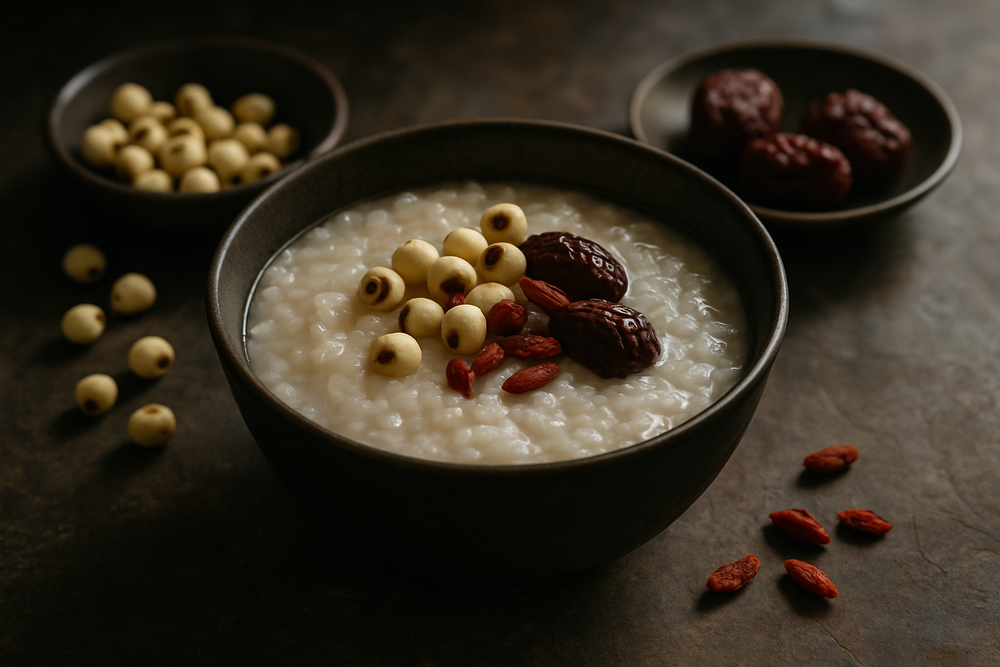
Prep Ideas
- — Soaking: Dried lotus seeds benefit from at least 4 hours of soaking (overnight is better) before pressure cooking or simmering for 30–45 minutes until fork tender.
- — Removing the green germ: The small green shoot inside each seed is notably bitter; split the seed and remove it with a toothpick before cooking.
- — Blending: For a smoother paste, blend cooked seeds while still warm with just enough liquid to keep the motor moving.
Shop This Ingredient
Stock your pantry with quality lotus seed paste.
Buy on AmazonAs an Amazon Associate, Plantopedia earns from qualifying purchases. This costs you nothing extra and helps us keep the encyclopedia free.
Frequently Asked Questions
The honest answer: whole lotus seeds have real nutritional merit; traditional sweetened lotus seed paste is primarily a dessert. Here is what the evidence says area by area. Heart and circulation Plain lotus seeds supply potassium and magnesium — two minerals consistently linked to healthy blood pressure in population studies. Laboratory research on lotus seed flavonoids and alkaloids shows antioxidant, cholesterol-lowering, and vasodilating (blood vessel relaxing) effects in animal models and cell cultures. However, no large randomized human trials have specifically tested lotus seeds or lotus seed paste for cardiovascular outcomes. Commercial lotus seed mooncakes and buns often contain added sugars and fats that may work against any cardiovascular advantage the seed itself offers, particularly in people who eat them frequently. Digestive health and microbiome Lotus seeds are a bland, starchy, low-fat food — historically used in traditional medicine to settle the stomach and ease loose stools. Their complex carbohydrates may offer gentle digestive support, and some traditional practitioners consider them mildly astringent (tightening to mucous membranes). That said, lotus seed paste protein and fiber content in commercial pastry form is modest at best; the paste has been cooked, ground, and sweetened, so it should not be counted as a meaningful fiber source. Controlled human trials on lotus seeds and gut health are currently lacking. Blood sugar and metabolism This is where the whole-seed vs. paste distinction matters most. Animal and cell studies suggest that lotus seed polysaccharides and alkaloids may have hypoglycemic (blood-sugar-lowering) and insulin-sensitizing properties. But lotus seed paste and blood sugar control are a different story: traditional fillings can deliver around 8–10 g of added sugar per small portion, which raises postprandial (after-meal) glucose — especially in people with diabetes or prediabetes. Lotus seed paste for diabetics is best approached as a treat eaten rarely and in small amounts, ideally as part of a meal rather than alone. Inflammation and recovery Quercetin, kaempferol, neferine, and proanthocyanidins — all found in lotus seeds — are the subject of a growing body of preclinical anti-inflammatory research. Reviews of lotus seed compounds describe meaningful reductions in markers like TNF-α and IL-6 in cell and animal experiments. No large, well-controlled human trials have confirmed clinically significant reductions in inflammatory markers from eating lotus seeds or lotus seed paste. Consuming lotus seed paste in pastry form frequently could actually promote low-grade inflammation through its refined-carbohydrate content, which is the opposite of the benefit. Hormones and cycle health Lotus seeds appear in some traditional medicine systems for reproductive and kidney-related health. Alkaloids from lotus seeds have shown neuroendocrine activity in preclinical models. Modern clinical data on lotus seeds and sex hormones, fertility, or menopausal symptoms in humans have not been identified in current scientific reviews. This remains a speculative area and should not be relied upon for any reproductive health purpose.
The form you choose dramatically changes the nutritional outcome. Whole dried seeds (soaked and boiled or pressure-cooked) are the most whole-food-aligned option. They keep the mineral matrix, phytochemicals, and complex carbohydrates intact with no added sugar or fat. This is the form most studied in nutrition research. Cooked lotus seeds in soups or congee are a traditional and approachable way to eat them. Their nutrition reflects the overall dish, and they pair well with other plant foods to create a balanced meal. Sweetened lotus seed paste (the filling in mooncakes and steamed buns) is processed with substantial sugar and often oil. It is best understood as a dessert filling rather than a health supplement. Low sugar lotus seed paste for mooncakes can be made at home using much less sugar — a worthwhile option if you want to enjoy the flavor without the glycemic load. Lotus seed flour or powder is used in some snack foods and baking. It is more processed than whole seeds, and research-grade concentrated extracts used in preclinical studies are not the same as grocery-store powder.
No regulatory authority or clinical guideline has set a specific daily limit for lotus seeds or lotus seed paste. Here is a practical framework based on what the evidence does and does not support: Whole cooked lotus seeds: As part of a varied plant-based diet, a portion of roughly 30–60 g (1–2 cups cooked) a few times per week is consistent with general whole-food principles and falls within ranges used in nutrition database references. Start with smaller amounts if your digestive system is not used to them. Commercial lotus seed paste in mooncakes or buns: A single small traditional mooncake can contain 400–500 calories and 30–50 g total sugar. Most nutrition guidance recommends limiting added sugar to fewer than 25–36 g per day (depending on sex, per WHO and AHA guidelines). One full mooncake can exceed that limit in a single sitting. Treating it as a once-a-week or festival-occasion food is a reasonable approach for most healthy adults. Home-made low-sugar lotus seed paste: Recipes using a fraction of the traditional sugar amount (sweetened with a small amount of maple syrup, date paste, or reduced-sugar alternatives) are a practical middle ground, letting you enjoy the cultural food with a lighter glycemic impact. There is no established therapeutic dose for lotus seeds as a supplement or extract. Evidence-based dosing simply does not yet exist.
Quick Answers
Common questions, answered in a line.
To prepare dried lotus seeds, soak them for at least 4 hours (or overnight) and simmer for 30–45 minutes until fork-tender. It is important to split the seeds and remove the bitter green germ shoot with a toothpick before cooking to ensure a mellow flavor profile.
Lotus seeds contain bioactive alkaloids like neferine and liensinine, as well as flavonoids such as quercetin and kaempferol. These compounds are associated with antioxidant activity, heart rhythm influence, and potential blood glucose regulation in preclinical studies.
Lotus seed paste is not recommended as a blood-sugar-lowering food because commercial versions are processed with large amounts of added sugar and fat. While whole seeds have a lower glycemic impact, the sugar in mooncake fillings outweighs any theoretical anti-diabetic benefits.
Individuals with kidney disease should be cautious with lotus seeds because they are relatively high in potassium, containing approximately 438 mg per cup when dried. Those on potassium-restricted diets should count these seeds as part of their daily potassium budget.
While lotus seeds are naturally gluten-free, the paste is typically served in mooncakes and buns made from wheat-based dough. Those with celiac disease or gluten sensitivity should only consume these if the final product is certified gluten-free.
Lotus seeds may interact with potassium-sparing diuretics by causing potassium levels to rise too high, and they may have additive effects with anti-diabetic medications like insulin. If you are taking these medications, consult your healthcare provider before eating them regularly.
For Readers in the USA
Local context — sourcing, seasonality, and regional notes.
You can find lotus seed paste and whole dried lotus seeds at major Asian grocery chains like H Mart, 99 Ranch Market, and Mitsuwa Marketplace across the US. Many stores stock both the pre-made canned paste in the baking aisle and the dried seeds in the bulk or dried goods section.
In the US, you will most commonly find lotus seed paste during the Mid-Autumn Festival (typically September or October) when mooncakes are widely sold. While canned paste is available year-round, specialty fresh pastries featuring the filling are most abundant during this late-summer and early-fall window.
While lotus plants grow in USDA zones 4-11, the culinary Nelumbo nucifera used for paste is primarily imported to the US from China, Vietnam, and Thailand. Domestic water lilies found in US ponds are generally not the same species used for commercial lotus seed paste production.
Check the nutrition facts panel for 'Added Sugars' and look for the USDA Organic seal if you want to avoid synthetic pesticides often used in international lotus farming. Because the FDA regulates these imports, ensure the packaging lists all ingredients to identify hidden fats like lard or vegetable oils.
AI Clinical Review
- Clearly distinguishes the nutrient-dense whole lotus seed from the sugar- and fat-rich paste used in pastries—an essential nuance for health decisions.
- Accurately portrays the research landscape: most data on potential benefits (antioxidant, cardiometabolic, anti-inflammatory) come from cell and animal studies, not large human trials.
- Nutrient snapshot for plain dried seeds (plant protein, potassium, magnesium, phosphorus; low fat) aligns with standard databases and typical culinary use.
- Offers practical, culturally sensitive suggestions (e.g., enjoying paste as an occasional treat and considering lower-sugar homemade versions) without dismissing tradition.
- Cardiometabolic outcomes: promising mechanisms (e.g., flavonoids, lotus alkaloids) have not been confirmed in randomized human studies for blood pressure, lipids, or glycemic control.
- Inflammation and recovery: reductions in inflammatory markers are largely preclinical; clinical significance from eating culinary amounts is unknown.
- Gut health: traditional use for digestion is long-standing, but controlled human trials on microbiome or bowel outcomes are limited.
- Bioavailability: how much of the seed’s bioactive compounds survives cooking, sweetening, and typical serving sizes—and whether that translates to health effects—remains unclear.
- Form and portion matter: whole cooked seeds can be included regularly; there is no therapeutic dose established. A practical culinary range is about 30–60 g (roughly 1–2 cups cooked) a few times per week.
- Added sugars: a single traditional mooncake can meet or exceed common daily added-sugar limits; people with diabetes or prediabetes should treat lotus seed paste as an occasional, small-portion dessert and monitor post-meal glucose.
- Potassium: whole lotus seeds are relatively high in potassium; individuals with chronic kidney disease or on potassium-sparing diuretics should discuss regular intake with their clinician.
- Other considerations: introduce cautiously if you have seed/nut/legume allergies; commercial pastries typically contain gluten; pregnancy is not a contraindication to culinary amounts, but moderating added sugar is prudent; theoretical interactions with glucose-lowering medications are unlikely at typical food portions but worth mentioning to your care team if eaten often.
Traditional versions are high in added sugar; the plain seed is the whole food.
References
- USDA FoodData Central — lotus seeds, dried (nutrition data) (fdc.nal.usda.gov)
- MyPlate protein foods group — plant-based protein guidance (myplate.gov)
- Healthline — Makhana (lotus seed) health benefits and nutrition overview (healthline.com)
- PMC review: Lotus seeds (Nelumbinis semen) as an emerging therapeutic food ingredient — phytochemicals and bioactivity (pmc.ncbi.nlm.nih.gov)
- Clinicsearchonline — Nutritional composition, bioactive compounds and food applications of lotus seeds (Nelumbo nucifera): a review (clinicsearchonline.org)
- Nutrition-and-you.com — Lotus seeds: nutrition facts and health benefits (nutrition-and-you.com)
- OnlyFoods — Lotus seeds: nutrition facts, health benefits, and uses (onlyfoods.net)
- Wikipedia — Lotus seed: botany, traditional use, and food applications (en.wikipedia.org)
- FoodStruct — lotus seeds macronutrient and micronutrient profile (foodstruct.com)
- NIH NCCIH — general guidance on using herbal and plant-based products safely (nccih.nih.gov)
Know Your Numbers
Eating healthy is a start. Now get to know your biomarkers.
Food changes bloodwork — inflammation, lipids, blood sugar and nutrient status all respond to what you eat. 59 markers from $59.
- Results in 7–10 days at 2,000+ Quest sites
- Licensed provider reviews every result
- One flat price, no membership, HSA/FSA eligible
Educational information only, not medical advice. Panels are ordered and reviewed through our licensed partner; Plantopedia may earn a commission.