Marrowfat Peas — health benefits and uses
Protein + fiber leverage; batch-cook, meal-prep, and satiety angle
The Short Answer
Marrowfat peas are mature, starchy green peas that have been left to dry in the field. They are primarily used to make mushy peas and are prized for their high fiber content and dense, floury texture.
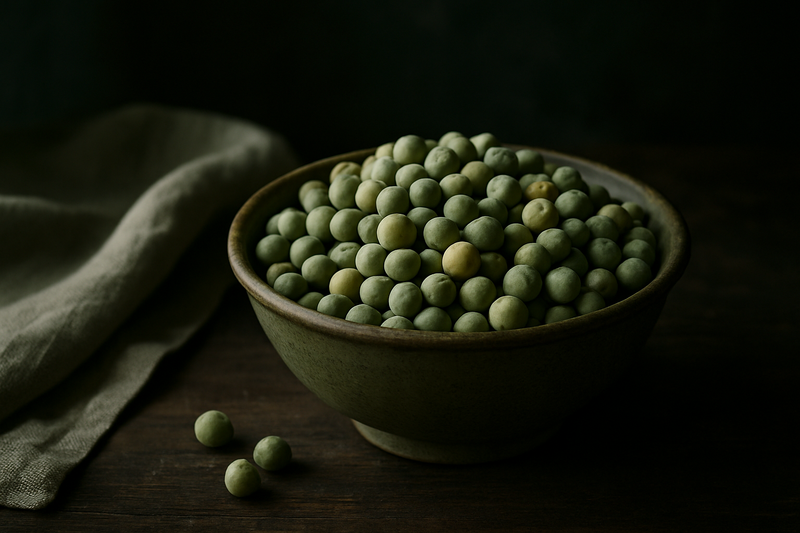
Marrowfat Peas · Photograph
Marrowfat peas are not the small, sweet peas you find in a frozen bag. They are large, mature green peas — scientifically known as Pisum sativum — left on the plant to fully ripen and dry before harvest. The result is a starchy, dense legume packed with plant protein, slow-burning carbohydrates, and a generous amount of dietary fiber. They are best known as the base of British mushy peas, but they are equally at home in hearty stews, soups, and high-protein snacks.
Key Nutrients
% Daily Value based on 2,000 cal diet
Key active compounds in marrowfat peas
Marrowfat peas deliver nutrition through several layers — macronutrients, micronutrients, and plant chemicals called phytochemicals (naturally occurring compounds in plants that may influence health beyond basic nutrition):
- Flavonoids and phenolic acids — Polyphenols concentrated in the pea seed coat; act as antioxidants (compounds that neutralise cell-damaging molecules called free radicals) and may help modulate inflammatory pathways in experimental models.
- Carotenoids (alpha-carotene, beta-carotene, lutein) — Pigmented antioxidants linked to eye health and protection against oxidative stress; lutein in particular is associated with retinal health.
- Pisumsaponins and pisomosides — Pea-specific plant chemicals that show anti-inflammatory and blood-sugar-supportive properties in laboratory and animal studies; human evidence is still emerging.
- Coumestrol — A phytoestrogen (a plant compound with weak oestrogen-like activity) found in peas; experimental data suggest roles in hormone-related and inflammatory pathways, but solid human evidence is limited.
- Lectins — Carbohydrate-binding proteins naturally present in legumes; heat-sensitive, meaning thorough cooking inactivates most of their antinutrient activity. Never eat raw or undercooked dried peas.
- Phytic acid (inositol hexaphosphate) — A mineral-binding compound common in legumes that can reduce absorption of iron and zinc; soaking and boiling significantly reduce its levels.
Prep and pairing ideas
Classic mushy peas: Soak dried marrowfat peas overnight with a pinch of bicarbonate of soda. Drain, rinse, cover with fresh water, and simmer for 45–60 minutes until very soft. Season lightly with salt, a knob of butter or olive oil, and fresh mint. Works as a side dish, a jacket potato topping, or a dip.
Marrowfat pea and vegetable soup: Add soaked, pre-cooked peas to a simple broth with onion, carrot, celery, and a bay leaf. Blend half the soup for a creamy-chunky texture. Freezes well for meal prep.
Pea and grain bowl: Stir cooked marrowfat peas into a farro or brown rice base with roasted vegetables and a tahini dressing. The pea protein complements grain amino acids to round out the plant-protein profile.
Common pairings and why they work
- **Marrowfat peas + vitamin C-rich
How Marrowfat Peas Compares
| Compared with | What's different |
|---|---|
| Marrowfat Peas vs. Garden Peas | Harvested early for sweetness and soft skin, whereas marrowfat peas are dried for starchiness. |
| Marrowfat Peas vs. Green Split Peas | Split peas dissolve completely into soup; marrowfat peas are larger and hold a dense, mushy texture. |
| Marrowfat Peas vs. Chickpeas | Chickpeas have a firmer, nutty bite, while marrowfat peas become creamy and floury when cooked. |
Health Benefits
Things to Know
Always soak and fully cook dried marrowfat peas.: Undercooked or raw dried peas contain active lectins and high phytic acid, which can cause digestive upset and reduce mineral absorption. Soak for 8–12 hours, drain, then boil until completely soft (typically 45–60 minutes).
Go slow on portion size if you are new to legumes.: Start with a quarter-cup cooked and increase over several weeks to allow your gut bacteria to adjust.
IBS or FODMAP sensitivity: Peas are moderately high in fermentable oligosaccharides — a type of short-chain carbohydrate that can trigger IBS symptoms. If this applies to you, keep servings to around a quarter-cup cooked and monitor your response.
Kidney disease: Marrowfat peas contribute meaningful amounts of potassium and phosphorus. If you have advanced chronic kidney disease or are on a restricted diet for these minerals, check with your renal dietitian before adding large portions.
Warfarin or anticoagulant medication: Peas contain vitamin K, which affects how warfarin works. The key is consistency — eating similar amounts from week to week — rather than avoiding peas entirely.
Diabetes medication (insulin or oral hypoglycaemics): A significant increase in legume intake may improve blood sugar control, which could amplify the effect of your medication. If you make major dietary changes, monitor your blood glucose and speak to your clinician.
Antihypertensive medication: Higher legume and potassium intake is associated with modestly lower blood pressure; monitor regularly if you are making a significant dietary shift.
Pea or legume allergy: Avoid marrowfat peas and pea-derived ingredients entirely; cross-reactivity with peanuts and other legumes is possible.
Pregnancy: Folate in peas is a genuine benefit, but whole dietary folate needs to be considered alongside supplementation advice from your midwife or GP.
Canned mushy peas: Already cooked and safe to eat straight away, but can be high in salt — rinsing reduces sodium by around 40%.
Shop This Ingredient
Stock your pantry with quality marrowfat peas.
Buy on AmazonAs an Amazon Associate, Plantopedia earns from qualifying purchases. This costs you nothing extra and helps us keep the encyclopedia free.
Frequently Asked Questions
Evidence for peas and legumes generally is solid at the moderate level for heart health, blood sugar, and digestive support. Research specifically labelled "marrowfat peas" is limited — most studies use mixed legumes, green peas, or split peas — but the nutritional profile is essentially the same, so findings translate reasonably well. Heart and circulation Observational and intervention studies on legumes (peas, lentils, beans, chickpeas) consistently show that eating one serving of legumes per day can meaningfully reduce LDL cholesterol — the type associated with cardiovascular risk. Harvard Health notes that the fibre and protein in cooked peas both contribute to this effect, particularly when legumes replace more refined carbohydrates or saturated fat-rich foods in the diet. Beyond cholesterol, peas supply potassium, magnesium, and antioxidant polyphenols that may support blood pressure and vascular (blood vessel) function. The evidence here is mostly from legume-broad studies or mechanistic research, not marrowfat-specific trials, but the nutrients involved are well established. Digestive health and microbiome Each half-cup serving delivers around 4 g of dietary fibre — a mix of soluble fibre (which forms a gel in the gut and slows digestion) and insoluble fibre (which adds stool bulk). Reviews of pea components report that pea fibre promotes beneficial shifts in gut microbial composition — the community of bacteria living in your colon — and encourages production of short-chain fatty acids (small molecules made when gut bacteria ferment fibre, linked to colon health and reduced inflammation). Human legume trials generally show improved bowel regularity when fibre-rich legumes are added gradually to habitual diets. The caveat: rapid increases in pea intake can provoke gas and bloating, especially in people who eat low-fibre diets ordinarily. Blood sugar and metabolism Peas have a relatively low glycaemic impact compared with refined starches. Their starch is packaged alongside fibre and protein, which slow digestion and smooth out the glucose curve after eating. A 2020 meta-analysis of 18 randomised controlled trials in people with type 2 diabetes found that higher legume intake significantly improved fasting blood glucose, HbA1c (a longer-term marker of blood sugar control), and post-meal glucose responses. The fermentable fibre and resistant starch in peas are thought to be key drivers: they blunt glucose spikes and may improve insulin sensitivity over time. Most of these trials used half a cup to one cup of cooked legumes daily in place of higher-glycaemic foods. Inflammation and recovery Peas contain antioxidant vitamins C and E alongside a range of polyphenols concentrated in the pea coat. These compounds demonstrate anti-inflammatory and antioxidant effects in laboratory and animal models. However, human data specifically linking pea intake to reductions in inflammatory biomarkers are limited. The strongest evidence remains at the level of broader legume-rich dietary patterns associated with lower chronic disease risk — not peas as a standalone remedy.
The plant-based meal-prepper Looking for cheap, shelf-stable protein that keeps for months in the cupboard Wants to reduce reliance on meat without resorting to ultra-processed meat alternatives Benefits from the fibre-protein combination that keeps energy steady across a working day The busy health-conscious cook Wants to increase legume intake without spending hours in the kitchen Appreciates that a big pot of stewed marrowfat peas refrigerates for four to five days and works across multiple meals Interested in foods shown to support blood sugar balance and cholesterol levels through everyday eating rather than supplements
| Form | Practical notes | |---|---| | Dried whole (soaked and boiled) | The most nutritious and economical option; soaking overnight and boiling until soft reduces antinutrients and improves digestibility. | | Mushy peas (cooked/mashed) | Nutritionally equivalent to boiled whole peas; watch sodium in canned versions — rinse or choose low-salt. | | Roasted snacks (e.g., wasabi peas) | Protein and fibre concentrated, but often high in sodium, oil, and added flavourings; fine as a portion-controlled snack. | | Split peas | Nutritionally very similar to marrowfat peas; cook faster without soaking; great for soups and dals. | | Pea protein isolate | Not a whole food, but relevant for protein targeting; 25 g twice daily shown in one RCT to support muscle gains similarly to whey. | For everyday health, dried whole marrowfat peas soaked overnight and boiled is the preferred form — it retains the full fibre-protein-phytochemical package without added sodium, oil, or processing.
Quick Answers
Common questions, answered in a line.
Marrowfat peas are mature green peas (Pisum sativum) that are left on the plant to fully ripen and dry before being harvested. This process results in a larger, starchier, and more nutrient-dense legume compared to standard frozen sweet peas.
Marrowfat peas should be soaked for 8–12 hours, drained, and then boiled in fresh water for 45–60 minutes until completely soft. It is essential to never eat them raw or undercooked, as thorough cooking is required to inactivate heat-sensitive lectins and reduce phytic acid.
Marrowfat peas provide a rich source of plant protein, slow-burning carbohydrates, and high levels of dietary fiber. They also contain micronutrients and phytochemicals such as flavonoids, carotenoids like lutein for eye health, and specialized compounds called pisumsaponins.
You should start with a small serving of about a quarter-cup of cooked peas and gradually increase the portion size over several weeks. This slow introduction allows your gut bacteria to adjust to the high fiber content and helps prevent digestive discomfort.
Marrowfat peas contain fermentable oligosaccharides, which are short-chain carbohydrates that can trigger symptoms in people with IBS or FODMAP sensitivities. It is recommended to limit servings to a quarter-cup cooked and monitor your body's response.
People with pea or legume allergies should avoid marrowfat peas entirely due to the risk of cross-reactivity with peanuts. Additionally, individuals with advanced kidney disease or those taking blood thinners like warfarin should consult a professional due to the peas' potassium, phosphorus, and vitamin K content.
For Readers in the USA
Local context — sourcing, seasonality, and regional notes.
You can find marrowfat peas at British import shops, specialty grocers like Whole Foods, or via online retailers like Amazon. While not as common as standard split peas in major US chains like Kroger or Walmart, they are frequently stocked in the international or "British" aisle of larger supermarkets.
Marrowfat peas are primarily grown in the Northern Plains and Pacific Northwest, specifically in states like North Dakota, Montana, and Washington. These regions provide the cool, dry climate necessary for the peas to mature and dry on the vine before the late summer or early fall harvest.
In the US, marrowfat peas are best known as the essential ingredient for "mushy peas" or as the crunchy, salted "wasabi pea" snacks found in the bulk section of health food stores. While they are a staple in UK cuisine, American cooks are increasingly using them as a high-fiber substitute for chickpeas or navy beans in soups and stews.
Look for the USDA Organic seal on packaging to ensure the peas were grown without synthetic pesticides or fertilizers. Because marrowfat peas are a specialty crop in the US, buying certified organic or non-GMO verified brands ensures the product meets high domestic standards for sustainable farming and processing.
AI Clinical Review
- Marrowfat peas are mature, dried green peas that deliver a useful mix of plant protein, slow-digesting carbohydrates, and fiber—qualities linked with steadier energy and fullness.
- The cardiometabolic benefits described (lower LDL cholesterol and improved post‑meal glucose when legumes replace more refined foods) align with evidence from randomized trials and meta‑analyses on legumes generally.
- The digestion section is balanced: pea fiber can support regularity and short‑chain fatty acid production, but increasing intake gradually helps limit gas and bloating.
- Practical prep advice is sound: soaking and thorough cooking reduce antinutrients like lectins and phytic acid and improve tolerance; canned/mushy options are convenient but watch the sodium.
- Many “active compounds” (e.g., pisumsaponins, coumestrol, specific polyphenols) show promise mostly in cell or animal models; robust human outcomes data are limited.
- Direct research on marrowfat peas is sparse; most findings are extrapolated from broader legume or green/split pea studies. The nutrition is similar, but one‑to‑one effects aren’t fully proven.
- Anti‑inflammatory claims are plausible based on antioxidant content, yet consistent reductions in human inflammatory biomarkers after pea intake haven’t been firmly established.
- Pea protein isolate performing like whey has support from small, specific RCTs; effects may depend on total protein intake, training status, and overall diet.
- Typical study servings range from about ½ to 1 cup cooked legumes daily, ideally swapped in for refined starches; if you’re new to legumes, start smaller and build up to minimize GI symptoms.
- Safety and prep: always cook dried peas thoroughly; canned or ready‑made mushy peas are already cooked but can be salty—rinsing helps lower sodium.
- Who should check in first: people on warfarin (vitamin K consistency matters), those with advanced kidney disease (potassium/phosphorus), and individuals with IBS/FODMAP sensitivity (keep portions modest and assess tolerance).
- Other cautions: legume/pea or peanut allergies warrant avoidance; for better non‑heme iron absorption, pair peas with a vitamin C‑rich food (e.g., citrus, peppers).
Mention soaking/cooking tolerance tips where relevant; avoid raw legume prep errors.
References
- PubMed — Review of the health benefits of peas (Pisum sativum L.) (pubmed.ncbi.nlm.nih.gov)
- PubMed — Nutritional composition and health benefits of peas-a bibliometric research (pubmed.ncbi.nlm.nih.gov)
- PubMed — Peas, natural resources for a sustainable future: a multifaceted review of nutritional, health, environmental, and market perspectives (pubmed.ncbi.nlm.nih.gov)
- USDA FoodData Central — USDA FoodData Central (fdc.nal.usda.gov)
- Cambridge University Press — Comparative effects on blood lipids and faecal steroids of five legume species incorporated into a semi-purified, hypercholesterolaemic rat diet | British Journal of Nutrition | Cambridge Co (cambridge.org)
- PMC, National Library of Medicine — A Comprehensive Review of Pea (Pisum sativum L.): Chemical Composition, Processing, Health Benefits, and Food Applications (pmc.ncbi.nlm.nih.gov)
- Wiley Online Library — Leg3.133 (onlinelibrary.wiley.com)
Know Your Numbers
Eating healthy is a start. Now get to know your biomarkers.
Food changes bloodwork — inflammation, lipids, blood sugar and nutrient status all respond to what you eat. 59 markers from $59.
- Results in 7–10 days at 2,000+ Quest sites
- Licensed provider reviews every result
- One flat price, no membership, HSA/FSA eligible
Educational information only, not medical advice. Panels are ordered and reviewed through our licensed partner; Plantopedia may earn a commission.