Meyer Lemon — health benefits and uses
A milder citrus embraced for gentle sour-and-sweet culinary use.
The Short Answer
Meyer lemons are a cross between a lemon and a mandarin, offering a sweeter, less acidic flavor profile. One 100g fruit provides 47mg of Vitamin C, meeting over half of the daily value for most adults while delivering heart-healthy antioxidants like
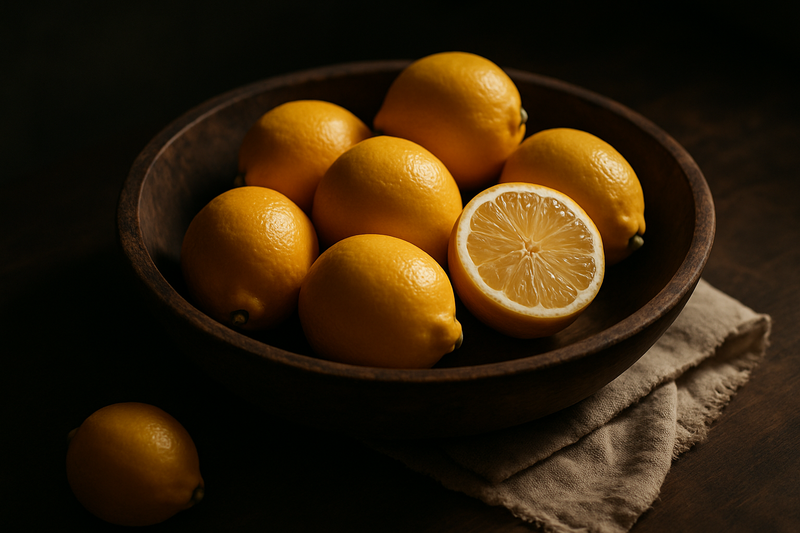
Meyer Lemon · Photograph
Discover Meyer lemon health benefits, from vitamin C and antioxidants to digestive support and heart health. Learn how this sweeter, less acidic citrus fits into a whole food plant-based diet — including how to safely use the peel, zest, and juice.
Key Nutrients
% Daily Value based on 2,000 cal diet
Key active compounds in Meyer lemon
- Flavanones (hesperidin, eriocitrin, naringin): Citrus-specific antioxidants concentrated in the pulp and peel. Human studies using citrus juices link these compounds to improved blood vessel function and lower markers of oxidative stress.
- Limonoids: Bitter-tasting compounds found mainly in citrus seeds and peels. Cell and animal studies suggest they may influence cholesterol levels and have anticancer properties, though human data are limited.
- Essential oils — limonene, citral, and related terpenes: Volatile aromatic compounds responsible for the distinctive Meyer lemon fragrance. Concentrated in the zest, they show antimicrobial and antioxidant activity in lab settings and add flavor without calories.
- Phenolic acids and flavonols: Broader polyphenol compounds (plant-based antioxidants) present in the pulp and peel. They contribute to the fruit's overall antioxidant capacity alongside flavanones.
- Vitamin C (ascorbic acid): A water-soluble vitamin and well-documented antioxidant that supports the immune system, helps the body make collagen (the structural protein in skin and connective tissue), and assists in iron absorption.
- Dietary fiber: Found in the pulp and peel; supports digestive regularity and may help moderate blood sugar response after meals.
Prep and pairing ideas
Meyer lemons are among the most flexible citrus fruits in the kitchen because their edible peel, sweet-tart juice, and fragrant zest can all be used in the same dish.
Wash thoroughly first. Because the thin peel is often eaten or used as zest, scrubbing under cold running water is a simple step that reduces surface residues before you grate or slice.
Common pairings
- Meyer lemon + olive oil + garlic (vinaigrette or marinade): The fat in olive oil helps fat-soluble polyphenols absorb better and carries the aromatic terpenes from the zest. A classic pairing for dressings, grain bowls, and roasted vegetables — and a practical way to reduce sodium-heavy sauces.
- Meyer lemon + leafy greens + iron-rich legumes (salad): The vitamin C in Meyer lemon juice squeezed over a spinach and lentil salad meaningfully boosts the absorption of non-heme iron from both the greens and the legumes — a well-documented nutritional synergy for plant-based eaters.
- Meyer lemon + turmeric + ginger (sauce, soup, or warm drink): All three are sources of anti-inflammatory plant compounds. The citrus acidity brightens bitter flavors and helps activate the aromatic compounds in ginger. Together they make a flavorful base that is supported by broad dietary research on anti-inflammatory eating patterns.
Other practical uses: Meyer lemon curd (using both zest and juice reduces the need for added sugar), thin-sliced rounds in braises, zest stirred into oatmeal or yogurt, and as a finishing squeeze over fish, roasted chickpeas, or avocado toast.
Bottom line
Meyer lemons are a nutritionally sound, culinarily flexible citrus fruit that fits naturally into a whole food plant-based eating pattern. Their vitamin C, fiber, and flavanone content align with well-established evidence on citrus fruits and cardiometabolic health. The sweeter flavor and edible peel make it easier to use the whole fruit — and that matters, because the peel is where much of the phytochemical action is.
No food cures anything on its own, and Meyer lemons are no exception. But as a regular part of a varied, plant-forward diet, they offer a low-calorie, high-flavor way to increase antioxidant intake, support immune function, and make healthy cooking more enjoyable. That's a meaningful contribution.
Explore how citrus fruits fit into broader health goals at Plantopedia's goals guide.
How Meyer Lemon Compares
| Compared with | What's different |
|---|---|
| Meyer Lemon vs. Eureka Lemon | Thicker skin and much higher acidity; less floral and needs more sugar to balance. |
| Meyer Lemon vs. Key Lime | Smaller, more acidic, and has a distinct zesty bite compared to the Meyer's herbal sweetness. |
| Meyer Lemon vs. Mandarin Orange | Much larger and sweeter; Meyer lemons are a hybrid of a lemon and a mandarin orange. |
Health Benefits
Things to Know
Acid reflux and GERD: The acidity in Meyer lemon juice, though milder than standard lemon, can still trigger or worsen symptoms of gastroesophageal reflux disease (GERD) — the chronic backflow of stomach acid into the esophagus — in sensitive individuals. If this applies to you, use zest rather than juice, and consume with food rather than on an empty stomach.
Dental enamel: Frequent exposure to undiluted citrus juice can erode tooth enamel over time. Rinse your mouth with water after consuming lemon juice, and consider drinking through a straw if you use it regularly in beverages.
Citrus allergy or oral allergy syndrome: People with citrus allergies or cross-reactive oral allergy syndrome may react to Meyer lemon similarly to other lemons and oranges. Symptoms can include itching or mild swelling of the lips or mouth. Seek medical advice if this happens.
Iron absorption: Vitamin C enhances the absorption of non-heme iron (the form found in plant foods and some supplements). This is beneficial for most people but worth noting if you have iron overload conditions such as hemochromatosis, or if you are managing iron levels carefully.
Kidney disease: People following a potassium-restricted diet for advanced kidney disease should account for Meyer lemons as part of their total daily potassium intake. The amounts per serving are modest but cumulative.
Medications: Unlike grapefruit, Meyer lemons are not known to meaningfully inhibit CYP3A4 — the liver enzyme involved in metabolizing many medications — so the grapefruit-drug interaction concern does not apply. No specific prescription-drug interactions have been documented for Meyer lemon used as food.
Pregnancy: Meyer lemons are safe in normal culinary amounts during pregnancy. Vitamin C and folate in citrus are beneficial. Very high supplemental doses of vitamin C are not recommended in pregnancy — but dietary amounts from food are not a concern.
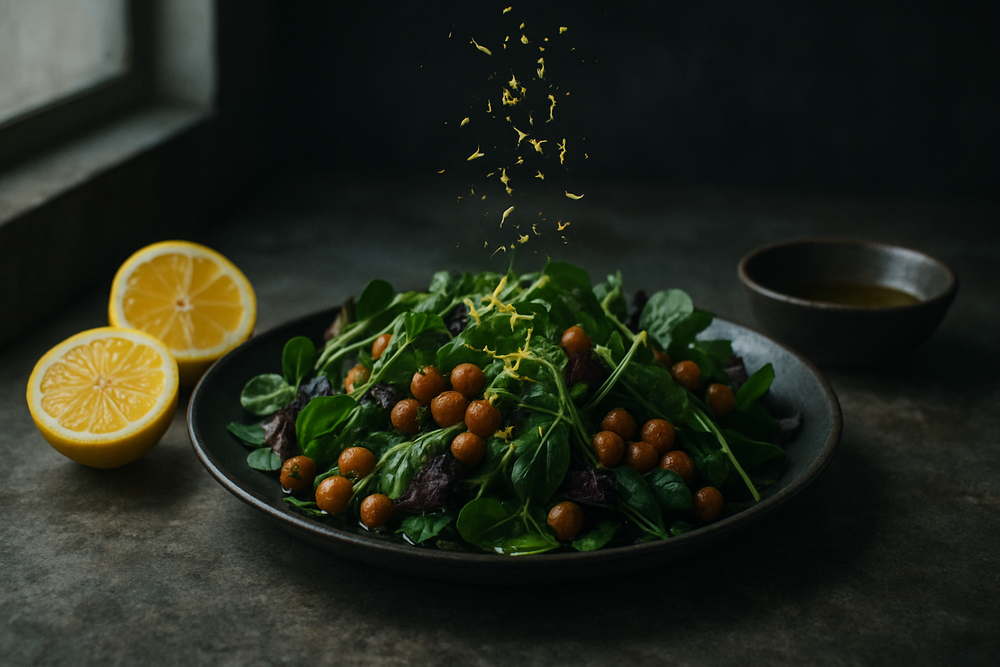
Prep Ideas
- — **Meyer lemon + olive oil + garlic (vinaigrette or marinade):** The fat in olive oil helps fat-soluble polyphenols absorb better and carries the aromatic terpenes from the zest. A classic pairing for dressings, grain bowls, and roasted vegetables — and a practical way to reduce sodium-heavy sauces.
- — **Meyer lemon + leafy greens + iron-rich legumes (salad):** The vitamin C in Meyer lemon juice squeezed over a spinach and lentil salad meaningfully boosts the absorption of non-heme iron from both the greens and the legumes — a well-documented nutritional synergy for plant-based eaters.
- — **Meyer lemon + turmeric + ginger (sauce, soup, or warm drink):** All three are sources of anti-inflammatory plant compounds. The citrus acidity brightens bitter flavors and helps activate the aromatic compounds in ginger. Together they make a flavorful base that is supported by broad dietary research on anti-inflammatory eating patterns.
Glossary
Shop This Ingredient
Stock your pantry with quality meyer lemon.
Buy on AmazonAs an Amazon Associate, Plantopedia earns from qualifying purchases. This costs you nothing extra and helps us keep the encyclopedia free.
Frequently Asked Questions
Heart and circulation Research on citrus fruits and juices — particularly flavanone-rich orange and mixed citrus juices — shows modest improvements in endothelial function (how well blood vessel walls relax and contract), small reductions in blood pressure, and lower markers of oxidative stress in adults with cardiovascular risk factors. Meyer lemons contain comparable vitamin C and flavanones, so regular use in a fruit-rich diet is plausibly supportive of cardiovascular health. Potassium, present in small but consistent amounts, contributes to fluid balance and healthy blood pressure. It's not a high-dose source, but it adds up across a varied fruit and vegetable diet. Evidence is based on citrus broadly — no randomized controlled trials have isolated Meyer lemon specifically. Digestive health and microbiome Meyer lemons provide modest dietary fiber (about 2.8 g per 100 g when the peel is included) and organic acids that may support gastric motility — the natural movement of food through the digestive tract. Bitter and aromatic compounds in citrus peels have traditionally been used to stimulate digestion, and some human studies with citrus peel preparations have explored mild digestive complaints. That said, Meyer-lemon-specific digestive trials do not yet exist. The evidence here is largely mechanistic and experiential rather than from controlled human studies. For gut health more broadly, fiber from whole fruit feeds beneficial gut bacteria. Using whole Meyer lemons — peel and all — in cooking is a practical way to get more fiber than juice alone would provide. Blood sugar and metabolism Meyer lemons are very low in total sugars (roughly 2–2.5 g per 100 g) and have minimal direct impact on blood glucose, particularly when consumed as zest or a modest amount of juice in a mixed meal. Some human trials with citrus polyphenol extracts have shown modest improvements in postprandial (after-meal) blood glucose and insulin sensitivity, attributed to flavanones and fiber slowing sugar absorption. These studies use mixed citrus rather than Meyer lemon, so the findings are suggestive rather than definitive for this fruit. Using Meyer lemon juice or zest as a flavor base in dressings and sauces is a practical way to add brightness to meals without added sugar — a meaningful indirect metabolic benefit. Inflammation and recovery Vitamin C is one of the more thoroughly studied dietary antioxidants. Human observational studies consistently link higher vitamin C intake from fruits and vegetables with lower markers of oxidative stress and certain inflammatory markers. One medium Meyer lemon can deliver 40–53 mg of vitamin C, contributing meaningfully toward the recommended daily intake of 75–90 mg for adults. Flavanones in the peel add additional antioxidant activity. Animal and cell studies show anti-inflammatory effects; human data from citrus juice trials support reduced oxidative stress biomarkers in at-risk groups. Evidence is moderate for vitamin C's role and emerging for Meyer lemon's peel compounds specifically. Skin and collagen support Vitamin C is essential for collagen synthesis — the process by which the body builds and maintains the structural protein that keeps skin firm, joints cushioned, and wounds healing. While no Meyer-lemon-specific skin trials exist, the connection between dietary vitamin C and skin health is one of the more robust links in nutritional dermatology. Getting vitamin C from food sources like Meyer lemons, rather than supplements, also delivers co-occurring plant compounds that may act synergistically.
The form you use matters more than it might seem: Whole fruit (flesh + peel): The gold standard nutritionally. You get fiber, vitamin C, flavanones, aromatic oils, and phenolic acids together. Slicing thin rounds into salads or braises, or using finely grated zest, are the easiest whole-fruit approaches. Fresh juice: Delivers vitamin C and organic acids well but loses most of the peel's flavanones and essentially all the fiber. Still a healthy choice, especially compared to sugary drinks. Zest (grated or finely sliced peel): Ounce for ounce, zest is the most concentrated source of flavanones, aromatic terpenes, and essential oils. A teaspoon of zest adds almost no calories but meaningful phytochemical content. Always wash the fruit thoroughly before zesting, since the peel is the outermost surface. Preserved or candied Meyer lemon: These add strong flavor but can significantly increase sodium (salt-preserved) or added sugar (candied), which offsets the cardiometabolic benefits of the raw fruit. Use in small amounts as a condiment. Dried peel or powder: Concentrates flavor and some polyphenols but lacks standardized nutrition data specific to Meyer lemon. Fine for culinary use; not a reliable supplement source. Bottom line on form: Using fresh whole Meyer lemons — flesh, juice, and zest together — gives you the broadest nutritional profile. If you only use the juice, you're leaving the most nutrient-dense part on the cutting board.
There is no established clinical dosage for Meyer lemons as a therapeutic food — they are a culinary ingredient, not a supplement. General dietary guidance from organizations like the USDA and MyPlate recommends 1.5–2 cups of fruit per day for most adults, with citrus counted toward that total. Practically, most people use Meyer lemons in amounts that range from a teaspoon of zest to the juice of 1–2 whole fruits per day, depending on the recipe. This range: Contributes 40–100 mg of vitamin C, covering roughly half to all of a typical adult's daily requirement Adds 1–3 g of fiber if whole fruit or zest is used Is well within safe culinary use for the vast majority of healthy adults Start with what you enjoy. The best "dose" is the amount that makes your food taste better and that you'll actually use consistently. If you're new to citrus zest in cooking, start with half a teaspoon in a dressing or grain dish and scale up as you get comfortable. If you have GERD, kidney disease, or iron overload conditions, check with your healthcare provider about the appropriate amount for your situation.
The home cook looking to reduce added sugar and sodium Meyer lemon's natural sweetness and aromatic zest reduce the need for added sugar in desserts like curds and cakes. A squeeze of fresh juice brightens dressings and sauces without reaching for salt. The edible peel adds complexity to savory dishes, making lower-sodium cooking more satisfying. The plant-based eater focused on iron absorption and immune support Vitamin C from Meyer lemon juice paired with iron-rich plant foods (legumes, dark leafy greens, tofu) is one of the most evidence-supported nutritional strategies for improving non-heme iron absorption. Regular citrus intake aligns with dietary guidelines emphasizing fruit variety for immune function and antioxidant support. The thin, edible peel makes it easier to use the whole fruit, maximizing fiber and phytochemical intake with no waste.
Quick Answers
Common questions, answered in a line.
Meyer lemons contain vitamin C, fiber, and specific antioxidants called flavanones like hesperidin and naringin. These compounds, particularly when found in the peel and pulp, are linked to improved blood vessel function and lower markers of oxidative stress.
You can eat the skin of a Meyer lemon because it is thinner and sweeter than traditional lemons, containing concentrated antioxidants and essential oils. Scrubbing the peel under cold running water first is recommended to reduce surface residues before zesting or slicing.
Squeezing Meyer lemon juice over plant-based foods like spinach or lentils significantly boosts the absorption of non-heme iron. This nutritional synergy is particularly beneficial for those following a whole food plant-based diet to maximize iron intake from greens and legumes.
Meyer lemons are generally safe to eat with medications as they are not known to inhibit the CYP3A4 liver enzyme, unlike grapefruit. There are no documented specific prescription-drug interactions for Meyer lemon when it is consumed in normal culinary amounts.
People with GERD or acid reflux should be cautious because the acidity in the juice can trigger symptoms, even though it is milder than standard lemons. Additionally, those with citrus allergies or individuals on potassium-restricted diets for kidney disease should monitor their intake.
Meyer lemons support digestive health through their dietary fiber content, which promotes regularity and can help moderate blood sugar responses after meals. The fruit's fiber is primarily located in the pulp and the edible peel.
To protect your teeth from the citric acid in Meyer lemons, rinse your mouth with water after consumption and consider using a straw for lemon-based beverages. Frequent exposure to undiluted juice can lead to the erosion of tooth enamel over time.
For Readers in the USA
Local context — sourcing, seasonality, and regional notes.
The primary Meyer lemon season in the U.S. runs from December through May, with peak harvests occurring in late winter. While California and Florida growers provide the bulk of the domestic supply, you may find them year-round in specialty stores due to varied microclimates.
Meyer lemons are widely available at major U.S. retailers like Whole Foods, Trader Joe’s, and Costco, as well as seasonal farmers markets in USDA zones 8-11. Because they are more delicate than standard lemons, they are often sold in bags or protective clamshells to prevent bruising.
Since the thin, porous peel of the Meyer lemon is often consumed, looking for the USDA Organic seal ensures the fruit was grown without synthetic pesticides or fertilizers. If organic isn't available, the FDA recommends thoroughly scrubbing the rind under running water to reduce surface residues before zesting.
While primarily grown in California and Florida, Meyer lemons are popular across the U.S. as "patio trees" because they are more cold-tolerant than other citrus and thrive in containers. They are a staple in California coastal cuisine, often used in salads and desserts where their lower acidity replaces standard lemons.
AI Clinical Review
- Clearly distinguishes Meyer lemons from standard lemons and focuses on practical, whole-fruit use (flesh, juice, and zest) to capture fiber and flavanones.
- Accurately frames vitamin C as the best-substantiated benefit (about 40–53 mg per 100 g), supporting immune function and collagen formation.
- Appropriately notes that citrus flavanones (e.g., hesperidin, eriocitrin) have been linked to vascular benefits in human studies of citrus juices, making cardiometabolic support plausible.
- Offers useful culinary strategies (zest, pairings with iron-rich plants) that are consistent with evidence on non‑heme iron absorption and healthier seasoning patterns.
- Most health claims are extrapolated from broader citrus research; there are few, if any, randomized trials isolating Meyer lemons specifically.
- Anti-inflammatory and antimicrobial actions of peel oils and limonoids are largely from cell and animal data; human outcomes remain limited.
- Digestive and microbiome effects are plausible (fiber, bitter compounds) but not well tested in Meyer‑lemon–specific human studies.
- Metabolic benefits seen with citrus polyphenol extracts may not translate directly to typical culinary amounts of Meyer lemon.
- Typical culinary use (for example, zest plus the juice of 1–2 fruits per day) is a reasonable range for most adults; whole‑fruit use provides more fiber and polyphenols than juice alone, while preserved or candied forms add sodium or sugar.
- GERD or sensitive teeth: citrus acidity can aggravate symptoms; using zest within meals and rinsing the mouth with water after acidic beverages can help reduce enamel exposure.
- Special populations: consider total potassium in advanced kidney disease; those with iron overload (e.g., hemochromatosis) should note vitamin C can enhance iron absorption; citrus allergy or oral‑allergy symptoms warrant caution.
- Drug interactions and pregnancy: unlike grapefruit, Meyer lemon is not known to meaningfully inhibit CYP3A4 at dietary intakes; normal culinary use is considered safe in pregnancy.
Acidic; wash well as the thin edible peel is often used.
References
- USDA FoodData Central — citrus fruit reference data (fdc.nal.usda.gov)
- MyPlate fruits food group guidance — USDA dietary guidelines (myplate.gov)
- Dhuique-Mayer et al. (2024), Journal of Food Science — overview of citrus nutritional quality and health benefits (peer-reviewed review) (agritrop.cirad.fr)
- Meyer lemon nutrition facts per 100 g — DietCompass (dietcompass.org)
- Meyer lemon product nutrition information — Sunkist (sunkist.com)
- Health benefits of Meyer lemons — Wellwisp (wellwisp.com)
- Meyer lemon plant overview and nutritional data — Gardenia.net (gardenia.net)
- What's in season: Meyer lemons — HealthWorks Fitness (healthworksfitness.com)
- General information: Meyer lemon customer info sheet — Freshpro (freshpro.co.nz)
Know Your Numbers
Eating healthy is a start. Now get to know your biomarkers.
Food changes bloodwork — inflammation, lipids, blood sugar and nutrient status all respond to what you eat. 59 markers from $59.
- Results in 7–10 days at 2,000+ Quest sites
- Licensed provider reviews every result
- One flat price, no membership, HSA/FSA eligible
Educational information only, not medical advice. Panels are ordered and reviewed through our licensed partner; Plantopedia may earn a commission.