Nance — health benefits and uses
A Central American fruit eaten fresh, brined, or fermented.
The Short Answer
Nance is a small tropical fruit prized for its high vitamin C content and fiber. It has a unique, pungent aroma and a sweet-tart flavor often compared to mild cheese or fermented fruit.
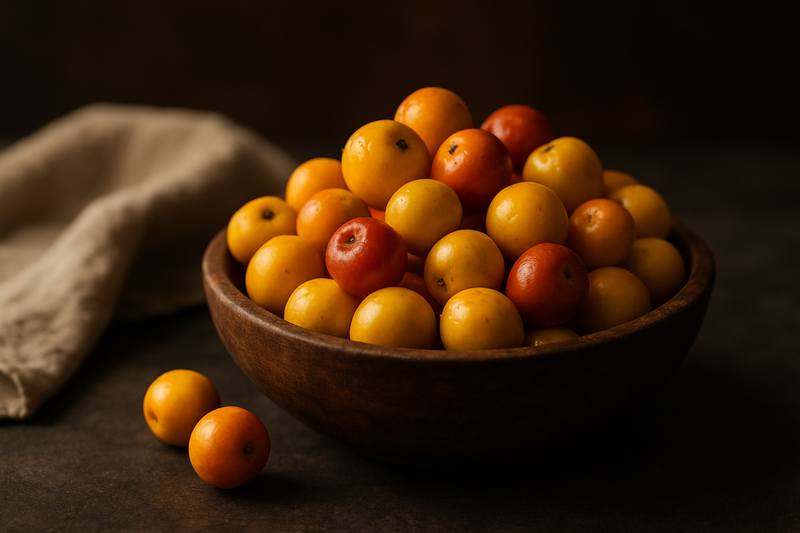
Nance · Photograph
Discover nance fruit health benefits and nutrition facts, from its impressive vitamin C content and fiber to its antioxidant properties. Learn how to eat this pungent Latin American tropical fruit, which forms are best, and what the science actually says.
Key Nutrients
% Daily Value based on 2,000 cal diet
Key active compounds and phytochemicals
- Ascorbic acid (vitamin C): A water-soluble vitamin and potent antioxidant — meaning it neutralizes unstable molecules called free radicals that can damage cells. The primary driver of nance's antioxidant score.
- Phenolic compounds (flavonoids and tannins): A broad family of plant chemicals with one or more phenol (ring-shaped carbon) groups. Laboratory work on murici shows some of the highest phenolic content recorded among Amazonian fruits, associated with strong free-radical scavenging.
- Carotenoids — lutein and zeaxanthin: Yellow-orange pigments that accumulate in the retina (the light-sensing layer at the back of the eye) and help filter harmful blue light. Nance is relatively rich in these compared with many common fruits.
- Tocopherols (vitamin E compounds): Fat-soluble antioxidants that stabilize cell membranes and work synergistically with vitamin C.
- Dietary fiber (soluble and insoluble): Non-digestible plant carbohydrates that bulk stool, feed beneficial gut bacteria (a process called fermentation), and slow the release of sugar into the bloodstream.
Prep and pairing ideas
Agua fresca (simplest form) Blend 1 cup frozen nance with 3 cups cold water, a squeeze of lime, and a pinch of salt. Strain lightly if preferred, or drink it pulp-forward for more fiber. Sweeten minimally with a small amount of honey or leave unsweetened.
Nance-lime smoothie Blend ½ cup frozen nance with ½ banana, ½ cup unsweetened coconut milk, juice of ½ lime, and a handful of spinach. The banana softens the pungent edge; the lime amplifies the vitamin C hit.
Nance compote over oatmeal or yogurt Simmer ½ cup pitted nance with a splash of water and a pinch of cinnamon for 8–10 minutes until jammy. Spoon over oatmeal or plain yogurt for a fiber-plus-probiotic morning combination.
Common pairings and why they work
- Nance + lime: Citric acid brightens nance's fatty-funky notes and adds another hit of vitamin C. A classic Latin American combination in aguas and paletas.
- Nance + banana or mango: Sweeter, creamy fruits calm nance's pungency and round out the texture in smoothies or sorbets — helpful for first-timers adjusting to the aroma.
- Nance + chili and salt (chamoy-style): In Mexican and Central American street food tradition, the sweet-sour fruit is balanced by heat and salinity, turning the aroma into a complex, savory-sweet flavor experience.
Bottom line
Nance is a genuinely nutritious tropical fruit that earns its place in a food-as-medicine pantry. Its vitamin C content rivals citrus, its fiber rivals many better-known fruits, and its carotenoid and phenolic profile adds real antioxidant value — even if the direct human evidence is still catching up to what lab studies suggest. Its biggest obstacles are availability outside Latin America and the aroma barrier for newcomers. If you can find fresh or frozen nance, it is a low-calorie, fiber-dense, vitamin C-rich whole food that fits naturally into any fruit-forward eating pattern. Always discard the seed, start with modest portions, and enjoy it the way it has been enjoyed for generations — in a cold agua fresca, a vibrant sorbet, or a spoonful of sweet-sharp preserve.
How Nance Compares
| Compared with | What's different |
|---|---|
| Nance vs. Acerola Cherry | Nance is smaller, yellow, and has a pungent, cheesy aroma compared to the tart red cherry. |
| Nance vs. Loquat | Nance has a unique oily-soap texture and savory notes, whereas loquat is floral and sweet. |
Health Benefits
Things to Know
Seed safety: The single hard seed in each nance is inedible. It poses a choking hazard, especially for children. Always remove before serving to kids or blending.
Strong aroma: Fully ripe nance smells distinctly cheesy and fermented. This is normal. If the smell is overwhelming to you, try it slightly less ripe or blended with other fruit.
GI adjustment: Starting with large portions can cause gas, bloating, or loose stools if you are not used to high-fiber fruit. Start with ¼ cup and build up over a week or two.
Warfarin and vitamin K: Nance contributes modest vitamin K (~5% DV per serving). If you take warfarin or other vitamin K–antagonist anticoagulants (blood thinners that work by blocking vitamin K), keep your overall fruit and vegetable intake consistent rather than drastically changing it. Talk to your pharmacist if unsure.
Kidney disease: If you are on a potassium-restricted diet due to kidney disease, factor nance's potassium content (~140 mg per serving) into your daily limit and check with your healthcare team.
Pregnancy: Nance as a whole food is generally considered safe during pregnancy when hygienically prepared. Concentrated murici extracts or supplements have not been tested in pregnant people — avoid them.
Oral medications: Very high fiber intake can slow absorption of some medications taken close to mealtimes. This is a general fiber consideration, not a nance-specific interaction. Space supplements or medications from large fiber-heavy meals if your pharmacist has flagged this.
Allergy: Rare, but if you have known reactions to other tropical fruits, introduce nance cautiously.
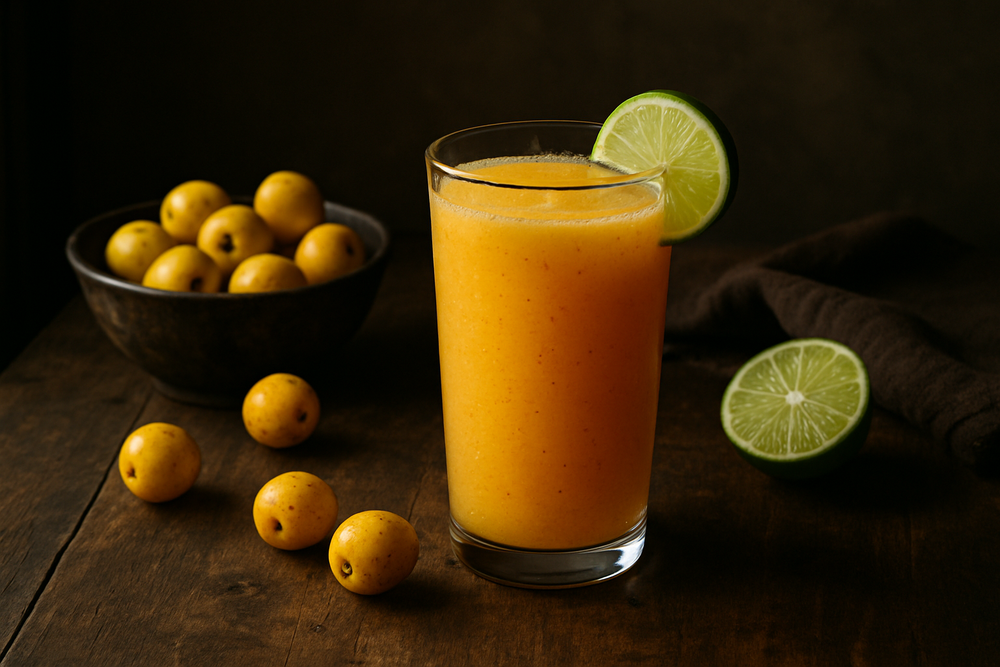
Prep Ideas
- — Nance + lime: Citric acid brightens nance's fatty-funky notes and adds another hit of vitamin C. A classic Latin American combination in aguas and paletas.
- — Nance + banana or mango: Sweeter, creamy fruits calm nance's pungency and round out the texture in smoothies or sorbets — helpful for first-timers adjusting to the aroma.
- — Nance + chili and salt (chamoy-style): In Mexican and Central American street food tradition, the sweet-sour fruit is balanced by heat and salinity, turning the aroma into a complex, savory-sweet flavor experience.
Glossary
Shop This Ingredient
Stock your pantry with quality nance.
Buy on AmazonAs an Amazon Associate, Plantopedia earns from qualifying purchases. This costs you nothing extra and helps us keep the encyclopedia free.
Frequently Asked Questions
Most health benefits attributed to nance are well-supported at the nutrient level and by general fruit research, with a few promising but early-stage findings from lab studies on murici extracts. Here is what the evidence actually shows. Heart and circulation Nance contains the trio most associated with cardiovascular (heart and blood vessel) support in population studies: dietary fiber, vitamin C, and potassium. Fiber helps reduce LDL cholesterol (sometimes called "bad" cholesterol) by binding bile acids in the gut. Potassium supports healthy blood pressure by counteracting the effects of sodium. Vitamin C and phenolic compounds may help protect LDL particles from oxidative damage, a key step in the development of atherosclerosis (plaque build-up in arteries). Importantly, no randomized controlled trial has tested nance fruit directly for heart outcomes. Two laboratory studies on murici extracts found strong antioxidant activity and protection of human red blood cells (erythrocytes) against oxidative damage — a promising mechanistic signal, but not the same as evidence that eating nance lowers your risk of heart attack. Think of nance as a smart addition to a heart-supportive eating pattern, not a targeted treatment. Digestive health and microbiome This is where nance's case is most straightforward. With 4 g of fiber per half-cup, it delivers meaningful roughage that supports bowel regularity and stool bulk — the biological basis for traditional recommendations to eat fiber for constipation. The soluble fraction of nance's fiber may also act as a prebiotic, meaning it feeds the beneficial bacteria that live in your colon (collectively called the gut microbiome). A well-fed microbiome is linked in broader research to better digestion, immune balance, and even mood. If you are new to high-fiber fruits or are increasing intake quickly, start with a small portion (a quarter-cup) and build up, as too much fiber too fast can cause gas and bloating — especially for people with irritable bowel syndrome (IBS). Blood sugar and metabolism Nance is not a low-carbohydrate food, but the combination of fiber and relatively modest natural sugars means it has a more gradual impact on blood glucose (blood sugar) than refined sweets or lower-fiber fruits. A half-cup contains about 9.5 g of total carbohydrates, of which 4 g are fiber that does not raise blood sugar. That leaves roughly 5.5 g of net digestible carbohydrate — a reasonable inclusion for most people managing their carbohydrate intake. No study has directly measured nance's glycemic index (a score that ranks how fast a food raises blood sugar), so these claims are inferred from fiber content and general fruit research rather than nance-specific data. People with diabetes can likely enjoy nance in typical serving sizes; tracking your own glucose response is always wise when introducing any new fruit. Inflammation and recovery Chronic low-grade inflammation (the body's immune system staying slightly activated over time, which contributes to many long-term diseases) is an area where antioxidant-rich foods show theoretical promise. Nance's vitamin C, vitamin E, and phenolic compounds all have demonstrated free-radical scavenging ability — the capacity to neutralize the unstable molecules that drive oxidative stress, a key trigger for inflammation. Two peer-reviewed studies on murici specifically found high phenolic content and effective neutralization of reactive oxygen and nitrogen species (chemically reactive molecules that damage cells). These are cell-level and extract-level experiments, not human dietary trials, so "anti-inflammatory" is a direction of effect rather than a confirmed outcome from eating the fruit. Eye health Lutein and zeaxanthin in nance accumulate in the macula (the central part of the retina responsible for sharp, detailed vision) and act as a natural filter against blue light and oxidative damage. The evidence for lutein and zeaxanthin in reducing risk of age-related macular degeneration (AMD) is among the stronger nutrient-specific findings in ophthalmology research — though that evidence comes from carotenoid research broadly, not from nance-specific trials. With approximately 385–400 mcg of lutein plus zeaxanthin per half-cup, nance contributes meaningfully to daily carotenoid intake.
Fresh whole fruit The gold standard for fiber and vitamin C. Eat the soft pulp around the single hard seed; do not bite into or swallow the seed. Fresh nance is best eaten the same day it reaches peak ripeness, as the aroma and texture deteriorate quickly. Frozen pitted fruit The most practical option outside of Latin America and the Caribbean. Freezing locks in nutrients well — vitamin C and carotenoids are both fairly stable in properly frozen fruit. Look for bags labeled "unsweetened" to avoid hidden added sugar. Aguas frescas and blended drinks A classic use: nance pulp blended with water, strained, and lightly sweetened. You keep most of the vitamin C and carotenoids, though straining removes much of the insoluble fiber. For the most gut benefit, blend without straining. Jams, preserves, and ice cream Heat and added sugar are the two biggest nutritional trade-offs here. Cooking degrades vitamin C significantly (it is heat-sensitive), though carotenoids and some phenolics survive better. These are wonderful cultural foods to enjoy, but not the most nutrient-efficient delivery vehicle. Check labels for added sugar content. Fermented or alcoholic beverages Some regions produce nance-based liqueurs and fermented drinks. Any potential fruit benefits are offset by the alcohol content; these should be considered separately from the fruit itself.
The fiber-seeking whole-food eater Already eats a variety of fruit but wants to boost daily fiber without a supplement Looking for variety beyond apples, bananas, and berries Comfortable sourcing frozen tropical fruit from Latin American grocery stores or specialty markets The Latin American food explorer or heritage cook Wants to reconnect with or explore traditional Central and South American flavors Interested in authentic agua fresca or paleta (Mexican popsicle) recipes that go beyond the usual fruits Values whole, minimally processed ingredients with cultural significance
There is no official recommended dose for nance specifically — it is a whole food, not a supplement. The USDA MyPlate guidelines recommend 1.5 to 2 cups of fruit daily for most adults, and nance counts toward that total. A practical starting range is ½ cup (about 56 g) to 1 cup (about 112 g) of pitted nance per day, worked into your overall fruit intake rather than added on top of it. At one cup, you are getting roughly 22% of your daily fiber goal and well over 100% of the daily vitamin C target — well above what you need from a single source, though excess vitamin C from whole food is excreted rather than stored. People with GI sensitivities should start at ¼ cup and increase gradually. There is no documented toxicity from eating typical culinary amounts of nance pulp. If you are eating it primarily in sweetened forms (ice cream, jarred preserves), added sugar is the bigger variable to watch, not the fruit itself.
Quick Answers
Common questions, answered in a line.
Nance is a tropical fruit with a distinct aroma that is often described as cheesy and fermented. This pungent scent is normal for fully ripe fruit, though newcomers can blend it with sweet fruits like banana or mango to help soften the smell.
Nance is an excellent source of vitamin C, fiber, and antioxidant compounds like phenolics and carotenoids. It is particularly rich in lutein and zeaxanthin, which help protect eye health by filtering harmful blue light.
You can eat nance fresh, blended into an agua fresca, or simmered into a jammy compote to top oatmeal and yogurt. Because of its pungent flavor, it is traditionally paired with lime, chili, or creamy fruits to balance its savory-sweet profile.
No, you should never eat the nance seed because it is a hard, inedible pit that poses a choking hazard. Always remove the single seed before serving the fruit to children or using it in blended recipes like smoothies.
Nance is rich in dietary fiber, which promotes digestive health by bulking stool and feeding beneficial gut bacteria. However, because it is so high in fiber, eating large portions too quickly may cause temporary gas, bloating, or loose stools.
If you have kidney disease, you should consult your doctor before eating nance because it contains roughly 140 mg of potassium per serving. People on blood thinners like warfarin should also be mindful of its vitamin K content and keep their intake consistent.
Nance is a low-calorie, fiber-dense fruit that helps slow the release of sugar into the bloodstream. Its high fiber content also promotes a feeling of fullness, making it a useful addition to a weight-management or blood-sugar-conscious diet.
For Readers in the USA
Local context — sourcing, seasonality, and regional notes.
In the United States, you can typically find nance fruit in the frozen section or jarred in syrup at Hispanic grocery chains like Northgate Market, Sedano's, or Fiesta Mart. Fresh nance is much rarer but occasionally appears in specialty tropical markets in South Florida or Southern California.
In the U.S., nance is primarily grown in tropical climates like South Florida, Puerto Rico, and Hawaii, where it typically fruits between late spring and early autumn. Because it is highly perishable, most consumers across the rest of the country rely on imported frozen or preserved versions available year-round.
When buying jarred nance in U.S. stores, check the label for added sugars, as the FDA requires these to be listed separately under the Nutrition Facts panel. For the highest health benefits, look for frozen whole fruit or those packed in water rather than heavy syrup to avoid excessive calorie intake.
Nance is deeply integrated into Central American and Mexican-American culinary traditions, often sold by street vendors as "nance en dulce" or used in frozen paletas and refrescos. It is a nostalgic staple in these communities, frequently served during festive occasions or as a chilled summer treat.
AI Clinical Review
- Clearly distinguishes between nutrient-based benefits and the limited human research on nance, setting realistic expectations.
- Provides practical nutrition figures (fiber, vitamin C, potassium) and explains how these relate to heart, gut, and eye health in plain language.
- Offers useful guidance on forms and preparation (fresh vs. frozen, blending vs. cooking) and how those affect fiber and vitamin C.
- Highlights key safety points, especially the inedible seed and starting slowly for those sensitive to fiber.
- Most health claims rely on general fruit/fiber research and in‑vitro (lab) studies of murici extracts; there are no randomized human trials of nance itself for specific outcomes.
- Glycemic impact is inferred from fiber and total carbs; nance’s glycemic index hasn’t been directly measured.
- Reported lutein/zeaxanthin and phenolic levels likely vary by cultivar, ripeness, and processing; standardized compositional data are limited.
- Microbiome benefits are plausible via fiber, but nance-specific prebiotic effects have not been characterized.
- Safety: discard the hard seed (choking risk). Introduce gradually if you have a sensitive gut; rare fruit allergies are possible.
- Practical intake: 1/2–1 cup pitted per day fits most adults’ fruit goals; those prone to GI symptoms may start around 1/4 cup and titrate up.
- Interactions and conditions: modest vitamin K content—people on warfarin should keep overall intake consistent; consider the ~140 mg potassium/serving if you have kidney disease; very high fiber near medication time can affect absorption.
- Form matters: frozen unsweetened nance generally preserves vitamin C and carotenoids; cooking and straining reduce vitamin C and fiber; sweetened preserves and ice creams add sugars; avoid concentrated murici extracts in pregnancy due to limited data.
Strong cheesy-fermented aroma when ripe; the single seed is inedible.
References
- USDA FoodData Central — Nance, frozen, unsweetened (nutrition data): (fdc.nal.usda.gov)
- USDA MyPlate — Fruits guidance (dietary framework): (myplate.gov)
- Healthline — Nance Fruit: Nutrition, Benefits, and Precautions (overview article): (healthline.com)
- WebMD — Health Benefits of Nance Fruit (safety and health overview): (webmd.com)
- PubMed — Antioxidant activity, phytochemical composition, and antitumor capacity of Amazonian fruits taperebá and murici (Byrsonima crassifolia) — peer-reviewed study, 2025: (pubmed.ncbi.nlm.nih.gov)
- ScienceDirect — Byrsonima crassifolia effectively scavenges reactive oxygen and nitrogen species and protects human erythrocytes against oxidative damage — laboratory study: (sciencedirect.com)
- Fruitspedia — Nance: Central American Fruit, Vitamin A, Vitamin C, Antioxidants (nutrient profile): (fruitspedia.com)
- Foodstruct — Nance fruit nutrition: calories, carbs, GI, protein, fiber, fats (composition data): (foodstruct.com)
- Tua Saúde — Nance Fruit: Benefits, Nutrition Facts & Recipes (culinary and nutrition overview): (tuasaude.com)
Know Your Numbers
Eating healthy is a start. Now get to know your biomarkers.
Food changes bloodwork — inflammation, lipids, blood sugar and nutrient status all respond to what you eat. 59 markers from $59.
- Results in 7–10 days at 2,000+ Quest sites
- Licensed provider reviews every result
- One flat price, no membership, HSA/FSA eligible
Educational information only, not medical advice. Panels are ordered and reviewed through our licensed partner; Plantopedia may earn a commission.