Pasta is often misunderstood in modern nutrition. We break down the clinical evidence for whole grain and fortified varieties, their impact
Plant-based energy base; pair with legumes/vegetables for a complete meal
The Short Answer
Pasta is a nutrient-dense carbohydrate providing 8g of protein and 42% of the daily value for folate per cooked cup. It supports heart health and energy metabolism, especially when paired with vegetables and healthy fats in a Mediterranean-style diet.
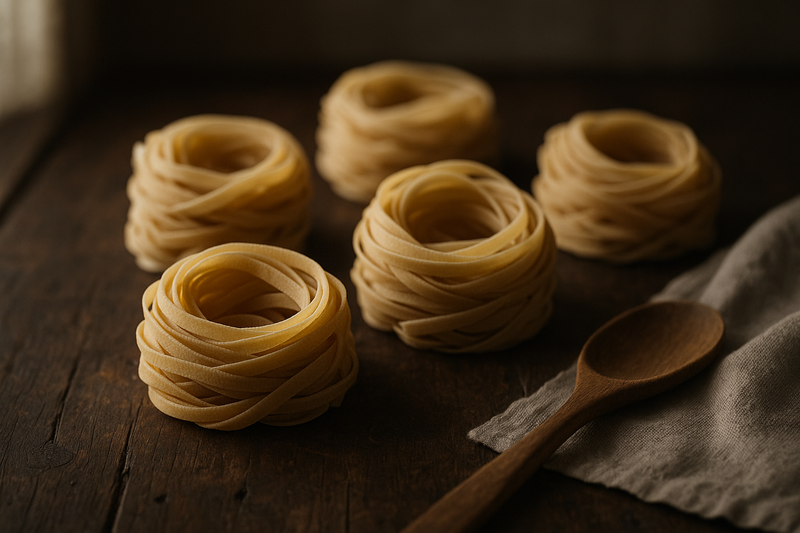
Pasta · Photograph
Contrary to the "low-carb" trend, pasta is associated with improved diet quality. It serves as an accessible source of essential nutrients like folate, which is critical for DNA synthesis, and iron for oxygen transport. When integrated into a Mediterranean-style eating pattern, pasta supports heart health and longevity without the high saturated fat levels found in many other convenience foods.
Key Nutrients
% Daily Value based on 2,000 cal diet
Key Takeaways
- 1. Pasta consumers often show higher overall diet quality and better micronutrient intake than non-pasta eaters.
- 2. Whole-grain pasta provides up to 11g of fiber per serving, compared to only 2.9g in refined versions.
- 3. Traditional pasta has a moderate glycemic index; al dente preparation and resistant starch varieties further stabilize blood sugar.
- 4. Enriched refined pasta is a significant source of folic acid (folate) and iron in many diets.
- 5. A standard serving is 2 Oz dry (approx. 1 cup cooked); managing portions is essential for metabolic health.
Why Pasta Health Benefits Matter
Contrary to the "low-carb" trend, pasta is associated with improved diet quality. It serves as an accessible source of essential nutrients like folate, which is critical for DNA synthesis, and iron for oxygen transport. When integrated into a Mediterranean-style eating pattern, pasta supports heart health and longevity without the high saturated fat levels found in many other convenience foods.
Key Active Compounds in Pasta
- B Vitamins: Including thiamin, riboflavin, and niacin for energy metabolism.
- Folic Acid: Added to enriched varieties; vital for cell division and pregnancy health.
- Selenium: A powerful antioxidant mineral that supports thyroid function.
- Resistant Starch: Found in functional varieties; it escapes small intestine digestion to feed gut bacteria.
- Lutein & Zeaxanthin: Carotenoids found in egg-based or vegetable-fortified pastas that support eye health.
Prep and Pairing Ideas
- Fiber Boost: Toss pasta with at least two cups of non-starchy vegetables (spinach, broccoli, zucchini).
- Healthy Fats: Use extra virgin olive oil or walnut oil as a base instead of heavy cream or butter.
- Iron Absorption: Pair wheat pasta with a Vitamin C source, like a tomato-based sauce, to help your body absorb the iron.
Myths vs. Facts
- Myth: Pasta is "empty calories." Fact: Enriched pasta provides more B vitamins and iron than many other common starches.
- Myth: You must avoid pasta to lose weight. Fact: Studies show that moderate pasta intake within a balanced diet is not associated with weight gain.
Conclusion
Pasta can be a valuable component of a healthy diet when chosen thoughtfully. Whole-grain varieties offer superior nutrition, with higher fiber and mineral content, while enriched pasta provides essential B vitamins and iron. Modern fortified options show promise for blood sugar management and antioxidant benefits.
The key to maximizing pasta health benefits lies in portion control, choosing nutrient-dense varieties, and pairing pasta with vegetables and lean proteins. Research consistently shows that pasta consumers have better overall diet quality, suggesting that this versatile food can support rather than hinder healthy eating patterns.
How Pasta Compares
| Compared with | What's different |
|---|---|
| Pasta vs. White Rice | Lower in fiber and B vitamins but typically contains more protein per serving. |
| Pasta vs. Whole Wheat Pasta | Contains significantly more fiber (usually 6-7g per cup) and a lower glycemic index. |
| Pasta vs. Potato | Has a similar calorie count but offers more potassium and less folate than enriched pasta. |
Health Benefits
Things to Know
Gluten Sensitivity: Standard pasta contains gluten. Those with Celiac disease must choose certified gluten-free (corn, rice, or legume) options.
The Cooking Method: Overcooking pasta increases its glycemic index. Always aim for al dente.
Portion Awareness: Restaurant portions are often 3-4 times the recommended serving size.
The "Pairing" Rule: Always pair pasta with a protein and a healthy fat to further slow glucose absorption.

Common Uses
- —Provides complex carbohydrates for athletes and active individuals.
- —Acts as a base for high-fiber vegetables, lean proteins, and heart-healthy fats like olive oil.
- —When cooked "al dente," it offers slower glucose release than many other refined grains.
- —Legume-based varieties (chickpea, lentil) serve as a high-protein alternative to wheat.
Best Forms
The gold standard for fiber and mineral density.
Best for those needing higher protein and lower net carbohydrates.
Traditional pasta cooked "to the tooth" maintains a lower glycemic index than overcooked pasta.
A reliable choice for meeting folic acid and iron requirements, provided fiber is added via vegetable pairings.
Prep Ideas
- — Fiber Boost: Toss pasta with at least two cups of non-starchy vegetables (spinach, broccoli, zucchini).
- — Healthy Fats: Use extra virgin olive oil or walnut oil as a base instead of heavy cream or butter.
- — Iron Absorption: Pair wheat pasta with a Vitamin C source, like a tomato-based sauce, to help your body absorb the iron.
Glossary
Shop This Ingredient
Stock your pantry with quality pasta.
Buy on AmazonAs an Amazon Associate, Plantopedia earns from qualifying purchases. This costs you nothing extra and helps us keep the encyclopedia free.
Frequently Asked Questions
Pasta is a healthy addition to a regular diet when you manage portion sizes and focus on nutrient-dense varieties. Research indicates that pasta eaters often have higher diet quality scores because they typically pair the grain with vegetables and lean proteins, leading to a more balanced intake of essential micronutrients.
Whole-grain pasta is superior in fiber, providing roughly 11 grams per serving compared to the 3 grams in white pasta. It also contains higher levels of magnesium and selenium. However, white pasta is often enriched with extra folic acid and iron, making it a significant source of these specific nutrients.
Most healthy adults find that one to two servings of two ounces of dry pasta fit well within a balanced meal plan. It is vital to prioritize portion control, as restaurant servings are often huge. Combining your pasta with plenty of fiber-rich vegetables and lean protein ensures a more balanced nutritional profile.
Traditional pasta has a surprisingly moderate glycemic index, especially when cooked al dente. Newer varieties made from legumes or fortified with resistant starch are even better for glucose management, as they slow down carbohydrate digestion. Choosing these options helps prevent the sharp blood sugar spikes often associated with other refined starches.
Whole-grain pasta supports digestive health by providing significant prebiotic fiber that feeds beneficial gut bacteria and promotes regularity. Some functional pasta types also contain resistant starch, which further enhances gut health. Conversely, refined white pasta offers minimal digestive benefits because the grain's fiber-rich outer layers are removed.
Quick Answers
Common questions, answered in a line.
Pasta provides several essential B vitamins, specifically thiamin, riboflavin, and niacin, which are necessary for energy metabolism. Enriched varieties also contain folic acid, which is vital for cell division, DNA synthesis, and pregnancy health.
Pairing pasta with Vitamin C sources, such as a tomato-based sauce, helps your body better absorb the iron found in the grain. This is a simple way to maximize the nutritional value of wheat-based pastas.
A "fiber boost" for pasta involves tossing it with at least two cups of non-starchy vegetables like spinach, broccoli, or zucchini. This increases the nutrient density of the meal while adding essential fiber.
Cooking pasta "al dente" provides a lower glycemic index and slower glucose release compared to overcooking it. Maintaining a firmer texture during the cooking process helps manage how quickly the body processes the carbohydrates.
Selenium is a powerful antioxidant mineral found in pasta that supports healthy thyroid function. This mineral is one of the key active compounds that contributes to the food's nutritional profile.
Standard pasta is not gluten-free; however, those with Celiac disease can choose certified gluten-free options made from corn, rice, or legumes. Legume-based varieties like chickpea or lentil also serve as high-protein alternatives.
Moderate pasta intake within a balanced diet is not associated with weight gain, according to research studies. The key is practicing portion awareness, as restaurant servings are often three to four times larger than the recommended size.
For Readers in the USA
Local context — sourcing, seasonality, and regional notes.
In the United States, enriched pastas are legally required by the FDA to be fortified with folic acid, iron, thiamin, riboflavin, and niacin. This federal mandate was established in 1998 to help prevent neural tube defects and address common micronutrient deficiencies in the American population.
Most dried pasta sold in US grocery stores is made from durum wheat grown in the Northern Plains, specifically North Dakota and Montana. This region's climate is ideal for producing high-protein semolina, though some artisan brands also source heritage grains from California or Arizona.
Pasta is a year-round staple available at every major US retailer, from big-box stores like Walmart and Costco to regional grocers like Kroger or Safeway. For seasonal variety, American farmers markets often feature fresh pasta made with local eggs or distinctive regional produce like ramps in the spring or pumpkin in the fall.
For a product to carry the USDA Organic seal, the wheat must be grown without synthetic pesticides or GMOs, and the processing must follow strict federal standards. While both organic and conventional pastas provide similar macronutrients, organic options appeal to US consumers looking to minimize exposure to glyphosates.
AI Clinical Review
- Pasta can fit into a healthy pattern when portions are reasonable, and it's paired with vegetables and lean proteins; whole-grain and legume pastas add more fiber and often more protein than refined versions.
- Enriched wheat pasta does contribute key B vitamins (including folate) and iron, while whole grain options deliver more fiber and minerals—these differences are well established in nutrient databases.
- The piece accurately notes that pasta’s glycemic impact is generally moderate compared with some other starches, and that fiber/resistant starch can help blunt post-meal glucose rises.
- Digestive benefits relate to fiber and resistant starch acting as “prebiotics” (fuel for beneficial gut microbes), especially in whole grain and some functional/legume products.
- Observational studies linking pasta consumption to better diet quality or lower BMI show associations, not cause‑and‑effect; overall eating patterns likely drive these findings.
- Promising data on resistant-starch–enriched and polyphenol-fortified pastas primarily come from lab or short, small human studies; consistent improvements in long-term clinical outcomes remain unproven.
- Effects on homocysteine or inflammation depend on total diet and individual status; the specific contribution of pasta alone is uncertain.
- Glycemic responses vary by cooking style (e.g., al dente vs very soft), portion size, and individual factors; not all products or people will respond the same way.
- Portion and preparation: a standard serving is 2 oz dry (about 1 cup cooked). Restaurant bowls can equal 3–4 servings. Al dente cooking and cooling/reheating can modestly increase resistant starch for some varieties.
- Gluten and GI sensitivity: wheat-based pasta contains gluten and fructans. People with celiac disease or wheat allergy should choose certified gluten-free options; those with IBS may tolerate small portions or alternative pastas differently.
- Blood sugar management: if you have diabetes or prediabetes, start with smaller portions (about 1 cup cooked), choose whole-grain or legume pastas, pair with protein and non-starchy vegetables, and monitor your post-meal glucose.
- Special conditions/meds: Individuals with chronic kidney disease may need to watch phosphorus/potassium in whole-grain or legume pastas. Enriched pasta contributes iron and folic acid but doesn't replace prescribed supplements; if you take levothyroxine or certain antibiotics, separate them from iron supplements (food fortification amounts are usually modest).
For grain products, clarify whole-grain vs refined where relevant.
References
- USDA FoodData Central - Pasta nutritional composition (fdc.nal.usda.gov)
- Pasta consumption linked to greater nutrient intakes and diet quality - PMC (pmc.ncbi.nlm.nih.gov)
- Technological and nutritional properties of fortified pasta - Oxford Academic (academic.oup.com)
- Is Pasta Healthy or Unhealthy? - Healthline (healthline.com)
- NIH National Center for Complementary and Integrative Health - Whole grains (nccih.nih.gov)
- American Heart Association - Whole grains and fiber (heart.org)
- International Journal of Food Science & Technology - Pasta fortification research (onlinelibrary.wiley.com)
Know Your Numbers
Eating healthy is a start. Now get to know your biomarkers.
Food changes bloodwork — inflammation, lipids, blood sugar and nutrient status all respond to what you eat. 59 markers from $59.
- Results in 7–10 days at 2,000+ Quest sites
- Licensed provider reviews every result
- One flat price, no membership, HSA/FSA eligible
Educational information only, not medical advice. Panels are ordered and reviewed through our licensed partner; Plantopedia may earn a commission.