Peruano Beans — health benefits and uses
A mild Latin American bean loved for its creamy, gentle flavor.
The Short Answer
Peruano beans are mild, buttery legumes that provide 16.4g of protein and 18.5g of fiber per cooked cup. Also known as Mayocoba beans, they are prized for their creamy texture and high iron and potassium content.
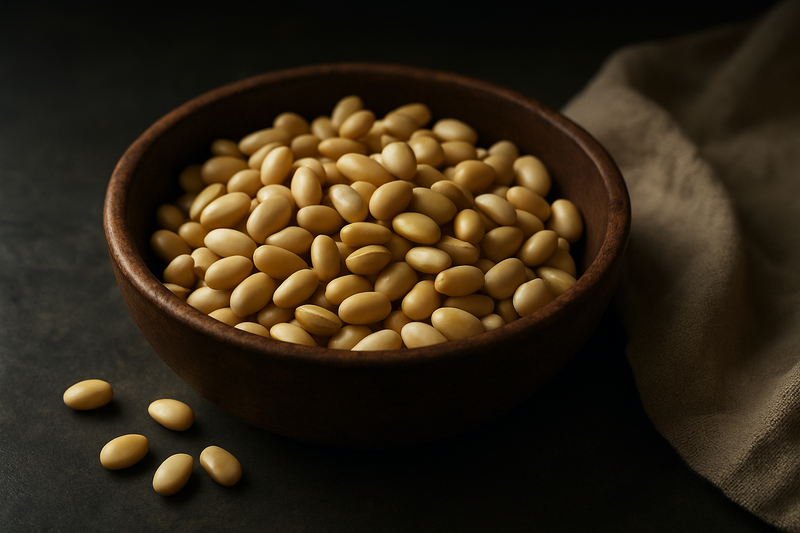
Peruano Beans · Photograph
Discover Peruano beans nutrition and health benefits — from heart-friendly fiber and plant protein to blood sugar support and gut health. Learn how to cook these creamy, pale-yellow beans and who should take extra care.
Key Nutrients
% Daily Value based on 2,000 cal diet
Key active compounds in Peruano beans
- Dietary fiber (soluble and insoluble): Non-digestible carbohydrates from plant cell walls — including pectins, hemicelluloses, and cellulose — that bulk stool, slow glucose absorption, and lower LDL (low-density lipoprotein, the "bad" cholesterol).
- Resistant starch: A starch fraction that passes through the small intestine undigested and is fermented in the colon by gut bacteria into short-chain fatty acids (SCFAs) — molecules that nourish the gut lining and may improve insulin sensitivity (the body's ability to respond to insulin).
- Polyphenols (flavonoids and phenolic acids): Diverse plant compounds with antioxidant and anti-inflammatory signaling properties, concentrated in the seed coat and inner flesh of beans.
- Oligosaccharides (raffinose and stachyose): Short-chain carbohydrates that act as prebiotics (food for beneficial gut bacteria) but can also cause gas in sensitive people — gradual introduction and thorough cooking help.
- Phytates (phytic acid): Phosphorus-containing compounds that have antioxidant properties but can mildly reduce mineral absorption; soaking and cooking reduce phytate levels significantly.
- Saponins: Surface-active plant glycosides that show cholesterol-lowering and potential anti-inflammatory effects in laboratory studies.
Prep and pairing ideas
Classic Mexican-style pot beans: Simmer soaked Peruano beans with half an onion, 2 garlic cloves, and a dried bay leaf. Season with salt only once soft (adding salt too early toughens the skin). The cooking liquid turns a gorgeous golden broth — save it.
Refried Peruano beans: Sauté minced garlic and cumin in a small amount of olive oil, add cooked beans plus a splash of their cooking liquid, and mash to your preferred consistency. Top with pickled jalapeños and fresh cilantro.
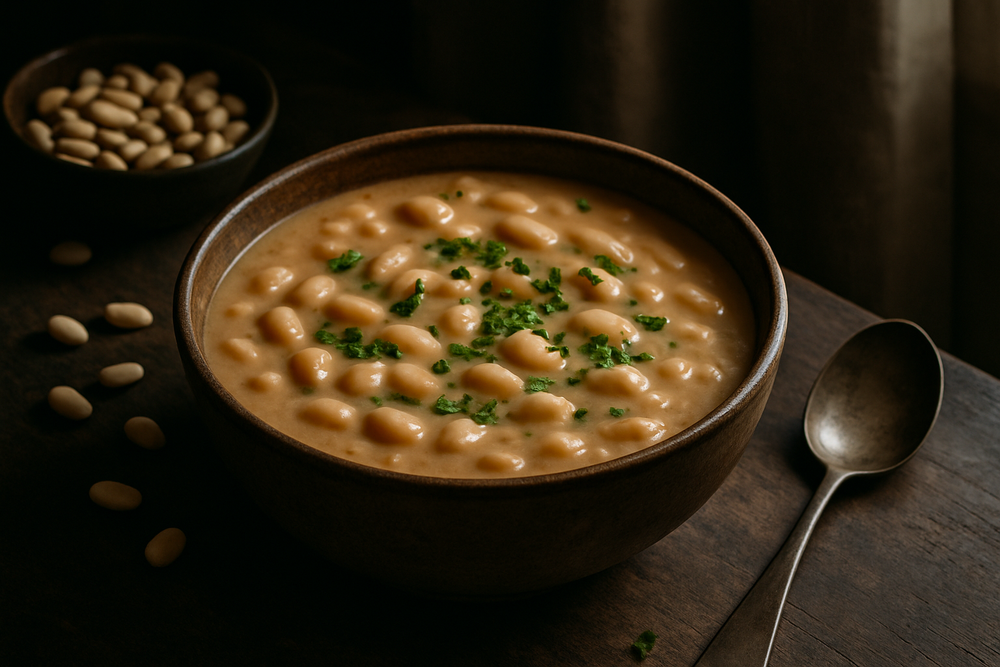
Golden bean soup: Blend half a pot of Peruano beans with vegetable broth, roasted garlic, and smoked paprika for a velvety, protein-rich soup. Leave some beans whole for texture contrast.
Common pairings and why they work:
- Tomatoes or salsa: Vitamin C in tomatoes dramatically improves non-heme iron absorption from the beans — a genuinely functional pairing, not just a flavor one.
- Brown rice or corn tortillas: Beans and grains together supply all nine essential amino acids across the meal, completing the plant-protein profile that neither food covers alone.
- Cumin and garlic: Both add flavor while cumin's volatile oils may also have mild carminative (gas-reducing) properties — a practical bonus when eating a high-fiber meal.
Bottom line
Peruano beans are a nutritionally dense, versatile, and affordable whole-food legume. Their standout combination of plant protein, exceptionally high fiber, resistant starch, iron, potassium, and folate makes them one of the more compelling staple foods you can add to a balanced diet. The evidence base — while mostly from common beans broadly rather than Peruano specifically — consistently points toward benefit for heart health, blood sugar management, digestive health, and weight regulation when beans replace less nutritious carbohydrate sources.
Their mildly buttery flavor and silky cooked texture make them unusually easy to enjoy, particularly in refried bean preparations where other varieties might feel too grainy. As with all dry beans, thorough cooking is non-negotiable. For most healthy adults, building Peruano beans into your weekly routine is a low-risk, high-reward dietary move.
How Peruano Beans Compares
| Compared with | What's different |
|---|---|
| Peruano Beans vs. Pinto Beans | Peruano beans are creamier and softer, whereas Pintos have a grainier texture and earthier taste. |
| Peruano Beans vs. Navy Beans | Peruanos are more buttery and hold their shape better in stews compared to the starchy Navy bean. |
Health Benefits
Things to Know
Always cook thoroughly.: Raw or undercooked dry beans contain lectins (proteins that can damage the gut lining and cause severe nausea or vomiting). Full boiling — not slow-cooker on low from raw — is essential.
Introduce gradually.: If beans are new to your diet, start with ¼ cup and increase slowly over 2–3 weeks to reduce gas and bloating.
Kidney disease: Peruano beans are high in potassium (581 mg per cup) and phosphorus (328 mg per cup). People with chronic kidney disease or on potassium-restricted diets should consult a renal dietitian before adding large amounts.
IBS and low-FODMAP diets: Bean oligosaccharides are high-FODMAP (a type of fermentable carbohydrate) and may trigger symptoms in people with irritable bowel syndrome. Small portions — sometimes as little as ¼ cup of canned, drained, rinsed beans — may be better tolerated.
Legume allergy: People with known allergies to legumes (peanuts, soybeans, lentils) should discuss Peruano beans with an allergist, as cross-reactivity is possible.
Diabetes medications: Meaningfully increasing bean intake can improve glycemic control, which is generally positive — but if you take insulin or oral hypoglycemic drugs, monitor your blood sugar and inform your care team.
Blood pressure or potassium-sparing medications: ACE inhibitors, ARBs, and certain diuretics combined with high potassium foods may require monitoring in people with impaired kidney function.
Pregnancy: Peruano beans are a valuable folate source (important for neural tube development), but pregnant individuals should ensure all beans are thoroughly cooked and continue taking prescribed prenatal supplements.
Sodium restriction: Prefer home-cooked dry beans; if using canned, drain and rinse, and choose low-sodium varieties.
Prep Ideas
- — **Tomatoes or salsa:** Vitamin C in tomatoes dramatically improves non-heme iron absorption from the beans — a genuinely functional pairing, not just a flavor one.
- — **Brown rice or corn tortillas:** Beans and grains together supply all nine essential amino acids across the meal, completing the plant-protein profile that neither food covers alone.
- — **Cumin and garlic:** Both add flavor while cumin's volatile oils may also have mild carminative (gas-reducing) properties — a practical bonus when eating a high-fiber meal.
Glossary
Shop This Ingredient
Stock your pantry with quality peruano beans.
Buy on AmazonAs an Amazon Associate, Plantopedia earns from qualifying purchases. This costs you nothing extra and helps us keep the encyclopedia free.
Frequently Asked Questions
Heart and circulation Research on dry common beans (Phaseolus vulgaris) — the same species as Peruano — consistently shows associations with better cardiovascular markers. Cohort studies and clinical trials suggest that replacing refined starches with dry beans can lower LDL cholesterol, improve blood pressure, and reduce overall cardiovascular risk markers. The mechanisms are well supported: soluble fiber binds bile acids (cholesterol-carrying compounds) and removes them from the body; potassium counteracts some sodium-related blood pressure effects; and the naturally low saturated fat content keeps the cardiovascular equation favorable. It is worth being clear: most of this evidence comes from studies using mixed bean varieties (black, pinto, navy, kidney). Peruano beans share essentially the same nutrient architecture, so the benefits are reasonably extrapolated — but specific Peruano bean trials in humans are limited. Digestive health and microbiome This is probably the strongest area of evidence for legumes broadly. High-fiber diets are consistently associated with improved stool regularity, reduced constipation risk, and a healthier gut microbiome (the community of microorganisms living in your digestive tract). Peruano beans contribute both soluble fiber and resistant starch, which are fermented in the colon to produce SCFAs like butyrate — a key energy source for colon cells that may help maintain gut barrier integrity. The trade-off is that oligosaccharides in beans can cause gas or bloating, especially when beans are a new addition to your diet. Starting with a smaller portion (¼ cup), soaking dried beans overnight and discarding the soak water, cooking until very soft, and building up slowly over two to three weeks tends to improve tolerance considerably. Blood sugar and metabolism Peruano beans have a low glycemic index — a measure of how quickly a food raises blood sugar compared with pure glucose. Their combination of high fiber, resistant starch, and protein slows carbohydrate digestion and blunts the blood sugar "spike" after eating. Human studies with dry common beans show improved postprandial (after-meal) glycemic response and, in longer-term studies, better overall blood sugar control when beans replace higher-glycemic foods like white rice or bread. For people managing type 2 diabetes, beans are generally considered a favorable carbohydrate source — but because they can meaningfully affect blood sugar readings, anyone on insulin or oral diabetes medications should monitor glucose levels when substantially increasing bean intake and discuss changes with their care team. Inflammation and recovery Peruano beans contain polyphenols and other phytochemicals that demonstrate antioxidant and anti-inflammatory activity in laboratory and animal studies. Limited human data from observational research suggest that bean-rich dietary patterns are associated with lower levels of inflammatory markers like C-reactive protein (CRP) — a blood marker linked to chronic inflammation. However, Peruano-specific evidence here is indirect and emerging; this area should be viewed as promising but not yet conclusive. Weight management and satiety In population studies, higher legume intake is associated with lower body weight, better satiety (feeling full), and improved overall diet quality. The mechanism is fairly intuitive: 16 g of protein and 18 g of fiber in a single cup of beans delivers substantial staying power at a modest calorie cost. When Peruano beans replace higher-calorie, lower-fiber foods — refined grains, fatty meats, processed snacks — total calorie intake often decreases naturally without deliberate restriction.
The plant-based eater looking for complete nutrition A reliable source of plant protein (16 g per cup) at an affordable price point Significant iron and calcium to address common nutrient gaps in plant-forward diets Pairs easily with rice, corn tortillas, or grains to provide all essential amino acids across a meal The person managing blood sugar or heart health Low glycemic index food that slows glucose absorption after meals Soluble fiber supports healthy LDL cholesterol levels Naturally low in sodium and saturated fat, fitting most cardiometabolic dietary guidelines
Dried whole beans (the gold standard) Dried Peruano beans give you the most control. Soak overnight (or for at least 6 hours) in cold water, discard the soak water, then simmer in fresh water for 1.5 to 2.5 hours until completely soft. This form best preserves fiber, resistant starch, and phytochemicals, and lets you control sodium entirely. Canned cooked Peruano beans Canned versions (look for "Peruano," "Canary," or "Peruvian beans" on the label) offer weeknight convenience with comparable protein and fiber. The main downside is sodium — a single serving from a standard can may contain 300–400 mg of sodium. Draining and rinsing canned beans removes approximately 30–40% of that sodium. Look for "low sodium" or "no salt added" varieties if sodium is a concern. Cooked and mashed (refried-style) This is where Peruano beans truly shine. Their naturally creamy starch breaks down into a smooth, cohesive mash with minimal added fat — far lower in saturated fat than traditional lard-based refried beans. A modest drizzle of olive oil, some sautéed garlic and cumin, and you have a genuinely satisfying whole-food version. Soups, stews, and grain bowls Whole cooked Peruano beans hold together well enough in soups and stews while lending a silky body to the broth as they slowly break down. They work especially well in vegetable-based soups and alongside whole grains like farro or brown rice.
Most major dietary guidelines suggest eating legumes 3–5 times per week, with a typical serving of ½ to 1 cup of cooked beans. A 2020 review in Nutrients noted that studies showing meaningful cardiometabolic benefit generally used ½–1 cup of cooked beans daily or near-daily as part of a balanced diet. Practical starting point: New to beans: Start with ¼ cup (about half a small bowl) 2–3 times per week, cooked very soft. Regular eater: ½ to 1 cup, 4–7 times per week is consistent with patterns associated with health benefits in observational studies. No firm upper limit is established for healthy adults, but very large amounts (several cups daily) combined with an otherwise low-fiber diet can cause significant GI discomfort; gradual adjustment is key. There is no established therapeutic dose for Peruano beans specifically. The guidance above reflects general legume research. If you are managing a specific condition, work with a registered dietitian for personalized guidance. Looking for ways to build Peruano beans into a broader eating pattern? Browse our plant-based health goals guide for meal ideas organized around specific health targets.
Quick Answers
Common questions, answered in a line.
Peruano beans are rich in dietary fiber, plant protein, resistant starch, iron, potassium, and folate. These nutrients work together to support heart health, manage blood sugar levels, and nourish beneficial gut bacteria.
Yes, Peruano beans are excellent for digestion because they provide both soluble and insoluble fiber along with resistant starch and prebiotic oligosaccharides. These compounds bulk the stool and are fermented by gut bacteria into short-chain fatty acids that nourish the gut lining.
To cook Peruano beans, simmer soaked beans with onion and garlic until soft, adding salt only at the end to avoid toughening the skins. The beans have a buttery flavor and silky texture, making them ideal for Mexican-style pot beans, creamy soups, or refried bean dishes.
Pairing Peruano beans with vitamin C-rich foods like tomatoes or salsa dramatically improves the absorption of the beans' non-heme iron. Additionally, eating them with brown rice or corn tortillas ensures you receive all nine essential amino acids for a complete plant protein.
You should avoid eating raw or undercooked Peruano beans because they contain lectins, which are proteins that can cause severe nausea, vomiting, and damage to the gut lining. Always ensure they are fully boiled and avoid using a slow cooker on a low setting when starting from raw.
People with chronic kidney disease should consult a professional before eating Peruano beans because they are high in potassium and phosphorus. Additionally, those with IBS or legume allergies should exercise caution due to high-FODMAP content and potential cross-reactivity.
To reduce gas from Peruano beans, introduce them into your diet gradually, starting with just a quarter cup and increasing slowly over several weeks. Thoroughly soaking and cooking the beans also helps break down the oligosaccharides that typically cause bloating.
For Readers in the USA
Local context — sourcing, seasonality, and regional notes.
You can find Peruano beans at major US retailers like Walmart, Kroger, and H-E-B, or at local Mexican grocery stores (carnicerias) where they are often labeled as "Mayocoba" or "Canario" beans. They are widely available in the Southwest and West Coast, while shoppers in other regions may find them in the international aisle or via online specialty food distributors.
In the US, Peruano beans are most commonly grown in Idaho and the Pacific Northwest, with the harvest typically occurring in late summer to early fall. While they are a warm-season crop, you can find high-quality dried Peruano beans year-round at US farmers markets and grocery stores due to their excellent shelf stability.
While Peruano beans are the same species as pinto beans, they are prized in American-Mexican cuisine for their thinner skins and creamier, buttery texture that doesn't become grainy when mashed. They are often preferred over pinto beans for making high-end refried beans or bean dips because they hold a pale yellow color and a milder, less earthy flavor.
Yes, several US-based brands offer USDA Certified Organic Peruano (or Mayocoba) beans, ensuring they are grown without synthetic pesticides or GMOs. When shopping in the US, look for the green and white USDA Organic seal on the packaging to verify that the beans meet federal organic production standards.
AI Clinical Review
- Strong nutrition overview: a cooked cup of Peruano (canary/mayocoba) beans provides high fiber and meaningful plant protein with very little fat, aligning with USDA data.
- Clear, practical guidance on cooking thoroughly to inactivate lectins and on reducing canned-bean sodium by draining and rinsing (with low-sodium options noted).
- Health effects are framed within the broader evidence for common beans: benefits for LDL cholesterol, blood pressure, glycemic control, and gut health via soluble fiber and resistant starch are well supported.
- Helpful use tips (refried-style, soups, pairings with vitamin C–rich foods) that reflect known strategies for improving non‑heme iron absorption and satiety.
- Most human data come from mixed common bean studies; Peruano-specific trials are limited. Texture and flavor differences don’t necessarily translate to distinct health outcomes.
- Anti-inflammatory and polyphenol claims are biologically plausible, but robust randomized trials showing clinically meaningful reductions in markers like CRP are still sparse.
- Glycemic impact varies with portion size, preparation (degree of softness, added fats), and meal context; resistant starch content can change with cooking/cooling, so individual responses may differ.
- Typical beneficial intakes in studies range from about ½ to 1 cup cooked most days; if you’re new to beans, increase gradually (starting near ¼ cup) to minimize gas and bloating.
- People with chronic kidney disease or on potassium/phosphorus-restricted plans should individualize portions and review with a renal dietitian.
- If you use insulin or other glucose‑lowering medications, monitor readings when you increase bean intake and discuss any needed dose adjustments with your care team.
- IBS or legume intolerance: smaller portions, well‑cooked beans, and canned/rinsed varieties are often better tolerated; avoid undercooked beans and do not slow‑cook dry beans on low without first boiling to neutralize lectins.
Cook thoroughly before eating.
References
- USDA FoodData Central — Yellow Canary/Peruvian (Peruano) Beans, cooked, nutrition data (fdc.nal.usda.gov)
- Harvard T.H. Chan School of Public Health Nutrition Source — Legumes and Pulses overview (nutritionsource.hsph.harvard.edu)
- Polyphenol-Rich Dry Common Beans (Phaseolus vulgaris L.) and Human Health — Nutrients 2017 review covering cardiometabolic and chronic disease outcomes from common bean intake (pmc.ncbi.nlm.nih.gov)
- SciELO Mexico — Physicochemical properties and nutritional quality of Peruano and other common bean varieties (scielo.org.mx)
- MyFoodData (USDA-derived) — Yellow Canary or Peruvian Beans, dry cooked, per-serving nutrient breakdown (tools.myfooddata.com)
- WellWisp — What Is Peruano Beans? Nutritional profile per 100 g including potassium, calcium, and mineral data (wellwisp.com)
- NutriNeat — Nutrition facts of Peruano beans, macro and micronutrient overview (nutrineat.com)
- YourHealthRemedy — Peruano beans: nutrition facts, health benefits, side effects, and safety (yourhealthremedy.com)
- Summeryule — Peruvian beans recipe with full nutrition breakdown per serving (summeryule.com)
Know Your Numbers
Eating healthy is a start. Now get to know your biomarkers.
Food changes bloodwork — inflammation, lipids, blood sugar and nutrient status all respond to what you eat. 59 markers from $59.
- Results in 7–10 days at 2,000+ Quest sites
- Licensed provider reviews every result
- One flat price, no membership, HSA/FSA eligible
Educational information only, not medical advice. Panels are ordered and reviewed through our licensed partner; Plantopedia may earn a commission.