Rattlesnake Beans — health benefits and uses
A Southwestern heirloom favored by dry-land gardeners.
The Short Answer
Rattlesnake beans are high-protein heirloom legumes that offer 20g of protein and 15g of fiber per cooked cup. They are known for their sweet, earthy flavor and distinctive purple-streaked pods that disappear when cooked.
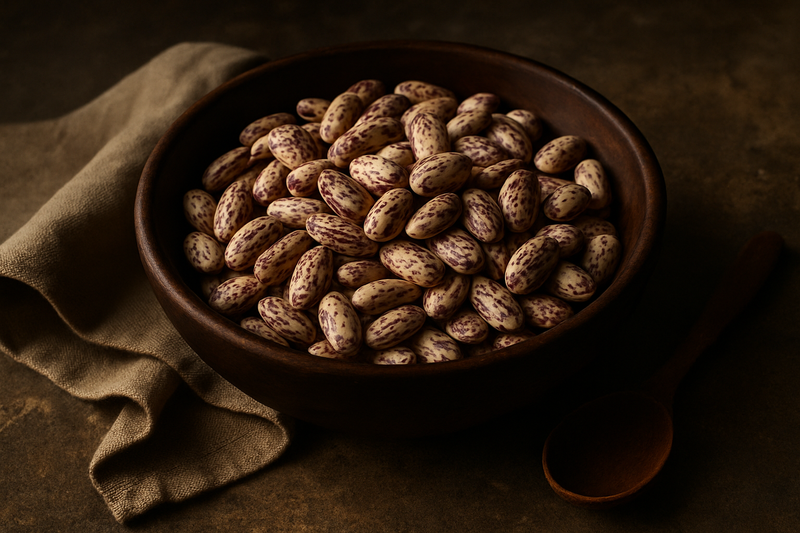
Rattlesnake Beans · Photograph
Discover rattlesnake beans nutrition and health benefits — from heart health and blood sugar support to gut-friendly fiber and plant protein. Learn how to cook this pinto-type heirloom bean safely and fit it into your everyday diet.
Key Nutrients
% Daily Value based on 2,000 cal diet
Key active compounds in rattlesnake beans
- Resistant starch — A fraction of starch that bypasses digestion in the small intestine and is fermented by beneficial bacteria in the large intestine (colon). Acts as a prebiotic, supporting gut microbiota diversity and the production of short-chain fatty acids (SCFAs), which may improve insulin sensitivity and gut lining integrity.
- Oligosaccharides (raffinose, stachyose) — Short-chain carbohydrates naturally present in beans that the human body cannot fully digest. They feed beneficial gut bacteria but are also responsible for the gas and bloating some people experience when they add beans too quickly.
- Polyphenols — Plant-derived antioxidant compounds including flavonoids and phenolic acids. May help reduce oxidative stress (cellular damage from unstable molecules) and support anti-inflammatory pathways.
- Phytates (phytic acid) — Phosphorus storage compounds found in all seeds. Can modestly reduce mineral absorption but also have antioxidant properties. Soaking and cooking significantly reduce phytate levels.
- Unsaturated fatty acids — Small amounts of linoleic (omega-6) and oleic (omega-9) acids contribute to a favorable fat profile and can support heart health when they replace saturated fat in the diet.
- Lectins — Proteins found in raw beans that can cause significant gastrointestinal toxicity. These are effectively neutralized by thorough cooking (boiling). This is the core reason dry beans must never be eaten raw.
Prep and pairing ideas
Rattlesnake beans' rich, earthy flavor makes them naturally versatile. Here are three practical pairings backed by culinary and nutritional logic:
1. Rattlesnake beans + tomatoes + chili peppers (classic chili) Tomatoes provide vitamin C, which significantly boosts non-heme iron absorption from the beans. The acid in tomatoes also brightens the earthy bean flavor. A slow-simmered chili using rattlesnake beans with diced tomatoes, cumin, garlic, and chipotle peppers is one of the most nutritionally complete one-pot meals possible.
2. Rattlesnake beans + dark leafy greens (kale, collards, or chard) Pairing beans with greens doubles down on folate, iron, and magnesium. The beans provide staying power (protein + fiber) while the greens add vitamins K, A, and C. A simple bean and greens braise with olive oil and garlic works as a side or a main.
3. Rattlesnake beans + brown rice or whole grain corn tortillas Combining legumes with whole grains creates a complementary amino acid profile — meaning together they provide a broader spectrum of essential amino acids than either food alone. This is the foundation of traditional bean dishes across Latin American, African, and South Asian cuisines. Brown rice or corn tortillas also add resistant starch, extending the digestive and blood sugar benefits.
Cooking tips for better digestibility:
- Discard soaking water and cook in fresh water.
- A small piece of kombu seaweed added to the cooking pot contains enzymes that may help break down gas-producing oligosaccharides.
- Avoid adding salt until beans are fully cooked — salt early in cooking can toughen the skin and extend cooking time.
- Store leftover cooked beans in the refrigerator for up to 5 days, or freeze in portions for up to 3 months.
Bottom line
Rattlesnake beans are a nutritionally dense, affordable, and genuinely delicious heirloom legume. Their fiber, resistant starch, plant protein, and folate content are backed by a robust evidence base (from legume studies broadly) that spans digestive health, cardiometabolic markers, and blood sugar regulation. They fit naturally into whole-food, plant-based eating — and into any diet that emphasizes real, minimally processed food.
The main practical rules: cook them thoroughly (always), introduce them gradually (for digestive comfort), and aim for 3–4 servings per week as a meaningful, evidence-grounded target. People managing diabetes, kidney disease, or hypertension should involve their healthcare provider when significantly increasing legume intake.
For a distinctive, history-rich bean that performs as well as it looks in the garden, rattlesnake beans are worth making a regular part of your plate.
Looking to build meals around specific health goals? Explore our ingredient-to-goal guides at Plantopedia to see how rattlesnake beans fit into patterns for heart health, blood sugar balance, and more.
How Rattlesnake Beans Compares
| Compared with | What's different |
|---|---|
| Rattlesnake Beans vs. Pinto Beans | Rattlesnake beans have a creamier texture and richer flavor than standard pintos. |
| Rattlesnake Beans vs. Black Beans | Rattlesnake beans are sweeter and denser, whereas black beans are earthier and smaller. |
Health Benefits
Things to Know
Must be thoroughly cooked.: Raw or undercooked dry beans contain lectins that are toxic — always soak and boil until fully soft.
Introduce slowly.: Adding large amounts of beans suddenly can cause significant gas and bloating. Start with ¼ cup cooked servings and increase over 2–3 weeks to allow your gut microbiome to adapt.
Medication interactions:
Glucose-lowering medications (insulin, metformin, etc.): A legume-rich diet may improve glycemic control and could require a medication dose review to avoid low blood sugar (hypoglycemia).
Antihypertensives (blood pressure medications): Legumes may modestly lower blood pressure; combined effects with medication could be additive.
Iron supplements: Phytates in beans can modestly reduce non-heme iron absorption. Taking iron supplements a few hours away from a large bean meal and pairing beans with vitamin C–rich foods can help.
Any medication with a narrow absorption window: Space doses away from large high-fiber meals.
Kidney disease: Rattlesnake beans are relatively high in potassium and phosphorus. People with advanced chronic kidney disease (CKD) managing these minerals should consult a dietitian before increasing legume intake.
IBS and gut disorders: People with irritable bowel syndrome (IBS), especially those following a low-FODMAP diet (which restricts certain fermentable carbohydrates), may need to limit bean portions. Smaller servings and careful preparation often help.
Post-surgical or low-residue diets: Those on temporarily low-fiber diets should follow medical guidance before reintroducing high-fiber foods like beans.
Pregnancy: The high folate content makes beans an excellent pregnancy food, but always confirm dietary changes with a midwife or obstetrician.
Not a concern specific to rattlesnake beans: There are no known adverse interactions with hormones or hormone-sensitive conditions from this food.
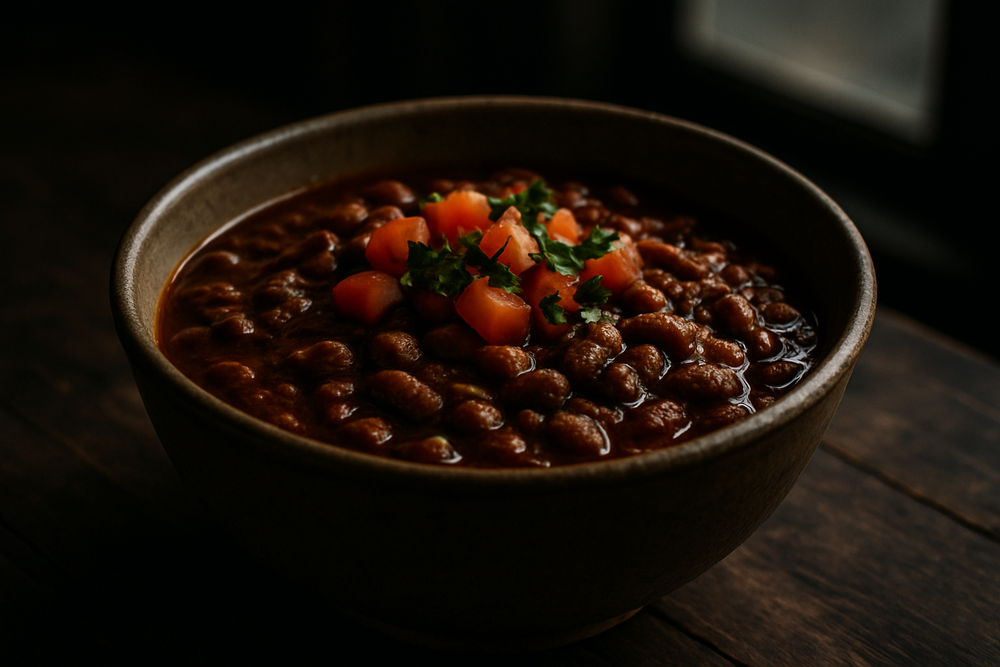
Prep Ideas
- — Discard soaking water and cook in fresh water.
- — A small piece of kombu seaweed added to the cooking pot contains enzymes that may help break down gas-producing oligosaccharides.
- — Avoid adding salt until beans are fully cooked — salt early in cooking can toughen the skin and extend cooking time.
- — Store leftover cooked beans in the refrigerator for up to 5 days, or freeze in portions for up to 3 months.
Glossary
Shop This Ingredient
Stock your pantry with quality rattlesnake beans.
Buy on AmazonAs an Amazon Associate, Plantopedia earns from qualifying purchases. This costs you nothing extra and helps us keep the encyclopedia free.
Frequently Asked Questions
The research below applies to legumes and pinto-type beans broadly, since no clinical trials have studied rattlesnake beans specifically. The evidence is still relevant and meaningful given how nutritionally similar this variety is. Heart and circulation Prospective cohort (long-term observational) research published in JAMA Internal Medicine found that adults eating four or more servings of legumes per week had approximately 22% lower risk of coronary heart disease compared with those eating legumes less than once per week. A separate meta-analysis (a study that pools results from multiple trials) found an inverse relationship between total legume intake and both cardiovascular and coronary heart disease risk. Mechanistically, the soluble fiber in rattlesnake beans may help lower LDL ("bad") cholesterol by binding to bile acids in the digestive tract. The low saturated fat content, potassium supply, and favorable fat profile add further cardiovascular support. A randomized controlled trial (the gold standard for nutrition evidence) in people with type 2 diabetes showed that a legume-enriched, low–glycemic index diet reduced systolic blood pressure and calculated coronary heart disease risk over three months compared with a high wheat-fiber diet. It's worth noting that some systematic reviews rate the heart-specific evidence as moderate rather than strong, partly because many study populations consume very few legumes at baseline, making large contrasts hard to observe. Digestive health and microbiome Rattlesnake beans are one of the richer dietary sources of both soluble and insoluble fiber — two types that serve distinct functions. Insoluble fiber adds bulk to stool and promotes regularity. Soluble fiber forms a gel in the gut that slows digestion, feeds beneficial bacteria, and helps moderate cholesterol and blood sugar levels. The oligosaccharides and resistant starch in beans function as prebiotics — meaning they are food for your gut microbiome (the community of trillions of bacteria living in your intestines). Feeding those bacteria leads to production of SCFAs like butyrate, which supports the health of the colon lining and may reduce inflammation in the gut. The trade-off: that same fermentation process produces gas, which is why new bean eaters often notice bloating. Gradual introduction and proper cooking are the most effective solutions (see prep section below). Blood sugar and metabolism Beans have a notably low glycemic index, meaning they cause a slower, more gradual rise in blood glucose compared with refined carbohydrates like white bread or white rice. This is partly due to their fiber content and partly due to the physical structure of the bean, which slows starch digestion even after cooking. In the JAMA Internal Medicine randomized trial mentioned above, adults with type 2 diabetes following a legume-enriched diet (about 190 g/day of cooked mixed legumes) for three months achieved significantly better HbA1c (a measure of average blood sugar over 2–3 months) compared with the control group. A crossover trial in adults at risk for diabetes found a marginally significant reduction in blood pressure with four legume servings per week, though changes in fasting blood glucose were not statistically significant over the six-week study period. If you take blood sugar medications (insulin or oral agents), speak with your doctor before substantially increasing legume intake, as improved glycemic control may require a medication adjustment. Inflammation and recovery In a randomized trial comparing a calorie-restricted diet with and without regular legume consumption (three servings per week), the legume group saw significant reductions in LDL cholesterol and high-sensitivity C-reactive protein (hs-CRP) — a key blood marker of systemic inflammation. Not all inflammatory markers changed, and some improvement may have been partly driven by weight loss rather than beans alone. The polyphenols in pinto-type beans are thought to play a role in reducing oxidative stress, but this evidence comes mainly from mechanistic studies and smaller human trials. Overall, the anti-inflammatory potential of rattlesnake beans is promising but still emerging — it shouldn't be the sole reason to add them, but it's a genuine bonus.
The budget-conscious plant-based eater Needs high protein and fiber without expensive specialty products Dry rattlesnake beans cost pennies per serving and keep for 1–2 years in a sealed container One pot of beans covers multiple meals, making weekly legume targets easy and affordable The person managing blood sugar or cholesterol Looking for whole foods that support steady energy and favorable lipid levels Rattlesnake beans' low glycemic index and soluble fiber directly address both goals Substantial clinical trial evidence supports legume-enriched diets for cardiometabolic improvement Should coordinate with a healthcare provider if on glucose-lowering or blood pressure medications
Whole dry beans (soaked and boiled) — best for nutrition and flavor This is the form used in most clinical studies. Soaking overnight (or at least 8 hours) and discarding the soaking water before boiling accomplishes two things: it reduces oligosaccharides (less gas), and it shortens cooking time. Boil vigorously for at least 10 minutes before reducing to a simmer — this step is critical for deactivating lectins. Total cook time is typically 60–90 minutes until fully tender. Slow cooker / stovetop pot — the traditional rattlesnake bean method Rattlesnake beans thrive in long, slow, moist heat. Their earthy depth develops beautifully in chili, bean soups, and braised dishes. Always pre-soak and give them a rolling boil before transferring to a slow cooker, as slow cookers alone may not reach the temperatures needed to fully neutralize lectins in the early cooking phase. Canned pinto-type beans — the convenient alternative Canned beans are nutritionally comparable to home-cooked, retaining fiber and protein. Drain and rinse to reduce sodium by roughly 40%. While not rattlesnake-specific, they offer the same nutritional foundation when time is short. Mashed or pureed Cooked rattlesnake beans can be mashed into a rough spread or smooth paste. Still rich in fiber and resistant starch, and often better tolerated by people with sensitive digestion. Important: Never eat rattlesnake beans raw or undercooked. Raw beans contain lectins and other compounds that can cause vomiting, diarrhea, and serious gastrointestinal distress.
There is no single universal dose, but here's what the evidence suggests: 3 to 4 servings per week is the intake range most consistently associated with cardiometabolic benefits in prospective cohort studies. One serving is typically ½ cup cooked beans (approximately 85–100 g). Up to 1 cup (190 g) cooked per day was used in the strongest randomized trial showing improved blood sugar control and reduced coronary heart disease risk in people with type 2 diabetes. This represents a fairly high intake and was part of a structured dietary intervention. Practical starting point: If you're new to beans, 2 servings per week (roughly ½ cup cooked per serving) is a comfortable starting point. This alone puts you above the average intake in most Western populations. Build toward 3–4 servings over 4–6 weeks. There is no established upper limit for healthy adults eating well-cooked beans. Beyond digestive tolerance, very high intakes (multiple cups daily) may contribute to excess caloric intake if not balanced with the rest of the diet. For most people, fitting rattlesnake beans into meals 3–4 times per week — in chili, soups, grain bowls, or as a simple side — captures the bulk of the available evidence-based benefit without overcomplicating things.
Quick Answers
Common questions, answered in a line.
You must cook rattlesnake beans thoroughly because they contain lectins, which are proteins that can cause significant gastrointestinal toxicity if consumed raw. Boiling these dry beans until they are fully soft effectively neutralizes these toxins and makes them safe to eat.
Rattlesnake beans can cause gas and bloating because they contain oligosaccharides like raffinose and stachyose, which are short-chain carbohydrates the human body cannot fully digest. These compounds are fermented by gut bacteria, leading to digestive discomfort if beans are added to the diet too quickly.
To make rattlesnake beans easier to digest, you should discard the soaking water and cook them in fresh water, potentially adding a piece of kombu seaweed to help break down gas-producing sugars. It is also recommended to introduce them gradually, starting with quarter-cup servings.
Rattlesnake beans pair exceptionally well with tomatoes and chili peppers because the vitamin C in tomatoes significantly boosts the absorption of the beans' non-heme iron. They also work well with dark leafy greens or whole grains like brown rice to provide a broader spectrum of essential amino acids.
People with advanced chronic kidney disease (CKD) should consult a dietitian before increasing their intake of rattlesnake beans because they are relatively high in potassium and phosphorus. Those with IBS or those on low-residue diets may also need to limit portions due to high fiber and fermentable carbohydrates.
Rattlesnake beans may help with blood sugar regulation because they contain resistant starch and fiber, which can improve insulin sensitivity and glycemic control. However, individuals on glucose-lowering medications like insulin or metformin should monitor their levels closely as a legume-rich diet may require a medication dose review.
Rattlesnake beans contain resistant starch, oligosaccharides, polyphenols, unsaturated fatty acids, and phytates. These active compounds support various functions ranging from gut microbiota diversity and anti-inflammatory pathways to heart health.
For Readers in the USA
Local context — sourcing, seasonality, and regional notes.
Rattlesnake beans are predominantly grown in the Southern United States and Southwest, thriving in USDA Hardiness Zones 3–9 during the warm summer months. Because they are highly drought-tolerant, they are a staple in home gardens from Texas to the Carolinas, where they can be harvested as snap beans in 60 days or dry beans in 90 days.
You can find rattlesnake beans at local farmers markets, heirloom seed catalogs like Baker Creek, or specialty grocery stores like Whole Foods and local cooperatives. While not as common as pinto beans in major chains like Kroger or Walmart, they are frequently sold as dried heirloom varieties in the "natural foods" section of upscale markets.
In the US, look for the USDA Organic seal to ensure the beans were grown without synthetic pesticides and are non-GMO. While rattlesnake beans are an heirloom variety naturally free of genetic modification, organic certification provides additional third-party verification regarding soil health and chemical use during cultivation.
Also known as Preacher beans or Speckled Pole beans, rattlesnake beans are a quintessential part of Southern Appalachian and Southwestern "three sisters" gardening traditions. In the American South, they are culturally prized for their ability to remain tender even when the pods grow large, often served at family reunions and community potlucks.
AI Clinical Review
- Accurately frames rattlesnake beans as a pinto-type heirloom with a nutrient profile comparable to common pinto beans, emphasizing fiber, plant protein, and folate.
- Summarizes the strongest human evidence on legumes broadly (better lipid profiles, lower cardiometabolic risk, improved glycemic markers in trials using legume‑rich, low‑GI diets) and gives realistic intake ranges (about 3–4 cooked ½‑cup servings per week).
- Stresses essential food safety: dry beans must be thoroughly cooked to neutralize lectins; pre‑boiling before slow‑cooking is sound advice.
- Offers practical digestion strategies (soaking, gradual introduction, rinsing canned beans) that align with clinical experience for reducing gas.
- No clinical trials have tested rattlesnake beans specifically; benefits are inferred from studies on pinto beans and mixed legumes. That extrapolation is reasonable but not direct proof.
- Cardiovascular risk reductions come largely from observational cohorts, which show associations rather than causation; effect sizes vary across meta‑analyses.
- Glycemic impact can differ by preparation (cooking time, additions like fat or acid) and individual response; “low GI” is a trend, not a guarantee for every meal.
- Nutrient numbers—especially folate—vary by cultivar and cooking; the raw ½‑cup dry values are not the same as a typical ½‑cup cooked serving, though cooked beans still contribute meaningfully.
- Practical dose: many people do well with ½ cup cooked per serving, 3–4 times weekly; if you’re sensitive to fiber/FODMAPs, start with ¼ cup and increase over 2–3 weeks.
- Safety: never eat raw or undercooked dry beans; if using a slow cooker, give beans a rolling boil on the stovetop first. Lightly sprouted dry beans should still be fully cooked.
- Medications and conditions: those on glucose‑lowering or blood‑pressure meds should monitor with a clinician when increasing legumes; people with advanced kidney disease may need to manage potassium/phosphorus; IBS/low‑FODMAP eaters may tolerate small portions or well‑rinsed canned beans better.
- Minerals and sodium: phytates can modestly reduce iron absorption—pair beans with vitamin C–rich foods and separate iron supplements by a few hours; choose no‑salt‑added canned beans or rinse well to lower sodium.
Cook thoroughly before eating.
References
- Harvard T.H. Chan – Legumes and Pulses overview (nutritionsource.hsph.harvard.edu)
- USDA FoodData Central – Pinto beans, raw (FDC ID 175199) (getfoodfacts.com)
- USDA FoodData Central – Pinto beans, canned (FDC ID 174286) (batchbase.com.au)
- Randomized controlled trial: legumes in low–GI diet for type 2 diabetes (JAMA Internal Medicine, Jenkins et al.) (jamanetwork.com)
- Randomized trial: legumes in hypocaloric diets and cardiometabolic risk (PubMed) (pubmed.ncbi.nlm.nih.gov)
- Crossover study: legume-enriched diet in adults at risk for diabetes (PubMed) (pubmed.ncbi.nlm.nih.gov)
- Prospective cohort: legume consumption and coronary heart disease risk in US adults (JAMA Internal Medicine) (jamanetwork.com)
- Systematic review and meta-analysis: legume intake and cardiovascular disease risk (PubMed) (pubmed.ncbi.nlm.nih.gov)
- Meta-analysis: legume consumption and all-cause and cardiovascular mortality (Wiley) (onlinelibrary.wiley.com)
- Systematic review: legumes, cardiovascular disease, and type 2 diabetes (PMC) (pmc.ncbi.nlm.nih.gov)
Know Your Numbers
Eating healthy is a start. Now get to know your biomarkers.
Food changes bloodwork — inflammation, lipids, blood sugar and nutrient status all respond to what you eat. 59 markers from $59.
- Results in 7–10 days at 2,000+ Quest sites
- Licensed provider reviews every result
- One flat price, no membership, HSA/FSA eligible
Educational information only, not medical advice. Panels are ordered and reviewed through our licensed partner; Plantopedia may earn a commission.