Phalsa — health benefits and uses
An Ayurvedic cooling fruit used to relieve summer heat and thirst.
The Short Answer
Phalsa is a small, purple South Asian berry prized for its cooling properties and high antioxidant content. It provides 5g of fibre and 25mg of Vitamin C per 100g serving, making it a nutrient-dense choice for hydration and summer wellness.

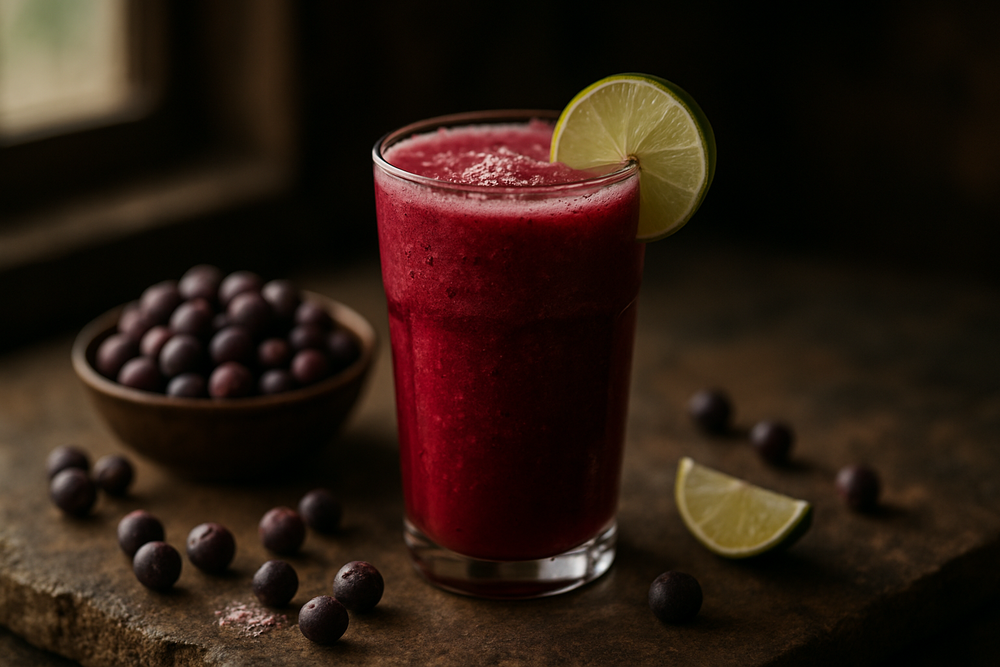
Phalsa · Photograph
Discover phalsa fruit benefits, nutrition facts per 100g, and side effects of this tart Indian sherbet berry. Learn how phalsa juice supports hydration, antioxidant intake, and summer wellness — plus who should take care with it.
Key Nutrients
% Daily Value based on 2,000 cal diet
Key active compounds in phalsa
- Anthocyanins — the pigments that colour phalsa dark purple; a subgroup of flavonoids with strong free-radical scavenging (neutralising unstable molecules that damage cells) activity in lab tests.
- Total polyphenols — a broad category of plant compounds including phenolic acids and flavonoids; phalsa pulp and peel both show high total phenolic content and radical-scavenging capacity in multiple analyses.
- Flavonoids — a sub-class of polyphenols (including flavonols and flavones) associated with antioxidant and potential anti-inflammatory effects in experimental models.
- Carotenoids — fat-soluble pigments present in small amounts; precursors to vitamin A and contributors to antioxidant defence.
- Tannins — astringent polyphenolic compounds that contribute to phalsa's characteristic mouth-puckering tartness and may have antimicrobial properties in lab settings.
- Organic acids — including citric and tartaric acid, responsible for the bright sour taste and potentially supporting iron absorption from plant foods.
Buying guide: making the most of phalsa's short season
Optional module — chosen because phalsa's extreme perishability makes sourcing genuinely important.
Fresh berries (in season)
- Available May to July at South Asian grocery markets and some specialist fruit stalls.
- Look for deep purple-black berries with no visible mould, a firm skin, and a tart aroma.
- Avoid berries that look shrivelled, leaking juice, or smell fermented.
- Use within 24–48 hours of purchase; refrigerate immediately and do not wash until just before eating.
Frozen phalsa
- Increasingly available from South Asian frozen food suppliers; a practical option outside the season.
- Freezing largely preserves polyphenols and potassium; vitamin C loss is moderate.
- Good for blending into sharbat or smoothies.
Pulp and concentrate (bottled / packaged)
- Check the label for added sugar (look for it as the second or third ingredient, or in multiple forms: sugar, glucose syrup, dextrose).
- Preservatives are common; acceptable for occasional use but not a substitute for fresh.
Supplements / extracts
- Not widely available; if found, treat with caution — there are no standardised human doses and quality control varies. Not necessary for food-level benefits.
Label tip: A good phalsa product should list Grewia asiatica or "phalsa" as the first or only ingredient. For fresh juice, shorter ingredient lists are always better.
Prep and pairing ideas
Classic phalsa sharbat Blend 100–150 g fresh or thawed phalsa with 300 ml cold water, a pinch of black salt (kala namak), ½ teaspoon of roasted cumin powder, and 1 teaspoon of jaggery or honey. Strain through a fine sieve, pour over ice, and finish with a squeeze of lime. This delivers hydration, a potassium-electrolyte boost, and a vivid flavour in under five minutes.
Phalsa, mint, and chia cooler Add 1 tablespoon of soaked chia seeds and a handful of fresh mint to a glass of strained phalsa juice. Chia adds omega-3 fatty acids, additional fibre, and makes the drink more filling — a good light breakfast in hot weather.
Phalsa yoghurt parfait Layer fresh phalsa berries with plain, unsweetened yoghurt and a drizzle of honey. The lactic acid in yoghurt complements the tartness beautifully, and the protein in yoghurt slows the absorption of the natural sugars in the berries — a useful pairing for anyone watching blood sugar.
Common pairings: why they work
Optional module — chosen because phalsa sharbat is almost always combined with other ingredients, and the pairings have functional logic.
| Pairing | Why it works |
|---|---|
| Black salt (kala namak) | Replaces sodium and trace minerals lost in sweat; balances sweetness and enhances the berry's natural flavour without adding empty calories. |
| Lime juice | Adds extra vitamin C; acidic environment can enhance non-haem (plant-based) iron absorption from phalsa — relevant for those following plant-based diets. |
| Fresh mint | Menthol compounds create a physiological cooling sensation that compounds the refreshing effect of a cold sharbat; mint also aids digestion and adds negligible calories. |
Bottom line
Phalsa is one of South Asia's most joyfully underrated foods: intensely tart, richly coloured, and packed with polyphenols that make it a genuinely interesting berry from a nutritional standpoint. Its vitamin C, potassium, iron, and fibre content are real, its anthocyanin load rivals that of better-studied berries, and the traditional sharbat is — when lightly sweetened — one of the most hydrating and pleasant ways to get fruit into your diet on a hot day.
What phalsa is not, yet, is a clinically proven supplement for any specific condition. Human trials are scarce, and the exciting results from animal and laboratory studies still need to be replicated in people. Treat it as a delicious, nutrient-dense seasonal fruit, handle it carefully (it spoils fast), keep the sugar light in your sharbat, and enjoy it as part of a varied, plant-forward diet. If you have kidney disease, diabetes managed with medication, or reflux, it is worth a quick conversation with your healthcare provider before making it a daily ritual.
Looking for more ways to eat for energy, hydration, and antioxidant support? Browse our ingredient guides by health goal.
How Phalsa Compares
| Compared with | What's different |
|---|---|
| Phalsa vs. Blueberry | Larger, stone-free fruit with a sweet-tart profile compared to phalsa's small, seedy, astringent berry. |
| Phalsa vs. Mulberry | Sweeter and floral rather than sharp and sour; phalsa has a much shorter 24-48 hour shelf life. |
| Phalsa vs. Cranberry | Similar tartness but cranberry is firmer and usually cooked; phalsa is typically juiced or eaten fresh with salt. |
Health Benefits
Things to Know
Highly perishable: Fresh phalsa spoils within 1–2 days at room temperature. Refrigerate and use quickly. When buying from street stalls, hygiene of water and ice matters — waterborne pathogens can be a risk in regions with variable water quality.
Acidity and reflux: The natural tartness can worsen symptoms in people with GERD, gastritis, or peptic ulcer disease. If you have any of these conditions, start with small amounts and see how your stomach responds.
Diabetes and blood sugar: Fresh phalsa in moderate portions is likely compatible with diabetes management, but sweetened sharbat can deliver a significant sugar hit. Always check the sugar content of commercial versions and count them as carbohydrate servings.
Kidney disease: Phalsa is relatively potassium-rich (~360 mg per 100 g). People on potassium-restricted diets (e.g., those with chronic kidney disease) should check with a healthcare provider before eating it regularly.
Medications — blood sugar: Animal studies report glucose-lowering effects of concentrated extracts, raising a theoretical concern about additive effects with antidiabetic drugs (insulin, sulfonylureas, metformin). No human evidence exists, but if you take these medications, mention any significant phalsa intake to your prescriber.
Medications — blood pressure: As a potassium-containing fruit, phalsa is relevant to people on potassium-sparing diuretics or ACE inhibitors — the same general dietary consideration that applies to bananas or avocados.
Pregnancy and breastfeeding: Fresh phalsa fruit in normal food amounts is unlikely to cause harm, but high-dose extracts or supplements have no human safety data. Stick to food amounts and avoid concentrated preparations.
Allergies: If you are allergic to related Malvaceae-family plants, introduce phalsa cautiously for the first time.
Shop This Ingredient
Stock your pantry with quality phalsa.
Buy on AmazonAs an Amazon Associate, Plantopedia earns from qualifying purchases. This costs you nothing extra and helps us keep the encyclopedia free.
Frequently Asked Questions
Research is still building, but here is what current evidence says about each proposed benefit area. Heart and circulation Phalsa ticks several boxes that nutrition guidelines associate with a heart-friendly diet: it is low in calories and fat, provides potassium, contains virtually no sodium when eaten fresh, and delivers dietary fibre. Its high polyphenol content — particularly anthocyanins — is associated with reduced oxidative stress (cellular damage caused by free radicals) in many berry studies. However, there are no robust human clinical trials directly testing phalsa on blood pressure, cholesterol, or cardiovascular events. Cardio-protective signals currently come from extrapolating its nutrient and polyphenol profile, and from animal and in-vitro (test-tube) models. In the context of an overall fruit- and vegetable-rich diet, phalsa is a sensible addition, but it is not a standalone heart remedy. Digestive health and gut support With approximately 5 g of dietary fibre per 100 g — comparable to raspberries — and a very high water content, phalsa supports the basic mechanics of good digestion: stool bulk, regularity, and comfortable transit. Traditional use consistently describes it as light and easy on the stomach, and the sharbat form is essentially a hydrating, mildly probiotic-friendly (in terms of feeding beneficial gut bacteria) fruit drink when unsweetened. One practical caveat: the natural acidity of phalsa can aggravate symptoms in people with gastroesophageal reflux disease (GERD) or peptic ulcers, especially in heavily salted or sweetened forms. No formal human trials have measured gut microbiome changes after phalsa consumption, so claims beyond "a fibre-rich, high-moisture fruit that supports general digestive health" remain speculative. Blood sugar and metabolism Phalsa's relatively low energy density, moderate carbohydrate content, and fibre make it broadly compatible with blood-sugar-conscious diets — similar to other berries. Some researchers describe it as having a low glycaemic profile (meaning it raises blood sugar more slowly than refined carbohydrates), though formal glycaemic index testing under standardised conditions is limited. Animal-model studies report antihyperglycaemic (blood-sugar-lowering) effects of concentrated phalsa extracts, but no randomised controlled trials in humans have evaluated fasting glucose, insulin, or HbA1c (a measure of average blood sugar over 2–3 months) after eating phalsa as food. The sweetened sharbat form is a different story: heavily sugared versions can significantly raise glycaemic load and should be moderated by anyone managing diabetes or insulin resistance. Inflammation and recovery Phalsa's anthocyanins, flavonoids, and phenolic acids all show potent antioxidant activity in laboratory assays — inhibiting free radicals, chelating (binding) pro-oxidant metals, and reducing lipid peroxidation (fat oxidation linked to inflammation). Animal studies have also reported analgesic (pain-relieving) and antipyretic (fever-reducing) effects of phalsa extracts. These are genuinely interesting signals, but they have not yet been replicated in controlled human studies. At the level of food consumption, including phalsa as part of a varied, plant-rich diet likely contributes to overall antioxidant intake — but it should not be treated as a targeted anti-inflammatory therapy.
Fresh phalsa eaten whole or as a lightly seasoned juice is the gold standard for nutritional value. Here is how the main forms compare. Fresh whole berries offer the complete package: intact fibre, full vitamin C, polyphenols, water, and minerals. They are eaten with a pinch of salt or black salt — a traditional trick that replaces electrolytes lost in sweat and enhances flavour without the sharp edge of the tart berry alone. Freshly blended sharbat (sherbet) — the most common form — retains most of the polyphenols and hydration benefits but loses some fibre through straining. Its nutritional value depends almost entirely on how much sugar and salt you add. A lightly sweetened version with a teaspoon of sugar per glass is very different from a syrup-heavy street stall version. Commercial pulps, syrups, and concentrates can preserve polyphenols reasonably well but often add significant sugar and may reduce vitamin C through heat processing. Experimental extracts used in research studies are not available as consumer products and their dosing is not applicable to everyday eating. Bottom line on form: Fresh or freshly blended, lightly seasoned phalsa is the best choice. If buying sharbat from a vendor, ask about added sugar and be mindful of ice and water hygiene.
There is no clinical "dose" for phalsa as a therapeutic supplement. As a food, traditional and culinary guidance suggests: Fresh berries: 50–150 g per day (roughly ½–1 cup) is a sensible amount for most adults during the season. This provides meaningful vitamin C, fibre, and polyphenols without excessive natural sugar. Sharbat: 1 glass (about 250 ml) made from 100–150 g berries is the typical serving. The calorie count stays low if you use minimal added sugar (1–2 teaspoons maximum). Start small if you have a sensitive digestive system or have not eaten phalsa before; the acidity and tannins can cause mild stomach upset in some people if consumed in large quantities. Children: Small portions (30–50 g berries or ½ glass sharbat) are appropriate; prioritise hygiene of water and handling. Because fresh phalsa is only available for 6–8 weeks a year in most regions, seasonal enjoyment in moderate daily amounts is the natural rhythm — there is no evidence that "more is better." If you are managing a specific health condition, ask a registered dietitian whether and how phalsa fits your eating plan.
Quick Answers
Common questions, answered in a line.
Phalsa contains anthocyanins, total polyphenols, flavonoids, carotenoids, tannins, and organic acids like citric and tartaric acid. These active compounds provide antioxidant and potential anti-inflammatory effects while contributing to the fruit's tart flavor and deep purple color.
Fresh phalsa berries are highly perishable and should be used within 24 to 48 hours of purchase. You should refrigerate them immediately and wait to wash the fruit until just before you are ready to eat it.
People with chronic kidney disease should consult a healthcare provider before eating phalsa regularly due to its high potassium content. The fruit contains approximately 360 mg of potassium per 100 g, which may impact those on potassium-restricted diets.
Fresh phalsa in moderate portions is generally compatible with diabetes management, but you should be cautious with sweetened sharbat. Because concentrated extracts may have glucose-lowering effects, those on medications like metformin or insulin should monitor their intake.
Phalsa may worsen symptoms for individuals with GERD, gastritis, or peptic ulcer disease due to its natural tartness and acidity. If you suffer from acid reflux, it is recommended to start with small amounts to see how your stomach responds.
To make a classic phalsa sharbat, blend 100–150 g of berries with 300 ml water, black salt, roasted cumin, and a small amount of honey or jaggery. Straining the mixture through a fine sieve over ice creates a hydrating, electrolyte-boosting summer drink.
When buying phalsa, look for deep purple-black berries that have firm skin, a tart aroma, and no visible mould. Avoid any fruit that appears shrivelled, is leaking juice, or has a fermented smell.
For Readers in the USA
Local context — sourcing, seasonality, and regional notes.
You can typically find fresh phalsa during the summer months at specialized South Asian grocery stores, such as Patel Brothers or local Indian markets, in major metropolitan areas. Because the fruit is highly perishable, it is rarely stocked in mainstream American supermarkets like Kroger or Whole Foods, though frozen pulp is often available year-round in the international freezer section.
While phalsa is native to South Asia, it is occasionally grown in the warmest parts of USDA Hardiness Zones 9-11, specifically in Southern Florida, the Rio Grande Valley of Texas, and parts of Southern California. In these regions, the fruit typically ripens between May and July, though it remains a niche crop primarily found at specialty nursery sales or farmers markets.
Phalsa is primarily consumed within South Asian-American communities as a cooling summer beverage known as sharbat, often seasoned with black salt and cumin. It is celebrated for its "cooling" properties during heatwaves in states like Arizona and California, serving as a functional, antioxidant-rich alternative to standard American fruit juices.
When buying packaged phalsa juice or frozen pulp in the U.S., look for the USDA Organic seal or check the FDA-mandated nutrition facts panel for "Added Sugars." Many imported phalsa products are heavily sweetened to offset the fruit's natural tartness, so choosing versions labeled "unsweetened" or "100% pulp" ensures you receive the maximum antioxidant benefits.
AI Clinical Review
- Balanced framing: it highlights phalsa’s rich polyphenol profile (especially anthocyanins) and hydration value while noting that most data come from lab and animal studies, not human trials.
- Nutrition snapshot is directionally consistent with berry profiles: low calorie, high moisture, a useful dose of vitamin C and potassium, modest iron, and meaningful fibre when the fruit is eaten whole.
- Practical guidance is strong: perishability, seasonality, and hygiene considerations for street‑vended sharbat are relevant to real‑world safety.
- Sensible intake advice (about 50–150 g berries or one lightly sweetened glass of sharbat) and the reminder that added sugar and salt change the drink’s health profile.
- Cardiometabolic, anti‑inflammatory, and glycaemic benefits are biologically plausible but lack randomized human trials with food‑level doses; most signals come from extracts or animal models.
- Glycaemic index/load claims for phalsa are not well standardized; responses likely vary with ripeness, preparation (whole vs. strained), and added sweeteners.
- Composition varies by cultivar, growing region, and processing; vitamin C is heat‑ and oxygen‑sensitive, and straining reduces fibre—so not all products will deliver the same benefits.
- Form matters: whole berries retain fibre; strained sharbat is lower in fibre and can be high in sugar if heavily sweetened. Start with modest portions if you have a sensitive stomach.
- Caution groups: people with reflux, gastritis, or ulcers (acidity can aggravate symptoms); those with chronic kidney disease or on ACE inhibitors/ARBs or potassium‑sparing diuretics (phalsa contributes potassium); and individuals with diabetes if consuming sweetened versions.
- Drug and life‑stage considerations: theoretical additive glucose‑lowering with antidiabetic medications when large amounts/extracts are used; in pregnancy and breastfeeding, stick to food amounts and avoid concentrated supplements due to limited safety data.
- Hygiene counts: because phalsa spoils quickly and sharbat often includes ice/water, ensure safe handling and clean water sources to reduce food‑borne illness risk.
Highly perishable; usually juiced with a little salt.
References
- Comprehensive review of Grewia asiatica phytochemistry and pharmacology (Heliyon 2024): (cell.com01077-6)
- Phalsa as a functional food ingredient — polyphenol profiling and bioactivities review (Journal of Berry Research 2019): (journals.sagepub.com)
- Grewia asiatica nutritional composition and functional properties (Crimson Publishers / Nutrition and Food Science): (crimsonpublishers.com)
- Phalsa phytochemical and antioxidant profile research (Biochemistry Journal 2024): (biochemjournal.com)
- USDA FoodData Central — fruit nutrition reference data: (fdc.nal.usda.gov)
- MyPlate.gov — fruit consumption guidelines and public health context: (myplate.gov)
- Phalsa nutritional facts and composition summary (Fruitsinfo): (fruitsinfo.com)
- Nutrition alert: Phalsa 100 g composition (Care Hospitals): (carehospitals.com)
- Health benefits of the Indian sherbet berry (Star Health): (starhealth.in)
- Phalsa consumer health overview including safety and side effects (PharmEasy Ayurveda blog): (pharmeasy.in)
Know Your Numbers
Eating healthy is a start. Now get to know your biomarkers.
Food changes bloodwork — inflammation, lipids, blood sugar and nutrient status all respond to what you eat. 59 markers from $59.
- Results in 7–10 days at 2,000+ Quest sites
- Licensed provider reviews every result
- One flat price, no membership, HSA/FSA eligible
Educational information only, not medical advice. Panels are ordered and reviewed through our licensed partner; Plantopedia may earn a commission.