Pinto beans are a nutritional powerhouse for heart health and blood sugar management. Learn about their high plant-based protein, essential
Protein + fiber leverage; batch-cook, meal-prep, and satiety angle
The Short Answer
Pinto beans provide 15.4 grams of protein and 15.4 grams of fiber per cooked cup, making them an excellent choice for heart health and blood sugar management. They are particularly rich in Folate, offering 74% of your daily value in a single serving.
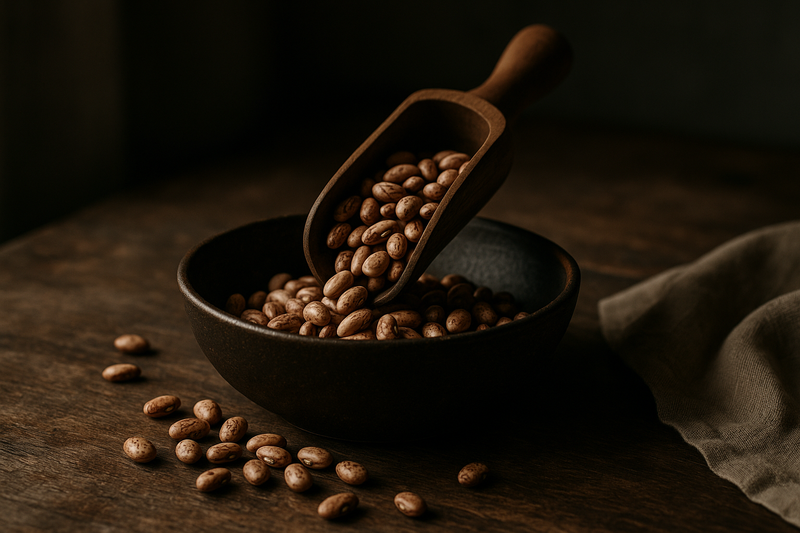
Pinto Beans · Photograph
In modern nutrition, pinto beans serve as a critical tool for metabolic and cardiovascular wellbeing. Unlike refined starches, pinto beans offer a "slow-burn" energy profile. Their massive fiber content acts as a natural buffer, preventing the rapid glucose spikes that can lead to insulin resistance over time. For those looking to diversify protein sources, they offer a low-fat, cholesterol-free alternative to animal products.
Key Nutrients
% Daily Value based on 2,000 cal diet
Key Takeaways
- 1. Delivers over 15g of protein and 15g of fiber per cup, supporting muscle repair and digestive health.
- 2. High potassium (16% DV) and magnesium help regulate blood pressure and maintain a steady heart rhythm.
- 3. Naturally low glycemic index helps stabilize blood sugar by slowing carbohydrate absorption.
- 4. An exceptional source of folate (74% DV), critical for DNA synthesis and healthy cell division.
- 5. Contains kaempferol and other phenolics that help manage oxidative stress in the body.
Why Pinto Beans' Health Benefits Matter
In modern nutrition, pinto beans serve as a critical tool for metabolic and cardiovascular wellbeing. Unlike refined starches, pinto beans offer a "slow-burn" energy profile. Their massive fiber content acts as a natural buffer, preventing the rapid glucose spikes that can lead to insulin resistance over time. For those looking to diversify protein sources, they offer a low-fat, cholesterol-free alternative to animal products.
Key Active Compounds
- Kaempferol: A flavonoid pigment with demonstrated antioxidant and anti-inflammatory properties.
- Resistant Starch: Supports steady blood sugar and serves as a prebiotic for the gut microbiome.
- Folate (Vitamin B9): Vital for cellular function, particularly during periods of rapid growth or recovery.
- Vicilin: The primary globulin protein in the bean, contributing to its high-quality amino acid profile.
- Saponins: Natural compounds that may assist in immune function and cholesterol management.
Conclusion
Pinto beans represent one of the most affordable and nutritionally complete plant proteins available. Their research-backed benefits for heart health and blood sugar stability make them a versatile cornerstone of a modern healthy diet. By following proper preparation steps—such as soaking dried beans and rinsing canned varieties—you can maximize their nutrient density while supporting long-term digestive and metabolic wellness.
Ready to plan balanced meals featuring pinto beans? Our meal planner can help you incorporate these nutritious legumes into your weekly routine while ensuring you meet all your nutritional needs.
How Pinto Beans Compares
| Compared with | What's different |
|---|---|
| Pinto Beans vs. Black Beans | Softer, creamier texture and a distinct earthy, nutty flavor profile. |
| Pinto Beans vs. Kidney Beans | Thicker skins and a firmer texture that holds up better in long-simmered stews. |
Health Benefits
Things to Know
Kidney Health: Because of the high potassium content (746mg), individuals with kidney disease should consult a doctor regarding portion sizes.
Digestive Transition: The high fiber content can cause gas if increased too quickly. Start with 1/4 cup servings and increase as your gut adapts.
Iron Absorption: Pair pinto beans with Vitamin C (such as lime juice or peppers) to help the body absorb plant-based iron more effectively.
Medication Interactions: If you are on blood pressure medication, monitor your intake due to the bean's high potassium levels.
The Complete Protein: Pair pinto beans with brown rice or corn tortillas to ensure you receive all essential amino acids for muscle repair.
The Flavor Balance: Use cumin and garlic during cooking to enhance flavor and support the digestion of complex sugars.
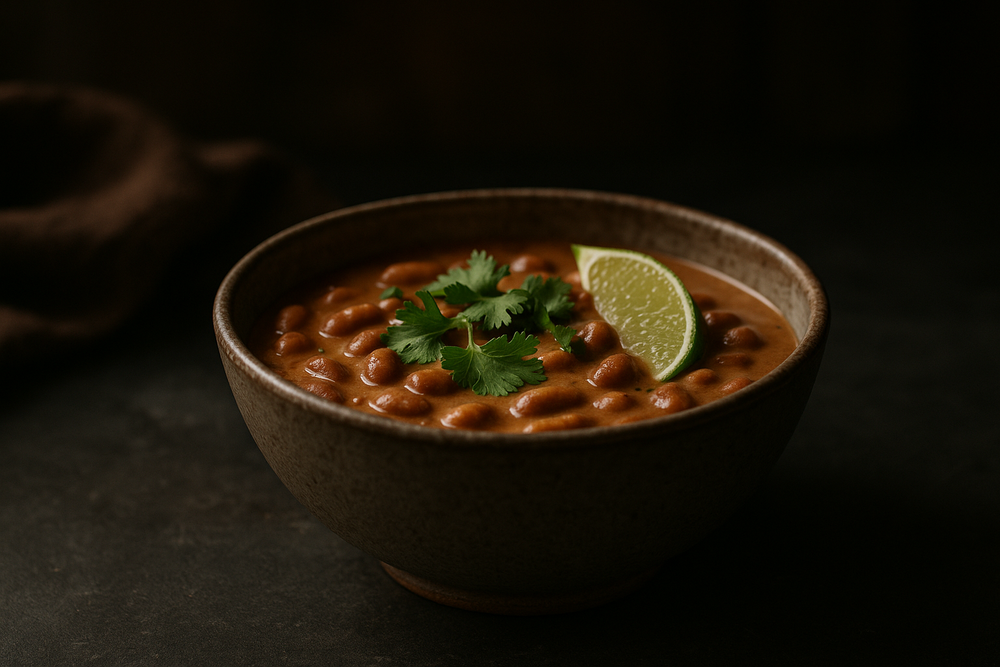
The Acidic Finish: A squeeze of lime at the end of cooking adds brightness and helps break down the bean's earthy profile while aiding mineral uptake.
Standard Serving: 1/2 to 1 cup of cooked beans is recommended for most adults.
Frequency: 3–5 times per week provides the most consistent metabolic and heart benefits.
Beginners: Start with small 2–4 tablespoon portions and increase slowly over two weeks.
Common Uses
- —A core ingredient for vegetarian diets, providing nearly one-third of daily protein needs.
- —Used as a high-fiber tool to feed beneficial gut bacteria and promote bowel health.
- —Added to meals to increase fullness and support weight management goals.
- —A creamy addition to chilis, stews, burritos, and traditional refried bean dishes.
Active Compounds
A flavonoid pigment with demonstrated antioxidant and anti-inflammatory properties.
Supports steady blood sugar and serves as a prebiotic for the gut microbiome.
Vital for cellular function, particularly during periods of rapid growth or recovery.
The primary globulin protein in the bean, contributing to its high-quality amino acid profile.
Natural compounds that may assist in immune function and cholesterol management.
Best Forms
The gold standard. Soaking for 8–12 hours and boiling until tender allows for maximum control over sodium and texture.
Highly convenient and safe. Always rinse thoroughly to reduce added sodium by up to 40%.
Concentrates protein for baking but lacks the full fiber benefits of the whole bean.
Prep Ideas
- — The Complete Protein: Pair pinto beans with brown rice or corn tortillas to ensure you receive all essential amino acids for muscle repair.
- — The Flavor Balance: Use cumin and garlic during cooking to enhance flavor and support the digestion of complex sugars.
- — The Acidic Finish: A squeeze of lime at the end of cooking adds brightness and helps break down the bean's earthy profile while aiding mineral uptake.
Glossary
Shop This Ingredient
Stock your pantry with quality pinto beans.
Buy on AmazonAs an Amazon Associate, Plantopedia earns from qualifying purchases. This costs you nothing extra and helps us keep the encyclopedia free.
Frequently Asked Questions
One cup of cooked pinto beans provides 15.4 grams of protein, making them one of the richest plant-based protein sources. They contain all essential amino acids, though methionine levels are lower than in animal proteins. This protein content rivals that of many meat alternatives and exceeds that of most grains and vegetables for muscle repair.
Pinto beans are generally safe for daily consumption as part of a balanced diet. However, people with kidney disease should monitor their potassium intake since one cup provides 746mg. Those new to high-fiber foods should start gradually to avoid digestive discomfort. Always cook dried beans thoroughly to eliminate any harmful anti-nutrients.
Research suggests pinto beans may support healthy blood sugar levels due to their high fiber content (15.4g per cup) and low glycemic impact. The fiber helps slow carbohydrate absorption, potentially moderating blood sugar spikes. However, individual responses vary, and people with diabetes should monitor their blood sugar when adding new foods.
Some people experience gas or bloating from pinto beans, especially when first adding them to their diet. This happens because beans contain complex carbohydrates that gut bacteria ferment. Starting with smaller portions, cooking beans thoroughly, and gradually increasing intake can minimize these effects while allowing your gut microbiome to adapt appropriately.
Soak dried pinto beans for 8-12 hours, then cook until tender (about 60-90 minutes). This process eliminates anti-nutrients, such as phytohemagglutinins, while preserving most vitamins and minerals. Avoid adding salt during cooking as it can toughen the beans. For convenience, canned beans are nutritionally comparable but may contain significant amounts of added sodium.
Quick Answers
Common questions, answered in a line.
Pinto beans are a nutritional powerhouse for heart health and cardiovascular wellbeing because they are a low-fat, cholesterol-free alternative to animal protein. Their high potassium and fiber content further support long-term heart health and metabolic stability.
Pinto beans contain several key active compounds, including the antioxidant kaempferol, resistant starch for gut health, folate (Vitamin B9), saponins, and the primary globulin protein vicilin. These nutrients contribute to the bean's anti-inflammatory and metabolic benefits.
To maximize iron absorption from pinto beans, you should pair them with Vitamin C-rich foods like lime juice or peppers. This helps the body absorb plant-based iron more effectively while adding brightness to the bean's earthy flavor profile.
Individuals with kidney disease or those taking blood pressure medications should consult a doctor before consuming pinto beans due to their high potassium content. A single serving can contain approximately 746mg of potassium, which may require portion monitoring.
Pinto beans provide a "slow-burn" energy profile because their massive fiber content acts as a natural buffer. Unlike refined starches, this slow digestion prevents rapid glucose spikes and supports long-term metabolic wellness.
Modern nutrition experts suggest that eating pinto beans 3–5 times per week provides the most consistent metabolic and heart health benefits. A standard serving for most adults is between 1/2 to 1 cup of cooked beans.
You can make pinto beans a complete protein for muscle repair by pairing them with brown rice or corn tortillas. This combination ensures you receive all the essential amino acids that your body needs.
For Readers in the USA
Local context — sourcing, seasonality, and regional notes.
The United States is one of the world's leading producers of pinto beans, with North Dakota, Nebraska, and Colorado serving as the primary growing regions. These states provide the semi-arid climate and targeted irrigation necessary for the beans to thrive, usually being harvested in the late summer and early fall.
Pinto beans are widely available at major U.S. grocery chains like Walmart, Kroger, and Publix, as well as specialty stores like Whole Foods where you can find USDA Organic certified options. They are sold in both dried bags and canned varieties, often located in the ethnic foods or canned vegetable aisles.
Pinto beans are a foundational ingredient in Southwestern and Tex-Mex cuisines, frequently used to make refried beans, chili, and "pot beans" (frijoles de la olla). Their name, which means "painted" in Spanish, refers to their speckled appearance before they turn a solid pinkish-brown during cooking.
AI Clinical Review
- Pinto beans are nutrient-dense: about 15 g each of protein and fiber per cooked cup, plus folate, potassium, and magnesium—nutrients linked to heart health and satiety.
- The fiber/protein blend and low glycemic impact can help blunt post-meal blood glucose rises when portions are planned within a diabetes care plan.
- Dried and canned beans are nutritionally comparable; rinsing canned beans can substantially reduce sodium, and low-sodium/no salt-added options are preferable.
- Fiber and resistant starch feed beneficial gut bacteria, producing short-chain fatty acids that support digestive health.
- Anti-inflammatory/antioxidant claims (kaempferol, phenolics, saponins) are promising but come largely from lab/animal studies or short human trials; links to hard outcomes (e.g., fewer cardiac events) are not yet established.
- Complete protein” is nuanced: beans contain all essential amino acids but are relatively low in methionine; most people meet amino acid needs over the day without deliberate "protein combining."
- Microbiome benefits are biologically plausible, yet ideal amounts and individual responses vary, and long-term clinical effects are still being clarified.
- Weight management benefits likely stem from fullness and calorie displacement; direct evidence for independent weight-loss effects is modest.
- A practical range is 1/2–1 cup cooked per day; if new to legumes, start with 1/4–1/2 cup and increase over 2–3 weeks with adequate fluids. To reduce gas, cook thoroughly, rinse canned beans, consider pressure-cooking, or take an alpha-galactosidase enzyme.
- High potassium: people with chronic kidney disease or on medicines that raise potassium (ACE inhibitors, ARBs, potassium-sparing diuretics) should review portions with a clinician and may need labs monitored.
- IBS/FODMAP sensitivity: smaller portions and well-cooked or canned/rinsed beans are often better tolerated; adjust to symptoms.
- For diabetes, beans still contribute carbohydrates (~40–45 g per cup, with ~15 g fiber); include them in your carb count and check glucose when changing portions.
Mention soaking/cooking tolerance tips where relevant; avoid raw legume prep errors.
References
- USDA FoodData Central - Pinto beans nutrition data (fdc.nal.usda.gov)
- World Health Organization protein quality guidelines (who.int)
- American Heart Association dietary recommendations for legumes (heart.org)
- National Institute of Health - Office of Dietary Supplements folate fact sheet (ods.od.nih.gov)
- Academy of Nutrition and Dietetics position paper on plant proteins (eatright.org)
- Purification and characterization of pinto bean protein research (pmc.ncbi.nlm.nih.gov)
- Essential amino acid profile studies (aminoco.com)
- Comprehensive pinto bean nutrition guide (loseit.com)
Know Your Numbers
Eating healthy is a start. Now get to know your biomarkers.
Food changes bloodwork — inflammation, lipids, blood sugar and nutrient status all respond to what you eat. 59 markers from $59.
- Results in 7–10 days at 2,000+ Quest sites
- Licensed provider reviews every result
- One flat price, no membership, HSA/FSA eligible
Educational information only, not medical advice. Panels are ordered and reviewed through our licensed partner; Plantopedia may earn a commission.