Borlotti Beans — health benefits and uses
Traditional Italian peasant food valued for sustained energy and satiety.
The Short Answer
Borlotti beans (cranberry beans) give 16.5g protein and 17.7g fiber per half-cup cooked, plus folate and potassium. Their creamy, chestnut-like flesh suits pasta e fagioli, minestrone, brothy stews and bean salads.
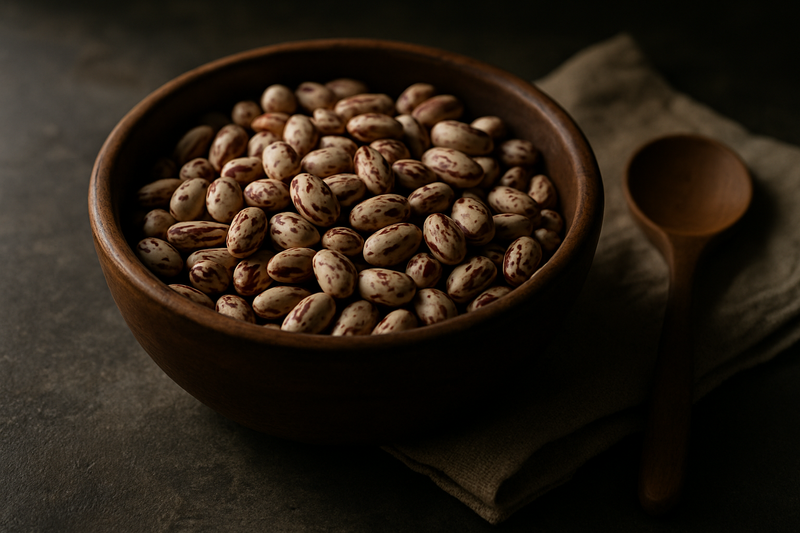
Borlotti Beans · Photograph
Discover borlotti beans health benefits and how to cook them safely. From heart health and blood sugar support to digestion and plant-based protein, this evidence-based guide covers borlotti beans nutrition facts, lectin safety, serving sizes, and classic Italian cooking tips for pasta e fagioli and minestrone.
Key Nutrients
% Daily Value based on 2,000 cal diet
Key active compounds in borlotti beans
Borlotti beans contain more than just protein and fibre. A range of bioactive plant compounds contribute to their health profile:
- Resistant starch — A starch fraction that bypasses digestion in the small intestine and is fermented by bacteria in the colon. It acts as a prebiotic (food for beneficial gut bacteria) and promotes the production of short-chain fatty acids like butyrate, which supports colon cell health and may help improve insulin sensitivity.
- Fermentable oligosaccharides (FODMAPs) — Short-chain carbohydrates such as raffinose and stachyose that feed gut microbiota. They are responsible for the gas and bloating some people experience, but also drive beneficial shifts in gut bacteria composition.
- Polyphenols — Plant-derived antioxidant compounds (including flavonoids and phenolic acids) that may reduce oxidative stress and modulate inflammatory signalling pathways.
- Phytates (inositol hexaphosphate) — Naturally occurring compounds that have antioxidant properties and are being studied for potential anti-cancer effects; they also modestly reduce absorption of some minerals, though soaking and cooking lowers phytate levels significantly.
- Saponins — Surface-active compounds found in many legumes that show cholesterol-lowering and immune-modulating effects in experimental studies.
- Phytohemagglutinin (PHA) — A lectin (a type of protein that binds carbohydrates) present at high levels in raw beans. It is responsible for the GI toxicity of undercooked beans and is almost completely destroyed by proper boiling. More on this in the safety section below.
Buying guide for borlotti beans
Dried: Look for beans with bright, distinct cream-and-red speckled markings — faded colour may indicate age. Buy from shops with good stock turnover; beans older than two years cook unevenly and may have reduced nutrient quality. Store in an airtight jar away from heat and light, and use within one to two years.
Canned: Check the label for sodium content per serving. Aim for under 200 mg per serving, or choose no-added-salt varieties. Ingredients list should read: borlotti beans, water (and salt, optionally). Avoid cans with dents, rust, or swelling.
Organic vs conventional: No significant difference in nutrient content has been demonstrated, though organic may have lower pesticide residues. The choice depends on your budget and priorities.
Frozen: Less common for borlotti specifically, but if you find them, they are typically pre-cooked and convenient — treat them like canned beans for cooking purposes.
Label tip: Outside Italy, look for "cranberry beans" or "Roman beans" — these are the same variety. In tins, "borlotti" is the standard European label; "cranberry beans" is more common in North American supermarkets.
Prep and pairing ideas
Borlotti beans are one of the most versatile beans in the kitchen. Their texture sits between a kidney bean and a cannellini — substantial enough to hold shape in soup, soft enough to partially crush into a creamy base.
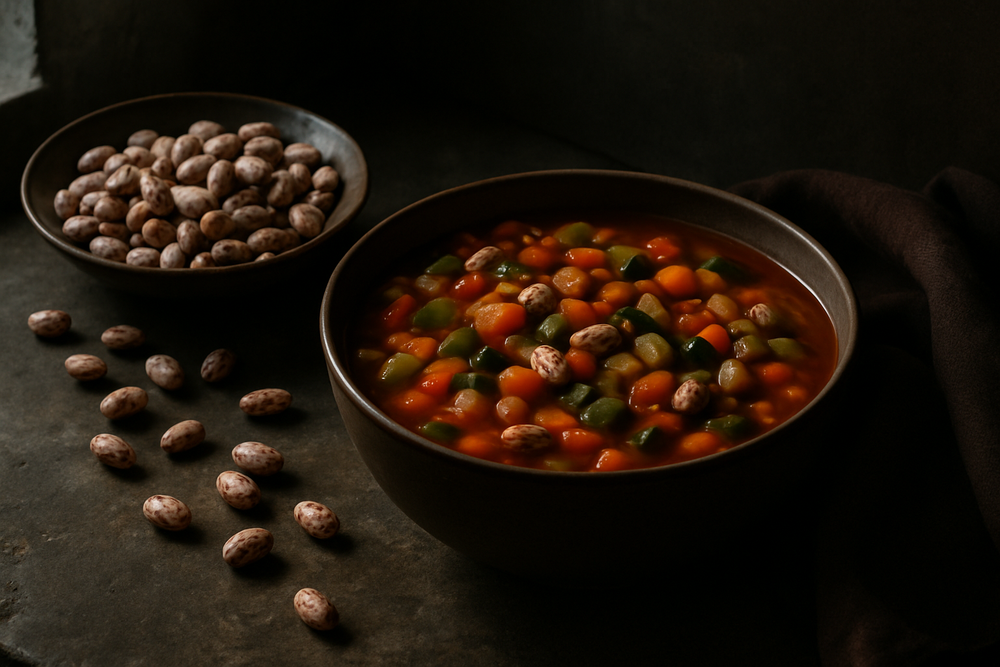
Classic pasta e fagioli: Sauté soffritto (onion, carrot, celery in olive oil), add cooked borlotti beans, crushed tomatoes, vegetable stock, and fresh rosemary. Simmer 20 minutes, add short pasta (ditali or broken spaghetti), cook until tender. Finish with a drizzle of extra-virgin olive oil.
Minestrone: Combine borlotti beans with seasonal vegetables (courgette, cavolo nero, potato), canned tomatoes, and stock. A parmesan rind added during simmering adds depth without added fat. Serve with wholegrain bread for a complete protein profile.
Bean and grain salad: Toss cooled cooked borlotti beans with farro or brown rice, roasted red peppers, fresh herbs, a squeeze of lemon, and a little olive oil. The grain-plus-legume combination provides all essential amino acids and makes a satisfying plant-based lunch.
Common pairings and why they work:
- Borlotti beans + rosemary + garlic: Classic Italian combination. Rosemary's volatile oils (aromatic compounds) complement the earthy bean flavour, while garlic adds prebiotic fructans that further support gut bacteria alongside the bean fibre.
- Borlotti beans + tomatoes: Tomatoes provide vitamin C, which significantly improves the absorption of non-haem iron (the type found in plant foods) from the beans — a practical nutritional synergy.
- Borlotti beans + leafy greens (spinach or cavolo nero): The greens contribute calcium, vitamin K, and additional folate, turning a simple bean soup into a micronutrient-dense meal with very few additional calories.
Bottom line
Borlotti beans are among the most nutrient-dense, evidence-supported foods you can add to a regular eating pattern. They are an excellent source of plant-based protein, dietary fibre, folate, iron, potassium, and magnesium — all in one inexpensive, shelf-stable ingredient. Research on beans and mixed legumes consistently links regular intake to modest but real improvements in heart health, blood sugar control, digestive function, and potentially colorectal cancer risk, though most of this data comes from mixed-legume studies rather than borlotti-specific trials.
The one firm safety rule: always cook dried beans thoroughly. Soaking overnight and boiling vigorously for at least 10 minutes (then simmering until fully soft) reduces lectin levels to safe amounts. Canned borlotti beans are pre-cooked and safe from this concern — just rinse to reduce sodium.
If you currently eat few legumes, even a modest increase — two or three servings a week — is likely to move the needle on your fibre intake and support the gut and cardiometabolic benefits the research describes.
How Borlotti Beans Compares
| Compared with | What's different |
|---|---|
| Borlotti Beans vs. Kidney Beans | Slightly firmer texture and thicker skins; borlotti are creamier when cooked. |
| Borlotti Beans vs. Pinto Beans | Smaller, milder flavour and softer texture; borlotti have a more robust, nutty taste. |
| Borlotti Beans vs. Cannellini Beans | Pure white skin and creamier texture; borlotti have a higher protein and fibre content. |
Health Benefits
Things to Know
Raw or undercooked beans are not safe.: Dried borlotti beans contain phytohemagglutinin, a lectin that causes acute nausea, vomiting, diarrhoea, and abdominal cramps within 1–3 hours of ingestion — sometimes from as few as 4–5 improperly cooked beans. Proper soaking plus a rolling boil destroys this toxin almost completely. Canned beans are pre-cooked and safe.
Slow cookers alone are not sufficient.: A slow cooker on a low setting may not reach the temperature needed to fully deactivate lectins. Pre-boil on the stovetop first, then finish in a slow cooker if preferred.
Gas and bloating are common at first.: The fermentable oligosaccharides in beans cause gas in many people, especially when they are new to eating beans regularly. Starting with small portions (¼ cup) and building up gradually, drinking adequate water, and ensuring beans are very well cooked all help.
IBS and FODMAP sensitivity: People with irritable bowel syndrome (IBS) following a low-FODMAP diet should approach borlotti beans cautiously; portion size matters significantly, and working with a dietitian is advisable.
Kidney disease: Borlotti beans are high in potassium and phosphorus. If you have chronic kidney disease (CKD) or are on a potassium-restricted diet, discuss portion sizes with your healthcare provider.
Hypertension and sodium: If you are managing high blood pressure, prefer low-sodium or no-added-salt canned beans, or cook from dried.
Diabetes medication: Increasing legume intake can modestly lower blood glucose; if you are on insulin or oral glucose-lowering medications, have your levels monitored as your diet changes to avoid hypoglycaemia (low blood sugar).
Potassium-sparing diuretics: If you take medications that raise potassium levels, a high-potassium food like borlotti beans may compound that effect — check with your doctor.
Pregnancy: Borlotti beans are an excellent folate source, which supports neural tube development in early pregnancy. However, always discuss dietary patterns with your midwife or obstetrician, especially if you are managing gestational diabetes.
Bean or legume allergy: If you have a known legume allergy, avoid borlotti beans due to potential cross-reactivity with other common beans.
Prep Ideas
- — **Borlotti beans + rosemary + garlic:** Classic Italian combination. Rosemary's volatile oils (aromatic compounds) complement the earthy bean flavour, while garlic adds prebiotic fructans that further support gut bacteria alongside the bean fibre.
- — **Borlotti beans + tomatoes:** Tomatoes provide vitamin C, which significantly improves the absorption of non-haem iron (the type found in plant foods) from the beans — a practical nutritional synergy.
- — **Borlotti beans + leafy greens (spinach or cavolo nero):** The greens contribute calcium, vitamin K, and additional folate, turning a simple bean soup into a micronutrient-dense meal with very few additional calories.
Glossary
Shop This Ingredient
Stock your pantry with quality borlotti beans.
Buy on AmazonAs an Amazon Associate, Plantopedia earns from qualifying purchases. This costs you nothing extra and helps us keep the encyclopedia free.
Frequently Asked Questions
The evidence for borlotti beans specifically is limited, because most clinical trials study legumes as a group rather than individual varieties. However, borlotti beans share the same nutritional and phytochemical profile as other common beans (Phaseolus vulgaris), so the research on beans and mixed legumes is reasonably applicable. Heart and circulation Eating beans and legumes regularly is linked to modest but meaningful improvements in cardiovascular risk markers. Prospective cohort studies (long-term observational studies that follow large groups over time) and meta-analyses (pooled analyses of multiple studies) suggest that higher legume intake is associated with around a 6–10% lower risk of cardiovascular and coronary heart disease, compared with the lowest intake groups. Randomised controlled trials — the gold standard in nutrition research — show that adding beans and legumes to the diet can produce small but statistically significant reductions in total cholesterol, LDL cholesterol (the "bad" type), and fasting blood glucose. The mechanisms are well understood. Soluble fibre in beans binds bile acids in the gut, prompting the liver to pull LDL cholesterol from the blood to make more. The high potassium content (800 mg per cup) supports healthy blood pressure. Replacing saturated-fat-heavy animal proteins with beans further shifts the fat composition of the overall diet in a heart-friendly direction. Digestive health and microbiome A cup of borlotti beans provides around 18 g of dietary fibre — more than half the generally recommended daily intake of 25–30 g for adults. That fibre comes in two forms: insoluble fibre (which bulks stool and supports regularity) and soluble and fermentable fibre (which feeds beneficial gut bacteria). Human observational data from the NHANES survey (a large US nutrition and health study) show that regular bean eaters tend to have lower body weight and smaller waist circumference than non-bean eaters, which is partly attributed to higher fibre intake and the satiety that comes with it. Fermentable fibres and resistant starch in beans increase the production of short-chain fatty acids in the colon, particularly butyrate, which nourishes the cells lining the colon wall. Meta-analyses also link higher legume intake to a roughly 21% lower risk of colorectal cancer per 100 g per day consumed — a finding that researchers attribute partly to these fibre-driven effects on gut microbiota and inflammation. The evidence here is considered emerging rather than conclusive, but the direction is consistent. Blood sugar and metabolism Beans are classified as low glycaemic index (GI) foods, meaning they raise blood sugar more slowly than refined carbohydrates. A large Chinese cohort study of over 64,000 women found that those eating the most legumes (roughly one-third of a cup daily) had a 38% lower risk of developing type 2 diabetes compared with those eating the least. Meta-analyses of randomised controlled trials confirm that legume-rich diets improve fasting glucose and insulin resistance indices versus control diets. The likely mechanisms: soluble fibre and resistant starch slow carbohydrate absorption in the small intestine, while gut fermentation products may improve insulin sensitivity downstream. For people already managing type 2 diabetes, replacing refined starch with borlotti beans in a pasta dish or soup is a practical, evidence-aligned swap — though any changes to diet alongside diabetes medication should be discussed with a healthcare provider. Inflammation and recovery Legume-derived polyphenols, fibre, and phytochemicals have been associated with reductions in markers of systemic inflammation in observational studies and some experimental models. The most consistent human data relate to colorectal cancer risk — multiple meta-analyses show an inverse association between legume consumption and colorectal cancer — but the evidence for broader anti-inflammatory outcomes in humans is still emerging. Animal and lab studies are promising, but translation to hard clinical endpoints in people is incomplete.
Dried (soaked and boiled) — the benchmark Dried borlotti beans are the traditional form and the one most closely matched to the culinary heritage of pasta e fagioli and minestrone. They require planning (an overnight soak plus a 45–60 minute boil) but reward you with superior texture, lower sodium, and typically lower cost. Nutritionally, home-cooked dried beans represent the gold standard. How to cook dried borlotti beans safely: Rinse beans and cover with cold water at least 5 cm (2 inches) above the beans. Soak for at least 6–8 hours or overnight at room temperature (or in the refrigerator in warm weather). Discard the soaking water completely — this removes some oligosaccharides and lectins. Cover with fresh water, bring to a rolling boil, and boil vigorously for at least 10 minutes (this is critical for lectin destruction). Reduce to a simmer and cook for a further 30–50 minutes until fully tender. Drain, season, and use. Never cook dried beans solely in a slow cooker without pre-boiling first — the temperature may not reach 100 °C. Canned — the practical choice Canned borlotti beans are pre-cooked and fully safe with respect to lectins. They are a genuinely healthy option — protein, fibre, and most minerals are retained — and they suit weeknight cooking perfectly. The main trade-off is sodium: many brands add salt during canning. Draining and rinsing canned beans reduces their sodium content by around 40%. Look for "no added salt" varieties when available. Fresh shelled (seasonal) Fresh borlotti beans, available in late summer and autumn in Italian and specialist markets, cook faster than dried and have a lovely, creamy freshness. They still require thorough boiling to deactivate lectins, though their shorter cook time makes this straightforward.
There is no single prescribed dose, but the evidence points to a useful range. Prospective cohort studies and meta-analyses link the cardiovascular and colorectal cancer benefits of legumes to intakes in the region of 100–400 g per week (roughly equivalent to ½–1 cup of cooked beans per day). The DASH diet recommends 4–5 servings of legumes per week, where one serving equals ½ cup cooked. The Mediterranean dietary pattern supports 3–4 legume-based meals per week. A practical starting point: If you rarely eat beans, begin with 2–3 servings per week (roughly ½ cup cooked per serving) and build from there. If you already eat beans regularly, aiming for a daily serving (½–1 cup cooked) is consistent with the evidence base. There is no strong evidence that eating more than about 400 g per week provides additional benefit — beyond that point, the research suggests diminishing returns rather than continued linear gains. Benefits appear to be dose-related at lower intakes but plateau at higher ones. The key principle is consistency over time rather than quantity on any single day. If you're building a whole-food plant-based eating pattern around legumes, explore how other plant foods complement borlotti beans across your week: Browse the Plantopedia goals guide →
Quick Answers
Common questions, answered in a line.
You must boil dried borlotti beans vigorously for at least 10 minutes after soaking to destroy toxic lectins. This process neutralizes phytohemagglutinin, a protein that causes severe gastrointestinal distress; slow cookers alone may not reach high enough temperatures to make them safe.
Borlotti beans are identical to cranberry beans and Roman beans. While the name "borlotti" is standard in Europe and Italy, you will often find them labeled as "cranberry beans" in North American supermarkets.
Eating borlotti beans provides resistant starch, polyphenols, and saponins that support heart health, blood sugar control, and gut bacteria. These bioactive compounds help reduce oxidative stress, lower cholesterol, and improve insulin sensitivity.
Borlotti beans contain vitamin C-rich tomatoes to significantly improve the absorption of non-haem iron from the beans. You can also pair them with rosemary and garlic for flavor and prebiotic benefits, or leafy greens to add calcium and vitamin K.
Borlotti beans cause gas and bloating due to fermentable oligosaccharides (FODMAPs) like raffinose and stachyose that feed gut bacteria. To minimize these effects, start with small portions, drink plenty of water, and ensure the beans are cooked until very soft.
If you have chronic kidney disease, you should consult a doctor before eating borlotti beans because they are high in potassium and phosphorus. People on insulin for diabetes should also monitor their blood sugar closely, as increasing legume intake can lower glucose levels.
When buying canned borlotti beans, choose varieties with no added salt or less than 200 mg of sodium per serving. Always rinse the beans before use to further reduce sodium levels, and avoid any cans that are dented, rusted, or swollen.
For Readers in the USA
Local context — sourcing, seasonality, and regional notes.
In the United States, borlotti beans are most commonly sold as "Cranberry beans" or "Roman beans" at major retailers like Whole Foods, Kroger, and Publix. You can typically find them in the dried bean aisle or the international foods section, where Goya is a leading brand for canned varieties.
Cranberry beans are primarily grown in the northern U.S. states like Michigan and North Dakota, with the peak harvest occurring in late summer and early fall. While fresh pods are a seasonal delicacy at farmers markets from August to October, dried and canned versions are available year-round nationwide.
Look for the USDA Organic seal to ensure the beans were grown without synthetic fertilizers or prohibited pesticides, as conventional legumes are sometimes treated with desiccants like glyphosate before harvest. Additionally, the FDA recommends soaking dried beans for at least 5 hours to help reduce flatulence-causing sugars and ensure even cooking.
In the U.S., these beans are staples in Italian-American cuisine for Pasta e Fagioli, but they are also popular in New England and Appalachian cooking as "shell beans." Their creamy texture makes them a favorite regional substitute for pinto beans in Southern succotash or slow-cooked ham hock dishes.
AI Clinical Review
- Clearly explains why borlotti (cranberry) beans are nutrient-dense: a cup provides substantial fibre, plant protein, and notably high folate, all at a modest calorie cost.
- Accurately reflects the research base that routine legume intake is associated with improved cardiometabolic markers (lower LDL cholesterol and better glycaemic control) and supports a healthier gut microbiome.
- Safety guidance is sound: dried beans must be thoroughly boiled to deactivate lectins; canned beans are pre-cooked and rinsing meaningfully reduces sodium.
- Practical intake targets (about ½–1 cup cooked most days or several times per week) align with Mediterranean/DASH-style patterns and the way benefits tend to accrue over time.
- Most human data pool legumes as a group, not borlotti specifically. Expected benefits likely apply, but exact effect sizes for this variety alone aren’t firmly established.
- Observational links to reduced cardiovascular and colorectal cancer risk can’t fully exclude confounding from overall dietary patterns; randomized trials on hard outcomes remain limited.
- Mechanisms cited (resistant starch, polyphenols, saponins, phytates) are biologically plausible, but human dose–response data and clinical endpoints are not yet definitive.
- Tolerance varies: beans contain FODMAPs that can cause gas. Start with smaller portions (¼–½ cup), cook until very tender, and consider rinsed canned beans if sensitive.
- Preparation matters for safety: always boil dried beans vigorously before simmering; pressure cookers are suitable. Avoid slow-cooker–only methods for dried beans.
- Minerals and medications: borlotti are high in potassium and phosphorus—people with chronic kidney disease or on ACE inhibitors/ARBs or potassium‑sparing diuretics should confirm appropriate portions with a clinician.
- Blood sugar management: increasing legumes can lower glucose; those on insulin or oral hypoglycaemics should monitor and coordinate any dietary changes with their care team. Allergies to legumes warrant avoidance and medical guidance.
Must be fully cooked; raw or undercooked beans contain phytohemagglutinin lectin that causes GI upset.
References
- USDA FoodData Central — cranberry (borlotti) beans, cooked nutrition data (fdc.nal.usda.gov)
- Harvard T.H. Chan School of Public Health — Legumes and Pulses overview (nutritionsource.hsph.harvard.edu)
- American Heart Association — The Benefits of Beans and Legumes (heart.org)
- Meta-analysis: legume consumption and cardiovascular disease risk — PubMed (pubmed.ncbi.nlm.nih.gov)
- Meta-analysis: dietary legumes, gut microbiota, inflammation and colorectal cancer risk — PMC (pmc.ncbi.nlm.nih.gov)
- Randomised trial meta-analysis: legumes, glycaemic control, and cardiometabolic risk markers — PMC (pmc.ncbi.nlm.nih.gov)
- Meta-analysis: nuts and legumes consumption and colorectal cancer risk — Food and Nutrition Research (foodandnutritionresearch.net)
- Health Canada — Lectins in legumes: food safety guidance (canada.ca)
- Centre for Food Safety (Hong Kong) — Phytohaemagglutinin and bean safety (cfs.gov.hk)
- Mayo Clinic — Mediterranean diet for heart health (diet.mayoclinic.org)
Know Your Numbers
Eating healthy is a start. Now get to know your biomarkers.
Food changes bloodwork — inflammation, lipids, blood sugar and nutrient status all respond to what you eat. 59 markers from $59.
- Results in 7–10 days at 2,000+ Quest sites
- Licensed provider reviews every result
- One flat price, no membership, HSA/FSA eligible
Educational information only, not medical advice. Panels are ordered and reviewed through our licensed partner; Plantopedia may earn a commission.