Purple Hull Peas — health benefits and uses
A beloved Southern garden pea for summer suppers.
The Short Answer
Purple hull peas are a nutrient-dense legume providing 8 grams of protein and 4 grams of fiber per half-cup serving. A subspecies of the cowpea, they are prized for their creamy texture and high levels of folate, potassium, and antioxidant anthocyanins.
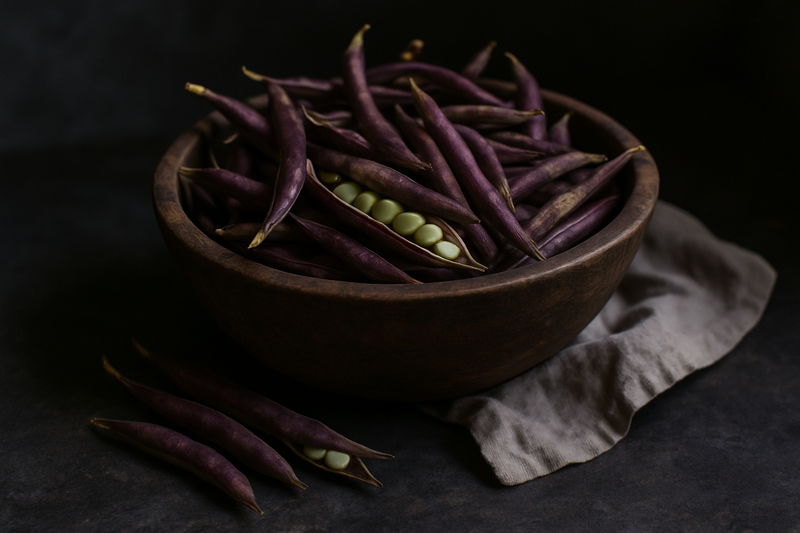
Purple Hull Peas · Photograph
Discover purple hull peas nutrition and health benefits: fiber, plant protein, folate, potassium, and what the evidence says about heart health, blood sugar, and digestion. Includes how to cook, how much to eat, and safety notes.
Key Nutrients
% Daily Value based on 2,000 cal diet
Key active compounds
Purple hull peas get their health-supporting properties from a combination of nutrients and plant chemicals working together:
- Dietary fiber (soluble and insoluble) — Non-digestible carbohydrates found in plant cell walls. Soluble fiber forms a gel that slows digestion and helps lower cholesterol; insoluble fiber adds bulk and supports regular bowel movements.
- Resistant starch — A fraction of starch that bypasses digestion in the small intestine and is fermented by bacteria in the colon. This slows blood sugar spikes and feeds beneficial gut bacteria.
- Phenolic compounds and flavonoids — Polyphenols are plant-made molecules with antioxidant activity. In cowpeas, they are concentrated in the seed coat and may help reduce oxidative stress (cellular damage caused by unstable molecules called free radicals).
- Anthocyanins — A subgroup of flavonoids that give the pods their purple hue. Early research suggests they may support vascular (blood vessel) health, though most data come from lab studies rather than human trials.
- Carotenoids and tocopherols — Fat-soluble antioxidants (including pro-vitamin A compounds and forms of vitamin E) that help protect cell membranes and support immune function.
- Plant protein — Provides all essential amino acids, though in lower amounts of certain ones compared to animal protein; best complemented with grains across the day.
- Folate (vitamin B9) — Supports DNA synthesis, red blood cell formation, and fetal neural tube development.
Prep and pairing ideas
Purple hull peas need almost no embellishment. Here are three practical pairings that also make nutritional sense:
1. Purple hull peas + cornbread This is the classic Southern pairing for good reason. Cornbread provides complementary amino acids that round out the peas' plant protein, creating a more complete protein profile across the meal. Choose a lower-sugar, whole-grain cornmeal version to keep the meal fiber-forward.
2. Purple hull peas + leafy greens (collards or spinach) + vinegar Simmering peas with collard greens adds calcium, vitamin K, and additional fiber. A splash of apple cider vinegar at the end brightens flavor without salt — and the mild acidity may slightly improve iron absorption from both the greens and the peas.
3. Purple hull peas + diced tomatoes + onion + garlic The vitamin C in fresh tomatoes helps convert the non-heme iron (the plant form of iron, less readily absorbed than animal iron) in the peas into a more absorbable form. This combination works as a simple stew, a topping for brown rice, or a base for a vegetable soup.
Basic preparation:
- Rinse fresh or frozen peas under cold water.
- Add to a pot with enough water or unsalted broth to cover by 2 inches.
- Add half an onion and 2 garlic cloves.
- Bring to a boil, then reduce to a steady simmer. Fresh peas: 30–45 min. Frozen: 20–30 min.
- Season with salt, black pepper, and a splash of hot sauce or vinegar at the end.
Bottom line
Purple hull peas are a nutritionally solid, versatile, and underappreciated Southern field pea. Their combination of fiber, plant protein, potassium, iron, and folate makes them a legitimate "food as medicine" ingredient when eaten consistently as part of a varied, plant-forward diet. The broader evidence for legumes — from randomized trials to large meta-analyses — supports modest improvements in cholesterol, blood pressure, blood sugar, and digestive health. Direct human trials on purple hull peas specifically are still limited, so benefits are reasonably inferred from their cowpea relatives and from the substantial legume literature.
The practical takeaway: aim for ½ to 1 cup of cooked purple hull peas (or mixed legumes) most days, prepare them thoroughly, pair them with vitamin C–rich foods to enhance iron absorption, and increase intake gradually to avoid digestive discomfort. They are a low-cost, whole-food protein source that fits almost any budget and most dietary patterns.
How Purple Hull Peas Compares
| Compared with | What's different |
|---|---|
| Purple Hull Peas vs. Black-eyed Peas | Black-eyed peas have a milder, earthier taste, while purple hull peas are creamier and sweeter. |
| Purple Hull Peas vs. Crowder Peas | Crowder peas are smaller and pack more densely in the pod, resulting in a starchier, thicker pot liquor. |
Health Benefits
Things to Know
Always cook before eating.: Raw or undercooked cowpeas contain heat-labile anti-nutritional factors (compounds that block nutrient absorption or irritate digestion) that are deactivated by thorough cooking. Simmer until fully tender.
Wash fresh-shelled peas well: under cold running water before cooking to remove dirt or residue from the pod.
Increase intake gradually.: A sudden jump in fiber can cause gas, bloating, and loose stools. Start with a quarter-cup serving and build up over 2–3 weeks. Drink plenty of water.
Kidney disease: Purple hull peas provide meaningful potassium (~309 mg per ½ cup). People with advanced chronic kidney disease (CKD) or those on potassium-restricted diets should check portion sizes with their dietitian.
Kidney stones (oxalate type): Some legumes contribute to total oxalate load. Data specific to cowpeas are limited, but people on strict low-oxalate diets should discuss intake with their provider.
Legume allergy: Rare, but if you have a known allergy to peanuts or soy (both legumes), discuss trying cowpeas with an allergist first.
Medication interactions:
Blood sugar medications (insulin, sulfonylureas): Regular legume intake can modestly improve glycemic control. Combined with medication, this may require monitoring to avoid hypoglycemia (low blood sugar).
Antihypertensive medications: Legumes may produce small additive blood-pressure-lowering effects.
Potassium-sparing diuretics or ACE inhibitors: If you've been advised to restrict potassium, account for the potassium in legumes.
Pregnancy: The folate in purple hull peas supports fetal development. Still, pregnancy dietary needs are individual — consult your midwife or OB.
Older adults or those with swallowing difficulties: Simmer peas until very soft, or mash or blend into soups for easier, safer eating.
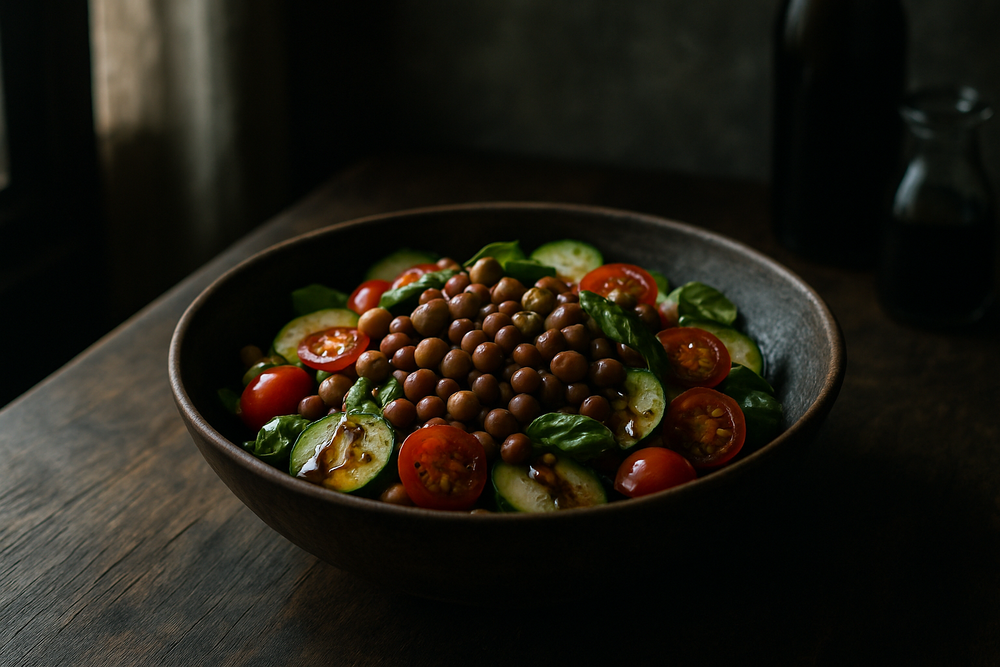
Prep Ideas
- — Rinse fresh or frozen peas under cold water.
- — Add to a pot with enough water or unsalted broth to cover by 2 inches.
- — Add half an onion and 2 garlic cloves.
- — Bring to a boil, then reduce to a steady simmer. Fresh peas: 30–45 min. Frozen: 20–30 min.
- — Season with salt, black pepper, and a splash of hot sauce or vinegar at the end.
Glossary
Shop This Ingredient
Stock your pantry with quality purple hull peas.
Buy on AmazonAs an Amazon Associate, Plantopedia earns from qualifying purchases. This costs you nothing extra and helps us keep the encyclopedia free.
Frequently Asked Questions
Most of the human clinical data below comes from research on legumes broadly, including cowpeas and related field peas. Direct trials on purple hull peas as a standalone ingredient are not yet available, so benefits are reasonably inferred from comparable composition. Evidence levels are noted for each area. Heart and circulation Evidence level: moderate Multiple systematic reviews and meta-analyses — the highest tier of nutrition evidence — show that higher legume intake is associated with roughly 6–10% lower relative risk of cardiovascular disease at intakes of around 400 g per week (about 4 half-cup servings). Randomized controlled trials (where participants are assigned to diets by chance, reducing bias) in adults and people with type 2 diabetes show legume-rich diets can reduce total and LDL ("bad") cholesterol, lower systolic (the upper number) blood pressure, and improve calculated heart disease risk scores — especially when legumes replace higher-glycemic starchy foods. Purple hull peas contribute fiber, potassium, unsaturated fat, and polyphenols that are mechanistically consistent with these effects. Cowpea-focused reviews note anti-hyperlipidemic (cholesterol-lowering) and anti-hypertensive potential, though long-term epidemiologic data specific to cowpea remain limited. Digestive health and microbiome Evidence level: moderate (for fiber benefits); emerging (for gut microbiome specifics) At roughly 4 g of fiber per half-cup serving, purple hull peas contribute meaningfully toward the recommended 25–38 g per day that most adults fall short of. Both insoluble fiber and resistant starch support regular bowel movements, help feed beneficial gut bacteria, and may enhance satiety. Legume-rich diets in human studies generally improve bowel regularity and can reduce overall calorie intake when they displace refined grains. One important caveat: increasing legume intake quickly can cause gas and bloating, particularly in people whose gut microbiome isn't accustomed to fermenting larger amounts of fiber. Starting with a quarter-cup and building gradually over a few weeks usually helps. Blood sugar and metabolism Evidence level: moderate Cowpeas have a low glycemic index — meaning they raise blood sugar more slowly than white bread or white rice. This is partly due to their resistant starch and fiber content, which slow glucose (sugar) absorption in the gut. Meta-analyses of randomized trials report that legume consumption can lower fasting glucose and improve HOMA-IR (a measure of insulin resistance — the reduced ability of cells to respond to insulin). In one randomized controlled trial, adults with type 2 diabetes who ate about 1 cup of cooked legumes daily improved their HbA1c (a 3-month average blood sugar marker) and blood pressure compared to those eating a high-wheat-fiber diet. Evidence is strongest for mixed legume intake within low-glycemic dietary patterns, not for purple hull peas alone. Cowpea-specific anti-diabetic effects are also supported by lab and animal studies involving compounds that slow carbohydrate-digesting enzymes, but these findings are considered emerging rather than definitive in humans. Inflammation and recovery Evidence level: emerging Purple hull peas, like other cowpeas, contain phenolic compounds, flavonoids, anthocyanins, and carotenoids with antioxidant and anti-inflammatory activity in cell and animal studies. Narrative reviews suggest these phytochemicals may help reduce oxidative stress and support protection against chronic diseases where low-grade inflammation plays a role. However, no robust human trials have yet demonstrated that purple hull peas or cowpeas specifically reduce inflammatory markers (like C-reactive protein) or clinical inflammatory conditions. These benefits remain mechanistic hypotheses extrapolated from general legume and polyphenol research.
People managing blood sugar or metabolic health Their low glycemic index makes them a practical swap for white rice, pasta, or bread at meals. The protein-plus-fiber combination slows digestion and helps prevent post-meal blood sugar spikes. Eating them regularly (around ½ to 1 cup daily) aligns with the legume portion used in diabetes-focused dietary trials. People looking to increase plant protein and fiber without processed foods At 8 g of protein and 4 g of fiber per half-cup serving, they're one of the most nutrient-dense whole foods available at low cost. They're naturally low in fat and sodium, so they fit plant-forward eating patterns without needing much modification. Fresh or frozen options are minimally processed and easy to prepare with simple pantry ingredients.
Fresh-shelled (in season) Fresh-shelled purple hull peas are the traditional choice and cook in about 30–45 minutes of simmering. Their flavor is sweetest and their texture is firmest. Wash shelled peas well before cooking. Season simply — a halved onion, garlic, and a pinch of salt are enough to let the peas shine. Frozen Frozen purple hull peas are blanched (briefly boiled to stop enzyme activity) before freezing, which preserves most nutrients. Their nutritional profile closely matches fresh cooked peas. They're available year-round and just need simmering in water or broth for 20–30 minutes. This is the most practical option for most households. Canned Canned purple hull peas are fully cooked, shelf-stable, and convenient. The trade-off is sodium: many canned varieties add significant salt. Drain and rinse canned peas under running water to reduce sodium content by roughly 40%, which matters if you're managing blood pressure or heart health. Dried cowpeas Mature dried cowpeas (including purple hull types) require soaking overnight and thorough cooking. They're nutritionally denser by weight and the most economical. If using dry peas, soak, drain, then boil fresh water — this step reduces compounds that can cause gas. Label tip: On frozen and canned products, look for "no added salt" or "low sodium" options when available. Ingredients should be simple: peas, water, and maybe salt — nothing else needed.
There is no official recommended daily amount specifically for purple hull peas, but the available evidence offers a practical range: Meta-analyses suggest legume intake of roughly 100–400 g cooked per week (about ½ to 4 cups) is associated with modest cardiovascular benefit, with around 400 g/week showing the largest observed reduction in risk. A randomized controlled trial in type 2 diabetes used approximately 190 g per day (1 cup cooked) of mixed legumes with favorable effects on HbA1c and blood pressure. A practical starting point for most adults is ½ cup cooked (about 80 g) per day, 4–5 times per week, as part of a varied diet that includes other legumes, vegetables, fruits, and whole grains. If you are new to legumes, start with 2–3 servings per week and increase gradually to allow your gut to adapt. There is no strong evidence that eating more than 1 cup per day provides additional benefit — and very high intakes may cause digestive discomfort in some people. Looking to build a personalized food-as-medicine plan around legumes like purple hull peas? Explore the Plantopedia Goals hub for evidence-based dietary frameworks organized by health goal.
Quick Answers
Common questions, answered in a line.
Purple hull peas are an excellent source of dietary fiber, plant protein, folate (vitamin B9), and potassium. They also contain resistant starch, phenolic compounds, and anthocyanins, which are antioxidants concentrated in the purple pods and seed coats.
Yes, purple hull peas contain resistant starch and soluble fiber, which help slow digestion and prevent rapid blood sugar spikes. These components ferment in the colon, feeding beneficial gut bacteria and supporting overall glycemic control.
You can improve iron absorption by pairing purple hull peas with vitamin C-rich foods like diced tomatoes. The vitamin C helps convert the plant-based non-heme iron in the peas into a form that is more easily absorbed by the body.
Purple hull peas must be cooked thoroughly to deactivate heat-labile anti-nutritional factors that can irritate digestion or block nutrient absorption. Raw or undercooked cowpeas can cause digestive distress and should be avoided.
Pairing purple hull peas with grains like cornbread or brown rice helps create a more complete protein profile. While the peas provide all essential amino acids, they have lower amounts of certain ones that grains can effectively complement throughout the day.
Purple hull peas contain approximately 309 mg of potassium per half-cup serving, which may be a concern for those with advanced chronic kidney disease. Individuals on potassium-restricted diets should consult a dietitian regarding appropriate portion sizes.
To prevent gas and bloating, increase your intake of purple hull peas gradually over 2 to 3 weeks and drink plenty of water. Starting with a small quarter-cup serving allows your digestive system to adjust to the increased fiber content.
For Readers in the USA
Local context — sourcing, seasonality, and regional notes.
Purple hull peas are a Southern staple primarily grown in USDA Plant Hardiness Zones 7 through 10, including states like Texas, Georgia, Mississippi, and Arkansas. They thrive in the long, hot summers of the Deep South and are typically harvested from late June through September.
In the United States, you can find fresh purple hull peas at Southern farmers markets during the summer, or year-round in the frozen vegetable aisle of major retailers like Walmart, Kroger, and Publix. Look for brands like Pictsweet or Goya, which frequently distribute these regional field peas nationwide.
The "Pinkeye Purple Hull" is the most common commercial variety in the U.S. because it is prolific and easy to shell. While they are a type of cowpea, they are distinct from the Black-eyed pea due to their signature purple pod and a milder, creamier flavor profile preferred in Southern cuisine.
While the USDA does not have specific grading for purple hull peas, you can look for the USDA Organic seal to ensure they were grown without synthetic pesticides. The FDA recommends rinsing all fresh legumes thoroughly to remove soil and debris, especially when purchasing from local roadside stands or farmers markets.
AI Clinical Review
- Accurately places purple hull peas within the cowpea/legume family and highlights a nutrient profile consistent with research: meaningful fiber, plant protein, folate, potassium, and iron in a low-fat, low-sodium food.
- Appropriately links regular legume intake (about ½–1 cup cooked per day) with modest improvements in cholesterol, blood pressure, and glycemic control, reflecting findings from randomized trials and meta-analyses on legumes broadly.
- Explains why legumes support steadier blood sugar (fiber and resistant starch slow digestion) and why pairing with vitamin C–rich foods can improve non‑heme iron absorption.
- Offers practical prep guidance, including thoroughly cooking fresh/frozen peas and rinsing canned peas to lower sodium—tips that matter for heart and metabolic health.
- Direct human studies on purple hull peas themselves are limited; most health claims are inferred from broader legume or cowpea data. Effects should be viewed as likely but not proven for this specific variety.
- Antioxidant/anti‑inflammatory benefits (polyphenols, anthocyanins) are supported mainly by lab and animal studies; human outcomes data remain sparse.
- Microbiome benefits are plausible given fiber and resistant starch, but individual responses vary and strain‑level changes are not yet well defined.
- The optimal “dose” beyond roughly 1 cup per day is unclear; more isn’t always better and may just increase GI discomfort for some.
- Practical intake: Many adults do well aiming for ½ cup cooked most days (or 4–5 days/week), increasing gradually to minimize gas and bloating; drink water and cook until tender.
- Form matters: Fresh/frozen are naturally low in sodium; canned versions can be convenient but higher in salt—draining and rinsing typically reduces sodium by about 40%.
- Medical considerations: People with advanced chronic kidney disease or those on ACE inhibitors or potassium‑sparing diuretics should review portions due to potassium. Those using insulin or sulfonylureas may need glucose/medication monitoring as fiber intake rises.
- Safety and sensitivities: Always cook legumes thoroughly. Legume allergies are uncommon but possible, especially with a history of peanut/soy allergy—seek guidance before trying. Individuals with IBS may tolerate smaller portions or slower increases; consider symptom‑guided adjustments.
Cook before eating; wash shelled peas well.
References
- USDA FoodData Central — Purple hull peas (frozen, cooked): Nutrition data reference for macronutrients and micronutrients. (fdc.nal.usda.gov)
- Harvard T.H. Chan School of Public Health — Legumes and Pulses: Overview of legume nutrition and health evidence. (nutritionsource.hsph.harvard.edu)
- Jenkins et al. (2012) — Randomized controlled trial, legumes and type 2 diabetes: Eating ~1 cup/day of mixed legumes improved HbA1c and blood pressure vs. high-wheat-fiber diet. (jamanetwork.com)
- Systematic review and meta-analysis — Legume intake and cardiovascular disease risk (Public Health Nutrition): Higher legume intake associated with ~6–10% lower CVD risk. (cambridge.org)
- Food & Nutrition Research — Legume consumption and risk of CVD and type 2 diabetes (meta-analysis): Pooled evidence on legumes and cardiometabolic outcomes. (foodandnutritionresearch.net)
- Cowpea review — Nutritional facts and health beneficial properties (PubMed 29656381): Comprehensive review of cowpea protein, fiber, phytochemicals, and health research. (pubmed.ncbi.nlm.nih.gov)
- Health Council of the Netherlands (2025) — Legumes and chronic diseases: Independent evidence review concluding legumes support cardiometabolic health. (healthcouncil.nl)
- PMC review — Legumes and gut health / fiber mechanisms (PMC6855964): How dietary fiber and resistant starch in legumes support digestive and metabolic health. (pmc.ncbi.nlm.nih.gov)
- Specialty Produce — Purple Hull Peas information and facts: Culinary and varietal background. (specialtyproduce.com)
- Crop Science — Cowpea: a nutrient-rich pulse for extreme environments: Agronomic and nutritional overview of cowpea. (sciencesocieties.org)
Know Your Numbers
Eating healthy is a start. Now get to know your biomarkers.
Food changes bloodwork — inflammation, lipids, blood sugar and nutrient status all respond to what you eat. 59 markers from $59.
- Results in 7–10 days at 2,000+ Quest sites
- Licensed provider reviews every result
- One flat price, no membership, HSA/FSA eligible
Educational information only, not medical advice. Panels are ordered and reviewed through our licensed partner; Plantopedia may earn a commission.