Christmas Lima Beans — health benefits and uses
A colorful heirloom kept by seed-savers for its rich, nutty taste.
The Short Answer
Christmas lima beans are a nutrient-dense heirloom legume providing 13g of protein and 950mg of potassium per cooked cup. They are known for their large size, chestnut-like flavor, and maroon-speckled appearance.
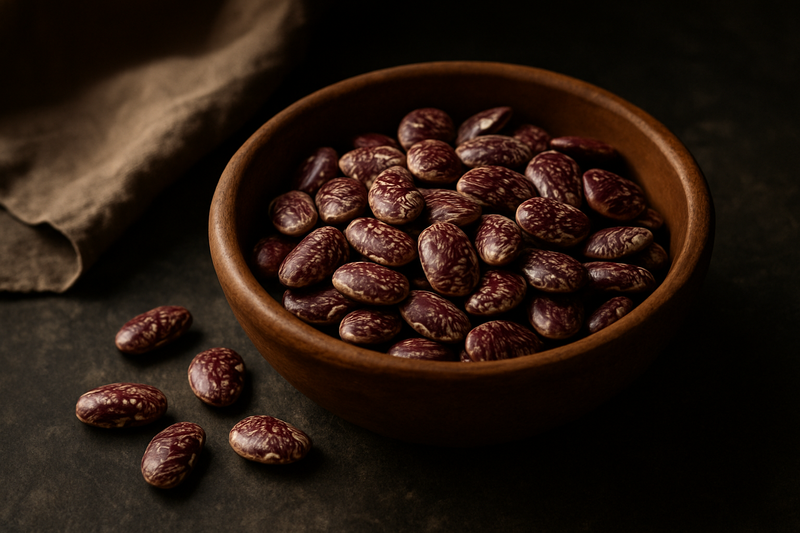
Christmas Lima Beans · Photograph
Discover Christmas lima beans health benefits and nutrition facts, from their impressive fiber and plant protein to folate, potassium, and heart-supportive compounds. Learn how to cook them safely, how much to eat, and why this buttery heirloom bean earns a place in a whole food plant-based diet.
Key Nutrients
% Daily Value based on 2,000 cal diet
Key active compounds
- Dietary fiber (soluble and insoluble fractions) — Non-digestible carbohydrates in the seed coat and interior that promote bowel regularity, feed beneficial gut bacteria, and help moderate cholesterol and blood sugar levels.
- Resistant starch — A starch fraction that bypasses digestion in the small intestine, reaching the colon where it acts like fiber, supporting microbial diversity and potentially improving insulin sensitivity.
- Polyphenols (flavonoids and phenolic acids) — Plant-based antioxidant compounds concentrated in the maroon-colored seed coat; may help modulate inflammation and support vascular (blood vessel) function.
- Phytates (phytic acid) — Naturally occurring phosphorus-containing compounds that can mildly reduce absorption of some minerals but also carry antioxidant properties in a mixed diet.
- Saponins — Surface-active glycosides found in legumes; preliminary research suggests cholesterol-lowering and immune-modulating potential, though most data are still from lab and animal studies.
- Cyanogenic glycosides — Compounds naturally present in raw lima beans that can release small amounts of hydrogen cyanide; fully neutralized by thorough boiling. This is why raw or undercooked lima beans should never be eaten.
Are Christmas lima beans good for you? Key health benefits
Heart and circulation
Regular legume consumption is associated with improved lipid profiles — meaning lower LDL ("bad") cholesterol and better overall cholesterol balance — in multiple human observational studies and randomized controlled trials. The mechanisms thought to be at work include soluble fiber binding to bile acids in the gut (which forces the liver to pull more cholesterol from the bloodstream to make new bile), resistant starch feeding gut bacteria that produce short-chain fatty acids with vascular benefits, and the simple act of replacing saturated-fat-containing foods with a low-fat, high-potassium food like Christmas lima beans.
Potassium is well established as a blood pressure–supporting nutrient; at roughly 950 mg per cooked cup, a single serving of Christmas lima beans provides about 20% of the recommended daily intake. Most of the cardiovascular evidence draws on mixed-legume and general bean trials rather than Christmas lima–specific studies, but their nutritional profile is comparable to varieties that have been directly tested.
Digestive health and microbiome
With around 11 g of dietary fiber per cooked cup, Christmas lima beans contribute substantially to the 25–38 g that most dietary guidelines recommend daily. The fiber includes both insoluble fractions (which add bulk and help move waste through the colon) and soluble fractions (which dissolve into a gel-like material, slowing digestion and feeding beneficial bacteria). Human research on legume intake consistently links regular bean consumption with improved bowel regularity and lower rates of constipation.
The fermentable fiber and resistant starch in Christmas lima beans also act as prebiotics — food for the beneficial bacteria in your gut microbiome. This microbial community influences digestion, immune signaling, and even mood-related neurotransmitter production. The trade-off: fermentation produces gas, and new bean eaters almost universally notice more flatulence when they first add beans to their diet. This typically settles within two to four weeks as the microbiome adjusts. Starting with a half-cup serving and increasing gradually helps.
Blood sugar and metabolism
Christmas lima beans provide a combination of slowly digested complex carbohydrates, substantial fiber, and moderate protein — a trio that collectively blunts the speed at which glucose enters the bloodstream after a meal. Clinical trials substituting beans and lentils for higher-glycemic foods (white rice, refined bread) in people with and without type 2 diabetes have found improvements in post-meal blood sugar levels and longer-term glycemic markers like HbA1c (a lab measure of average blood sugar over about three months). While most trials use mixed legumes rather than Christmas limas specifically, the macronutrient ratios are directly comparable.
Inflammation and recovery
Chronic low-grade inflammation — the kind that quietly drives risk for heart disease, type 2 diabetes, and certain cancers over years — is consistently lower in populations that eat legume-rich diets. The likely contributors from Christmas lima beans are multiple: fiber feeding anti-inflammatory gut bacteria, polyphenols from the seed coat neutralizing oxidative stress, and the replacement of pro-inflammatory foods (processed meat, refined carbs, saturated fat) with a low-fat plant food. This evidence is largely associative and extrapolated from broader legume research rather than direct Christmas lima trials, so "may help support" is the right framing — not "reduces inflammation."
Prep and pairing ideas
Christmas lima beans shine in long-cooked preparations where their buttery texture and chestnut flavor can develop fully.
Three practical pairings:
- Christmas limas + winter squash + smoked paprika: The natural sweetness of roasted butternut or kabocha squash plays perfectly against the earthy, chestnut-like bean. Smoked paprika adds depth without fat or sodium. Together they form a complete amino acid profile — the bean's lysine compensates for the grain's relative deficiency, and vice versa when served with rice or cornbread.
- Christmas limas + wilted greens + garlic: Collard greens, kale, or Swiss chard braised with garlic and a splash of apple cider vinegar turn a pot of Christmas limas into a nutrient-dense, iron-and-folate-rich dish. The vitamin C in the greens also improves absorption of the non-heme iron (the type found in plant foods) from the beans.
- Christmas limas + tomatoes + fresh herbs (pot bean style): Simmering the beans in a simple tomato broth with bay leaf, thyme, and onion is the traditional way to highlight their flavor. The acidity of tomatoes brightens the dish; avoid adding tomatoes to the pot during the first 45 minutes of cooking, as acid can toughen bean skins before they have fully softened.
Basic cooking method:
- Optional soak: cover dried beans with 3× their volume of cold water; refrigerate overnight; drain and rinse.
- Cover with fresh water by 2 inches; bring to a rolling boil for 10 minutes; reduce to a simmer.
- Cook 60–90 minutes, or until completely tender throughout (no chalky center).
- Season with salt only in the last 15 minutes to avoid toughening the skin.
Bottom line
Christmas lima beans are an heirloom legume with an unusually satisfying flavor profile and a nutritional résumé that is hard to argue with: substantial plant protein, exceptional dietary fiber, high folate and potassium, meaningful iron and magnesium, and a fat content so low it barely registers. The evidence base for regular legume consumption supporting heart health, blood sugar control, and digestive function is among the most consistent in nutritional science — and Christmas limas fit that category fully.
The main caveats are practical: always cook them fully (the raw-bean safety issue is real but entirely preventable), introduce them gradually to minimize GI discomfort, and check in with a healthcare provider if you have kidney disease or take medications that interact with potassium or blood sugar.
If you are looking for a gateway legume that makes it easier to eat beans more often — one that feels like comfort food rather than medicine — Christmas limas are a genuinely good place to start.
Looking for more ways to use high-fiber legumes in your daily meals? Explore Plantopedia's goals guides for evidence-aligned eating strategies built around whole plant foods.
How Christmas Lima Beans Compares
| Compared with | What's different |
|---|---|
| Christmas Lima Beans vs. Green Baby Lima Beans | Christmas limas have a chestnut-like flavor and starchy texture, while green limas are more buttery and mild. |
| Christmas Lima Beans vs. Pinto Beans | Christmas limas are much larger with a creamier interior and a thicker, decorative skin. |
Health Benefits
Things to Know
Always cook fully.: Raw and undercooked Christmas lima beans contain cyanogenic glycosides. Boiling until completely soft neutralizes them. Never eat lima beans raw, sprouted, or only briefly heated.
Introduce gradually.: Starting with ¼ to ½ cup servings and building up over two to three weeks substantially reduces gas and bloating for most people.
Kidney disease caution.: Cooked Christmas lima beans are high in potassium (roughly 950 mg per cup). People with chronic kidney disease or on potassium-restricted diets should consult a dietitian before adding them regularly.
Legume allergy.: People with known allergies to legumes or peanuts (a ground legume) may have cross-reactive responses to lima beans.
IBS and sensitive digestion.: The high fermentable fiber content can worsen symptoms in some people with irritable bowel syndrome. A low-FODMAP approach may require limiting or avoiding beans during flare-ups.
Medication interactions:
Diabetes medications (insulin, metformin, oral hypoglycemics): Adding significant portions of beans can improve glycemic control and may require medication adjustments over time. Monitor blood sugar and discuss with your provider.
Blood pressure medications and diuretics: The high potassium content can interact with potassium-sparing diuretics and ACE inhibitors; monitor potassium levels with your doctor.
Warfarin (blood thinner): Lima beans contain modest vitamin K; consistent rather than highly variable intake is advisable.
Pregnancy and breastfeeding: Fully cooked Christmas lima beans are safe and nutritionally beneficial (especially for folate). Avoid raw or undercooked beans.
Children: Safe when fully cooked and cut or mashed appropriately for age; choking risk with whole large beans in young toddlers.
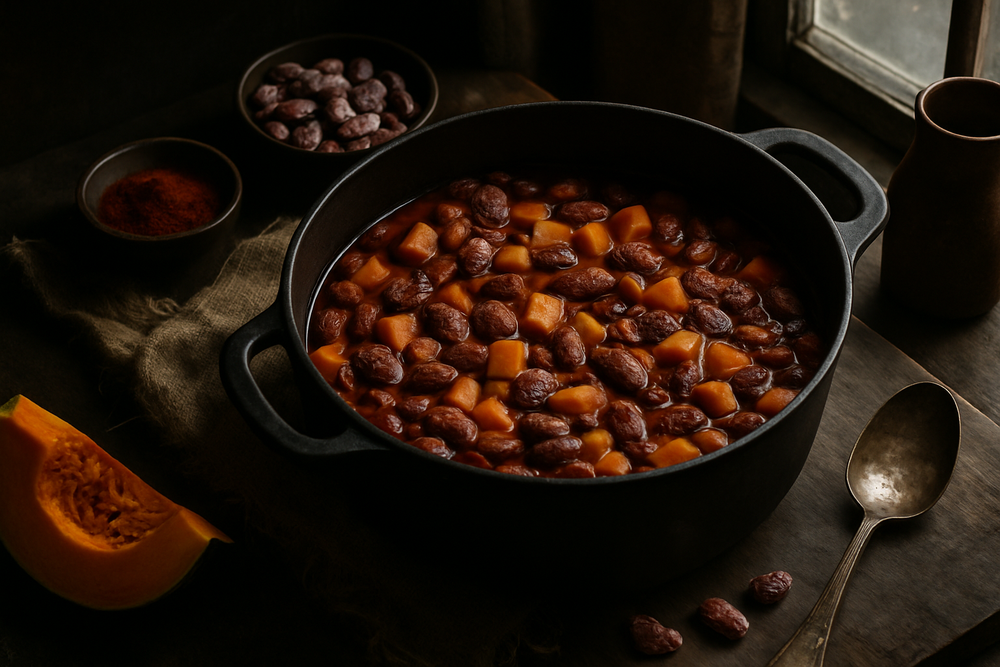
Prep Ideas
- — Christmas limas + winter squash + smoked paprika: The natural sweetness of roasted butternut or kabocha squash plays perfectly against the earthy, chestnut-like bean. Smoked paprika adds depth without fat or sodium. Together they form a complete amino acid profile — the bean's lysine compensates for the grain's relative deficiency, and vice versa when served with rice or cornbread.
- — Christmas limas + wilted greens + garlic: Collard greens, kale, or Swiss chard braised with garlic and a splash of apple cider vinegar turn a pot of Christmas limas into a nutrient-dense, iron-and-folate-rich dish. The vitamin C in the greens also improves absorption of the non-heme iron (the type found in plant foods) from the beans.
- — Christmas limas + tomatoes + fresh herbs (pot bean style): Simmering the beans in a simple tomato broth with bay leaf, thyme, and onion is the traditional way to highlight their flavor. The acidity of tomatoes brightens the dish; avoid adding tomatoes to the pot during the first 45 minutes of cooking, as acid can toughen bean skins before they have fully softened.
- — Optional soak: cover dried beans with 3× their volume of cold water; refrigerate overnight; drain and rinse.
- — Cover with fresh water by 2 inches; bring to a rolling boil for 10 minutes; reduce to a simmer.
- — Cook 60–90 minutes, or until completely tender throughout (no chalky center).
- — Season with salt only in the last 15 minutes to avoid toughening the skin.
Shop This Ingredient
Stock your pantry with quality christmas lima beans.
Buy on AmazonAs an Amazon Associate, Plantopedia earns from qualifying purchases. This costs you nothing extra and helps us keep the encyclopedia free.
Frequently Asked Questions
Buying guide: dry, canned, or something else? Dried Christmas lima beans (whole, uncooked) are the standard form and are sold by heirloom seed companies and specialty food retailers. They store well in a cool, dry pantry for up to two years and retain full nutritional value when cooked at home. Look for beans with vibrant maroon-and-cream coloring; very faded coloring may indicate old stock with diminished flavor (nutrition is largely preserved, but taste suffers). Cooked Christmas lima beans (home-prepared) are the nutritional gold standard. Soaking overnight (optional but speeds cooking) in cold water, discarding the soak water, then simmering in fresh water for 60–90 minutes until fully tender is the standard approach. Always use a rolling boil for at least the first 10 minutes to ensure any naturally occurring cyanogenic glycosides are fully neutralized. Canned lima beans offer convenience and are nutritionally close, though they are rarely labeled specifically as Christmas limas — you will usually get a generic large lima. Rinsing canned beans reduces sodium content by around 40% without meaningfully affecting fiber or protein. Canned beans are already cooked so the safety issue does not apply, but they should still be heated before serving. Label tips: For dried Christmas limas, look for a country-of-origin statement and a harvest year if possible. Avoid bags with visible cracks, shriveling, or pale dusty residue. For canned options, choose "no added salt" or "low sodium" where possible.
Public health guidance from Harvard's Nutrition Source and general dietary guidelines recommends at least 3–4 servings of legumes per week, with stronger benefits seen around ½ to 1½ cups of cooked beans per day. Most clinical trials showing cardiovascular and glycemic benefits land in this range. For people new to beans, start with ¼ cup cooked (roughly 50 g) and work up over two to four weeks. For established bean eaters, ½ to 1 cup per meal, three to five times per week is a reasonable and practical target consistent with the evidence. There is no established upper limit for healthy adults, but very large amounts (several cups daily) may cause GI discomfort, and people with kidney disease or on potassium-restricted diets should not treat these serving targets as universally applicable — individualized guidance from a dietitian is appropriate in those cases.
Quick Answers
Common questions, answered in a line.
Christmas lima beans are rich in dietary fiber, plant protein, folate, and potassium, which collectively support heart health and blood sugar regulation. They also contain resistant starch and polyphenols that promote a healthy gut microbiome and may help modulate inflammation.
Yes, Christmas lima beans are an excellent source of dietary fiber, providing about 11 grams per cooked cup. This includes both soluble fiber, which helps manage cholesterol, and insoluble fiber, which supports bowel regularity and prevents constipation.
You should never eat raw or undercooked Christmas lima beans because they contain cyanogenic glycosides that can release hydrogen cyanide. Thoroughly boiling the beans until they are completely soft and no longer chalky in the center fully neutralizes these compounds.
Christmas lima beans may improve heart health by lowering LDL ("bad") cholesterol and supporting healthy blood pressure. Their high fiber content binds to bile acids to reduce blood cholesterol, while their high potassium levels (950 mg per cup) support vascular function.
Christmas lima beans help regulate blood sugar by providing a combination of slowly digested complex carbohydrates, fiber, and protein. This trio slows down glucose absorption, which can improve post-meal blood sugar levels and long-term markers like HbA1c.
To cook dried Christmas lima beans, soak them overnight, then boil in fresh water for 10 minutes before simmering for 60 to 90 minutes. Do not add salt or acidic ingredients like tomatoes until the final stage of cooking to ensure the skins soften properly.
Christmas lima beans may cause gas and bloating initially due to their high fermentable fiber and resistant starch content. Most people find these digestive symptoms settle within two to four weeks as the gut microbiome adjusts to the increased fiber.
For Readers in the USA
Local context — sourcing, seasonality, and regional notes.
Christmas lima beans, often called "Calico beans" in the US, are widely available at Whole Foods Market, specialty heirloom sellers like Rancho Gordo, and regional farmers markets. While not as common as standard lima beans in every grocery store, you can often find them in the bulk bins or organic sections of national retailers.
In the United States, Christmas lima beans are primarily grown in the warm, dry climates of the Southwest and California, though they are also a staple of Southern heirloom gardening. While they are harvested in the late summer and fall, you will typically find them year-round in their dried form at American markets.
When buying these beans in the US, look for the USDA Organic seal to ensure they were grown without synthetic pesticides or fertilizers. The FDA also advises that all lima bean varieties must be thoroughly boiled to neutralize naturally occurring cyanogenic glycosides, a standard safety practice for domestic legume consumption.
AI Clinical Review
- Strong, evidence-aligned case for legumes improving cardiometabolic health via fiber, resistant starch, and potassium; Christmas limas have a comparable nutrient profile to other large limas.
- Safety emphasis is appropriate: raw/undercooked lima beans can contain cyanogenic glycosides; boiling neutralizes them.
- Digestive benefits are framed realistically: fiber and resistant starch support regularity and the microbiome, with practical advice to ramp portions to reduce gas.
- Practical prep tips (soak optional, salt late, canned beans are fine and rinsing reduces sodium substantially) are accurate and consumer-friendly.
- Most health outcome data come from mixed-legume studies, not Christmas lima–specific trials; benefits are inferred from similar composition.
- Anti-inflammatory or immune effects attributed to polyphenols and saponins are promising but remain limited in human trials.
- Reported micronutrient values are estimates; growing conditions, storage, and cooking method can shift potassium, folate, and fiber content.
- Glycemic improvements vary by portion size and overall meal pattern; individual responses can differ, especially in diabetes.
- Safety first: never eat raw or partially cooked limas. Bring to a rolling boil for ~10 minutes, then simmer until fully tender; avoid slow-cooker–only methods that may not reach a vigorous boil.
- Reasonable intake: for most adults, 1/2–1 cup cooked per meal a few times per week fits the evidence; new bean eaters can start with 1/4–1/2 cup and increase over 2–4 weeks.
- Who should check with a clinician: people with chronic kidney disease or on potassium-sparing diuretics, ACE inhibitors/ARBs; those on diabetes medications (glucose may improve, affecting dosing); individuals with legume/peanut allergy or IBS following a low-FODMAP plan.
- Form matters less than preparation: dried/home-cooked is economical; canned is comparable nutritionally—rinse to lower sodium—while ensuring the beans are fully cooked before eating.
Cook fully; lima beans naturally contain compounds that must be neutralized by boiling.
References
- USDA FoodData Central — Large lima beans, cooked, boiled (core nutrition data used throughout this guide): (fdc.nal.usda.gov)
- Harvard T.H. Chan School of Public Health — Legumes and Pulses overview (evidence summary on legumes and cardiovascular and metabolic health): (nutritionsource.hsph.harvard.edu)
- Healthline — Lima Beans: Nutrients, Benefits, Downsides, and More (accessible evidence summary with citations to human trials): (healthline.com)
- WebMD — Health Benefits of Lima Beans (clinical benefit overview for general readers): (webmd.com)
- University of Rochester Medical Center — Lima Bean Nutrition Facts (micronutrient and health property reference): (urmc.rochester.edu)
- North Bay Trading Co. — Christmas Lima Beans product nutrition panel (heirloom variety label reference for fiber and protein data): (northbaytrading.com)
- Woodland Foods — Christmas Lima Beans product description (culinary and variety reference): (shop.woodlandfoods.com)
- The Plant-Based Diet — Christmas Lima Bean Soup and nutrition notes (recipe and nutrient context for whole food plant-based use): (theplantbaseddiet.com)
- Hosna Export — Properties of Lima Beans for Health (summary of micronutrient roles and safety considerations): (hosnaexport.com)
- Dave's Garden — Christmas Lima Bean Heirloom Variety Guide (botanical and heritage background): (davesgarden.com)
Know Your Numbers
Eating healthy is a start. Now get to know your biomarkers.
Food changes bloodwork — inflammation, lipids, blood sugar and nutrient status all respond to what you eat. 59 markers from $59.
- Results in 7–10 days at 2,000+ Quest sites
- Licensed provider reviews every result
- One flat price, no membership, HSA/FSA eligible
Educational information only, not medical advice. Panels are ordered and reviewed through our licensed partner; Plantopedia may earn a commission.