Speckled Butter Beans — health benefits and uses
A cherished Southern summer bean for slow, savory pots.
The Short Answer
Speckled butter beans are a nutritious legume providing 6g of protein and 5g of fiber per half-cup serving. They are prized for their creamy texture and high concentration of heart-healthy potassium and resistant starch.
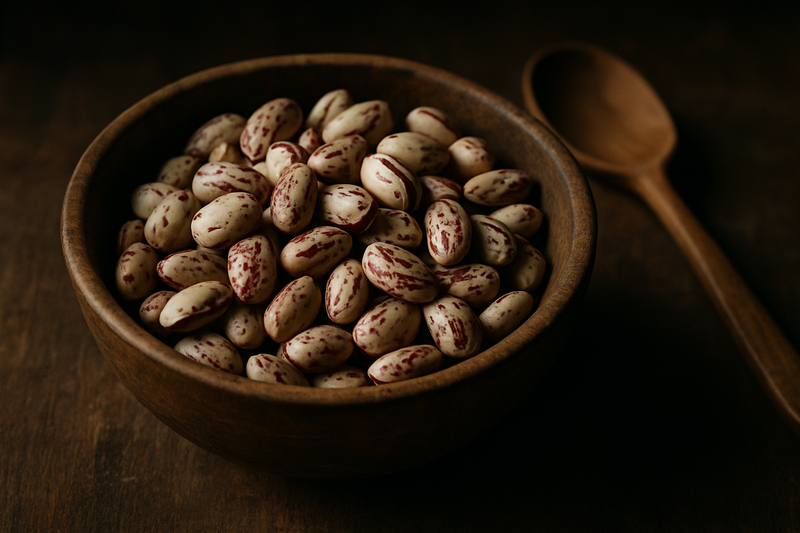
Speckled Butter Beans · Photograph
Discover speckled butter beans nutrition and health benefits — from heart support and blood sugar balance to gut health and plant protein. Learn how to cook them safely, what the research says, and how to make them a regular part of your whole-food diet.
Key Nutrients
% Daily Value based on 2,000 cal diet
Key active compounds
Speckled butter beans contain several compounds that researchers think drive their health associations:
- Resistant starch — a type of carbohydrate that passes undigested to the colon, where gut bacteria ferment it into short-chain fatty acids (SCFAs) like butyrate. SCFAs nourish the gut lining and are linked to better blood sugar regulation and reduced inflammation.
- Soluble and insoluble fiber — soluble fiber dissolves in water and can help lower LDL ("bad") cholesterol; insoluble fiber adds bulk and speeds transit time through the digestive tract.
- Polyphenols and flavonoids — plant-derived antioxidant compounds that may reduce oxidative stress (cellular damage from unstable molecules) and support cardiovascular and metabolic health. The purple speckling on the bean skin reflects a higher concentration of these pigment-based antioxidants.
- Bile acid-binding components — fiber and related compounds that can bind bile acids in the intestine, encouraging the liver to draw on cholesterol to make more, which may modestly lower blood cholesterol levels.
- Cyanogenic glycosides (linamarin) — a natural defense compound in raw lima-type beans that can release cyanide if beans are eaten raw or barely cooked. Full boiling destroys them. This is not a benefit — it is the reason thorough cooking is non-negotiable.
Prep and pairing ideas
Classic Southern simmer Cover soaked and rinsed dried speckled butter beans with fresh water (about 3 inches above the beans). Bring to a rolling boil for 10 minutes, then add half a yellow onion, a bay leaf, and a pinch of black pepper. Reduce to a low simmer, cover partially, and cook 45–90 minutes until creamy and tender. Finish with a drizzle of good olive oil or a sliver of smoked paprika.
Three practical pairings:
- Speckled butter beans + collard greens — A Southern classic. The beans supply plant protein and starchy creaminess; the greens add calcium, vitamin K, and bitter contrast. Cook them separately and combine in the bowl, or simmer together with a sliced onion.
- Speckled butter beans + brown rice — Together they form a complementary amino acid profile (the protein building blocks each food lacks alone). This is a complete, satisfying, low-fat meal base for about 300 calories.
- Speckled butter beans + tomatoes and garlic — Acidic tomatoes brighten the rich, starchy flavor of the beans. The lycopene in cooked tomatoes is fat-soluble, so a small drizzle of olive oil enhances absorption. Works well as a quick pan sauce over simmered beans.
Bottom line
Speckled butter beans are one of the most nutritionally well-rounded legumes you can add to a whole-food, plant-based diet. They deliver plant protein, filling fiber, blood-pressure-supporting potassium, and pregnancy-relevant folate in a low-fat package that costs very little and stores well. The evidence base — primarily from legume category research — consistently supports their role in heart health, blood sugar balance, digestive regularity, and anti-inflammatory dietary patterns.
The one non-negotiable: always cook them fully. Dried and frozen speckled butter beans must be boiled before eating. Beyond that, they are straightforward, versatile, and genuinely delicious simmered Southern-style with onion until creamy. Aim for several servings a week as part of a varied, vegetable-rich diet and the nutritional payoff is real.
Looking to build a whole diet around legume-rich ingredients? Explore our goal-based eating guides for practical frameworks that include speckled butter beans alongside other whole foods.
How Speckled Butter Beans Compares
| Compared with | What's different |
|---|---|
| Speckled Butter Beans vs. White Butter Beans | Speckled varieties have a richer, nuttier flavor and higher antioxidant content in the skin. |
| Speckled Butter Beans vs. Pinto Beans | Larger and creamier than pinto beans, which have a more earthy, cocoa-like undertone. |
Health Benefits
Things to Know
Cook fully — this is essential.: Raw or undercooked dried speckled butter beans contain cyanogenic glycosides that can release cyanide. Soak dried beans for 4–12 hours, discard soaking water, rinse, then boil in fresh water for at least 10 minutes before reducing to a simmer until fully tender. Canned beans are pre-cooked and carry no cyanide risk.
Kidney disease / potassium restriction: Speckled butter beans contain moderate potassium (around 370 mg per ½ cup). People with chronic kidney disease who are on potassium-restricted diets should discuss appropriate serving sizes with a dietitian or clinician.
IBS and low-FODMAP diets: The fermentable fibers in legumes (FODMAPs) can trigger symptoms in people with irritable bowel syndrome. Standard lima bean portions may need to be reduced or avoided during a strict elimination phase; a dietitian can advise.
Medication interactions:
ACE inhibitors, ARBs, and potassium-sparing diuretics: Regular high-legume intake may affect total potassium load. Monitor as directed by your clinician.
Glucose-lowering medications (insulin, sulfonylureas): Improved blood sugar control from higher legume intake could require medication adjustment. Work with your healthcare team.
Oral medications generally: High-fiber meals can alter absorption of some drugs. Spacing tablets and legume-heavy meals by 1–2 hours is a reasonable precaution in sensitive cases.
Pregnancy: Folate from speckled butter beans supports fetal neural tube development. Always ensure beans are fully cooked; undercooked lima beans are not safe for anyone, including pregnant individuals.
Legume allergy: Rare with lima beans, but people with known legume allergies should exercise caution.
Gas and bloating: Common when increasing legume intake quickly. Start with small portions (¼ cup) and build gradually.
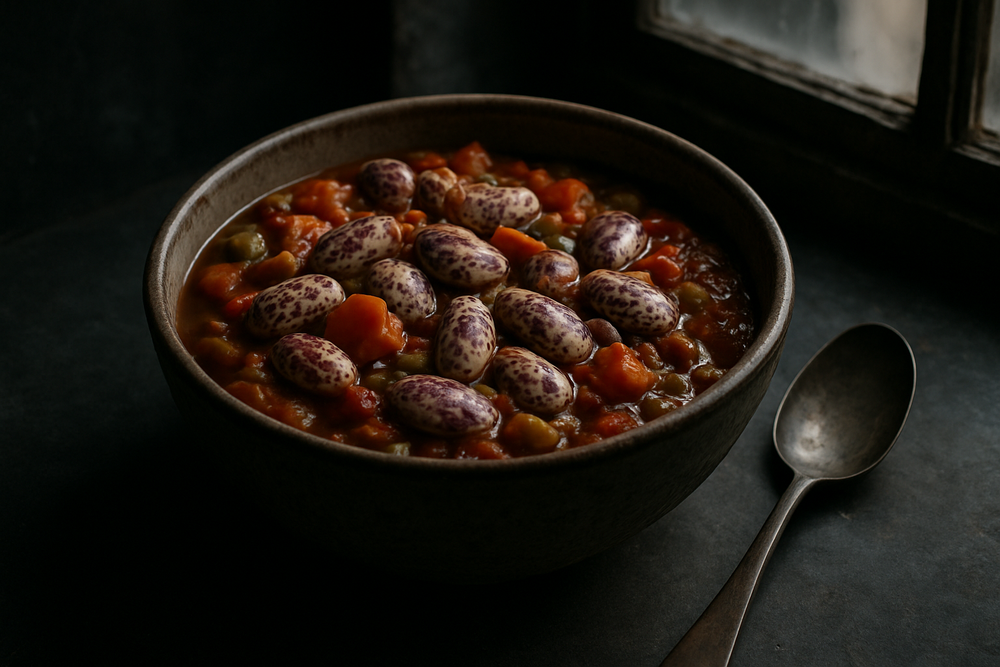
Prep Ideas
- — Speckled butter beans + collard greens — A Southern classic. The beans supply plant protein and starchy creaminess; the greens add calcium, vitamin K, and bitter contrast. Cook them separately and combine in the bowl, or simmer together with a sliced onion.
- — Speckled butter beans + brown rice — Together they form a complementary amino acid profile (the protein building blocks each food lacks alone). This is a complete, satisfying, low-fat meal base for about 300 calories.
- — Speckled butter beans + tomatoes and garlic — Acidic tomatoes brighten the rich, starchy flavor of the beans. The lycopene in cooked tomatoes is fat-soluble, so a small drizzle of olive oil enhances absorption. Works well as a quick pan sauce over simmered beans.
Shop This Ingredient
Stock your pantry with quality speckled butter beans.
Buy on AmazonAs an Amazon Associate, Plantopedia earns from qualifying purchases. This costs you nothing extra and helps us keep the encyclopedia free.
Frequently Asked Questions
Most of the available science studies legumes as a broad category rather than speckled butter beans specifically. Where lima bean-specific data exist, they are noted. The patterns are consistent enough that nutrition bodies like Harvard's T.H. Chan School of Public Health recommend legumes as a cornerstone of a healthy diet. Heart and circulation Regular legume consumption is associated with lower risk of cardiovascular disease in observational studies. The likely mechanisms include: Potassium and magnesium supporting healthy blood pressure by balancing sodium and relaxing blood vessel walls. Soluble fiber binding LDL cholesterol in the gut and reducing its absorption. Plant protein replacing saturated-fat-containing animal proteins, which further improves lipid (fat-in-blood) profiles. Bile acid-binding activity in legume fiber that encourages cholesterol conversion in the liver. Dietary patterns that emphasize legumes — such as Mediterranean-style eating — are consistently linked to better blood pressure and lipid outcomes in human populations. The evidence is moderate strength; speckled butter beans contribute to these effects as part of a regular legume-rich diet. Digestive health and microbiome With 5 g of fiber per half-cup serving, speckled butter beans provide about 18% of the recommended daily intake in one modest portion. Human observational and intervention studies consistently show that higher fiber intakes from legumes: Improve stool bulk and bowel regularity Reduce risk of constipation and diverticular disease (small pouches that can form in the colon) Act as a prebiotic — food for beneficial gut bacteria — which produce SCFAs that may lower colon cancer risk Women eating four or more servings of legumes per week had significantly fewer colorectal adenomas (pre-cancerous growths in the colon) than those eating one serving or less, according to one cohort study cited in legume reviews. Evidence for digestive benefits is among the strongest areas for legumes overall. Blood sugar and metabolism Speckled butter beans have a low glycemic index (a measure of how fast a food raises blood sugar) thanks to their combination of fiber, resistant starch, and protein, which all slow glucose absorption. Research on legumes suggests: Post-meal blood sugar spikes are smaller after legume-containing meals compared with refined carbohydrate meals. Higher legume intake is associated with lower risk of type 2 diabetes in observational data. Magnesium — of which speckled butter beans are a good source — is involved in insulin signaling, and higher dietary magnesium is associated with reduced diabetes risk. Evidence here is rated moderate. No trials have been conducted specifically on speckled butter beans, but the nutrient composition aligns well with the broader legume evidence base. Inflammation and recovery Research on lima beans and legumes more broadly points to anti-inflammatory activity from polyphenols, flavonoids, and fiber-driven SCFA production. Legume-rich dietary patterns are associated with lower markers of systemic inflammation (body-wide low-level immune activity linked to chronic disease). However: Most evidence is indirect — drawn from nutrient composition studies, observational data, and mixed-legume interventions. Direct clinical trials measuring inflammation markers from speckled butter bean consumption specifically do not yet exist. The effect is considered emerging and is likely modest and dependent on the overall diet. Hormones and cycle health Speckled butter beans are not a hormonal food in the way that phytoestrogen-rich soy is, but their folate content is relevant for reproductive health. Folate is essential for DNA synthesis and is strongly linked to prevention of neural tube defects during early pregnancy. Getting adequate folate from varied whole-food sources — including legumes — matters most during the first trimester and for people who may become pregnant. This is a general folate effect rather than something unique to speckled butter beans.
The legume-curious plant-eater Looking to add more plant protein without supplements or processed meat alternatives Fiber intake is below the recommended 25–38 g/day Wants a filling, low-fat carbohydrate source that does not spike blood sugar The heart-health focused 50+ Managing blood pressure or cholesterol with diet alongside any prescribed treatment Potassium and magnesium intake from whole foods is a goal Replacing some animal protein with plant protein as part of a broader dietary shift
Dried (whole) Best for control over sodium, texture, and cost. Look for beans with bright, even speckling and no signs of moisture or mold. Store in an airtight container in a cool, dark cupboard — they keep for up to a year but cook faster and taste better within six months. Frozen Convenient and nutritionally comparable to home-cooked dried beans. Pre-shelled and usually blanched. Check the ingredient list — ideally just beans, no added salt or preservatives. Brands like Pictsweet offer classic Southern-style frozen speckled butter beans. Canned Already fully cooked and safe to eat after rinsing. Rinse in a colander under cold water for 30–60 seconds to reduce sodium by roughly 40%. Choose low-sodium or no-salt-added varieties when available. Nutrient profile is similar to home-cooked beans. Label tip: Whether buying frozen or canned, "speckled butter beans" and "speckled lima beans" are often used interchangeably on Southern-brand products. If the product shows a cream-and-purple mottled bean, it is the same variety.
There is no official daily dose for speckled butter beans specifically, but legume research and dietary guidelines offer useful benchmarks: Per meal: ½ to 1 cup cooked (roughly 80–170 g) is a typical culinary portion and aligns with the amounts used in legume research. Per week: Most benefit-associated research clusters around 4 or more legume servings per week for cardiometabolic and colorectal health outcomes. Even 2–3 servings weekly is a meaningful step up for most people. Start low: If you are new to legumes or reintroducing them after a break, begin with ¼ cup per sitting and increase gradually over 2–3 weeks to allow your gut bacteria to adapt and reduce gas. No firm upper limit has been established for healthy adults eating whole cooked legumes. Eating a cup of beans daily — about 2 servings — is common in Blue Zone populations and well-tolerated by most people over time.
Quick Answers
Common questions, answered in a line.
Speckled butter beans are a nutrient-dense legume providing plant-based protein, filling fiber, potassium, and folate in a low-fat package. They are also rich in resistant starch and pigment-based antioxidants like polyphenols and flavonoids that support metabolic health.
Raw or undercooked speckled butter beans contain cyanogenic glycosides, natural compounds that can release cyanide if not destroyed by heat. To ensure they are safe, dried beans must be soaked, rinsed, and boiled for at least 10 minutes before simmering until tender.
Speckled butter beans support heart health through soluble fiber and bile acid-binding components that help lower LDL ("bad") cholesterol. Their potassium content supports healthy blood pressure, while antioxidants like flavonoids help reduce oxidative stress in the cardiovascular system.
Speckled butter beans contain resistant starch and fermentable fibers that pass to the colon, where gut bacteria turn them into short-chain fatty acids like butyrate. These fatty acids nourish the gut lining and help maintain digestive regularity.
To cook dried speckled butter beans, soak them for 4–12 hours, rinse, and then boil in fresh water for 10 minutes to neutralize toxins. Afterwards, reduce to a simmer for 45–90 minutes with aromatics like onion and bay leaf until they reach a creamy texture.
Pairing speckled butter beans with brown rice creates a complete protein profile by providing complementary amino acids that neither food contains alone. This combination serves as a satisfying, low-fat meal base for a plant-based diet.
Individuals with chronic kidney disease who are on potassium-restricted diets should consult a dietitian before eating speckled butter beans due to their moderate potassium content. People with IBS may also need to limit portions because of fermentable fibers (FODMAPs) that can cause gas or bloating.
For Readers in the USA
Local context — sourcing, seasonality, and regional notes.
In the United States, speckled butter beans are a staple of Southern agriculture, primarily grown in states like Georgia, Mississippi, and Alabama. While they thrive in the hot, humid summers of the South, they can be grown in any US region with a frost-free window of at least 90 days.
You can find speckled butter beans at major US retailers like Walmart, Kroger, and Publix, usually in the canned or dried legume aisle. For the freshest options, check Southern farmers markets from late summer through early fall, or look for frozen varieties year-round in the freezer section.
The FDA requires all lima-type beans sold in the US, including speckled butter beans, to contain minimal levels of cyanide-producing compounds to ensure consumer safety. Additionally, look for the USDA Organic seal if you want to ensure the beans were grown without synthetic pesticides or fertilizers.
Speckled butter beans are deeply rooted in Southern US food culture, where they are traditionally served at family gatherings and "meat-and-three" restaurants. They are often simmered with aromatics and served alongside cornbread, representing a key element of Appalachian and Gullah Geechee culinary heritage.
AI Clinical Review
- Clearly explains that raw/undercooked lima-type beans contain cyanogenic compounds and must be fully boiled; notes that canned beans are already cooked and safe after rinsing.
- Provides a realistic nutrition snapshot per ½ cup (about 6 g protein, 5 g fiber, ~100 kcal) and highlights shortfall nutrients like potassium, folate, and magnesium.
- Accurately reflects the broader legume evidence for heart, glycemic, and gut health benefits, tying mechanisms to fiber, resistant starch, and short-chain fatty acids (SCFAs).
- Offers practical tips that improve tolerability and sodium management (soaking/cooking thoroughly; rinsing canned beans to reduce sodium).
- Most health claims are extrapolated from mixed-legume research; there are few human trials focused specifically on speckled butter beans or even lima beans as a distinct variety.
- Antioxidant/pigment and bile acid–binding discussions are largely mechanistic or based on surrogate markers, not hard clinical outcomes for this bean.
- Anti-inflammatory and microbiome effects are promising but likely modest and depend on overall dietary pattern and portion consistency.
- The exact glycemic index for speckled butter beans isn’t well established; individual responses vary with preparation method and meal composition.
- Safety first: Soak dried beans, then boil vigorously for at least 10 minutes before reducing to a simmer until fully tender. If using a slow cooker, pre-boil on the stovetop to ensure adequate heat. Undercooked lima-type beans are not safe.
- Sensible amounts: ½–1 cup cooked per meal is typical; aiming for ~3–4+ legume servings weekly aligns with much of the research. New to legumes? Start at ~¼ cup and build up to limit gas.
- Who should check in with a clinician: People with chronic kidney disease or on potassium-raising drugs (ACE inhibitors, ARBs, potassium‑sparing diuretics); individuals with diabetes using insulin or sulfonylureas (glycemia may improve, requiring medication review); those with IBS or on a low‑FODMAP plan may need smaller portions.
- Medications and fiber: High‑fiber meals can affect absorption of some oral drugs; spacing medicines and bean‑heavy meals by 1–2 hours can help when advised by your clinician.
- Form matters: Canned beans can be higher in sodium—choose no‑salt‑added when possible and rinse to lower sodium; frozen speckled butter beans are convenient and nutritionally comparable to home‑cooked.
Cook fully; lima-type beans must be boiled to be safe.
References
- USDA FoodData Central — cooked lima beans, standard reference (fdc.nal.usda.gov)
- Harvard T.H. Chan School of Public Health Nutrition Source — Legumes and Pulses overview (nutritionsource.hsph.harvard.edu)
- Lima Bean (Phaseolus lunatus L.): A Health Perspective — peer-reviewed review, International Journal of Scientific & Technology Research (ijstr.org)
- Lima Beans — Open Access Pub International Journal of Nutrition review (oap-lifescience.org)
- Ethnobotanical and nutritional aspects of lima bean — Direct Research Publisher (journals.directresearchpublisher.org)
- Speckled Butter Beans by The Pictsweet Company — product nutrition data (nutritionvalue.org)
- Speckled Butter Beans — Prospre ingredient nutrient analysis (prospre.io)
- Cook Dry Lima Beans Safely: Soak, Boil, Enjoy — safety guide on cyanogenic compounds (spice.alibaba.com)
- Can You Eat Raw Lima Beans? — consumer safety overview of linamarin and safe cooking (liptouchfoods.com)
- Health Benefits of Eating Lima Beans — HealWithFood overview with referenced studies (healwithfood.org)
Know Your Numbers
Eating healthy is a start. Now get to know your biomarkers.
Food changes bloodwork — inflammation, lipids, blood sugar and nutrient status all respond to what you eat. 59 markers from $59.
- Results in 7–10 days at 2,000+ Quest sites
- Licensed provider reviews every result
- One flat price, no membership, HSA/FSA eligible
Educational information only, not medical advice. Panels are ordered and reviewed through our licensed partner; Plantopedia may earn a commission.