Master the health benefits of pomegranate. Learn how punicalagins and urolithin A protect cardiovascular function, lower oxidative stress, a
Fiber + phytonutrients; use as a whole-food sweet, snack, or smoothie base
The Short Answer
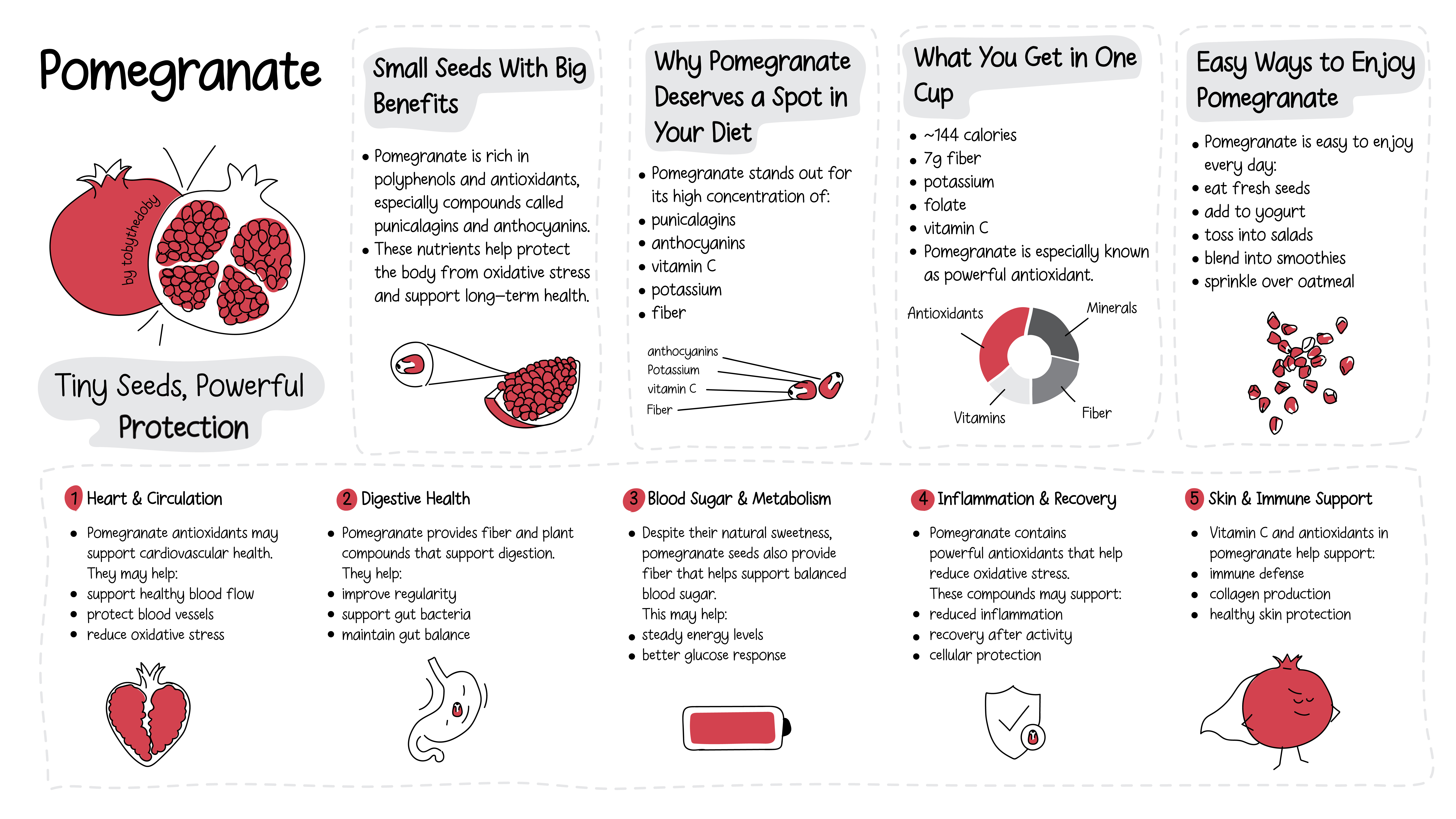
Pomegranates are highly nutritious fruits known for their potent antioxidants called punicalagins. One cup of arils provides 11.3 grams of fiber and 46.2 mcg of Vitamin K, supporting heart health and cellular repair.

Pomegranate · Photograph
Pomegranate contains some of the highest levels of antioxidants found in any fruit, particularly a class of compounds called punicalagins. These powerful plant chemicals neutralize free radicals and support your body's natural defenses against oxidative stress.
Key Nutrients
% Daily Value based on 2,000 cal diet
Why Pomegranate Matters for Your Health
Pomegranate contains some of the highest levels of antioxidants found in any fruit, particularly a class of compounds called punicalagins. These powerful plant chemicals neutralize free radicals and support your body's natural defenses against oxidative stress.
Unlike many antioxidant-rich foods that lose their potency during digestion, pomegranate's beneficial compounds are converted by gut bacteria into metabolites like Urolithin A, which remain stable and bioavailable, allowing the body to use them effectively for cellular repair.
Key Active Compounds: The Ellagitannin Matrix
The therapeutic potential of pomegranate is driven by its specialized secondary metabolites:
- Punicalagins: The major ellagitannin in pomegranate, responsible for much of its potent antioxidant activity.
- Anthocyanins: Water-soluble pigments that provide the deep red color and support vascular health.
- Punicic Acid: A unique polyunsaturated fatty acid found in the seed oil, known for its anti-inflammatory properties.
- Urolithin A: A metabolite produced by your gut microbiome from pomegranate compounds, linked to mitochondrial health.
- Flavonoids: Including catechins and flavonols that support overall cellular integrity.
Conclusion
Pomegranate earns its "super fruit" status through an impressive array of ellagitannins and anthocyanins that support heart health, systemic recovery, and immune function. While fresh arils provide the complete nutritional package—including essential fiber—pure, unsweetened juice remains a potent source of bioavailable antioxidants.
Consistency is key; regularly including small amounts of pomegranate in your diet provides the greatest long-term health benefits. Ready to plan balanced meals with pomegranates? Our meal planner helps you create nutritious combinations that work with your health goals.
How Pomegranate Compares
| Compared with | What's different |
|---|---|
| Pomegranate vs. Cranberry | Pomegranates have edible seeds (arils), while cranberries are smaller, tarter, and usually cooked. |
| Pomegranate vs. Blueberry | Pomegranates provide more fiber (11g per cup) and unique punicalagins not found in blueberries. |
Health Benefits
Things to Know
Blood Thinners: Due to its Vitamin K content, those on Warfarin should maintain consistent intake and consult their doctor.
Kidney Considerations: Individuals with advanced kidney disease (CKD) should exercise caution due to elevated potassium levels.
Medication Interactions: Pomegranate may interact with certain medications metabolized by the liver (CYP3A4 enzymes), similar to grapefruit juice.
Diabetes Management: While fiber helps, the natural sugars in pomegranate juice are concentrated; people with diabetes should prioritize whole arils over juice.
Common Uses
- —Consuming 4–8 oz of pure pomegranate juice after exercise to reduce oxidative stress and muscle soreness.
- —Adding fresh arils to greens to utilize the high fiber content for gut health and microbiome support.
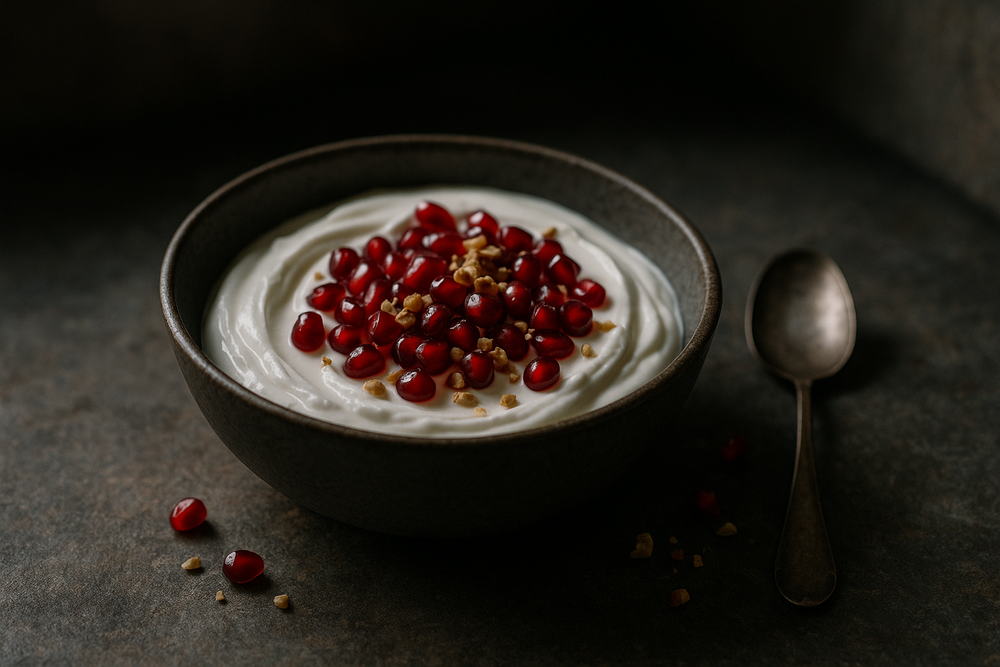
- —Mixing arils into Greek yogurt or oatmeal to provide potassium for blood pressure regulation and Vitamin K for bone health.
- —Integrating pomegranate into a daily routine to promote the production of Urolithin A for better cellular energy.
- —Eating the whole arils (seeds included) to ensure the fiber slows the absorption of the fruit's natural sugars.
- —Using the Vitamin C in pomegranates to enhance the uptake of non-heme iron from plant-based meals.
Prep Ideas
- — Pomegranates are rich in punicalagins, unique ellagitannins that offer three times the antioxidant activity of red wine or green tea.
- — Gut bacteria convert pomegranate compounds into Urolithin A, a metabolite that helps cells recycle damaged mitochondria and improves muscle function.
- — A single fruit provides over 11 grams of fiber (40% of the Daily Value), essential for microbiome diversity and blood sugar stability.
- — The anthocyanins and potassium in pomegranates support healthy blood pressure and protect against the oxidation of LDL cholesterol.
- — Pomegranate compounds help maintain the health of the endothelium (the lining of blood vessels), promoting better circulation.
- — The seeds contain punicic acid, a unique fatty acid that helps modulate the body's inflammatory response.
- — Research suggests pomegranate juice can lower C-reactive protein (CRP) levels, a key marker of chronic systemic inflammation.
- — Cellular Recovery Drink: Consuming 4–8 oz of pure pomegranate juice after exercise to reduce oxidative stress and muscle soreness.
- — Prebiotic Salad Topping: Adding fresh arils to greens to utilize the high fiber content for gut health and microbiome support.
- — Heart-Healthy Breakfast: Mixing arils into Greek yogurt or oatmeal to provide potassium for blood pressure regulation and Vitamin K for bone health.
- — Mitochondrial Support: Integrating pomegranate into a daily routine to promote the production of Urolithin A for better cellular energy.
- — Natural Glucose Buffer: Eating the whole arils (seeds included) to ensure the fiber slows the absorption of the fruit's natural sugars.
- — Iron-Absorption Catalyst: Using the Vitamin C in pomegranates to enhance the uptake of non-heme iron from plant-based meals.
Glossary
Shop This Ingredient
Stock your pantry with quality pomegranate.
Buy on AmazonAs an Amazon Associate, Plantopedia earns from qualifying purchases. This costs you nothing extra and helps us keep the encyclopedia free.
Frequently Asked Questions
Pomegranate juice retains most of the antioxidants and polyphenols, but it lacks the 11 grams of fiber found in the whole fruit. Fiber is crucial for slowing the absorption of sugar and supporting gut health. If you choose juice, opt for 100% pure versions and keep portions to 4–8 ounces to manage calorie intake.
Yes, the pomegranate seeds inside the arils are entirely edible and are an excellent source of insoluble fiber and punicic acid. Chewing the seeds releases healthy fats and additional nutrients. While some prefer to spit them out, swallowing them provides the most comprehensive health benefits of pomegranate, especially for digestive regularity.
Research indicates that pomegranate’s ellagitannins can significantly lower markers of systemic inflammation. While it is not a replacement for medical treatment, the fruit’s ability to neutralize free radicals makes it a powerful dietary addition for those looking to support their body's natural recovery processes and cardiovascular health.
A ripe pomegranate should feel heavy for its size, indicating it is full of juice. The skin should be taut and firm, and when tapped, it should produce a slightly metallic sound. Unlike other fruits, the color of the skin (ranging from light to dark red) is not always the best indicator of ripeness.
For most, pomegranate is safe. However, eating large amounts of arils quickly can cause digestive upset due to the high fiber content. Additionally, because of the high potassium and Vitamin K levels, individuals with kidney disease or those on blood thinners should consult their healthcare provider before making it a daily staple.
Quick Answers
Common questions, answered in a line.
Pomegranates contain high levels of antioxidants called punicalagins that neutralize free radicals and support the body's natural defenses against oxidative stress. These compounds are converted by gut bacteria into stable metabolites like Urolithin A for cellular repair.
Pomegranate supports heart health through its concentration of anthocyanins, which are water-soluble pigments that support vascular health. Additionally, it contains potassium which helps with blood pressure regulation.
The gut microbiome converts pomegranate compounds into a metabolite called Urolithin A, which is linked to improved mitochondrial health and cellular energy. Maintaining a regular intake of the fruit helps promote this production.
Pomegranate contains punicic acid, a unique polyunsaturated fatty acid found specifically in the seed oil that is known for its anti-inflammatory properties. This compound contributes to the fruit's reputation for supporting systemic recovery.
People with diabetes should prioritize eating whole pomegranate arils instead of juice because the fiber in the seeds helps slow the absorption of the fruit's natural sugars. Pomegranate juice contains more concentrated levels of natural sugar.
Pomegranate can help reduce muscle soreness and oxidative stress when consumed as 4–8 oz of pure juice after a workout. This makes it a popular choice for supporting systemic recovery.
Pomegranate contains Vitamin C, which can be used to enhance the uptake of non-heme iron when the fruit is included in plant-based meals. This makes it a functional addition to a balanced vegan or vegetarian diet.
Individuals taking Warfarin should be cautious with pomegranate due to its Vitamin K content, which can affect blood thinning. It may also interact with medications metabolized by the liver's CYP3A4 enzymes, similar to grapefruit juice.
For Readers in the USA
Local context — sourcing, seasonality, and regional notes.
In the United States, fresh pomegranate season typically runs from late August through December, with peak availability occurring in October and November. During this window, you can find them in abundance at most major retailers like Kroger, Safeway, and Whole Foods.
The vast majority of pomegranates grown in the U.S. come from California’s Central Valley, which produces over 90% of the domestic commercial crop. The 'Wonderful' variety is the most common American cultivar, known for its deep red color, tart flavor, and high juice content.
Look for the USDA Organic seal on pomegranate labels to ensure the fruit was grown without synthetic fertilizers or prohibited pesticides. While the FDA does not have specific regulations for pomegranate consumption, they do provide guidance on juice pasteurization to ensure product safety.
Pomegranates are a staple in American autumn traditions, often used as festive table decor or seasonal accents in Thanksgiving salads and desserts. They have also gained massive popularity in the U.S. as a functional "superfood" juice, widely available in refrigerated produce sections.
AI Clinical Review
- Punicalagin Profile: Correctly identifies punicalagins as the primary drivers of the pomegranate's high antioxidant capacity.
- Urolithin A Conversion: Accurately explains the critical role of the gut microbiome in converting ellagitannins into the bioavailable metabolite Urolithin A.
- Fiber Density: Properly highlights the exceptional fiber content of the whole fruit, which is often lost when consumers opt for juice alone.
- Potassium/Sodium Balance: Rightly identifies the high potassium content (666mg) as a key factor in cardiovascular and blood pressure management.
- Punicic Acid: Accurately notes the presence of this rare and beneficial fatty acid found specifically in pomegranate seed oil.
- Urolithin A Variability: The ability to produce Urolithin A depends entirely on an individual’s specific gut microbiome "producer status," meaning not everyone receives the same mitochondrial benefits from pomegranates.
- Cancer Support Claims: While laboratory studies show pomegranate polyphenols can inhibit certain cancer cell growths, large-scale human clinical trials are still needed to confirm its efficacy as a therapeutic adjunct.
- ED and Circulation: Preliminary studies suggest pomegranate juice may improve blood flow related to erectile dysfunction, but evidence is currently considered "insufficient" for clinical recommendation.
- Arthritis Relief: The anti-inflammatory effects on joint tissue are promising in animal models, but human trials for osteoarthritis specifically are ongoing.
- CYP3A4 Inhibition: Like grapefruit, pomegranate can interfere with the metabolism of certain drugs (such as some statins and blood pressure medications) in the liver.
- Vitamin K & Warfarin: The high Vitamin K levels require patients on blood thinners to maintain a very consistent intake to avoid impacting clotting times.
- Juice vs. Arils: Clinically, the whole arils are superior due to the 11g of fiber. Juices are a concentrated source of sugar and should be portion-controlled (4–8 oz).
- CKD Precautions: Due to its very high potassium content, pomegranates are often restricted for patients with advanced Chronic Kidney Disease.
- Staining and Preparation: While not a health risk, the intense pigments can stain skin and surfaces; opening the fruit in a bowl of water is the clinical (and practical) recommendation for extracting arils without mess.
Frame as food education, not disease treatment.
References
- USDA FoodData Central - Pomegranate Nutritional Profile: Standardized source for calories, fiber, and vitamin data.
- PMC - Pomegranate as a Source of Biologically Active Compounds: A deep dive into the pharmacology and phytochemicals of the fruit.
- UCLA Health - Health Benefits of Pomegranates: Clinical overview of heart and immune support.
- NIH Office of Dietary Supplements - Antioxidants and Health: Evidence-based fact sheets on how polyphenols protect cellular health.
- Frontiers in Nutrition - Phytochemicals of Pomegranate: Research regarding the anti-inflammatory pathways of pomegranate ellagitannins.
Know Your Numbers
Eating healthy is a start. Now get to know your biomarkers.
Food changes bloodwork — inflammation, lipids, blood sugar and nutrient status all respond to what you eat. 59 markers from $59.
- Results in 7–10 days at 2,000+ Quest sites
- Licensed provider reviews every result
- One flat price, no membership, HSA/FSA eligible
Educational information only, not medical advice. Panels are ordered and reviewed through our licensed partner; Plantopedia may earn a commission.
Filed Under
Health Goals This Supports
Related Ingredients
Best Foods for Blood Vessel Health
Nitrate-rich greens, cocoa flavanols, olive oil, nuts, berries and legumes have the most direct human evidence for vascular function. Most of that evidence is biomarker evidence, and this article says so.
Polyphenols and the Brain: A Simple Guide
A plain-language explanation of what polyphenols are, the step-by-step route by which they might influence the brain, and an honest reading of what human trials have and have not shown.