Pomelo — health benefits and uses
A festive citrus in Asian cultures, eaten fresh as a cooling food.
The Short Answer
Pomelo is a large citrus fruit known for its high vitamin C content and sweet, mild flavor. It is best eaten by peeling the thick rind and removing the tough membranes to reveal firm, juice-filled segments.
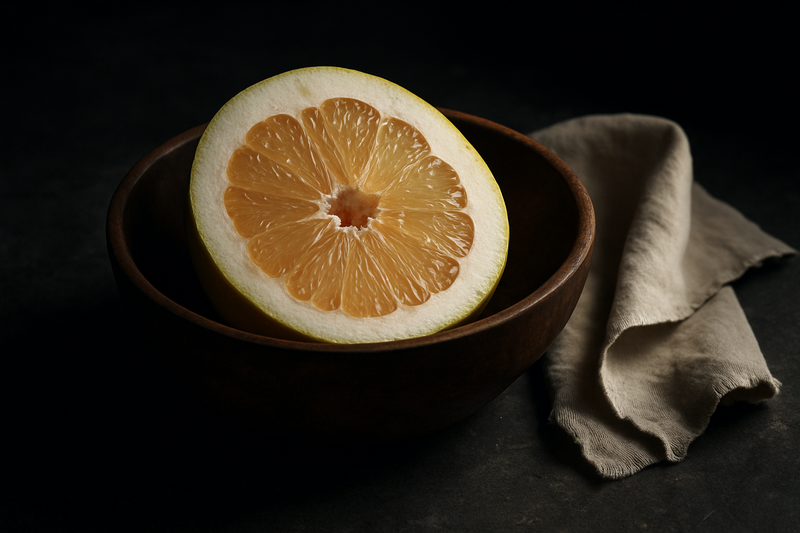
Pomelo · Photograph
Discover pomelo health benefits and how to eat it — from peeling the thick rind to tossing firm segments into salads. Learn about pomelo nutrition facts, vitamin C content, potassium, fiber, and the important medication interaction warning similar to grapefruit.
Key Nutrients
% Daily Value based on 2,000 cal diet
Key active compounds
- Naringin — A flavonoid glycoside (a plant compound with a sugar attached) found prominently in citrus fruits including pomelo. In experimental studies, naringin shows antioxidant, anti-inflammatory, and potential lipid-lowering properties, though robust human data specific to pomelo are limited.
- Naringenin — The active form of naringin after digestion removes the sugar molecule. Research in cell and animal models suggests cardiovascular and metabolic benefits, but human evidence for pomelo intake specifically remains preliminary.
- Lycopene — A carotenoid (a red-orange pigment and antioxidant) found mainly in pink and red-fleshed pomelo varieties. Observational studies of other lycopene-rich foods link it to potential cardiovascular and prostate health benefits.
- Hesperidin and related citrus flavonoids — A broader class of polyphenols (plant compounds with antioxidant activity) present in citrus pulp and peel. They may support vascular health and reduce inflammation in experimental models.
- Furanocoumarins — Naturally occurring compounds found in the peel and possibly the pulp of pomelo. These are the same family of chemicals in grapefruit that can inhibit CYP3A4, an enzyme in the gut and liver that processes many common medications.
- Vitamin C (ascorbic acid) — Well-established water-soluble antioxidant; pomelo is one of the richest whole-food sources per calorie.
Who benefits most
Regular fruit eaters looking for variety
- Pomelo's mild, non-bitter flavor makes it approachable for people who find grapefruit too sharp.
- Its firm segments hold well in meal-prep containers, making it easy to add to weekday lunches.
- The exceptional vitamin C content supports daily immune and skin health goals without added supplements.
People managing heart health through diet
- Pomelo contributes potassium and vitamin C, both associated with cardiovascular-supportive dietary patterns.
- Low sodium and low calorie density align with dietary approaches recommended for blood pressure management.
- Important caveat: If you take heart or cholesterol medications, check the medication interaction section and speak with your doctor first.
Prep and pairing ideas
How to peel a pomelo:
- Score the thick rind with a knife, cutting through the outer yellow skin and the white pith (4 to 6 cuts from top to bottom).
- Pull away the rind sections — the pith peels off in thick chunks.
- Separate the segments by hand. Each segment is enclosed in a tough membrane; you can either eat the membrane (adds fiber) or tear it away to release the bare flesh pearls.
Three practical pairings:
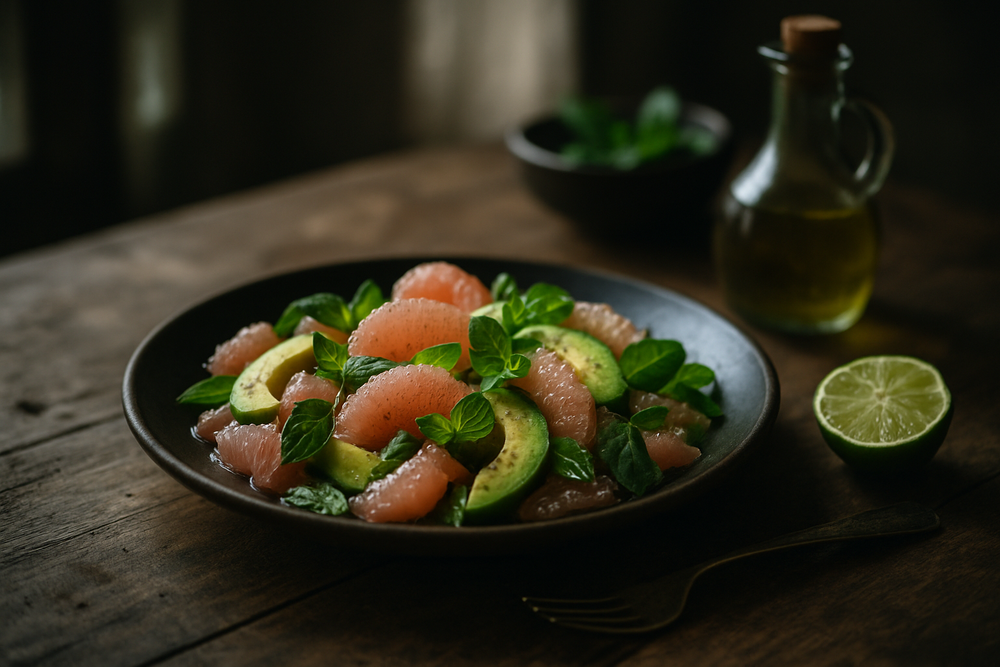
- Pomelo + avocado + mint (salad): The bright acidity of pomelo cuts through avocado's richness, while mint adds freshness. Dress with lime juice and a pinch of chili flakes. The fat from avocado also aids absorption of pomelo's fat-soluble carotenoids.
- Pomelo + cooked grains + soy-ginger dressing: Firm pomelo segments hold their texture in grain bowls with farro, brown rice, or quinoa. A dressing of tamari, sesame oil, fresh ginger, and rice vinegar plays off pomelo's gentle sweetness. This combination provides fiber, protein, and micronutrients in a balanced meal.
- Pomelo + shrimp or tofu + toasted coconut (Thai-style salad): Classic yam som o pairs pomelo with protein and crunch. Toasting shredded coconut adds healthy fat and depth. This is a natural entry point for people new to cooking with pomelo who want a proven flavor framework.
Bottom line
Pomelo is a nutritionally impressive whole fruit that earns its place in a varied, plant-forward diet. Its standout contribution is vitamin C — nearly 130% of the daily value per cup — along with potassium, B vitamins, and a set of citrus flavonoids with emerging cardiovascular and antioxidant potential. The evidence base for pomelo-specific benefits is still thin; most support is extrapolated from related citrus research or a single small hybrid-juice trial.
The most practical takeaway is also the most overlooked: peel away the thick rind and pith, keep the membranes if you want the fiber, and use the firm segments in salads and savory dishes where they genuinely shine. And if you take any prescription medication — especially drugs with a grapefruit warning — confirm pomelo safety with your pharmacist before making it a daily habit.
How Pomelo Compares
| Compared with | What's different |
|---|---|
| Pomelo vs. Grapefruit | Pomelos are larger with a thicker rind and a sweeter, less bitter taste profile. |
| Pomelo vs. Orange | Pomelos have a firmer, drier texture that separates into distinct pearls rather than dripping juice. |
Health Benefits
Things to Know
Medication interactions (most important): Pomelo contains furanocoumarins and flavonoids that can inhibit CYP3A4, a key enzyme in the gut wall and liver that metabolizes many common drugs. This is the same mechanism behind grapefruit–drug interactions. Affected drug classes include certain statins (simvastatin, atorvastatin), calcium channel blockers (felodipine, nifedipine), some antiarrhythmics, immunosuppressants (cyclosporine, tacrolimus), and others. Eating pomelo with these drugs can raise drug levels in the blood, increasing the risk of side effects. Always check with your pharmacist or doctor if you take any prescription medication.
Anticoagulants and antiplatelet drugs: The Sweetie juice trial noted changes in fibrinogen and antioxidant status. While direct data are limited, people on blood thinners should mention regular pomelo intake to their healthcare provider.
Kidney disease: Pomelo provides around 410 mg potassium per cup and more per whole fruit. People advised to follow a low-potassium diet due to chronic kidney disease (CKD) should account for this and discuss with their dietitian.
GERD and acid reflux: Like all citrus, pomelo is acidic and may aggravate heartburn or dyspepsia (indigestion) in sensitive individuals. Monitor your tolerance.
Diabetes: Pomelo's carbohydrate content (~18 g per cup) should be counted within a meal plan. The glycemic impact is modest when eaten with food that contains protein and fat.
Pregnancy: Eating whole pomelo as food is not a concern. Concentrated pomelo extracts or supplements lack safety data for pregnancy; best avoided unless a clinician advises otherwise.
Citrus allergy: Rare but possible. If you react to other citrus fruits, introduce pomelo cautiously.
Prep Ideas
- — Score the thick rind with a knife, cutting through the outer yellow skin and the white pith (4 to 6 cuts from top to bottom).
- — Pull away the rind sections — the pith peels off in thick chunks.
- — Separate the segments by hand. Each segment is enclosed in a tough membrane; you can either eat the membrane (adds fiber) or tear it away to release the bare flesh pearls.
- — **Pomelo + avocado + mint (salad):** The bright acidity of pomelo cuts through avocado's richness, while mint adds freshness. Dress with lime juice and a pinch of chili flakes. The fat from avocado also aids absorption of pomelo's fat-soluble carotenoids.
- — **Pomelo + cooked grains + soy-ginger dressing:** Firm pomelo segments hold their texture in grain bowls with farro, brown rice, or quinoa. A dressing of tamari, sesame oil, fresh ginger, and rice vinegar plays off pomelo's gentle sweetness. This combination provides fiber, protein, and micronutrients in a balanced meal.
- — **Pomelo + shrimp or tofu + toasted coconut (Thai-style salad):** Classic *yam som o* pairs pomelo with protein and crunch. Toasting shredded coconut adds healthy fat and depth. This is a natural entry point for people new to cooking with pomelo who want a proven flavor framework.
Glossary
Shop This Ingredient
Stock your pantry with quality pomelo.
Buy on AmazonAs an Amazon Associate, Plantopedia earns from qualifying purchases. This costs you nothing extra and helps us keep the encyclopedia free.
Frequently Asked Questions
Heart and circulation The most direct human evidence comes from a 30-day clinical trial involving 72 people with high cholesterol who had undergone bypass surgery. Participants who drank daily juice from "Sweetie" — a grapefruit–pomelo hybrid — showed reductions in LDL cholesterol (the so-called "bad" cholesterol) and increases in blood antioxidant activity compared with the control group. The juice also reduced fibrinogen, a clotting protein linked to cardiovascular risk. It is important to note that this study used a hybrid juice product, not whole pomelo segments, and the population had existing cardiovascular disease. So the results cannot be applied directly to healthy adults eating fresh pomelo. That said, pomelo's nutritional profile — high vitamin C, 410 mg potassium per cup, minimal sodium, and low calorie density — fits well within heart-healthy dietary patterns recommended by major health organizations. Evidence is emerging, not established. Caution: People taking cardiovascular medications such as certain statins (e.g., simvastatin, atorvastatin) or calcium channel blockers (e.g., felodipine) should check with their doctor before eating pomelo regularly. See the medication interaction section below. Digestive health and microbiome Pomelo contributes about 1.9 g of dietary fiber per cup, and a whole fruit can provide around 6 g — roughly 20% of a typical daily target. Fiber adds bulk to stools and feeds the beneficial bacteria in the large intestine (a process called fermentation by the gut microbiome). This supports regular bowel movements and overall gut health. There are no pomelo-specific clinical trials on constipation or gut microbiome outcomes. Benefits are inferred from well-established fiber physiology and broader research on fruit intake. Eating the segments rather than drinking juice is consistently the better choice here, since juicing removes most of the fiber. Blood sugar and metabolism At 72 calories and 18 g of carbohydrate per cup (with nearly 2 g of fiber), pomelo has a modest glycemic impact — meaning it is unlikely to cause a sharp spike in blood glucose when eaten as part of a balanced meal. Its low energy density may help with satiety (the feeling of fullness), particularly when it replaces higher-calorie, lower-nutrient snacks. No human trials have directly tested pomelo on fasting glucose, insulin sensitivity, or diabetes risk. People with diabetes can generally include pomelo as part of a structured carbohydrate plan, but should monitor their individual blood glucose response, as with any fruit. Inflammation and recovery One cup of pomelo provides 129% of the daily value for vitamin C, a well-documented antioxidant that helps neutralize free radicals — unstable molecules that contribute to cellular damage and chronic inflammation. The Sweetie juice trial noted improved blood antioxidant status in participants consuming the hybrid juice, which supports the idea that pomelo-related fruits may reduce oxidative stress (a state of imbalance between free radicals and antioxidants in the body). Pomelo's naringin, naringenin, and lycopene also show anti-inflammatory activity in laboratory and animal studies. However, translating those findings to humans eating realistic portions of pomelo requires more research. Consider pomelo a useful contributor to an overall anti-inflammatory diet, not a standalone treatment for any condition.
The short answer is: whole peeled segments, with the thin inner membranes intact. Here is how the main forms compare. Fresh segments — The gold standard. You get the full fiber, vitamin C, flavonoids, and water content together. Choose fruits that feel heavy for their size (a sign of juicy flesh) with a fragrant rind. The thick white pith (the spongy layer under the outer skin) is bitter and usually discarded, though it does contain some flavonoids. Juice — The main clinical study used pomelo-related juice, so there is some evidence base here. However, juicing removes most of the fiber and concentrates the sugars and any drug-interacting compounds. Not the preferred form for everyday use. Segments in salads and savory dishes — This is pomelo's culinary superpower. The firm flesh does not weep or turn soggy the way orange segments can, making it ideal for grain salads, leafy green salads with a soy-ginger dressing, or Thai-style pomelo salad (yam som o). This form still counts as whole fruit. Peel and zest — The fragrant outer zest can be used in cooking or baking and contains aromatic oils and higher concentrations of some flavonoids. The thick pith is usually candied or discarded. These culinary uses provide flavor more than meaningful nutrition at typical amounts. Supplements and extracts — Standardized pomelo supplements are not well studied in clinical literature. There is no established safe upper limit for concentrated pomelo extracts, and the drug interaction risk may be amplified in concentrated form. Stick to whole food amounts unless directed otherwise by a healthcare provider.
There is no established recommended daily dose for pomelo specifically. General dietary guidance from sources like MyPlate encourages adults to fill about half the plate with fruits and vegetables, with 1.5–2 cups of fruit per day as a general target. Practical starting point: One cup of pomelo segments (about 190 g) is a reasonable single serving for most healthy adults. That amount supplies nearly all your daily vitamin C in one sitting, along with a useful contribution of potassium and fiber. If you want more: A whole pomelo (roughly 600–800 g total weight, yielding considerably less edible flesh) can provide around 5–6 g fiber and significant potassium. This is fine as an occasional indulgence for healthy adults, but be mindful of total carbohydrate and potassium if either is a concern for you. Key principle — start moderate: If pomelo is new to you, begin with a half cup or a few segments to check digestive tolerance, especially if you have a sensitive stomach or acid reflux history. There is no benefit to eating large amounts quickly. If you take medications: Even one whole pomelo or a large glass of pomelo juice consumed regularly alongside certain drugs could be significant. Confirm safety with your pharmacist before establishing a daily habit.
Quick Answers
Common questions, answered in a line.
Pomelo contains furanocoumarins that can inhibit the CYP3A4 enzyme, potentially raising blood levels of medications like certain statins, calcium channel blockers, and immunosuppressants to dangerous levels. Always consult your pharmacist or doctor before eating pomelo if you take prescription drugs.
Pomelo is an exceptional source of vitamin C, providing nearly 130% of the daily value per cup to support immune and skin health. It also contains potassium for cardiovascular support, fiber for digestion, and citrus flavonoids like naringin and hesperidin.
To peel a pomelo, score the thick rind into 4 to 6 sections from top to bottom, pull the rind and white pith away in chunks, and separate the segments by hand. You can eat the tough membranes for extra fiber or tear them away to release the firm flesh pearls.
Individuals with chronic kidney disease (CKD) who are on a low-potassium diet should be cautious, as one cup of pomelo contains approximately 410 mg of potassium. Additionally, those with GERD or acid reflux may find the fruit's acidity aggravates their symptoms.
Pomelo has a mild, non-bitter flavor and firm segments that make it an excellent addition to salads, grain bowls, and Thai-style dishes like yam som o. It pairs well with avocado, mint, shrimp, toasted coconut, and soy-ginger dressings.
Pomelo contains pink and red-fleshed varieties that provide lycopene, a carotenoid antioxidant linked to heart and prostate health. It also features naringin and hesperidin, plant compounds that show anti-inflammatory and lipid-lowering potential in experimental studies.
For Readers in the USA
Local context — sourcing, seasonality, and regional notes.
In the United States, pomelos are primarily grown in the warm climates of California, Florida, and Texas. While they are available year-round in some regions, the peak domestic harvest season typically runs from November through March.
You can find pomelos at major US grocery chains like Whole Foods Market, Trader Joe's, and Safeway, as well as at Asian supermarkets like H-Mart or 99 Ranch Market. They are also popular staples at farmers markets in citrus-growing states like California and Florida during the winter months.
The Chandler pomelo, known for its pink flesh and sweet-tart flavor, is the most common variety found in American grocery stores. Other varieties you may encounter in the US include the Honey pomelo, often imported from China, and the Tahitian pomelo, which has a greenish-yellow pulp.
The FDA requires a specific "Grapefruit Juice" warning on certain medications because it contains furanocoumarins, which are also present in pomelos. Because pomelos can interact with drugs like statins and blood pressure medications in the same way grapefruit does, the FDA's guidance on citrus interactions generally applies to both fruits.
AI Clinical Review
- Strong, accurate nutrition snapshot: about 116 mg vitamin C (~129% DV) per cup, with modest fiber and potassium.
- Emphasizes eating whole segments over juice to preserve fiber and moderate blood‑sugar impact.
- Clearly flags grapefruit‑like drug interactions via CYP3A4 (a drug‑metabolizing enzyme) and names higher‑risk medication classes.
- Practical preparation and pairing ideas that make it easy to include pomelo in heart‑supportive, plant‑forward meals.
- Most health claims are extrapolated from broader citrus research; pomelo‑specific human trials remain scarce.
- The referenced “Sweetie” study used a grapefruit–pomelo hybrid juice in people with established heart disease, so results may not generalize to eating fresh pomelo in healthy adults.
- Human data on microbiome, glycemic control, and inflammation outcomes are limited; promising mechanisms (naringin/naringenin, lycopene) mostly come from lab or animal studies.
- Furanocoumarin levels likely vary by cultivar and processing, so the magnitude of drug interaction risk may differ among fruits and juices.
- If you take medications with a grapefruit warning, check with your pharmacist before regular pomelo intake—higher‑risk groups include certain statins (e.g., simvastatin, atorvastatin), calcium channel blockers, some antiarrhythmics, and immunosuppressants; not all drugs in each class are affected.
- A practical serving is about 1 cup (~190 g) of segments; larger portions raise potassium and carbohydrate loads—relevant for chronic kidney disease and tightly managed diabetes.
- Citrus acidity can aggravate reflux; start small and eat with meals if you’re sensitive.
- Juice concentrates sugars and potentially interaction‑related compounds, so whole segments are the better everyday form.
Like grapefruit, may interact with certain medications via CYP3A4.
References
- USDA FoodData Central — pomelo (pummelo) raw nutritional data (fdc.nal.usda.gov)
- MyPlate fruit guidance — U.S. Department of Agriculture daily fruit recommendations (myplate.gov)
- ScienceDaily — "Sweetie" grapefruit-pomelo hybrid juice trial in hypercholesterolemic patients (sciencedaily.com)
- Medical News Today — pomelo fruit health benefits and nutritional overview (medicalnewstoday.com)
- WebMD — pomelo nutrition and health benefits summary (webmd.com)
- NutritionAdvance — pomelo nutrition and potential benefits review (nutritionadvance.com)
- University of Minnesota Real Life Good Food — pomelo ingredient profile and culinary guidance (reallifegoodfood.umn.edu)
- Pomelos.org — pomelo nutrition facts and vitamin/mineral breakdown (pomelos.org)
- FoodStruct — pomelo macronutrient and micronutrient breakdown (foodstruct.com)
Know Your Numbers
Eating healthy is a start. Now get to know your biomarkers.
Food changes bloodwork — inflammation, lipids, blood sugar and nutrient status all respond to what you eat. 59 markers from $59.
- Results in 7–10 days at 2,000+ Quest sites
- Licensed provider reviews every result
- One flat price, no membership, HSA/FSA eligible
Educational information only, not medical advice. Panels are ordered and reviewed through our licensed partner; Plantopedia may earn a commission.