Ramps — health benefits and uses
Appalachian folk tradition prized ramps as a spring tonic to cleanse the blood.
The Short Answer
Ramps, or wild leeks, are nutrient-dense spring greens providing 30% of the Daily Value for Vitamin A and 18% for Vitamin C per cup. They contain sulfur compounds like allicin that support heart health and prebiotics that feed beneficial gut bacteria.

Ramps · Photograph
Discover the health benefits of ramps (wild leeks), including heart support, immune nutrients, and anti-inflammatory compounds. Learn wild leeks nutrition facts, how to cook ramps in pesto and eggs, safe foraging tips, and who should use caution. Not medical advice.
Key Nutrients
% Daily Value based on 2,000 cal diet
Key active compounds in wild ramps
- Allicin and allyl sulfides — Organosulfur compounds (sulfur-containing molecules formed when plant tissue is cut or crushed) responsible for ramps' sharp aroma. Associated with antimicrobial, antioxidant, and potential cardiovascular effects in garlic and onion research.
- Quercetin — A flavonoid polyphenol (plant pigment with antioxidant activity) found in ramps and many other alliums. May help protect blood vessels and modulate inflammatory pathways.
- Kaempferol — Another flavonoid linked to vascular protection and anti-cancer activity in laboratory models; found in wild leeks and other alliums.
- Total polyphenols — Ramps reportedly have a high overall polyphenol content, with antioxidant capacity described as exceeding common vegetables like tomatoes and red bell peppers.
- Prebiotic fructans — Fermentable carbohydrates (a type of dietary fiber that feeds beneficial gut bacteria) similar to those in garlic and onions, which support microbiome diversity.
- Vitamins A and C — Fat-soluble and water-soluble antioxidant vitamins, respectively, present in clinically meaningful amounts per serving.
Are ramps healthy? What the evidence says about wild leeks' benefits
Heart and circulation
Ramps contain the same organosulfur compounds — allicin, allyl sulfides — that have been studied in garlic and onion research for their cardiovascular effects. Human and epidemiological studies on allium-rich diets suggest links to reduced blood pressure and improved cholesterol profiles. Ramps also supply folate, a B-vitamin that helps keep homocysteine (an amino acid linked to cardiovascular risk when elevated) at healthy levels, and kaempferol, which may help protect the lining of blood vessels in experimental models.
The honest caveat: no randomized controlled trial has tested ramps specifically on blood pressure or lipids. The cardiovascular case for ramps is built on their phytochemical fingerprint and what we know about garlic and onions — plausible and promising, but not yet proven for ramps as a standalone food.
Digestive health and microbiome
Ramps contain fructans — a type of prebiotic fiber that beneficial gut bacteria ferment for fuel. A diet rich in prebiotics is associated with greater microbiome diversity, which in turn is linked to better digestive function and broader metabolic health. This benefit is supported by research on garlic and onions rather than ramps specifically, but the mechanism is sound.
One practical note: fructans are also FODMAPs (fermentable carbohydrates that can trigger bloating or cramping in sensitive people). If you have irritable bowel syndrome (IBS) or a sensitive gut, start with small portions of ramps and see how you respond before eating a full cup.
Blood sugar and metabolism
Some nutrition sources suggest ramps may modestly support blood sugar regulation through their fiber content (which slows glucose absorption) and trace chromium (a mineral involved in insulin signaling). Evidence here is firmly in "emerging" territory — no human intervention studies have tested ramps for glycemic control. Treat ramps as a healthy vegetable in your overall meal plan, not as a blood-sugar remedy.
Inflammation and recovery
Ramps are described as rich in quercetin, kaempferol, and vitamin C — all of which demonstrate antioxidant and anti-inflammatory activity in laboratory and some human research. Allium vegetables as a group are associated with lower markers of oxidative stress in observational studies. Again, ramp-specific clinical trials measuring inflammatory markers have not been conducted; the anti-inflammatory angle is extrapolated from ramps' phytochemical profile and research on related alliums.
Immune support
This is arguably ramps' strongest evidence-backed story, because it rests on well-established nutrient science rather than extrapolation. One cup of ramps provides about 31% of daily vitamin A (which maintains the mucosal linings that act as a first line of defense against pathogens) and 28% of vitamin C (which supports immune cell function and acts as an antioxidant). The immune and vision benefits of these vitamins are robustly supported by decades of human research. Ramps are simply a delicious delivery vehicle.
Prep and pairing ideas
Ramps are remarkably versatile for a foraged ingredient. Here are three practical pairings that highlight different aspects of their flavour and nutrition:
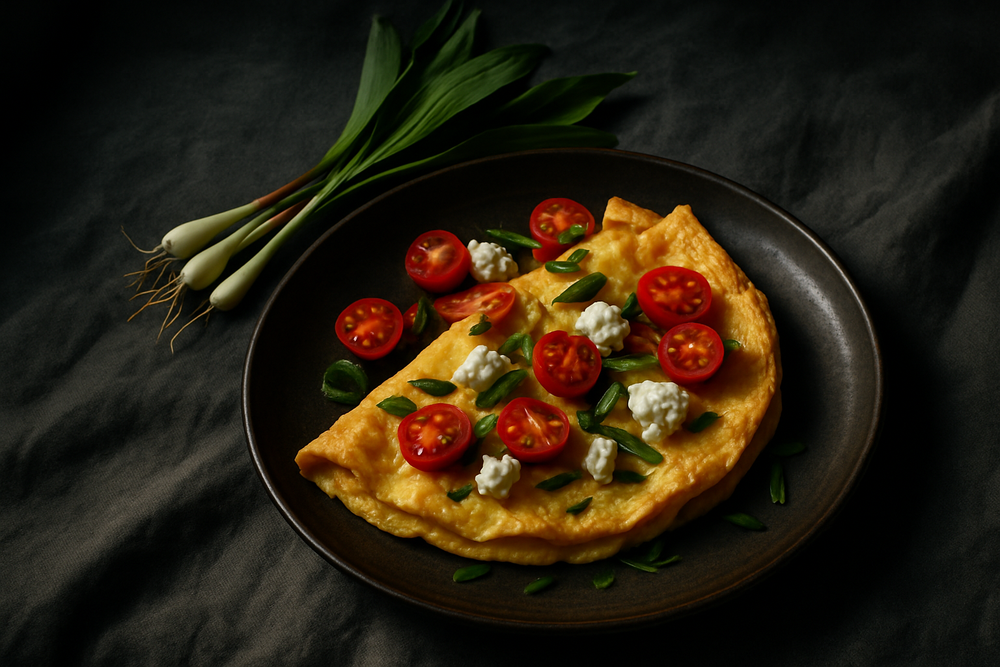
Ramps + eggs The classic springtime combination. Sauté ramp bulbs in a little olive oil until just tender, then add the leaves and scrambled or fried eggs. The fat-soluble vitamin A in ramps is better absorbed when paired with a fat source — eggs provide that, plus protein, making this a nutritionally synergistic breakfast or brunch.
Ramps + whole-grain pasta Ramp pesto (leaves, olive oil, toasted walnuts, lemon, and a pinch of salt) tossed with whole-grain pasta creates a high-fiber, antioxidant-rich meal. Walnuts add omega-3 fatty acids, and lemon juice boosts vitamin C, which in turn improves iron absorption from the ramps themselves.
Ramps + white beans Chopped sautéed ramps stirred into a simple white bean stew or mash amplifies the allium flavour while adding a second source of prebiotic fiber and plant protein. The combination makes a satisfying, heart-friendly dish grounded in well-studied WFPB principles.
Quick prep tips:
- Trim the root end and any yellowed leaves. Wash thoroughly — wild ramps can carry grit.
- Separate bulbs from leaves. Bulbs need slightly longer cooking; add leaves in the last minute or two to keep them bright.
- Store unwashed ramps wrapped in a damp paper towel in the refrigerator for up to 5 days. Leaves wilt faster than bulbs.
- Freeze ramp pesto flat in zip-lock bags; break off pieces as needed throughout summer and fall.
Bottom line
Ramps are one of the most nutritionally interesting wild vegetables in North America. They deliver a meaningful hit of vitamins A and C, manganese, iron, and folate in a single cup, all wrapped in a bold garlic-onion flavour that needs no embellishment. Their organosulfur compounds, flavonoids, and prebiotic fibers align well with what we know about heart health, immune support, and gut diversity — though it is important to be honest that most of the hard human evidence comes from garlic and onion research, not ramp-specific trials.
Eat them seasonally, forage them sustainably (take no more than one leaf per plant, never more than a third of any patch), and if you are on blood thinners or have a sensitive gut, start small and check with your healthcare provider. As a whole food within a varied, plant-forward diet, ramps are as close to "food as medicine" as spring cooking gets.
How Ramps Compares
| Compared with | What's different |
|---|---|
| Ramps vs. Leeks | Ramps have a stronger, garlicky aroma and smaller, edible leaves compared to garden leeks. |
| Ramps vs. Chives | Ramps have much wider, flatter leaves and a more pungent flavor than narrow, hollow chives. |
| Ramps vs. Garlic | Ramps are foraged wild and eaten leaf-to-bulb, whereas garlic is usually grown for the bulb only. |
Health Benefits
Things to Know
Allium allergy or intolerance: If garlic, onions, or leeks cause you hives, itching, or GI distress, ramps likely will too. Cross-reactivity within the allium family is well documented.
IBS and FODMAP sensitivity: Ramps contain fructans, which are high-FODMAP fermentable carbohydrates. Sensitive individuals may experience bloating, gas, or cramping — especially with larger servings. Start with 1–2 tablespoons and assess tolerance.
Blood thinners (warfarin, clopidogrel, aspirin): High intakes of allium vegetables are associated with antiplatelet effects in garlic studies. If you take anticoagulant or antiplatelet medications, avoid eating very large quantities of ramps and let your prescribing clinician know if you plan to eat them regularly.
Blood pressure medications: Alliums can modestly lower blood pressure. If you are on multiple antihypertensive drugs, monitor blood pressure if adding large amounts of ramps to your diet.
Diabetes medications (insulin, oral hypoglycemics): Additive blood-sugar effects are theoretical but unproven. Treat ramps as a normal vegetable; do not assume strong medicinal effects.
Pregnancy and breastfeeding: Ramps are safe in typical food amounts. High-dose or supplemental use has not been studied; culinary servings are considered low risk.
Reflux or gastritis: Pungent alliums can aggravate acid reflux or inflamed stomach lining in some people. Cooked ramps tend to be gentler than raw.
Foraging safety: The most serious safety concern with wild ramps is misidentification. Lily of the valley (Convallaria majalis) and false hellebore (Veratrum viride) — both toxic — can resemble ramp leaves before flowering. If you are new to foraging, go with an experienced guide or purchase from a trusted farmers' market vendor. Always confirm the distinctive garlic smell before eating.
Prep Ideas
- — Trim the root end and any yellowed leaves. Wash thoroughly — wild ramps can carry grit.
- — Separate bulbs from leaves. Bulbs need slightly longer cooking; add leaves in the last minute or two to keep them bright.
- — Store unwashed ramps wrapped in a damp paper towel in the refrigerator for up to 5 days. Leaves wilt faster than bulbs.
- — Freeze ramp pesto flat in zip-lock bags; break off pieces as needed throughout summer and fall.
Glossary
Shop This Ingredient
Stock your pantry with quality ramps.
Buy on AmazonAs an Amazon Associate, Plantopedia earns from qualifying purchases. This costs you nothing extra and helps us keep the encyclopedia free.
Frequently Asked Questions
Fresh raw ramps deliver the most potent allicin activity because organosulfur compounds degrade with heat. Raw ramps on a salad or chopped into a dressing carry the sharpest flavour and the highest theoretical phytochemical load. Cooked ramps (sautéed, grilled, or roasted) lose some volatile sulfur compounds but remain nutritious. Cooking mellows the harsh bite into something sweeter and more complex — comparable to roasted garlic — while retaining vitamins A and C reasonably well, especially with quick, high-heat methods. Ramp pesto is a clever way to use large leaf volumes raw or minimally processed. Blending leaves with olive oil, nuts, and lemon preserves much of the vitamin C and polyphenol content while making it easy to use ramps as a sauce or spread well past their brief fresh season (freeze the pesto in ice cube trays). Pickled ramp bulbs are a popular preservation method. The acidic brine changes the texture and diminishes some heat-sensitive vitamins, but pickled ramps remain a flavourful condiment that keeps for months and retains organosulfur character. Dried ramp flakes or powder are the least common form and have the least available data on nutrient retention. They can be useful as a seasoning but should not be treated as a concentrated health supplement.
There is no established clinical dose for ramps as a health food, because ramp-specific human trials have not been conducted. As a culinary vegetable, a reasonable serving is ½ to 1 cup (roughly 45–89 g) of fresh ramps — similar to how you might use scallions or leeks in a recipe. For most healthy adults, eating 1–2 generous servings during ramp season (a few times a week over their 4–6 week window) is a realistic, sustainable approach. If you are new to alliums or have a sensitive digestive system, start with 2–3 tablespoons mixed into a dish and increase gradually. There is no evidence that eating larger quantities provides proportionally greater benefit, and very high allium intake can worsen symptoms for people with reflux, IBS, or those on blood thinners. Think of ramps as a seasonal flavour boost within a varied, vegetable-rich diet — not as a concentrated therapeutic agent. If you want to explore how ramps fit into broader dietary goals, browse our goal-based eating guides at /goals for personalised starting points.
The spring-cook looking for seasonal nutrition Ramps fill a nutritional gap in early spring when local produce options are narrow. Their vitamin A and C content supports immune function coming out of winter. Flavour intensity means a small amount goes a long way in plant-forward cooking. The heart-health-focused eater already eating an allium-rich diet If you already eat garlic and onions regularly for cardiovascular support, ramps offer a fresh seasonal addition with the same organosulfur compounds. Their folate content adds a complementary nutrient for homocysteine management. Ramp pesto over whole grains makes an easy, heart-friendly weeknight meal.
Quick Answers
Common questions, answered in a line.
Ramps are rich in vitamins A and C, quercetin, kaempferol, and organosulfur compounds like allicin. These nutrients support immune function and provide antioxidant activity, while its prebiotic fructans help promote a diverse and healthy gut microbiome.
Ramps support the immune system by providing roughly 31% of the daily value for vitamin A and 28% for vitamin C per cup. Vitamin A maintains protective mucosal linings, while vitamin C supports immune cell function and acts as a powerful antioxidant.
People with an allium allergy, IBS, or those taking blood thinners should use caution when eating ramps. Ramps contain fructans (FODMAPs) that can trigger bloating, and their organosulfur compounds may have antiplatelet effects that interact with anticoagulant medications.
Ramps may support heart health through organosulfur compounds and flavonoids like kaempferol, which are linked to improved cholesterol and blood vessel protection. They also contain folate, a B-vitamin that helps maintain healthy levels of homocysteine, an amino acid tied to cardiovascular risk.
Ramps can be sautéed with eggs, blended into pesto with walnuts, or stirred into white bean stews. Pairing ramps with a fat source, such as olive oil or eggs, helps the body better absorb the fat-soluble vitamin A found in the leaves.
When foraging ramps, you must distinguish them from toxic look-alikes like lily of the valley and false hellebore. Always confirm the plant has a distinctive garlic smell and practice sustainable harvesting by taking no more than one leaf per plant or one-third of a patch.
Ramps contain prebiotic fiber known as fructans, which feed beneficial bacteria to improve microbiome diversity. While beneficial for most, these fermentable carbohydrates can cause gas or bloating in individuals with a sensitive gut or IBS.
For Readers in the USA
Local context — sourcing, seasonality, and regional notes.
Ramps are native to the eastern United States and Canada, typically found from the Appalachian Mountains north into New England and west toward the Great Lakes. They thrive in moist, deciduous forests in USDA Hardiness Zones 4 through 7.
In the US, ramps are primarily sold at local farmers markets, specialty grocers like Whole Foods, and high-end restaurants during their brief spring window. Because they are wild-harvested and highly seasonal, you will rarely find them in conventional national supermarket chains.
While there is no official federal regulation for ramp harvesting, many US states have implemented foraging limits or bans on public lands to prevent over-harvesting. The USDA and various state conservation departments urge foragers to only take one leaf per plant or harvest only a small percentage of a colony to ensure the species' survival.
Ramps are a cornerstone of Appalachian food culture, celebrated at dedicated spring festivals in states like West Virginia, North Carolina, and Tennessee. These events, such as the Feast of the Ramson, traditionally feature ramps served with fried potatoes, pinto beans, and cornbread.
AI Clinical Review
- Presents ramps as a nutrient-dense wild allium, appropriately highlighting vitamins A and C, manganese, iron, and fiber in modest-calorie portions.
- Accurately frames potential benefits (heart, immune, antioxidant) as largely extrapolated from the broader allium family, not overpromising on ramp-specific outcomes.
- Explains key bioactives (organosulfur compounds like allicin, plus flavonoids such as quercetin/kaempferol) in clear, consumer-friendly terms.
- Offers practical preparation guidance: raw preserves more allicin and vitamin C; brief cooking can improve tolerance while retaining many nutrients; pesto/pickling trade-offs are sensibly described.
- No randomized trials evaluate ramps specifically for blood pressure, lipids, glycemic control, inflammation, or clinical endpoints; effect size and effective amounts remain unknown.
- Microbiome benefits are inferred from fructan-rich alliums (garlic/onion); individual responses vary and ramp-specific human data are lacking.
- Antioxidant “capacity” comparisons (e.g., vs. other vegetables) come from lab assays that don’t directly translate to disease risk reduction in humans.
- Nutrient values can vary by leaf-to-bulb ratio and growing conditions; database entries for wild ramps are limited, so %DV estimates are approximate.
- Serving size: 1/2–1 cup fresh ramps per meal is a reasonable culinary range; if you’re FODMAP‑sensitive or new to alliums, start with a few tablespoons and increase as tolerated.
- Safety and interactions: those with allium allergy/intolerance, IBS/low‑FODMAP needs, or reflux may react—cooked forms are often easier to tolerate. Large intakes may have mild antiplatelet effects; check with your clinician if you use warfarin, clopidogrel, or daily aspirin, or if you’re on multiple blood‑pressure medicines.
- Form matters: raw offers the most allicin; quick sautéing/grilling mellows flavor with modest nutrient loss; pickled bulbs lose some heat‑sensitive vitamins and should be viewed as a condiment; powders/flakes have variable potency.
- Foraging caution: misidentification with toxic look‑alikes is the main risk—confirm the characteristic garlic/onion aroma or purchase from reputable sellers; typical food amounts are considered safe in pregnancy and breastfeeding, but avoid high‑dose supplements (not studied).
Forage sustainably; over-harvesting depletes wild stands. Strong garlic-onion odor.
References
- USDA FoodData Central — nutritional data reference for alliums and vegetables (fdc.nal.usda.gov)
- MyPlate (USDA) — vegetable group dietary guidance (myplate.gov)
- Healthline — Leeks and wild ramps nutrition and health benefits overview (healthline.com)
- Precision Nutrition — ramps recipe and nutrition encyclopedia entry (precisionnutrition.com)
- Chatelaine — ramps and heart health, organosulfur compound review (chatelaine.com)
- Prevention — what are ramps, culinary and health overview (prevention.com)
- Acupuncture Bethesda — food as medicine: wild ramps phytochemical summary (acupuncturebethesda.com)
- Healthfully — nutritional benefits of ramps micronutrient breakdown (healthfully.com)
- Agric4Profits — medicinal health benefits of Allium tricoccum (agric4profits.com)
- Doctor's Health Press — wild leeks facts, growing, benefits, and cooking (doctorshealthpress.com)
Know Your Numbers
Eating healthy is a start. Now get to know your biomarkers.
Food changes bloodwork — inflammation, lipids, blood sugar and nutrient status all respond to what you eat. 59 markers from $59.
- Results in 7–10 days at 2,000+ Quest sites
- Licensed provider reviews every result
- One flat price, no membership, HSA/FSA eligible
Educational information only, not medical advice. Panels are ordered and reviewed through our licensed partner; Plantopedia may earn a commission.