Red raspberries are a nutritional powerhouse for metabolic health and antioxidant defense. Learn about their unique ellagitannins, high fibe
Fiber + phytonutrients; use as a whole-food sweet, snack, or smoothie base
The Short Answer
Raspberries are a high-fiber fruit providing 8 grams of fiber and 36% of your daily Vitamin C per cup. They are uniquely rich in ellagitannins and anthocyanins, which help regulate blood sugar and protect cells from oxidative damage.

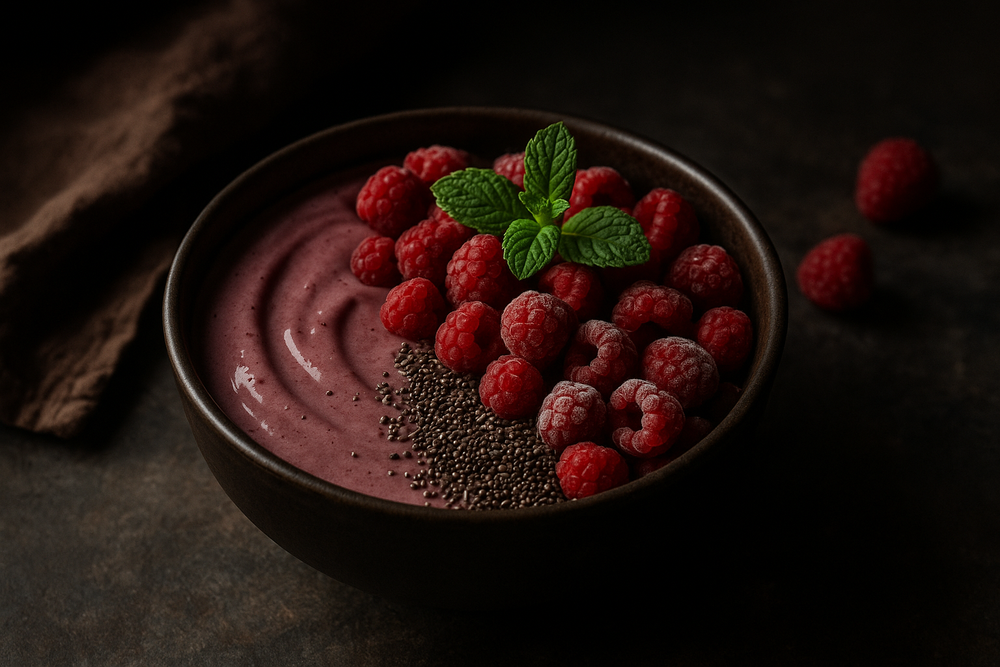
Raspberry · Photograph
In modern nutrition, red raspberries serve as a critical tool for metabolic health. Unlike higher-sugar fruits, raspberries provide an exceptional fiber-to-calorie ratio. Their polyphenolic compounds act as a natural brake on carbohydrate-digesting enzymes, making them a cornerstone for those looking to improve insulin sensitivity and reduce oxidative damage.
Key Nutrients
% Daily Value based on 2,000 cal diet
Key Takeaways
- 1. Provides 8g of fiber per cup, supporting digestive regularity and long-term satiety.
- 2. Contains specialized polyphenols that help moderate post-meal blood sugar and insulin responses.
- 3. Rich in Vitamin C and unique ellagitannins that protect cells from oxidative stress.
- 4. High manganese and potassium content support healthy blood pressure and vascular function.
- 5. Both fresh and frozen varieties maintain high levels of bioactive compounds for year-round health.
Why Red Raspberry Health Benefits Matter
In modern nutrition, red raspberries serve as a critical tool for metabolic health. Unlike higher-sugar fruits, raspberries provide an exceptional fiber-to-calorie ratio. Their polyphenolic compounds act as a natural brake on carbohydrate-digesting enzymes, making them a cornerstone for those looking to improve insulin sensitivity and reduce oxidative damage.
Key Active Compounds
- Ellagitannins: Unique compounds that convert to ellagic acid, offering potent cellular protection.
- Anthocyanins: Water-soluble pigments that contribute to antioxidant capacity and glucose regulation.
- Proanthocyanidins: Condensed tannins that inhibit enzymes involved in starch digestion.
- Vitamin C: A vital antioxidant for immune function and collagen synthesis.
- Manganese: An essential mineral for bone health and antioxidant enzyme function.
Conclusion
Red raspberries are among the most nutritionally dense and metabolically supportive fruits available. Their research-backed benefits for blood sugar control and antioxidant defense make them a versatile cornerstone of a healthy diet. By incorporating them consistently—whether fresh or frozen—you can enjoy their complex nutritional profile while supporting long-term metabolic wellness. Ready to add more antioxidant-rich foods to your routine? Check out our meal planner for personalized guidance on incorporating red raspberries and other nutrient-dense ingredients.
How Raspberry Compares
| Compared with | What's different |
|---|---|
| Raspberry vs. Blackberry | Raspberries have nearly double the fiber and a hollow core compared to the solid-core blackberry. |
| Raspberry vs. Strawberry | Raspberries have significantly higher fiber and lower natural sugar content per cup. |
Health Benefits
Things to Know
Fiber Transition: High fiber content (8g/cup) can cause bloating if increased too quickly. Start with 1/2 cup portions.
Medication Note: Raspberries contain Vitamin K. If on blood-thinning medication like Warfarin, maintain a consistent daily intake.
Perishability: Fresh berries mold quickly. Store in a dry, vented container and wash only immediately before eating.
Digestive Sensitivity: Those with IBS may need to monitor tolerance due to the presence of fructose and high fiber.
The Probiotic Pair: Add raspberries to Greek yogurt or kefir to enhance polyphenol metabolism through healthy gut bacteria.
The Iron Booster: Mix berries into a spinach salad; the high Vitamin C content significantly increases plant-based iron absorption.
Smoothie Essential: Blend frozen raspberries with protein powder and greens for a balanced, low-glycemic meal replacement.
Standard Serving: 1 cup (123g) of fresh or frozen berries.
Frequency: Daily consumption is encouraged for maximum antioxidant and metabolic support.
Beginners: Start with 1/4 to 1/2 cup to allow your digestive system to adapt to the fiber load.
Common Uses
- —Used as a low-glycemic carbohydrate to prevent sharp insulin spikes.
- —Integrated into diets to reduce systemic inflammatory markers.
- —High fiber content serves as a prebiotic for beneficial gut bacteria.
- —Added to smoothies or oats to increase daily Vitamin C and manganese intake.
Active Compounds
Unique compounds that convert to ellagic acid, offering potent cellular protection.
Water-soluble pigments that contribute to antioxidant capacity and glucose regulation.
Condensed tannins that inhibit enzymes involved in starch digestion.
A vital antioxidant for immune function and collagen synthesis.
An essential mineral for bone health and antioxidant enzyme function.
Best Forms
The gold standard for flavor and texture. Provide maximum fiber, and it should be eaten within 2 days of purchase.
Highly convenient and nutritionally comparable to fresh. Often, it is more cost-effective and available year-round for smoothies and cooking.
Concentrates antioxidants but removes nearly all beneficial fiber. Best consumed in moderation to avoid excess natural sugar intake.
Prep Ideas
- — The Probiotic Pair: Add raspberries to Greek yogurt or kefir to enhance polyphenol metabolism through healthy gut bacteria.
- — The Iron Booster: Mix berries into a spinach salad; the high Vitamin C content significantly increases plant-based iron absorption.
- — Smoothie Essential: Blend frozen raspberries with protein powder and greens for a balanced, low-glycemic meal replacement.
Glossary
Shop This Ingredient
Stock your pantry with quality raspberry.
Buy on AmazonAs an Amazon Associate, Plantopedia earns from qualifying purchases. This costs you nothing extra and helps us keep the encyclopedia free.
Frequently Asked Questions
Red raspberries provide robust antioxidant defense, support blood sugar management, and help reduce systemic inflammation. They are exceptionally high in fiber and Vitamin C, which promote digestive regularity and immune health. Their unique polyphenols, such as ellagic acid, protect cells from oxidative stress, contributing to long-term cardiovascular and metabolic health.
Yes, raspberries are excellent for blood sugar management because they contain compounds that inhibit carbohydrate-digesting enzymes. Their high fiber content also slows the absorption of natural sugars into the bloodstream. This combination prevents sharp glucose spikes, making it a highly effective fruit choice for individuals improving their insulin sensitivity.
Both fresh and frozen raspberries are highly nutritious and provide similar levels of antioxidants. Frozen berries are often picked at peak ripeness and frozen, which effectively preserves their polyphenolic content. While fresh berries offer superior texture, frozen options are a convenient and cost-effective way to ensure consistent daily nutrient intake.
A standard daily serving of one cup provides significant nutritional benefits, including 32% of your daily fiber needs. If you are not accustomed to high-fiber foods, it is best to start with a half-cup serving. This allows your digestive system to adapt gradually while still providing powerful antioxidant support.
Ellagic acid is a potent antioxidant derived from ellagitannins, which are signature compounds found in red raspberries. It helps protect DNA and cells from oxidative damage and has been studied for its anti-inflammatory properties. Consuming raspberries provides a natural, whole-food source of this compound, supporting the body’s internal defense systems.
Quick Answers
Common questions, answered in a line.
Red raspberries help improve insulin sensitivity and reduce oxidative damage, making them a cornerstone for metabolic health. Unlike higher-sugar fruits, they provide an exceptional fiber-to-calorie ratio that acts as a natural brake on carbohydrate-digesting enzymes.
Raspberries contain anthocyanins, vitamin C, and manganese, which provide potent antioxidant defense and protect against cellular damage. These compounds work together to enhance immune function and regulate glucose levels.
You should start with 1/4 to 1/2 cup of raspberries to allow your digestive system to adapt to the high fiber load. Because a full cup contains 8 grams of fiber, increasing your intake too quickly may lead to bloating or digestive discomfort.
The high Vitamin C content in raspberries significantly increases the absorption of plant-based iron when eaten with foods like spinach. Pairing them with Greek yogurt or kefir can also enhance the metabolism of their beneficial polyphenols.
Raspberries contain proanthocyanidins, which are condensed tannins that inhibit the specific enzymes involved in starch digestion. This process helps prevent sharp insulin spikes, making the fruit an ideal low-glycemic carbohydrate.
If you are taking blood-thinning medication like Warfarin, you should maintain a consistent daily intake of raspberries because they contain Vitamin K. It is important to monitor your serving sizes to avoid interfering with the medication's effectiveness.
For Readers in the USA
Local context — sourcing, seasonality, and regional notes.
The peak season for fresh American red raspberries typically runs from June through August, though some regions produce a second crop in late fall. During the winter, most fresh raspberries in U.S. grocery stores are imported from warmer climates like Mexico.
Washington, Oregon, and California produce the vast majority of the red raspberries grown in the United States. Washington leads the nation in production for frozen processing, while California dominates the fresh market due to its longer growing season.
Red raspberries are widely available at major U.S. retailers like Kroger, Walmart, and Whole Foods, as well as local farmers markets during the summer. You can typically find them in the refrigerated produce section or the frozen fruit aisle year-round.
You should look for the USDA Organic seal if you want to ensure the red raspberries were grown without synthetic pesticides or fertilizers. The FDA monitors pesticide residues on both domestic and imported berries to ensure they stay within safety limits.
AI Clinical Review
- Raspberries are nutrient-dense and notably high in fiber (about 8 g per 1 cup/123 g for ~64 kcal), which supports satiety and regularity.
- They provide vitamin C and manganese and contain polyphenols (anthocyanins, ellagitannins) with antioxidant activity.
- The piece appropriately frames most health effects (metabolic, anti-inflammatory) as "emerging," reflecting that much of the evidence is preclinical.
- Fresh and frozen forms are both nutritious; juices can concentrate polyphenols but lose fiber and may deliver more sugar per serving.
- Cardiometabolic benefits (blood pressure, cholesterol, insulin sensitivity) are largely based on cell/animal studies or small, short-term human studies; we lack strong trials demonstrating meaningful clinical outcomes.
- Enzyme inhibition findings (alpha amylase/alpha glucosidase) are primarily in vitro and don’t guarantee real-world reductions in post-meal glucose.
- Effects of ellagitannins may depend on differences in the gut microbiome; not everyone produces the same amount of urolithins from raspberries.
- Test tube antioxidant capacity (e.g., ORAC/FRAP) does not directly predict health benefits in people.
- Practical intake: 1/2–1 cup fresh or frozen daily is a reasonable start; increase gradually and hydrate if you’re not used to higher fiber.
- Warfarin users: raspberries contain modest vitamin K; keep intake consistent and coordinate with your clinician if your dose or INR is being adjusted.
- Sensitive digestion (IBS, fructose malabsorption): larger portions may cause gas/bloating—smaller, well-tolerated servings are fine.
- Whole fruit vs supplements: raspberry extracts/“ketone” products aren’t equivalent to the food and lack robust safety or efficacy data; avoid high-dose extracts during pregnancy or breastfeeding and check with a clinician if you take multiple medications.
Frame as food education, not disease treatment.
References
- USDA FoodData Central - Raspberries nutrition data (fdc.nal.usda.gov)
- Nutritionally Important Pro-Health Active Ingredients and Antioxidant Properties of Raspberry Fruits (pmc.ncbi.nlm.nih.gov)
- Red Raspberries and Their Bioactive Polyphenols: Antioxidant and Anti-Inflammatory Mechanisms (pmc.ncbi.nlm.nih.gov)
- NIH National Center for Complementary and Integrative Health - Antioxidants guidance (nccih.nih.gov)
- Mayo Clinic - Dietary fiber benefits (mayoclinic.org)
- WebMD - Health Benefits of Raspberries (webmd.com)
- Healthline - Red Raspberries Nutrition (healthline.com)
Know Your Numbers
Eating healthy is a start. Now get to know your biomarkers.
Food changes bloodwork — inflammation, lipids, blood sugar and nutrient status all respond to what you eat. 59 markers from $59.
- Results in 7–10 days at 2,000+ Quest sites
- Licensed provider reviews every result
- One flat price, no membership, HSA/FSA eligible
Educational information only, not medical advice. Panels are ordered and reviewed through our licensed partner; Plantopedia may earn a commission.
Filed Under
Health Goals This Supports
Related Ingredients
High-Fiber Foods for Metabolic Health
An evidence-ranked list of high-fiber foods for metabolic health, with the selection criteria made explicit, realistic serving amounts, and guidance on who should adapt or be cautious.
High-Fiber Foods That Support Better Energy
Fiber contributes almost no calories of its own, but viscous fibers in oats, barley, beans and chia slow glucose absorption and extend fullness. Here are the foods with real human evidence behind them, and the honest limits of what fiber can do for tiredness.