Raw Sunflower Kernels — health benefits and uses
A native North American oilseed domesticated by Indigenous peoples.
The Short Answer
Raw sunflower kernels are nutrient-dense seeds providing 5.5g of protein and 7.4mg of vitamin E per quarter-cup serving. They are a primary source of alpha-tocopherol antioxidants and heart-healthy linoleic acid.
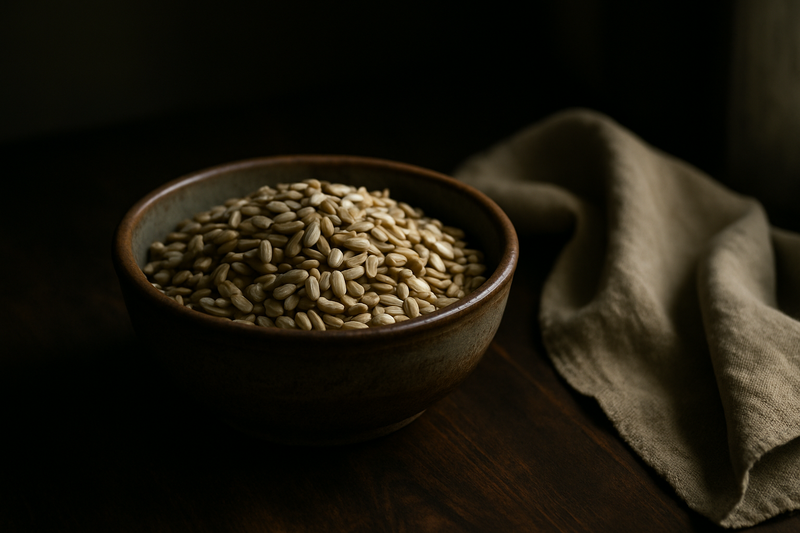
Raw Sunflower Kernels · Photograph
Discover the sunflower seeds health benefits backed by research — from vitamin E and plant protein to heart health and magnesium. Learn how to use raw sunflower kernels in granola, seed butter, and dressings, plus how to store them safely to prevent rancidity.
Key Nutrients
% Daily Value based on 2,000 cal diet
Key active compounds
- Tocopherols (vitamin E family): Alpha-tocopherol is the dominant form in sunflower kernels and one of the most biologically active antioxidants in the human body, protecting cell membranes from lipid oxidation (damage to the fatty layers that surround every cell).
- Linoleic acid: The predominant fat in sunflower kernels, an omega-6 polyunsaturated fatty acid (a type of essential fat your body cannot make on its own) linked to healthy cholesterol metabolism.
- Phytosterols: Plant-derived compounds structurally similar to cholesterol that can block cholesterol absorption in the gut when consumed regularly.
- Chlorogenic acids: Phenolic antioxidants naturally present in sunflower seeds; concentrated extracts have been tested in human trials for weight and fat-mass management.
- Selenium-containing proteins (selenoproteins): Selenium is incorporated into enzymes like glutathione peroxidase that form part of the body's internal antioxidant defense system.
- Folate (vitamin B9): Supports DNA synthesis and methylation (a process essential for gene expression and cell repair), with particular importance during pregnancy.
Prep and pairing ideas
Sunflower kernels are one of the most versatile seeds in the pantry. Here are practical ways to use them:
- Homemade granola: Toss raw kernels with rolled oats, a drizzle of maple syrup, cinnamon, and any spice you like. Bake at 325°F (160°C) until golden. The seeds add crunch, protein, and vitamin E without the tree-nut allergen.
- Seed butter: Blend 2 cups of raw or lightly roasted kernels in a food processor for 8–12 minutes, scraping down the sides, until smooth and creamy. Add a pinch of salt if desired. Use within two weeks and store refrigerated.
- Tahini-style dressing: Whisk 2 tablespoons of sunflower seed butter with lemon juice, garlic, water, and a splash of tamari for a creamy, nut-free dressing that pairs with grain bowls, roasted vegetables, and noodle salads.
- Smoothie boost: Blend a tablespoon of raw kernels or seed butter into any smoothie for extra protein and vitamin E without changing the flavor significantly.
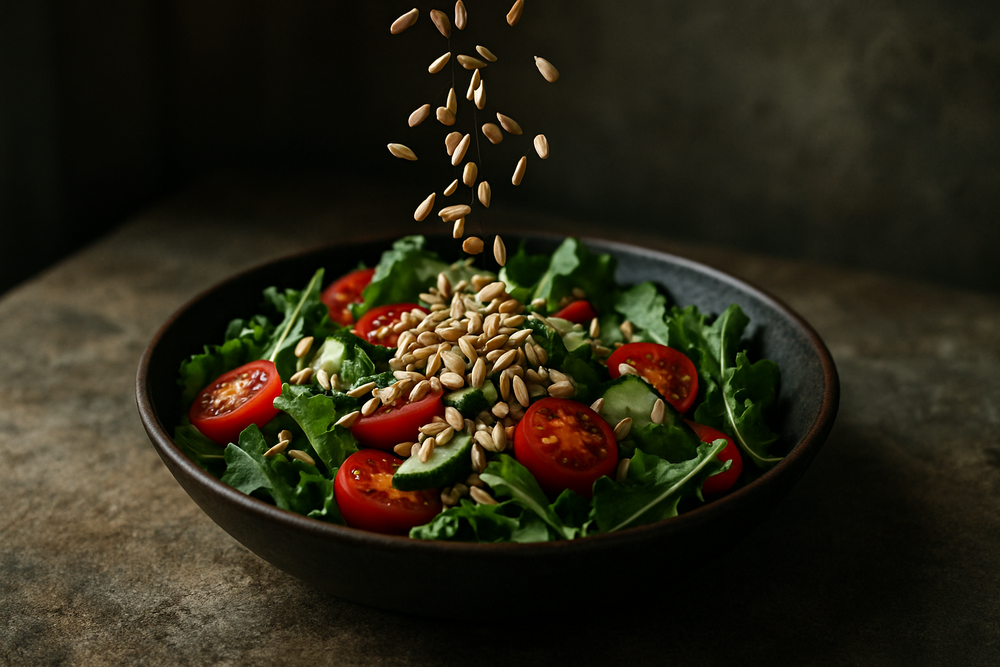
- Crunchy salad topper: Use in place of croutons or pine nuts. Toast lightly in a dry pan for 3–4 minutes to heighten flavor.
Who benefits most from sunflower kernels?
Nut-allergy households
- Need a protein- and fat-rich seed alternative that is tree-nut free and often school-safe
- Sunflower seed butter is a direct substitute for peanut or almond butter in most recipes
- Versatile enough to use in both sweet (granola, energy balls) and savory (dressings, dips) applications
People focused on vitamin E and antioxidant intake
- Sunflower kernels are among the highest whole-food sources of vitamin E per ounce — well ahead of almonds, spinach, or avocado
- One ounce nearly hits half the daily vitamin E target without relying on supplements
- The selenium and copper content adds complementary antioxidant enzyme support
Buying guide
Raw hulled vs. dry-roasted unsalted: Both are excellent choices nutritionally. Raw is ideal for seed butter and cold preparations; roasted works better for granola and trail mix where you want a nuttier flavor. Always check for "unsalted" or "no added salt" on the label.
Organic vs. conventional: Either is fine. Sunflower is not on the Environmental Working Group's high-pesticide concern list, so conventional is a reasonable, more affordable choice.
Bulk bins vs. packaged: Bulk can be economical but has higher turnover uncertainty — rancidity risk is real. Smell before you buy: fresh kernels smell mild and slightly nutty. A sharp, paint-like, or sour smell means the fats have oxidized. Pre-packaged bags with a "best by" date give more traceability.
Label flags to avoid: Added oil (especially partially hydrogenated), added sugar (in flavored varieties), or a long ingredient list on plain kernels. Ingredients should read: sunflower kernels (or sunflower kernels, salt). That is it.
Sunflower seed butter: Look for brands where the only ingredients are sunflower seeds and optionally salt. Some commercial versions add palm oil or substantial sugar — check the label.
Bottom line
Raw sunflower kernels are a genuinely nutrient-dense whole food that earns its place in a plant-based diet. Their vitamin E content alone sets them apart from most seeds and nuts, and their combination of plant protein, fiber, healthy fats, selenium, magnesium, and folate makes them a practical, affordable way to fill common dietary gaps. Human evidence supports modest improvements in cardiovascular risk markers with daily consumption, and their chlorogenic acid content is an active area of research for metabolic health.
They are not a superfood shortcut, and they do not treat or cure anything. But as a regular part of granola, seed butter, salads, and dressings, they are one of the easier whole-food upgrades you can make — as long as you keep them cold to protect those delicate fats from going rancid.
Explore how sunflower kernels fit into your broader nutrition goals at Plantopedia's goals hub.
How Raw Sunflower Kernels Compares
| Compared with | What's different |
|---|---|
| Raw Sunflower Kernels vs. Pumpkin Seeds (Pepitas) | Higher in vitamin E and selenium, while pepitas offer more iron and a flatter shape. |
| Raw Sunflower Kernels vs. Hemp Hearts | Higher in vitamin E and fat, whereas hemp hearts provide more protein and omega-3s. |
| Raw Sunflower Kernels vs. Pine Nuts | Similar crunch and fat profile, but sunflower kernels are a common tree-nut-free alternative. |
Health Benefits
Things to Know
Allergy: Sunflower seed allergy exists and can cause reactions ranging from mild oral symptoms to severe responses. If you have known seed or nut allergies, introduce cautiously and check with an allergist.
Anticoagulant medications (e.g., warfarin): Vitamin E in high combined amounts from food plus supplements may theoretically affect bleeding time. If you take blood thinners, discuss total vitamin E intake with your clinician.
Diabetes medications: Adding fats and fiber to meals modestly alters glucose patterns — generally favorably — but anyone on insulin or oral hypoglycemic drugs should monitor for unexpected changes when significantly increasing seed intake.
Kidney disease: Sunflower kernels are relatively high in phosphorus and potassium. People on phosphorus or potassium restrictions should factor them into their total dietary allowance.
Calorie density: At ~165 kcal per ounce, seeds add up quickly. For weight management goals, a one-to-two-ounce daily serving is a reasonable target rather than eating from the bag freely.
Pregnancy: Folate content is a plus for those who are pregnant or trying to conceive, but sunflower kernels are a food supplement to — not a replacement for — a dedicated prenatal folate supplement.
Children: Whole kernels are a choking hazard for infants and toddlers. Offer thin seed butter only, or consult a pediatric dietitian for age-appropriate forms.
Rancidity: The polyunsaturated fats in sunflower kernels oxidize (break down and turn rancid) faster than saturated fats. Store in an airtight container in the refrigerator for up to three months or freeze for up to a year. Rancid seeds smell sour or paint-like and should be discarded.
Prep Ideas
- — **Homemade granola:** Toss raw kernels with rolled oats, a drizzle of maple syrup, cinnamon, and any spice you like. Bake at 325°F (160°C) until golden. The seeds add crunch, protein, and vitamin E without the tree-nut allergen.
- — **Seed butter:** Blend 2 cups of raw or lightly roasted kernels in a food processor for 8–12 minutes, scraping down the sides, until smooth and creamy. Add a pinch of salt if desired. Use within two weeks and store refrigerated.
- — **Tahini-style dressing:** Whisk 2 tablespoons of sunflower seed butter with lemon juice, garlic, water, and a splash of tamari for a creamy, nut-free dressing that pairs with grain bowls, roasted vegetables, and noodle salads.
- — **Smoothie boost:** Blend a tablespoon of raw kernels or seed butter into any smoothie for extra protein and vitamin E without changing the flavor significantly.
- — **Crunchy salad topper:** Use in place of croutons or pine nuts. Toast lightly in a dry pan for 3–4 minutes to heighten flavor.
- — Need a protein- and fat-rich seed alternative that is tree-nut free and often school-safe
- — Sunflower seed butter is a direct substitute for peanut or almond butter in most recipes
- — Versatile enough to use in both sweet (granola, energy balls) and savory (dressings, dips) applications
- — Sunflower kernels are among the highest whole-food sources of vitamin E per ounce — well ahead of almonds, spinach, or avocado
- — One ounce nearly hits half the daily vitamin E target without relying on supplements
- — The selenium and copper content adds complementary antioxidant enzyme support
Glossary
Shop This Ingredient
Stock your pantry with quality raw sunflower kernels.
Buy on AmazonAs an Amazon Associate, Plantopedia earns from qualifying purchases. This costs you nothing extra and helps us keep the encyclopedia free.
Frequently Asked Questions
Heart and circulation The most direct human evidence comes from a controlled feeding study of postmenopausal women with type 2 diabetes, in which diets enriched with almonds or sunflower kernels produced meaningful improvements in cardiovascular risk markers — including favorable changes in lipoprotein profiles (the mix of fat-carrying proteins in the blood, including LDL, the so-called "bad" cholesterol). A registered randomized trial specifically testing sunflower seed consumption and blood lipids in adults is currently underway, signaling growing clinical interest. Mechanistically, sunflower kernels offer three overlapping pathways for heart support: linoleic acid (which can lower LDL when it replaces saturated fat), phytosterols (which reduce cholesterol absorption), and vitamin E (which protects LDL particles from oxidation — a key step in plaque formation). None of this means sunflower seeds treat heart disease, but the overall package is consistent with a heart-supportive dietary pattern. Digestive health and microbiome One ounce provides roughly 3 grams of dietary fiber — a meaningful contribution toward the 25–38 g daily target most adults fall short of. Fiber adds bulk to stool, supports regular bowel movements, and feeds beneficial bacteria in the colon (a process called fermentation that produces short-chain fatty acids, which nourish the gut lining). No sunflower-specific gut microbiome trials exist yet, but the fiber contribution is well-established from USDA data. Blood sugar and metabolism Direct glycemic evidence for whole sunflower kernels is limited. The controlled feeding study mentioned above found cardiovascular improvements but did not report robust blood sugar changes. However, the combination of protein, fat, and fiber in sunflower kernels slows gastric emptying (the rate at which food moves from the stomach into the intestine), which can blunt post-meal glucose spikes when seeds are eaten alongside carbohydrate-rich foods. Their magnesium and chlorogenic acid content may also support insulin sensitivity (how well cells respond to the hormone insulin), though this is largely mechanistic rather than proven in sunflower-specific trials. Inflammation and recovery Sunflower kernels are rich in vitamin E and unsaturated fats, both of which are involved in the body's regulation of inflammatory signals. Broader observational research links regular nut and seed consumption to lower inflammatory markers such as C-reactive protein (a blood test measure of systemic inflammation). No trials have tested whole sunflower kernels directly against inflammatory biomarkers, so anti-inflammatory benefits should be considered plausible but not firmly proven. Hormones and cycle health Vitamin E, essential fatty acids, and minerals like selenium and zinc all play background roles in reproductive and endocrine (hormone-producing gland) health. However, no human trials have directly tested sunflower kernel intake and hormone levels. Any hormonal support is speculative and based on general micronutrient research rather than sunflower-specific evidence.
Both forms are nutritionally solid. Here is how they compare in practice: Raw hulled kernels retain their full complement of heat-sensitive compounds and oxidize more slowly before opening. They have a mild, slightly earthy flavor that works well in uncooked preparations — think overnight oats, smoothie bowls, salad toppings, or blended seed butter. Because the fat is still completely untouched by heat, cold storage is especially important. Dry-roasted kernels (unsalted) develop a nuttier, more toasty flavor from the Maillard reaction (a chemical browning process that creates new flavor compounds). Macronutrient and mineral profiles remain nearly identical to raw. Very high-heat roasting may reduce some heat-sensitive B vitamins marginally, but the difference is unlikely to be meaningful in typical portions. The key qualifier: choose unsalted to avoid unnecessary sodium. Sunflower seed butter — ground kernels with minimal added ingredients — concentrates all the benefits in a spreadable form. It is a strong nut-free alternative for school-safe lunches, dressings, and sauces. Chlorogenic acid extracts (seen in some supplements) were used in clinical trials at 500 mg per day and showed reductions in body fat mass and BMI in people with obesity. These are concentrated ingredients — not the same as eating a handful of seeds — and should be treated as supplements rather than food. For most people, raw or dry-roasted unsalted kernels are equally good choices. Pick the form that matches your recipe.
For general wellness, 1 to 2 ounces (28–56 g) per day — roughly 2 to 4 tablespoons of raw kernels — aligns with standard nut and seed recommendations and fits comfortably within a balanced calorie budget for most adults. At this range, you capture a meaningful dose of vitamin E (approximately 49–98% DV), a useful selenium contribution, and 5–11 g of plant protein. Start with one tablespoon if you are new to seeds or have a sensitive digestive system, then build up gradually over one to two weeks to let your gut adjust to the added fiber. There is no established upper limit specifically for sunflower kernels as a whole food. The more practical ceiling is calorie balance: two ounces adds around 330 calories, which is a substantial snack. If you are considering a standardized sunflower seed extract supplement (the chlorogenic acid–rich form used in clinical trials), the research dose was 500 mg per day for 12 weeks under trial conditions. This is distinct from whole-food intake and worth discussing with a healthcare provider before starting.
Quick Answers
Common questions, answered in a line.
Raw sunflower kernels are rich in Vitamin E, plant protein, linoleic acid, phytosterols, and selenium-containing proteins. These compounds work together to protect cell membranes from oxidation, support healthy cholesterol metabolism, and bolster the body's antioxidant defenses.
Store raw sunflower kernels in an airtight container in the refrigerator for up to three months or in the freezer for up to a year. Because their polyunsaturated fats oxidize quickly, keeping them cold prevents them from developing a sour or paint-like rancid smell.
Sunflower seed butter is a direct, tree-nut-free substitute for peanut or almond butter in most recipes, making it ideal for nut-allergy households. It can be used in sweet applications like granola and energy balls, or savory dishes like dressings and dips.
To make homemade sunflower seed butter, blend two cups of raw or lightly roasted kernels in a food processor for 8–12 minutes until smooth and creamy. You may add a pinch of salt if desired, and the finished butter should be refrigerated and used within two weeks.
Sunflower kernels are one of the highest whole-food sources of vitamin E, with one ounce providing nearly half of the daily recommended target. This level of alpha-tocopherol significantly outperforms other common sources like spinach, avocado, or almonds.
Yes, sunflower seeds are high in phosphorus and potassium, which means individuals on specific dietary restrictions for kidney disease should monitor their intake. It is important to factor these seeds into your total daily allowance if you are managing mineral levels.
Avoid sunflower kernels with added sugars, long ingredient lists, or oils, especially partially hydrogenated oils. Ideally, the ingredient label should only list sunflower kernels and, optionally, salt.
For Readers in the USA
Local context — sourcing, seasonality, and regional notes.
North Dakota and South Dakota are the primary producers of sunflowers in the U.S., accounting for the majority of the domestic crop. Other significant growing regions include Kansas, Nebraska, and Minnesota, with harvests typically occurring in the fall between September and November.
Raw sunflower kernels are widely available at major U.S. grocery chains like Kroger, Walmart, and Whole Foods, as well as at local farmers markets in the Midwest. Look for them in the baking aisle, the snack section, or the bulk bins where they are often sold at a lower price point.
The USDA Organic seal ensures that sunflower kernels were grown without synthetic pesticides or fertilizers and are non-GMO. While the article notes conventional seeds are generally safe, the organic label provides additional third-party verification for those prioritizing environmental sustainability and strict chemical avoidance.
Sunflower seed butter, often sold under the brand name SunButter in the U.S., has become a staple in "nut-free" schools as a safe alternative to peanut butter. It is frequently used in American school lunches and snack programs to accommodate students with severe tree nut or peanut allergies.
AI Clinical Review
- Strong, evidence‑consistent emphasis on vitamin E: sunflower kernels are among the top whole‑food sources of alpha‑tocopherol per ounce, alongside useful amounts of plant protein, fiber, magnesium, and selenium.
- Heart health framing is appropriate: replacing saturated fat with polyunsaturated fat (PUFA) and adding phytosterols (plant compounds that can reduce cholesterol absorption) aligns with lipid‑lowering dietary patterns.
- Clear distinction between whole seeds and concentrated extracts; readers are reminded that supplement data (chlorogenic acids) doesn’t equal whole‑food effects.
- Practical guidance on storage to prevent rancidity and on choosing unsalted, minimally processed products is sound and consumer‑friendly.
- Human trials specifically testing whole sunflower kernels are limited and often in select groups (e.g., postmenopausal adults with diabetes). Benefits for lipids are plausible but need broader, longer studies that track clinical outcomes, not just lab markers.
- Claims around glycemic control, inflammation, hormone or microbiome effects are largely mechanistic or extrapolated from mixed nuts/seeds research; sunflower‑specific randomized trials are sparse.
- Findings from chlorogenic‑acid–rich sunflower seed extracts (short‑term, variable formulations) should not be assumed for typical food portions of kernels.
- Portion size: 1–2 oz (about 2–4 Tbsp) per day fits most calorie budgets and matches common nut/seed guidance; salted varieties can add significant sodium—choose unsalted when possible.
- Safety and interactions: true sunflower seed allergy exists; those on anticoagulants (because of total vitamin E exposure) or diabetes medications should discuss meaningful intake changes with a clinician. People with advanced kidney disease may need to limit due to phosphorus/potassium.
- Infants and toddlers: whole kernels are a choking risk—use thin seed butter forms instead.
- Quality and variety: store in the fridge/freezer to limit PUFA oxidation; as with many seeds, trace heavy metals (e.g., cadmium from soil) can be present—buy reputable brands and rotate seed/nut choices over time.
A whole seed food; store cold to prevent rancidity.
References
- USDA FoodData Central — sunflower seed kernels (primary nutrition data) (fdc.nal.usda.gov)
- MyPlate protein foods guidance (nuts and seeds) (myplate.gov)
- Feeding study: sunflower kernels improve cardiovascular risk markers in postmenopausal women with type 2 diabetes (ncbi.nlm.nih.gov)
- Randomized trial: sunflower seed extract (chlorogenic acids) reduces body fat in adults with obesity (pubmed.ncbi.nlm.nih.gov)
- Randomized trial: Helianthus annuus seed extract affects weight and body composition (pmc.ncbi.nlm.nih.gov)
- Registered clinical trial — effect of sunflower seed consumption on blood lipids (NCT07231367) (clinicaltrials.gov)
- WebMD overview of sunflower seed health benefits (safety and general reference) (webmd.com)
- Sunflower NDA nutrient composition data — confection kernel (sunflowernsa.com)
- University of Rochester Medical Center — dry-roasted sunflower kernels nutrition facts (urmc.rochester.edu)
Know Your Numbers
Eating healthy is a start. Now get to know your biomarkers.
Food changes bloodwork — inflammation, lipids, blood sugar and nutrient status all respond to what you eat. 59 markers from $59.
- Results in 7–10 days at 2,000+ Quest sites
- Licensed provider reviews every result
- One flat price, no membership, HSA/FSA eligible
Educational information only, not medical advice. Panels are ordered and reviewed through our licensed partner; Plantopedia may earn a commission.