Red Beans — health benefits and uses
Protein + fiber leverage; batch-cook, meal-prep, and satiety angle
The Short Answer
Red beans provide 15.3g of protein and 13.1g of fiber per cooked cup, offering significant amounts of folate, iron, and antioxidant anthocyanins. They must be fully boiled to neutralize phytohaemagglutinin, a natural protein found in raw beans.

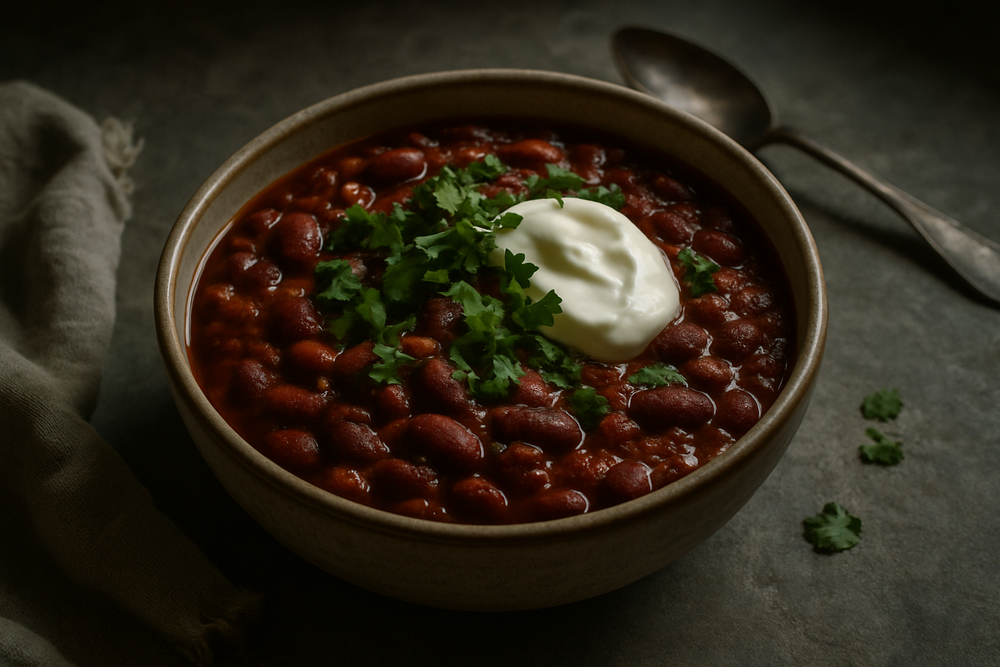
Red Beans · Photograph
Red beans — most commonly the red kidney bean, a variety of Phaseolus vulgaris — are one of the most widely eaten legumes on the planet, and for good reason. They pack meaningful amounts of plant protein, slow-burning fiber, folate, iron, and a vivid collection of polyphenol antioxidants into a cheap, shelf-stable package that fits almost any cooking style.
Key Nutrients
% Daily Value based on 2,000 cal diet
Key active compounds
Red beans get their health properties from several layers of chemistry working together:
- Polyphenols (flavonoids and phenolic acids): Broad family of plant compounds with antioxidant and cell-signaling properties. Red beans are especially rich in these compared with lighter-colored beans.
- Anthocyanins and anthocyanidins: The red-purple pigments that give red kidney beans their color. A subclass of polyphenols with strong antioxidant activity; research suggests they can also slow the enzymes that break down starch, helping blunt blood sugar spikes.
- Resistant starch: Starch that bypasses digestion in the small intestine and arrives in the colon, where gut bacteria ferment it. Think of it as a slow-release fuel for your microbiome.
- Oligosaccharides (raffinose, stachyose): Short-chain carbohydrates that act as prebiotic food for beneficial gut bacteria. They also cause the gas that beans are famous for — especially when you eat them suddenly in large amounts.
- Lectins (phytohaemagglutinin): Carbohydrate-binding proteins. In raw or undercooked red kidney beans these are toxic; proper soaking and boiling destroys them completely. In fully cooked beans, residual lectin-related compounds may have modest immune-modulating effects, though this area is still being studied.
- Phytates (phytic acid): A storage form of phosphorus that can mildly reduce the immediate absorption of some minerals. Soaking and cooking lower phytate levels, and phytates themselves may have antioxidant and anticancer properties.
How Red Beans Compares
| Compared with | What's different |
|---|---|
| Red Beans vs. Adzuki Beans | Smaller, sweeter, and more tender with a less earthy flavor than kidney beans. |
| Red Beans vs. Red Kidney Beans | Larger, tougher skins, and contain higher levels of phytohaemagglutinin before cooking. |
| Red Beans vs. Pinto Beans | Creamier texture and milder taste; red beans have more antioxidant anthocyanins. |
Health Benefits
Things to Know
Raw or undercooked red kidney beans are toxic.: Even 4–5 improperly prepared beans can cause severe vomiting and diarrhea within 1–4 hours. Always boil at a full rolling boil for at least 10 minutes. Fully cooked beans are safe.
Kidney disease / renal diet: Red beans are high in potassium and phosphorus, both of which need to be restricted in moderate-to-advanced chronic kidney disease. Speak with a nephrologist or renal dietitian before adding them regularly.
IBS / FODMAP sensitivity: Beans are high in fermentable oligosaccharides (FODMAPs). If you follow a strict low-FODMAP protocol, speak with a dietitian. Some individuals with IBS tolerate small amounts of well-cooked, rinsed canned beans with careful portion control.
Gout / high uric acid: Beans contain moderate purines. Plant-based purines appear to raise gout risk less than animal-based purines, but individualized medical advice is appropriate if you have a history of gout flares.
Legume allergy: Cross-reactivity exists among legumes (peanuts, soy, lentils, beans). If you have a known legume allergy, consult an allergist before trying red beans.
IBD (Crohn's, ulcerative colitis): During active flares, high-fiber foods including whole beans may worsen symptoms. Reintroduce carefully during remission under dietary supervision.
Pregnancy: Red beans are an excellent source of folate, which is crucial in early pregnancy. However, always consult your midwife or OB about your full supplement and food plan.
Medication interactions to watch:
Diabetes medications (insulin, sulfonylureas, SGLT2 inhibitors):
Best Forms
look for "no added salt" or check that sodium per serving is under 140 mg
check for a recent harvest date; older beans take longer to cook and can stay firmer
Shop This Ingredient
Stock your pantry with quality red beans.
Buy on AmazonAs an Amazon Associate, Plantopedia earns from qualifying purchases. This costs you nothing extra and helps us keep the encyclopedia free.
Frequently Asked Questions
The evidence below covers areas where human data exists. "May help" and "research suggests" are intentional — nutrition science rarely gives absolute guarantees, and effects depend on your whole diet and health context. Heart health and circulation Evidence level: moderate to strong Several well-designed human trials show that eating roughly one cup of cooked legumes daily can: Lower total cholesterol by around 8 mg/dL Reduce triglycerides (blood fats) by around 22 mg/dL Drop systolic blood pressure (the top number) by around 4–5 mmHg In one intervention, participants who ate about four servings of cooked legumes per week had significantly greater reductions in CRP (C-reactive protein — a blood marker of systemic inflammation) compared with people eating fewer legumes. Observational data suggest that eating around 400 g of legumes per week (roughly 2–3 cups cooked) is associated with meaningfully lower cardiovascular risk. The mechanisms make intuitive sense: soluble fiber (fiber that dissolves in water) slows cholesterol absorption; polyphenols reduce oxidative stress on artery walls; replacing fatty animal proteins with beans cuts saturated fat while adding fiber and antioxidants. Most trials used mixed-legume interventions rather than red beans alone, but red kidney beans share the same key nutrients and polyphenols, so benefits are expected to apply. Digestive health and gut microbiome Evidence level: moderate The fiber story in red beans is two-layered: Soluble fiber forms a gel-like substance in the gut, slowing digestion, feeding beneficial bacteria, and helping regulate cholesterol. Resistant starch and oligosaccharides travel to the colon where gut bacteria ferment them into short-chain fatty acids (SCFAs) — especially butyrate. Butyrate is the colon's preferred fuel source and helps maintain the gut lining's integrity (so less "leaky gut"), modulate inflammation, and potentially lower colorectal cancer risk. Human and animal research on beans consistently shows increased SCFA production, improved stool bulk, and better microbial diversity with regular legume intake. Gas and bloating are the common downside — see the Troubleshooting section below for practical strategies. Blood sugar and metabolic health Evidence level: strong Red beans have a low glycemic index (GI) — a measure of how fast a food raises blood glucose — because their starch is encased in plant cell walls and digested slowly. Add their fiber, resistant starch, and anthocyanins (which inhibit starch-digesting enzymes), and you get a food that genuinely blunts post-meal blood sugar spikes. In human trials focused on people with type 2 diabetes: Eating about one cup of cooked legumes daily improved HbA1c (a 3-month average blood sugar marker) by around 0.5 percentage points Combining beans with rice reduced post-meal blood sugar compared with rice alone These are clinically meaningful numbers. For context, some blood sugar medications target a similar HbA1c reduction. People on insulin or other glucose-lowering drugs should monitor blood sugars when increasing bean intake, as better control could require medication adjustment. Inflammation and recovery Evidence level: moderate Red beans' deep color is a visual signal of their anthocyanin content — among the highest of any bean variety. Anthocyanins, alongside other polyphenols, act as antioxidants that neutralize free radicals (unstable molecules that damage cells) and may downregulate inflammatory signaling pathways. At the population level, legume-rich diets are consistently associated with lower inflammatory markers including CRP and interleukin-6. Butyrate from fermented bean fiber also dampens inflammation in the colon and potentially systemically. Most of this data comes from mixed-legume trials and mechanistic studies; large red-bean-specific human trials are limited but the biological overlap is substantial. Hormones and reproductive health Evidence level: emerging / indirect Direct evidence for red beans affecting sex hormones or the menstrual cycle is limited. However, red beans support several pathways with hormonal relevance: Folate is critical for early pregnancy (neural tube protection) and supports homocysteine metabolism, which affects vascular and possibly endocrine function Magnesium influences insulin signaling and blood pressure regulation, both of which are relevant in conditions like PCOS (polycystic ovary syndrome) Low-glycemic carbohydrates support insulin sensitivity, a key driver in PCOS and metabolic syndrome
Buying guide: dried, canned, or other forms? Dried red kidney beans (soaked and home-cooked) The gold standard used in most research. More affordable per serving, better texture control, and no added sodium. Requires planning: soak for 5–8 hours (or overnight), discard the soaking water, boil vigorously in fresh water for at least 10 minutes, then simmer until tender (usually 45–90 minutes total). This vigorous boil is non-negotiable for red kidney beans — it destroys the toxic lectin phytohaemagglutinin. Canned red beans (red kidney or small red beans) Nutritionally very close to home-cooked — protein, fiber, folate, and minerals are well-preserved. The trade-off is sodium (often 300–400 mg per half cup). Fix: drain and rinse under cold water for 30 seconds, which can reduce sodium by around 40% and also removes some gas-causing oligosaccharides. Choose low-sodium or no-salt-added varieties for the cleanest option. Fully cooked and ready to use straight from the can. Pressure-cooked red beans Faster and achieves temperatures that destroy lectins. Soak the beans first, then pressure cook according to manufacturer guidelines (typically 25–30 minutes at high pressure for kidney beans). Can improve digestibility and reduce gas-forming compounds compared with stovetop boiling. Label tips: For canned: look for "no added salt" or check that sodium per serving is under 140 mg For dried: check for a recent harvest date; older beans take longer to cook and can stay firmer Small red beans and red kidney beans are interchangeable in most recipes and have similar nutrition profiles Avoid any product labeled "partially cooked" or intended for raw consumption ⚠️ Slow cooker warning: Do NOT cook raw or soaked kidney beans directly in a slow cooker without boiling them first. Slow cookers typically operate below 100°C (212°F), which may not inactivate the toxic lectins. Boil on the stovetop for 10 minutes, then transfer to the slow cooker if you prefer that cooking method.
Quick Answers
Common questions, answered in a line.
Raw or undercooked red kidney beans are toxic and can cause severe vomiting and diarrhea within one to four hours of consumption. Their toxicity is caused by high levels of lectins, specifically phytohaemagglutinin, which must be destroyed by proper soaking and a full rolling boil for at least 10 minutes.
Red kidney beans are safe to eat only after they have been soaked and boiled at a full rolling boil for at least 10 minutes. This process completely destroys the toxic lectins found in the raw legume. Once they are fully cooked, they no longer pose a risk of food poisoning.
Red beans help prevent blood sugar spikes because they contain slow-burning fiber and anthocyanins that can slow down the enzymes responsible for breaking down starch. They also provide resistant starch, which serves as a slow-release fuel for your microbiome rather than being digested quickly in the small intestine.
The gas associated with red beans is caused by oligosaccharides like raffinose and stachyose, which are short-chain carbohydrates that ferment in the colon. These compounds act as prebiotic food for beneficial gut bacteria, but they can cause gas especially when beans are consumed suddenly in large amounts.
People with moderate-to-advanced chronic kidney disease should be cautious with red beans because they are naturally high in potassium and phosphorus. These minerals often need to be restricted in a renal diet, so it is important to consult a nephrologist or renal dietitian before adding them to your regular meals.
Red beans are an excellent source of folate, a nutrient that is crucial for fetal development during early pregnancy. While they offer significant nutritional benefits, you should always consult with a midwife or OB-GYN regarding your specific supplement and food plan during pregnancy.
Red beans are high-fiber foods that contain fermentable oligosaccharides (FODMAPs), which may worsen symptoms for those with IBS or during active IBD flares. Individuals with these conditions should reintroduce beans carefully during remission or consult a dietitian regarding portion control and the use of well-rinsed, canned varieties.
For Readers in the USA
Local context — sourcing, seasonality, and regional notes.
Red beans are a staple of Louisiana Creole and Cajun cuisine, traditionally served as "Red Beans and Rice" on Mondays. This tradition originated because Monday was laundry day, and beans could simmer unattended for hours with a leftover ham bone from Sunday dinner.
In the United States, red kidney beans are majorly produced in northern states like Minnesota, North Dakota, and Michigan. These regions provide the cool, temperate climate and well-drained soil necessary for high-yield commercial bean farming.
Red beans are sold at virtually all major US grocery chains like Kroger, Walmart, and Safeway, and are widely available in both dry bags and BPA-free cans. Many regional farmers markets also sell heirloom varieties, such as the Montezuma Red, during the fall harvest season.
The FDA warns that raw red kidney beans contain high levels of phytohaemagglutinin and must be boiled at 212°F for at least 10 minutes to be safe. The agency specifically advises against using slow cookers for raw beans, as low temperatures may actually increase toxin levels.
AI Clinical Review
- Clearly explains that legumes, including red kidney beans, have solid human data for cardiometabolic benefits (improved cholesterol, triglycerides, and modest blood pressure reductions) when eaten regularly and in place of more refined or saturated‑fat–rich foods.
- Accurately describes the low–glycemic index of red beans and how fiber, resistant starch, and anthocyanins help blunt post‑meal glucose spikes; the ~0.5% HbA1c improvement cited is consistent with mixed‑legume trials.
- Emphasizes essential food safety: soaking plus a vigorous 10‑minute boil (or pressure cooking) makes kidney beans safe; slow cookers alone are not sufficient for raw beans.
- Notes that canned beans are nutritionally comparable to home‑cooked and that draining/rinsing substantially lowers sodium—useful, practical guidance.
- Many outcomes referenced (lipids, inflammation, glycemia) come from mixed‑legume studies; long‑term, red‑kidney‑bean–specific trials are limited, so effect sizes can vary by diet and individual.
- Anthocyanin‑specific benefits and any “immune‑modulating” effects of lectins in fully cooked beans are mechanistically plausible but not yet well demonstrated in large human trials.
- Links among bean intake, microbiome shifts, and reduced colorectal cancer risk are suggestive; causal evidence in humans remains incomplete.
- Hormone/PCOS benefits are largely indirect via improved insulin sensitivity; dedicated randomized trials isolating red beans are sparse.
- Safety first: never eat raw or undercooked kidney beans; always boil briskly for at least 10 minutes before simmering or use a pressure cooker. Do not cook soaked raw beans solely in a slow cooker.
- Typical research intakes are around 1 cup cooked per day; if you use insulin or sulfonylureas, monitor glucose, as improved control can require medication adjustments.
- People with chronic kidney disease or on potassium/phosphorus restrictions should discuss portions with a clinician or renal dietitian.
- If you have IBS or are sensitive to FODMAPs, start with small servings (about 1/4–1/2 cup) and consider well‑cooked or rinsed canned beans to improve tolerance.
Mention soaking/cooking tolerance tips where relevant; avoid raw legume prep errors.
References
- PubMed — Black beans and red kidney beans induce positive postprandial vascular responses in healthy adults: A pilot randomized cross-over study (pubmed.ncbi.nlm.nih.gov)
- PubMed — Comparison of the Effects of Roasted and Boiled Red Kidney Beans (Phaseolus vulgaris L.) on Glucose/Lipid Metabolism and Intestinal Immunity in a High-Fat Diet-Induced Murine Obesity Model (pubmed.ncbi.nlm.nih.gov)
- PMC, National Library of Medicine — Therapeutic Potential of White Kidney Beans (Phaseolus vulgaris) for Weight Management (pmc.ncbi.nlm.nih.gov)
- PMC, National Library of Medicine — Nutritional Compositions, Phenolic Contents, and Antioxidant Potentials of Ten Original Lineage Beans in Thailand (pmc.ncbi.nlm.nih.gov)
- PubMed — Repressive effects of red bean, Phaseolus angularis, extracts on obesity of mouse induced with high-fat diet via downregulation of adipocyte differentiation and modulating lipid metabolism (pubmed.ncbi.nlm.nih.gov)
- USDA FoodData Central — USDA FoodData Central (fdc.nal.usda.gov)
Know Your Numbers
Eating healthy is a start. Now get to know your biomarkers.
Food changes bloodwork — inflammation, lipids, blood sugar and nutrient status all respond to what you eat. 59 markers from $59.
- Results in 7–10 days at 2,000+ Quest sites
- Licensed provider reviews every result
- One flat price, no membership, HSA/FSA eligible
Educational information only, not medical advice. Panels are ordered and reviewed through our licensed partner; Plantopedia may earn a commission.