Red Onion — health benefits and uses
Anthocyanin-rich allium prized in folk tradition for heart and blood support.
The Short Answer
Red onions are excellent sources of the antioxidant quercetin and anthocyanin pigments, providing 44 calories and 8.1 mg of Vitamin C per chopped cup. Eating them raw or quick-pickled helps preserve these heat-sensitive flavonoids for maximum heart and
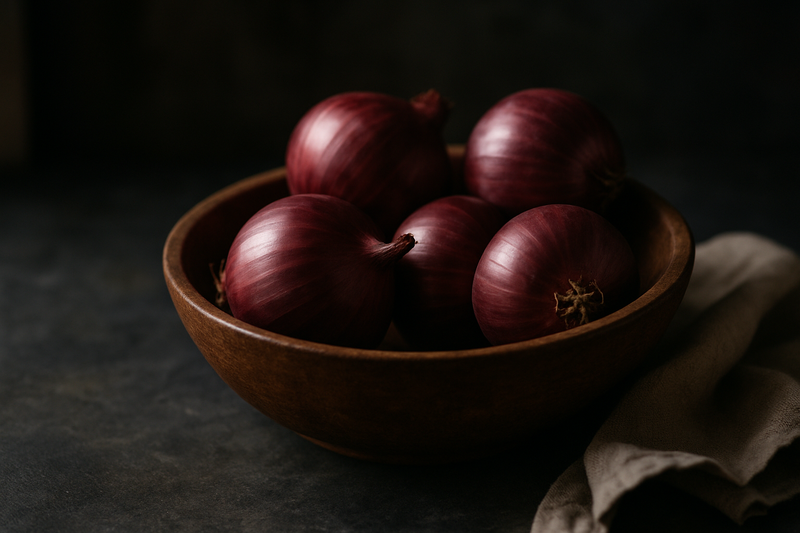
Red Onion · Photograph
Discover the evidence-backed red onion health benefits, from heart support and blood sugar to antioxidants like quercetin and anthocyanins. Includes nutrition facts, safe daily amounts, and easy ways to add red onion to your diet.
Key Nutrients
% Daily Value based on 2,000 cal diet
Key active compounds
- Quercetin — A flavonol (a subtype of polyphenol) concentrated in the outer layers of red onions. Associated in human trials with lower LDL cholesterol, improved endothelial (blood vessel lining) function, and reduced oxidative stress.
- Quercetin glycosides — Sugar-bound forms of quercetin that improve its solubility and absorption in the gut.
- Anthocyanins — Water-soluble red-purple pigments from the flavonoid family. Provide additional antioxidant capacity and may support vascular health. Most concentrated when onions are eaten raw.
- Kaempferol — A flavonol found alongside quercetin; contributes to the overall antioxidant and anti-inflammatory profile of red onions.
- Luteolin — Another flavonoid with documented anti-inflammatory activity in experimental models.
- Myricetin — A polyphenolic flavonol adding to the antioxidant mix, though its specific human effects from red onion alone are not well studied.
- Fructans — Fermentable carbohydrate chains that act as prebiotics (food for beneficial gut bacteria), though they can cause gas or bloating in sensitive individuals.
- Organosulfur compounds — Sulfur-containing molecules that give onions their pungency. Show antithrombotic (anti-clotting), antioxidant, and potential metabolic benefits in experimental research.
Prep and pairing ideas
Quick-pickled red onion is one of the easiest ways to preserve flavonoids while making onion more digestible. Thinly slice half a red onion, cover with apple cider vinegar and a pinch of salt, and let it sit for 20–30 minutes. The color turns bright magenta — that's the anthocyanins shifting slightly in acid.
Three practical pairings and why:
- Red onion + avocado in a salad or salsa — The healthy fats in avocado can improve the absorption of fat-soluble plant compounds. The mild creaminess of avocado also balances the sharpness of raw onion, making it easier to eat a meaningful amount.
- Red onion + lentils or beans — Onion's quercetin and sulfur compounds complement the iron and protein in legumes. Research also suggests that onion compounds may enhance non-heme iron (plant-based iron) absorption, making this a smart pairing for people eating plant-forward diets.
- Red onion + leafy greens (arugula, spinach, kale) — Both are rich in different flavonoid classes, so combining them adds antioxidant diversity to your meal. Red onion's sharpness also makes dressings and greens more interesting without heavy sauces.
Storage tip: Keep whole red onions in a cool, dry, dark place — not the refrigerator — where they can last two to three weeks. Once cut, store in an airtight container in the fridge and use within a few days to minimize flavonoid oxidation.
Bottom line
Red onion is one of the most accessible whole-food sources of quercetin and anthocyanins — two classes of plant compounds with genuine, if still-emerging, human evidence behind them. Short-term clinical trials suggest regular raw red onion intake can support healthier cholesterol levels, better blood sugar responses, and improved metabolic markers, particularly when eaten as part of a vegetable-rich diet. It is very safe for most people, inexpensive, and versatile enough to eat raw, pickled, or cooked depending on your taste and digestive tolerance.
The research base, while promising, still consists mostly of small, short-term trials — many using concentrated extracts rather than whole onion. So the right framing is: red onion is a genuinely useful food with a strong nutrient profile, not a cure or treatment for any condition.
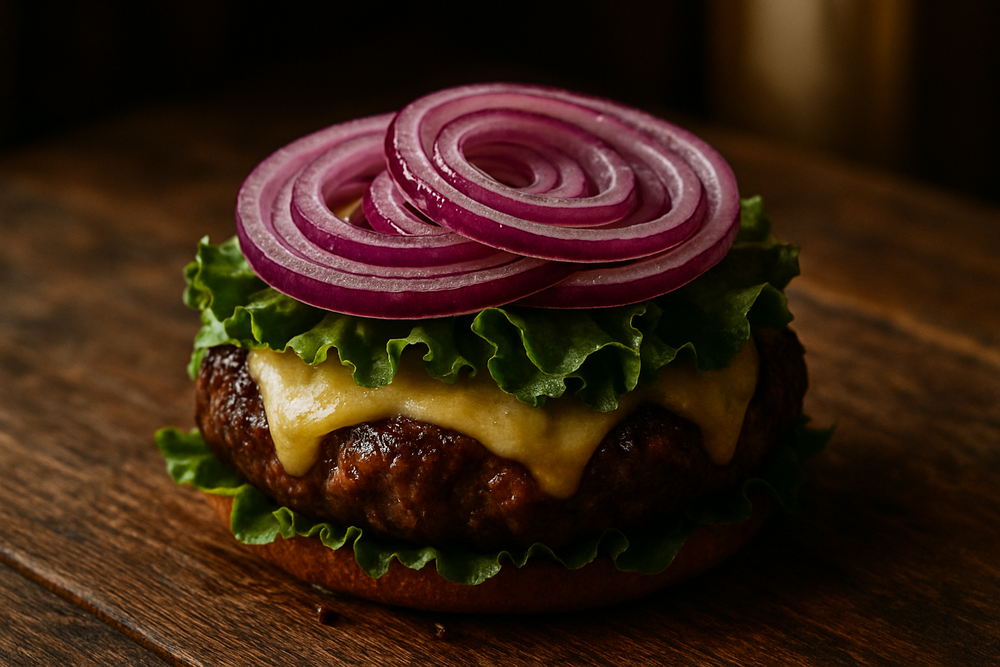
The most practical step? Add a few rings to tomorrow's lunch and go from there.
How Red Onion Compares
| Compared with | What's different |
|---|---|
| Red Onion vs. Yellow Onion | Milder and sweeter flavor with higher sugar content, lacking the red anthocyanin pigments. |
| Red Onion vs. White Onion | Contain much higher levels of quercetin and anthocyanin antioxidants than white varieties. |
| Red Onion vs. Shallots | Smaller, milder, and grow in clusters with a more subtle, garlic-like undertone. |
Health Benefits
Things to Know
Acid reflux or GERD: Raw onion is a well-known reflux trigger. Try cooking, roasting, or quick-pickling to reduce this effect.
IBS or FODMAP sensitivity: Onion fructans are among the most common FODMAP triggers. A low-FODMAP approach typically restricts onions during the elimination phase. Speak with a dietitian before adding them back.
Onion allergy: Rare but real. If you have a known allergy to any Allium species (garlic, leeks, chives), check with your doctor before adding red onion.
Blood thinners (anticoagulants or antiplatelet drugs): Onion compounds show antithrombotic effects in research. Food-level intake is generally considered safe, but high-dose onion peel extract supplements could theoretically add to the effect of drugs like warfarin or aspirin. Discuss with your prescribing doctor before supplementing.
Diabetes medications: Raw red onion has been shown to acutely lower blood sugar in clinical settings. If you take insulin or oral hypoglycemic (blood-sugar-lowering) agents, significantly increasing your red onion intake warrants blood sugar monitoring.
Antihypertensive medications: Onion constituents may modestly lower blood pressure; this is unlikely to be an issue with normal food amounts, but worth mentioning to your doctor if you add very large amounts or start supplementing.
Pregnancy and breastfeeding: Red onion in normal culinary amounts is considered safe. High-dose onion or quercetin supplements during pregnancy have not been well studied; avoid supplemental forms unless advised by a healthcare provider.
Prep Ideas
- — **Red onion + avocado in a salad or salsa** — The healthy fats in avocado can improve the absorption of fat-soluble plant compounds. The mild creaminess of avocado also balances the sharpness of raw onion, making it easier to eat a meaningful amount.
- — **Red onion + lentils or beans** — Onion's quercetin and sulfur compounds complement the iron and protein in legumes. Research also suggests that onion compounds may enhance non-heme iron (plant-based iron) absorption, making this a smart pairing for people eating plant-forward diets.
- — **Red onion + leafy greens (arugula, spinach, kale)** — Both are rich in different flavonoid classes, so combining them adds antioxidant diversity to your meal. Red onion's sharpness also makes dressings and greens more interesting without heavy sauces.
Glossary
Shop This Ingredient
Stock your pantry with quality red onion.
Buy on AmazonAs an Amazon Associate, Plantopedia earns from qualifying purchases. This costs you nothing extra and helps us keep the encyclopedia free.
Frequently Asked Questions
Heart health and circulation This is the most studied area for red onions specifically. A clinical trial in overweight and obese women with PCOS (polycystic ovary syndrome, a hormonal-metabolic condition) found that eating 100 g of raw red onion daily for eight weeks significantly lowered total cholesterol compared with baseline — with a stronger effect than a lower-dose group. A broader clinical review of Allium cepa and its constituents reports that onion intake and onion peel extract (providing around 100 mg of quercetin) can reduce total and LDL ("bad") cholesterol, improve endothelial function (how well blood vessels relax and expand), and exert antithrombotic and vasodilatory (blood-vessel-widening) effects. It is worth noting that many trials use concentrated onion peel extracts rather than whole red onion, are short-term, and involve relatively small groups of participants. Including red onion regularly as part of a vegetable-rich eating pattern is consistent with major dietary guidelines that emphasize vegetables for cardiovascular health, but red onion on its own is not a substitute for medical management of heart disease. Digestive health and gut microbiome Red onions contain both insoluble fiber and fructans — a type of fermentable carbohydrate that functions as a prebiotic, meaning it feeds beneficial bacteria in the large intestine. Supporting a healthy gut microbiome (the community of microorganisms living in your gut) is linked to better digestion, regularity, and immune function. However, controlled human trials specifically on red onion and microbiome composition are limited, so this benefit is largely extrapolated from general prebiotic research. Importantly, the same fructans that may support gut health can trigger gas, bloating, or abdominal discomfort in people with irritable bowel syndrome (IBS) or those following a low-FODMAP diet (a dietary approach that limits certain fermentable carbohydrates). Blood sugar and metabolism In a clinical trial summarized in a major review of Allium cepa, 84 people with type 1 and type 2 diabetes who consumed 100 g of raw red onion showed improved oral glucose tolerance (the body's ability to clear sugar from the bloodstream after a meal) and lower fasting blood sugar four hours after eating compared with baseline. Proposed mechanisms include quercetin and organosulfur compounds helping the body release and respond to insulin, and slowing carbohydrate absorption in the gut. These are promising short-term findings, but they do not establish long-term glycemic control, and much of the underlying mechanism research comes from animal and cell studies. Red onion can be a helpful addition to a diabetes-friendly eating pattern but should complement — not replace — standard medical care. Hormones and metabolic health The clinical trial in women with PCOS is worth revisiting here. PCOS is both an endocrine (hormone) and metabolic condition, so improvements in cholesterol and body weight markers may indirectly support hormonal-metabolic balance. The broader onion research also notes benefits for features of metabolic syndrome — a cluster of conditions including excess abdominal fat, high blood sugar, high blood pressure, and abnormal cholesterol — which often intertwine with hormonal regulation. Red onion is not a hormone therapy, and evidence for direct effects on reproductive hormones in humans remains very limited. This is best understood as metabolic support, not endocrine treatment. Inflammation and recovery Red onions contain several flavonoids (quercetin, kaempferol, luteolin, myricetin) and anthocyanins that have well-documented antioxidant and anti-inflammatory activity in cell and animal studies. Human trials using onion peel extract providing 100–200 mg of quercetin per day have shown reductions in oxidative stress (cell damage caused by unstable molecules called free radicals) and modest improvements in inflammatory markers. However, these trials use concentrated extracts, not everyday amounts of red onion. Including red onions within a varied vegetable intake can contribute to the overall antioxidant capacity of your diet, complementing other plant foods with stronger anti-inflammatory evidence, such as berries and leafy greens.
The short answer is: all forms have value, and the best form is the one you will actually eat consistently. Raw red onion preserves the highest levels of vitamin C, anthocyanins, and quercetin. This is the form used in the human trials on cholesterol and blood sugar. The downside is that raw onion is most likely to trigger heartburn or digestive discomfort in sensitive people. Quick-pickled red onion (sliced and soaked in vinegar, salt, and sometimes a little sugar) retains most of the fiber and a good portion of the flavonoids. There is modest loss of heat-sensitive vitamin C in cold pickling, but the tradeoff is better palatability and lower reflux risk for many people. One thing to watch: store-bought pickled onions can be high in sodium, so check the label if that is a concern. Cooked red onion (sautéed, roasted, or grilled) is gentler on the stomach. Some anthocyanins and vitamin C are reduced by heat, but quercetin and organosulfur compounds remain present and continue to contribute to your total intake. Cooking also releases the natural sweetness of the onion, which many people find easier to eat in larger amounts. Onion peel extract or quercetin supplements are a different category — more like a concentrated supplement than a whole food. Several human trials used capsules containing 50–100 mg of quercetin twice daily. This form is not equivalent to eating a red onion, and dosage and potential interactions should be discussed with a healthcare professional.
People working on heart-healthy eating The clinical evidence for cholesterol-lowering is the strongest in the red onion research base. Pairs naturally with an overall vegetable-rich, reduced-saturated-fat eating pattern. Both raw and cooked forms contribute quercetin and organosulfur compounds linked to vascular benefits. People managing blood sugar or metabolic health A single 100 g serving has been shown to acutely improve glucose tolerance in people with diabetes. Red onion's low calorie density and modest fiber content also support blood sugar management when swapping higher-glycemic ingredients. Those on glucose-lowering medications should monitor blood sugar when significantly increasing intake.
There is no single officially recommended daily amount for red onion as a functional food. However, the human trials that showed meaningful effects used about 100 g of raw red onion per day — roughly half to one small-medium onion. That is a practical and realistic amount within a normal varied diet. If you are new to eating raw onion regularly, start with a smaller amount — around 30–50 g (a few thin slices) — to assess your digestive tolerance, then gradually increase. Cooking or pickling first can help if raw onion causes discomfort. From a general vegetable intake perspective, major dietary guidelines recommend filling at least half your plate with vegetables and fruit at each meal, and red onion counts toward that goal. It works best as one of several vegetables rather than as a standalone supplement. A practical starting point: 2–4 thin rings of raw red onion on a salad or taco = roughly 30 g Half a medium red onion sliced into a grain bowl or stir-fry = roughly 50–60 g One medium red onion sliced for quick pickling = roughly 100–120 g If you are considering onion peel extract capsules or quercetin supplements, discuss appropriate doses and any medication interactions with a qualified healthcare professional before starting. Looking to build a more anti-inflammatory eating pattern? Explore Plantopedia's health goals guide to find ingredient combinations tailored to your priorities.
Quick Answers
Common questions, answered in a line.
Red onion is a top source of quercetin and anthocyanins, two powerful antioxidants that support heart health and help reduce oxidative stress. These compounds are most concentrated in the outer layers of the onion and provide anti-inflammatory benefits when eaten regularly.
You should store whole red onions in a cool, dry, dark place outside of the refrigerator to keep them fresh for two to three weeks. Once the onion is cut, it should be moved to an airtight container in the fridge and used within a few days to prevent nutrient oxidation.
Yes, raw red onion has been shown in clinical settings to acutely lower blood sugar levels. Because of this metabolic effect, individuals taking insulin or oral diabetes medications should monitor their blood sugar if they significantly increase their onion intake.
Quick-pickling red onions in apple cider vinegar for 20–30 minutes helps preserve their beneficial flavonoids while making them easier to digest. This process also causes the anthocyanins to shift to a bright magenta color, indicating the presence of active plant pigments.
Red onions contain organosulfur compounds that have antithrombotic, or anti-clotting, properties that may support healthy blood flow. However, people taking blood-thinning medications like warfarin should consult a doctor before using high-dose onion supplements.
Eating red onion with healthy fats, such as those found in avocado, can significantly improve your body's absorption of its fat-soluble plant compounds. Pairing them with legumes like lentils may also enhance the absorption of non-heme iron from the beans.
Red onions contain fructans, which are fermentable carbohydrates that act as prebiotics but can trigger gas, bloating, or discomfort in people with IBS. Those following a low-FODMAP diet typically need to restrict onions during the elimination phase.
For Readers in the USA
Local context — sourcing, seasonality, and regional notes.
While red onions are grown year-round in states like California, Washington, and Oregon, the peak harvest for fresh "summer" onions occurs from March through August. Storage onions, which have thicker skins and a sharper bite, are harvested in the fall and are widely available in US supermarkets through the winter months.
Look for the USDA Organic seal if you want to ensure your red onions were grown without synthetic pesticides or fertilizers. While onions are generally low in pesticide residues compared to other produce, the USDA Organic certification provides a verified standard for environmentally conscious consumers at major retailers like Whole Foods or Kroger.
In the United States, red onions are staple items available at nearly every major grocery chain, including Walmart, Safeway, and Publix, as well as local farmers markets. They are typically sold either loose by the pound or in 2-to-3-pound mesh bags, with the "Red Wing" and "Red Baron" being common commercial varieties found in the produce aisle.
AI Clinical Review
- Accurately highlights red onion as a practical food source of quercetin and anthocyanins, and explains why quercetin in onions (often as glycosides) may be relatively well absorbed.
- Fairly summarizes the human evidence: small trials showing cholesterol improvements in women with PCOS at ~100 g/day raw onion and acute glucose benefits in people with diabetes, framed as supportive rather than curative.
- Offers useful, food-first guidance on forms (raw, pickled, cooked) and a realistic intake target (~100 g/day) that matches study designs while noting common GI triggers like reflux and FODMAP sensitivity.
- Most studies are short, small, or use onion peel extracts; we lack data on long-term outcomes such as sustained LDL reduction, blood pressure change, A1c, or cardiovascular events.
- The clinical advantage of red onions over yellow/white (beyond pigment differences) isn’t firmly shown; anthocyanin content doesn’t yet translate to clearly superior health outcomes.
- Microbiome benefits are inferred from fructan research; controlled human trials specifically testing red onion’s impact on gut bacteria are limited.
- Real-world antithrombotic effects at typical food doses—and any interaction magnitude with blood-thinning medicines—remain uncertain.
- Most people can safely include onions, but start small if you have IBS/FODMAP sensitivity or reflux; cooked or quick‑pickled versions are often better tolerated than raw.
- If you use insulin or other glucose‑lowering drugs, monitor levels when adding ~100 g/day raw onion. High‑dose quercetin/onion peel supplements (commonly 100–200 mg/day) may interact with anticoagulants—check with your clinician.
- Store‑bought pickled onions can be high in sodium; homemade versions help manage salt.
- Culinary amounts are considered safe in pregnancy and breastfeeding, but avoid high‑dose supplements; onion allergy is uncommon but possible.
Very safe; may cause reflux in sensitive people when raw.
References
- USDA FoodData Central — Red onion, raw (nutrient profile) (fdc.nal.usda.gov)
- USDA SNAP-Ed Seasonal Produce Guide — Onions (snaped.fns.usda.gov)
- MyPlate Vegetables Group guidance — USDA (myplate.gov)
- Clinical review: Effects of Allium cepa L. and its active constituents on metabolic syndrome and cardiovascular risk (pmc.ncbi.nlm.nih.gov)
- Clinical trial: Raw red onion consumption and metabolic features in overweight/obese women with PCOS (pubmed.ncbi.nlm.nih.gov)
- Australian Onions Fact Sheet — Quercetin content and health professional guidance (australianonions.com.au)
- Onions NZ Nutrition Fact Sheet — Nutrition and quercetin content of onions (cdn.prod.website-files.com)
- New Mexico State University — Healthy Facts: Onions and quercetin (onion.nmsu.edu)
- WebMD — Healthy foods high in quercetin (webmd.com)
- PMC review article — Onion flavonoids, antioxidant and anti-inflammatory properties (pmc.ncbi.nlm.nih.gov)
Know Your Numbers
Eating healthy is a start. Now get to know your biomarkers.
Food changes bloodwork — inflammation, lipids, blood sugar and nutrient status all respond to what you eat. 59 markers from $59.
- Results in 7–10 days at 2,000+ Quest sites
- Licensed provider reviews every result
- One flat price, no membership, HSA/FSA eligible
Educational information only, not medical advice. Panels are ordered and reviewed through our licensed partner; Plantopedia may earn a commission.