Red Wine Vinegar — health benefits and uses
Fermentation and gut-culture angle; explain live-culture, sodium, and heat-treatment differences
The Short Answer
Red wine vinegar is a fermented condiment containing 4–7% acetic acid and trace antioxidants like resveratrol. It supports blood sugar control and heart health when used in 1–2 tablespoon servings daily as part of a balanced diet.

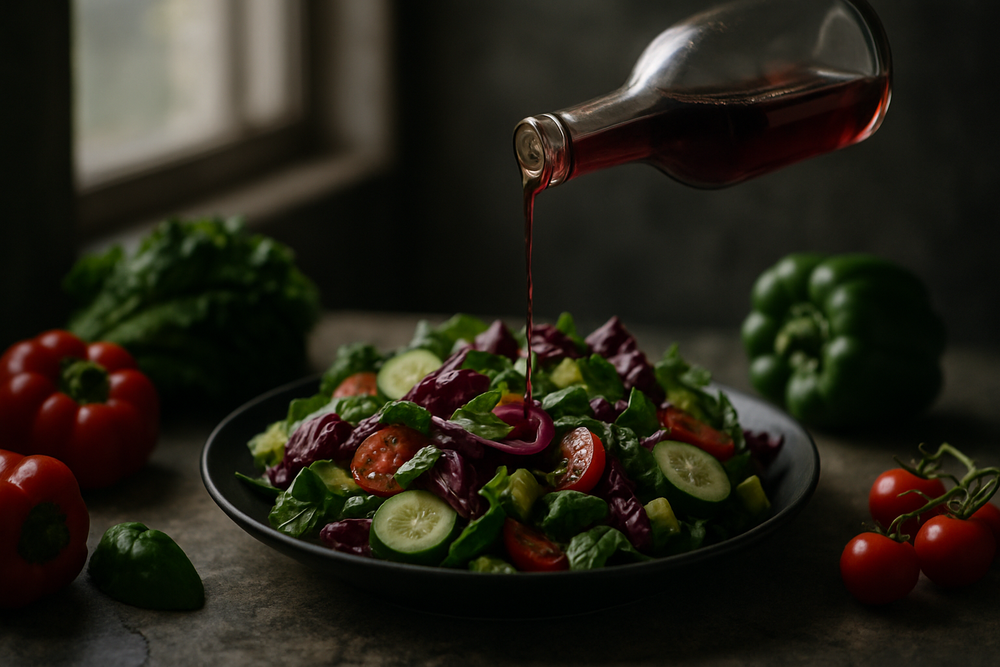
Red Wine Vinegar · Photograph
Red wine vinegar (Acetum vini rubri) is a tangy, fermented condiment made by converting red wine into acetic acid through bacterial fermentation. While it's been a kitchen staple for centuries, recent research suggests this humble ingredient may offer modest health benefits beyond just flavoring your salads.
Key Nutrients
% Daily Value based on 2,000 cal diet
Key active compounds
- Acetic acid (4-7%): The primary active compound that drives most health effects
- Resveratrol (trace amounts): A polyphenol from red grape skins with antioxidant properties
- Anthocyanins: Pigmented compounds that give red wine vinegar its color and antioxidant activity
- Proanthocyanidins: Tannins from grape seeds that may support cardiovascular health
- Tartaric acid: A natural fruit acid that contributes to the tart flavor
Buying guide: choosing quality red wine vinegar
Fresh vs. aged: Look for vinegars aged 6-12 months for better flavor complexity. Longer aging doesn't necessarily mean more health benefits, but it improves taste.
Label reading tips: Check the acidity level (should be 4-7%), avoid added sugars in plain vinegar, and watch sodium content in flavored varieties. "Contains sulfites" is normal for wine-based vinegars.
Storage: Store in a cool, dark place. Unfiltered versions may develop sediment over time, which is normal and safe.
Common pairings that maximize benefits
Olive oil vinaigrettes: Mix 1 part red wine vinegar with 2-3 parts extra virgin olive oil for salads. This combination provides healthy fats to help absorb fat-soluble vitamins while delivering acetic acid benefits.
Vegetable marinades: Use red wine vinegar to marinate vegetables before roasting. The acidity enhances flavor while the cooking process concentrates any beneficial compounds.
Bean and grain salads: Add red wine vinegar to legume-based salads. The acetic acid may help slow carbohydrate absorption from the beans and grains, supporting steadier blood sugar.
Bottom line
Red wine vinegar offers modest, evidence-based health benefits, primarily from its acetic acid content. While it's not a miracle cure, using 1-2 tablespoons daily in cooking can support blood sugar control and may help with weight management and cardiovascular health.
The key is realistic expectations: red wine vinegar works best as part of a healthy diet rich in vegetables, whole grains, and plant proteins. Its greatest value may be helping you enjoy nutrient-dense foods while replacing less healthy condiments and dressings.
Choose quality vinegar, use it consistently in cooking rather than taking it medicinally, and remember that most commercial versions aren't probiotic despite being fermented.
Try our meal planner to discover more ways to incorporate beneficial ingredients like red wine vinegar into your daily routine.
How Red Wine Vinegar Compares
| Compared with | What's different |
|---|---|
| Red Wine Vinegar vs. White Wine Vinegar | Has a sharper, more acidic bite and lacks the grape-derived antioxidants of red wine vinegar. |
| Red Wine Vinegar vs. Balsamic Vinegar | Significantly higher in sugar and calories with a thick, syrupy texture compared to thin, tart red wine vinegar. |
| Red Wine Vinegar vs. Apple Cider Vinegar | Milder and sweeter flavor profile with a fruity, apple-forward aroma instead of a dry grape finish. |
Health Benefits
Things to Know
Start slowly: Begin with 1 teaspoon in dressing or marinades to assess tolerance
Dilute it: Never drink undiluted vinegar—it can irritate your throat and stomach
Diabetes monitoring: If you take blood sugar medications, monitor for enhanced glucose-lowering effects
Dental protection: Rinse your mouth after consuming vinegar to protect tooth enamel
GERD caution: Acidic foods may worsen reflux symptoms in sensitive individuals
Pregnancy: Culinary amounts are generally safe, but avoid taking vinegar medicinally during pregnancy
Gastroparesis: Vinegar slows stomach emptying, which could worsen symptoms
Shop This Ingredient
Stock your pantry with quality red wine vinegar.
Buy on AmazonAs an Amazon Associate, Plantopedia earns from qualifying purchases. This costs you nothing extra and helps us keep the encyclopedia free.
Frequently Asked Questions
Heart and circulation Some small human studies suggest vinegar consumption (15-30 mL daily) may modestly improve cholesterol levels and blood pressure. The acetic acid appears to influence lipid metabolism, while residual grape polyphenols provide antioxidant effects. However, these studies typically use apple cider or white vinegar, so we can't assume identical effects from red wine vinegar specifically. Digestive health and microbiome Acetic acid slows gastric emptying, which can increase satiety but may cause early fullness in sensitive individuals. While red wine vinegar is fermented, most commercial versions are pasteurized and don't contain meaningful probiotic bacteria. The "mother" in unfiltered versions contains acetic acid bacteria, but these aren't recognized as beneficial probiotic strains. Blood sugar and metabolism This is where the strongest evidence exists. Multiple human trials show that consuming 1-2 tablespoons of vinegar with meals can reduce post-meal blood sugar spikes by 10-30%. The acetic acid slows carbohydrate digestion and improves insulin sensitivity. These effects work best when vinegar is consumed as part of a meal rather than alone. Inflammation and recovery Red wine vinegar retains some antioxidant polyphenols from grapes, which may help combat oxidative stress. However, the concentrations are much lower than in whole grapes or red wine. Any anti-inflammatory effects are likely modest and work best as part of an overall anti-inflammatory diet rich in plants.
Standard filtered red wine vinegar is the most common option—pasteurized, clear, and shelf-stable. This works perfectly for daily cooking and provides the same acetic acid content as fancier versions. Unfiltered "with the mother" versions contain visible strands of bacteria and yeast from fermentation. While these look more artisanal and may have slightly more complex flavor, they're not necessarily healthier. The "mother" doesn't provide proven probiotic benefits. Organic red wine vinegar ensures the grapes were grown without synthetic pesticides, which may be worth the extra cost if you use vinegar frequently. Avoid flavored red wine vinegars with added sugars or excessive sodium if you're using vinegar for health benefits rather than just flavor.
Most research uses 1-2 tablespoons (15-30 mL) per day taken with meals. Start with 1 teaspoon mixed into salad dressing or marinades and gradually increase if well-tolerated. Timing matters: Consume vinegar just before or with carbohydrate-containing meals for the best blood sugar benefits. Taking it on an empty stomach may cause stomach upset. Consistency: Benefits appear to require regular use rather than occasional consumption. Incorporating vinegar into daily cooking is more sustainable than taking it medicinally.
Quick Answers
Common questions, answered in a line.
Red wine vinegar contains acetic acid, resveratrol, anthocyanins, proanthocyanidins, and tartaric acid. Acetic acid is the primary active compound, while anthocyanins provide the vinegar's color and antioxidant activity.
Yes, the acetic acid in red wine vinegar may help support steadier blood sugar by slowing the absorption of carbohydrates. This benefit is particularly noted when the vinegar is added to legume-based salads or grain dishes.
You should never drink red wine vinegar undiluted because it can irritate your throat and stomach. It is best used in culinary applications like dressings or marinades, and you should rinse your mouth after consumption to protect your tooth enamel.
When buying red wine vinegar, check the label for an acidity level between 4% and 7% and avoid products with added sugars. Look for varieties aged 6–12 months for better flavor, and be aware that "contains sulfites" is a normal label for wine-based vinegars.
Adding red wine vinegar to bean and grain salads may help slow carbohydrate absorption and support steadier blood sugar levels. It also works well in olive oil vinaigrettes, where the fats help you absorb fat-soluble vitamins.
Most commercial red wine vinegars are not probiotic even though they are produced through a fermentation process. While they offer benefits from acetic acid and antioxidants, they should not be relied upon as a source of live beneficial bacteria.
People with GERD or gastroparesis should use caution, as the acidity may worsen reflux and vinegar can slow stomach emptying. Those on blood sugar medications should also monitor for enhanced glucose-lowering effects.
For Readers in the USA
Local context — sourcing, seasonality, and regional notes.
Red wine vinegar is widely available at major U.S. grocery chains like Kroger, Safeway, and Whole Foods, as well as specialty retailers such as Trader Joe's. While mass-market brands dominate the vinegar aisle, artisan versions made from California-grown grapes are frequently found at domestic farmers markets and high-end boutiques.
In the United States, red wine vinegar must meet FDA standards requiring a minimum of 4% acidity to be legally sold as "vinegar." If you are looking for specific quality standards, look for the USDA Organic seal, which ensures the grapes were grown without synthetic pesticides or fertilizers.
California is the leading producer of red wine vinegar in the United States, utilizing the state's significant wine-growing regions like Napa and Sonoma. Because it is a fermented pantry staple with a long shelf life, it is available and consumed year-round across all U.S. climates.
Red wine vinegar is a cornerstone of American-style Italian dressings and is the standard acidic component for "oil and vinegar" toppings at U.S. sub sandwich shops. It is also culturally significant in Mediterranean-American cuisine, used to deglaze pans or brighten heavy meat dishes.
AI Clinical Review
- Best-supported benefit is post-meal blood sugar control: 1–2 tablespoons (15–30 mL) of vinegar with a carbohydrate-containing meal can blunt glucose spikes, largely via acetic acid’s effect on starch digestion and insulin sensitivity.
- Red wine vinegar is not a probiotic food; most products are pasteurized, and the “mother” has not been shown to confer probiotic benefits.
- It’s very low in calories and nutrients, so its main value is as a flavorful swap for heavier dressings and sauces.
- Practical guidance is sound: start small, dilute in foods, use with meals, and protect dental enamel.
- Heart health outcomes (cholesterol, blood pressure) come from small, short studies—often using apple cider or white vinegar—so effects specific to red wine vinegar and their real-world impact remain uncertain.
- Weight loss findings are modest (about 1–2 kg over 8–12 weeks in some trials) and inconsistent; benefits likely reflect small appetite and intake changes rather than a direct “fat‑burning” effect.
- Grape-derived polyphenols (e.g., resveratrol) are present only in trace amounts in vinegar, so antioxidant or anti‑inflammatory effects are probably limited compared with whole grapes or red wine.
- Microbiome effects are unclear; vinegar is fermented but typically not a source of live, beneficial microbes.
- Dose and use: Up to 1–2 tablespoons (15–30 mL) per day with meals is a common study range. Always dilute—add to dressings, marinades, or foods rather than taking it straight.
- Safety: Undiluted vinegar can irritate the throat and stomach and contribute to tooth enamel erosion; use with meals and rinse your mouth afterward.
- Who should check with a clinician first: people with diabetes on insulin or sulfonylureas (glucose may drop more than expected); those with GERD, peptic ulcers, or gastroparesis (it can slow stomach emptying); individuals with chronic kidney disease or taking potassium‑wasting diuretics (very high, chronic vinegar intake has been linked to low potassium in case reports).
- Other considerations: Wine vinegars contain sulfites, which may bother sensitive individuals; flavored varieties can add sugars or sodium—read labels. Culinary amounts are generally considered safe in pregnancy; avoid medicinal dosing.
Fermented does not always mean probiotic; note sodium and live/active culture differences.
References
- USDA FoodData Central: Red Wine Vinegar nutritional data (fdc.nal.usda.gov)
- Harvard T.H. Chan School of Public Health: The Microbiome resource (nutritionsource.hsph.harvard.edu)
- PMC review on acetic acid bacteria and vinegar quality (pmc.ncbi.nlm.nih.gov)
- Clinical trials on vinegar and glycemic control in diabetes journals
- Healthline review of red wine vinegar benefits (healthline.com)
- Mayo Clinic guidance on vinegar safety and drug interactions
- NIH National Center for Complementary and Integrative Health on fermented foods
Know Your Numbers
Eating healthy is a start. Now get to know your biomarkers.
Food changes bloodwork — inflammation, lipids, blood sugar and nutrient status all respond to what you eat. 59 markers from $59.
- Results in 7–10 days at 2,000+ Quest sites
- Licensed provider reviews every result
- One flat price, no membership, HSA/FSA eligible
Educational information only, not medical advice. Panels are ordered and reviewed through our licensed partner; Plantopedia may earn a commission.