Shio Koji — health benefits and uses
Fermentation and gut-culture angle; explain live-culture, sodium, and heat-treatment differences
The Short Answer
Shio koji is a Japanese fermented seasoning made from rice koji, salt, and water that acts as a powerful natural tenderizer and umami booster. Its live protease enzymes break down proteins in foods like tofu or vegetables, enhancing texture and depth of
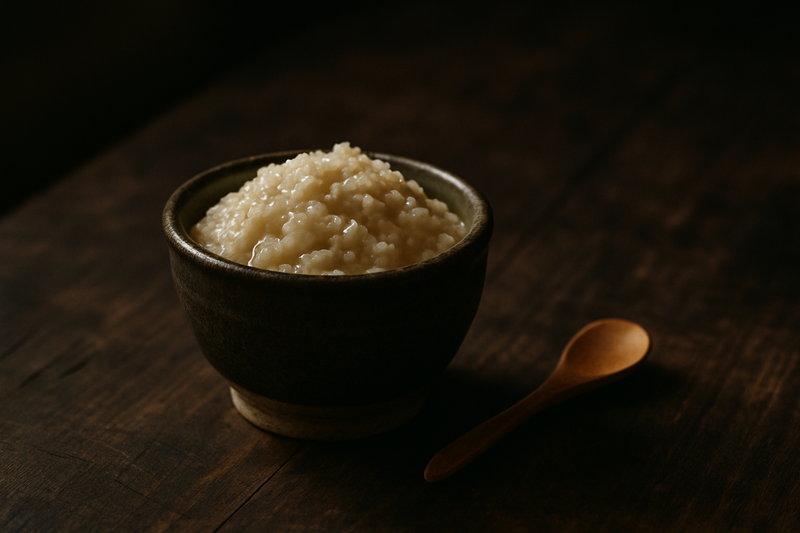
Shio Koji · Photograph
Shio koji (塩麹) is a traditional Japanese fermented seasoning with a flavour profile that sits somewhere between salty, sweet, and deeply savoury — what Japanese cuisine calls umami. It is made from rice inoculated with the mould Aspergillus oryzae (known as koji), mixed with salt and water, and left to ferment for about one to two weeks. The result is a soft, fragrant paste or liquid that has been used in Japanese kitchens for centuries to marinate, tenderise, and season food.
Key Nutrients
% Daily Value based on 2,000 cal diet
Key active compounds
- Free amino acids (especially glutamic acid): Released when koji's enzymes break down rice proteins. Glutamic acid is the main driver of umami taste. Not proven to have unique health effects at culinary amounts, but strongly associated with meal satisfaction.
- Fermentation-derived peptides: Short chains of amino acids produced when Aspergillus oryzae enzymes digest rice proteins. Some similar peptides from koji fermentation show antioxidant and ACE-inhibitory (blood-pressure-related) activity in lab and animal studies, but these findings have not been confirmed in humans eating shio koji.
- Amylase and protease enzymes: Amylases break down starches into simpler sugars; proteases break down proteins. These enzymes survive into the finished condiment and continue working — which is why shio koji tenderises food so effectively.
- Organic acids (lactic, acetic, and others): Produced during fermentation. They contribute mild tang, help preserve the product, and influence microbial stability. Their direct health impact at culinary doses is likely small.
- Kojic acid (trace amounts, process-dependent): A secondary metabolite of A. oryzae, better known for cosmetic skin-brightening uses. Not standardised in shio koji and not a clinically relevant source.
Buying guide: how to choose the best shio koji
Ingredient list: Should be short — rice koji, salt, water. If it contains added sugars, colourings, or preservatives that seem unnecessary, keep looking.
Grain base: Most shio koji uses white or brown rice. Barley-based or wheat-based koji versions exist — if you have celiac disease or gluten sensitivity, confirm the grain source explicitly.
Pasteurised vs unpasteurised: Neither is objectively better, but they serve different goals. Pasteurised = safer for vulnerable populations, longer shelf life, no live culture benefit. Unpasteurised = potentially richer in live organisms, shorter shelf life, requires consistent refrigeration.
Sodium content per serving: Compare labels. Products vary. If you are managing sodium intake, look for the one with the lowest per-tablespoon count.
Colour and texture: Good shio koji should be creamy white to pale gold, soft, and fragrant. Avoid anything that smells sharply acidic, looks discoloured brown or grey, or has visible contamination.
Origin and producer transparency: Japanese-produced and Japanese-American specialty brands tend to use traditional methods. Look for producers who are transparent about their koji strain and fermentation process.
Common pairings: three ways to use shio koji in plant-based cooking
1. Shio koji + tofu or tempeh (as a marinade) Coat firm tofu or tempeh slices in 1–2 tablespoons of shio koji and leave in the fridge for 2–8 hours (or up to 24 hours). The protease enzymes work on the surface proteins, improving texture and developing a deeper, more satisfying savouriness. Grill, bake, or pan-fry. The natural sugars in shio koji also promote beautiful browning via the Maillard reaction — that golden crust that makes food look and taste more appetising.
2. Shio koji + roasted root vegetables Toss cauliflower, carrots, or sweet potato in a thin coat of shio koji before roasting at high heat. The result is noticeably more caramelised than standard salting, with a complexity that does not need much else. Use it instead of your normal salt-and-oil combination and cut any additional salt entirely.
3. Shio koji + salad dressing or grain bowls Whisk 1 teaspoon of blended shio koji into a simple vinaigrette (rice vinegar, a neutral oil, a touch of sesame). It rounds out the acidity, adds body, and removes the need for additional salt. Works especially well drizzled over farro, millet, or soba noodle bowls with cucumber and edamame.
How Shio Koji Compares
| Compared with | What's different |
|---|---|
| Shio Koji vs. Miso | Shio koji is salt-based and enzyme-rich for tenderizing, whereas miso is a thicker fermented bean paste. |
| Shio Koji vs. Soy Sauce | Shio koji contains active enzymes that break down proteins, while soy sauce is a filtered liquid seasoning. |
| Shio Koji vs. Mirin | Shio koji is a salty, fermented seasoning; Mirin is a sweet, syrupy rice wine used for glaze and shine. |
Health Benefits
Things to Know
Sodium: The most important caution. Shio koji is not a low-sodium food. If you are on a sodium-restricted diet for hypertension, heart failure, kidney disease, or fluid management, count it in your daily budget alongside soy sauce, miso, and processed foods.
Antihypertensive medications: High-sodium condiments can partially counteract blood pressure management by ACE inhibitors, ARBs, beta-blockers, and diuretics. Ask your clinician or pharmacist if you are unsure how much sodium is appropriate for you.
Mould sensitivity: Shio koji is made with Aspergillus oryzae, a mould that is generally recognised as safe. However, individuals with known mould allergies should be aware of this and may wish to proceed cautiously.
Immunocompromised individuals: Homemade ferments carry a small but real risk of contamination if hygiene or temperature is poorly controlled. Commercial pasteurised shio koji is the safer choice for people undergoing chem

Shop This Ingredient
Stock your pantry with quality shio koji.
Buy on AmazonAs an Amazon Associate, Plantopedia earns from qualifying purchases. This costs you nothing extra and helps us keep the encyclopedia free.
Frequently Asked Questions
Let us be honest about the evidence level before going section by section. There are no published human clinical trials on shio koji itself. Everything below is either inferred from broader fermented food research or labelled clearly as lab/animal-level evidence only. Digestive health and the microbiome Fermented foods as a category are associated with greater gut microbial diversity — the variety of bacteria and other organisms living in your digestive tract, which is linked to better metabolic and immune outcomes in population studies. A 2021 randomised trial published in Cell (Wastyk et al.) found that a high-fermented-food diet increased microbiome diversity and reduced markers of inflammation compared to a high-fibre diet alone. Shio koji fits this fermented food category, but with an important caveat: many commercial products are pasteurised or stored long enough that live microbes are minimal at the time of eating. Pasteurisation kills or significantly reduces bacteria. So shio koji should not be assumed to work like a live-culture probiotic (such as fresh yogurt or raw sauerkraut) unless the label confirms it is unpasteurised and the product has been kept cold throughout. What shio koji does reliably deliver, regardless of pasteurisation, are its enzymes — particularly proteases and amylases. These can support easier digestion of the foods they are mixed with by pre-breaking down proteins and starches, though this is a culinary observation rather than a clinically studied effect. Heart and circulation Shio koji has no direct cardiovascular research behind it. Its main relevance to heart health is its sodium content. High sodium intake is well established by major health organisations — including the WHO and American Heart Association — to raise blood pressure and increase cardiovascular risk. There is a practical angle worth mentioning: because shio koji delivers intense umami and mild sweetness alongside salt, some cooks find they can use significantly less total seasoning in a dish and still feel satisfied. If that pattern leads to consistently lower sodium intake across your meals, it is a genuine indirect benefit — but this strategy has not been formally tested in trials. If you have hypertension, heart failure, or kidney disease, count shio koji toward your daily sodium budget just as you would soy sauce or miso. Blood sugar and metabolism Shio koji is made from rice, and fermentation converts some of that starch into simpler sugars, giving it a mildly sweet flavour. At typical culinary amounts (one to two tablespoons in a meal for several people), the carbohydrate contribution is small. There are no clinical data showing shio koji improves or worsens blood sugar control. Some A. oryzae-derived peptides and compounds have shown modest effects on carbohydrate digestion or insulin signalling in cell and animal studies, but none of these findings have been confirmed in shio koji–specific human research. For people managing diabetes or insulin resistance, overall meal composition matters far more than the small amount of shio koji used as seasoning. Inflammation and recovery No human trials have tested shio koji for anti-inflammatory effects. Some fermented food research suggests that gut microbiome changes driven by regular fermented food consumption may modulate systemic inflammation over time, but this is a dietary pattern effect — not something attributable to any single condiment. Position shio koji as part of a broader fermented, plant-forward eating pattern rather than as an anti-inflammatory ingredient in its own right. Hormones and cycle health There is no human research connecting shio koji to hormone levels, estrogen modulation, or thyroid function. Unlike fermented soy products such as miso (which contain isoflavones that can interact with estrogen pathways), traditional rice-based shio koji does not contain soy. Any hormonal effect from typical culinary use is likely negligible.
Wet paste or chunky shio koji (traditional) The classic form: rice koji, salt, and water fermented at room temperature for 7–14 days, then refrigerated. It has visible rice grains in a thick, fragrant brine. Best for rubbing onto proteins or vegetables before cooking. Most likely to retain some live microbial activity if kept cold and used within a few months. Flavour is complex and rounded. Blended or smooth shio koji The same base, but blended into a uniform paste or pourable liquid. Easier to mix into dressings, marinades, and sauces. Some commercial versions fall into this category. Bottled commercial shio koji Convenient and consistent. Check whether the label says "pasteurised" or "unpasteurised." Pasteurised versions are shelf-stable and safer for immunocompromised individuals but offer no live culture benefit. Unpasteurised refrigerated versions may retain more live organisms and a fresher flavour profile. Dried shio koji or powder Longer shelf life and precise dosing. Drying reduces or eliminates live microbes. Sodium concentration per gram is higher than wet forms because water has been removed — adjust quantities accordingly. Homemade shio koji Entirely achievable with dried rice koji (available at Japanese grocery stores and online), non-iodised salt, and water. Ferment in a clean jar at room temperature for 7–14 days, stirring daily, until grains are soft and the mixture smells sweet and mildly tangy. Refrigerate and use within three to six months. Microbial content is variable and depends on hygiene, temperature stability, and starter quality. Not recommended for immunocompromised individuals unless a clinician has confirmed it is appropriate.
Quick Answers
Common questions, answered in a line.
Shio koji is a traditional Japanese seasoning made by fermenting rice inoculated with Aspergillus oryzae (koji), salt, and water. This mixture is left to ferment for one to two weeks, resulting in a fragrant paste used to tenderize and season food with its signature umami flavor.
Shio koji tenderizes food through its active protease enzymes, which effectively break down proteins. These enzymes continue to work after the fermentation process, making the condiment a powerful natural marinade that improves texture and builds savory depth in dishes like tofu or tempeh.
Shio koji is a high-sodium condiment that must be carefully managed by individuals on sodium-restricted diets. Because it can contain significant salt, it may partially counteract the effects of blood pressure medications like ACE inhibitors, ARBs, and diuretics.
A high-quality shio koji should have a short ingredient list consisting only of rice koji, salt, and water. Look for a product with a creamy white to pale gold color and a fragrant aroma; avoid any options with unnecessary added sugars, colorings, or preservatives.
Unpasteurized shio koji may contain richer live organisms but requires consistent refrigeration and has a shorter shelf life. In contrast, pasteurized versions are shelf-stable and generally considered safer for vulnerable populations, such as those who are immunocompromised.
In plant-based cooking, shio koji is commonly used as a marinade for tofu, a savory coating for roasted root vegetables, or a salt alternative in salad dressings. Beyond seasoning, its natural sugars promote the Maillard reaction, helping vegetables and plant proteins achieve a golden, caramelized crust.
Shio koji contains glutamic acid and fermentation-derived peptides, which provide umami and show potential antioxidant properties in lab settings. However, these specific health effects have not yet been confirmed in human clinical trials involving the consumption of shio koji.
For Readers in the USA
Local context — sourcing, seasonality, and regional notes.
You can find shio koji at major Japanese supermarkets like Mitsuwa, H-Mart, or Nijimaya, as well as via online retailers and specialty health food stores. Many premium grocery chains like Whole Foods or Erewhon have also begun carrying it in their refrigerated fermented foods or international aisles.
In the U.S., look for the USDA Organic seal to ensure the rice used in the shio koji was grown without synthetic pesticides or GMOs. While many authentic brands are imported from Japan, several domestic American producers now offer organic-certified versions made with California-grown rice.
Because shio koji is a fermented product contains live enzymes, the FDA generally recommends keeping unpasteurized versions refrigerated at 40°F or below to maintain quality and safety. Always check the label, as shelf-stable versions found in the dry pantry aisle are usually pasteurized and do not require refrigeration until after they are opened.
AI Clinical Review
- Accurately frames shio koji as a culinary seasoning rather than a health supplement and notes the absence of human clinical trials on shio koji itself.
- Correctly situates shio koji within the broader fermented-foods category and explains that pasteurization can reduce live microbes, so it shouldn’t be assumed to act like a probiotic.
- Highlights sodium as the main nutritional concern while noting that umami can let some people season with less total salt.
- Offers practical guidance on forms (wet, blended, dried; pasteurized vs unpasteurized) and realistic, tasty ways to use it—especially for plant-forward meals.
- Proposed benefits from koji-derived enzymes and peptides (e.g., antioxidant or ACE-inhibitory effects) largely come from lab or animal work and haven’t been confirmed in people eating shio koji.
- Direct impacts on blood pressure, blood sugar, inflammation, or digestion after consumption are untested in human trials; tenderizing effects are culinary, not clinical, evidence.
- Microbial viability and composition vary widely by brand and storage, and nutrition data (including sodium per tablespoon) are not standardized across products.
- Sodium: Treat shio koji like other salty condiments. Check labels and count it toward daily sodium goals (commonly 1,500–2,300 mg/day, individualized by your clinician), especially if you have hypertension, heart failure, or kidney disease.
- Practical amounts: For most dishes, 1–2 teaspoons per serving (or about 1–2 tablespoons for a block of tofu or a pan of vegetables) often suffices; taste before adding extra to avoid excess sodium.
- Form matters: Pasteurized products are shelf-stable and have minimal live microbes; unpasteurized versions require refrigeration and may contain some live cultures. Dried/powdered shio koji is more concentrated by weight—use less than you would of the wet form.
- Who should be cautious: People on diuretics, ACE inhibitors, or ARBs; those who are immunocompromised (prefer pasteurized, well-handled products); individuals with mold allergies or histamine intolerance; and anyone with celiac disease or gluten sensitivity (confirm grain source—some koji is barley or wheat-based).
Fermented does not always mean probiotic; note sodium and live/active culture differences.
References
- PubMed — Koji glycosylceramide commonly contained in Japanese traditional fermented foods alters cholesterol metabolism in obese mice (pubmed.ncbi.nlm.nih.gov)
- PMC, National Library of Medicine — Rice koji reduced body weight gain, fat accumulation, and blood glucose level in high-fat diet-induced obese mice (pmc.ncbi.nlm.nih.gov)
- PubMed — Amazake made from sake cake and rice koji suppresses sebum content in differentiated hamster sebocytes and improves skin properties in humans (pubmed.ncbi.nlm.nih.gov)
- PubMed — Effect of Proteases in Fraction in Commercial Shio-Koji on the Proteolysis of Bovine Myofibrils (pubmed.ncbi.nlm.nih.gov)
- PMC, National Library of Medicine — Japanese traditional dietary fungus koji Aspergillus oryzae functions as a prebiotic for Blautia coccoides through glycosylceramide: Japanese dietary fungus koji is a new prebiotic (pmc.ncbi.nlm.nih.gov)
Know Your Numbers
Eating healthy is a start. Now get to know your biomarkers.
Food changes bloodwork — inflammation, lipids, blood sugar and nutrient status all respond to what you eat. 59 markers from $59.
- Results in 7–10 days at 2,000+ Quest sites
- Licensed provider reviews every result
- One flat price, no membership, HSA/FSA eligible
Educational information only, not medical advice. Panels are ordered and reviewed through our licensed partner; Plantopedia may earn a commission.