Sage — health benefits and uses
Flavor-first apothecary angle; use food amounts rather than supplement claims
The Short Answer
Sage is a nutrient-dense herb providing 13% of the Daily Value for Vitamin C and 10% for Vitamin K per teaspoon. It is primarily used to support digestive health and provide antioxidant protection through compounds like rosmarinic acid.

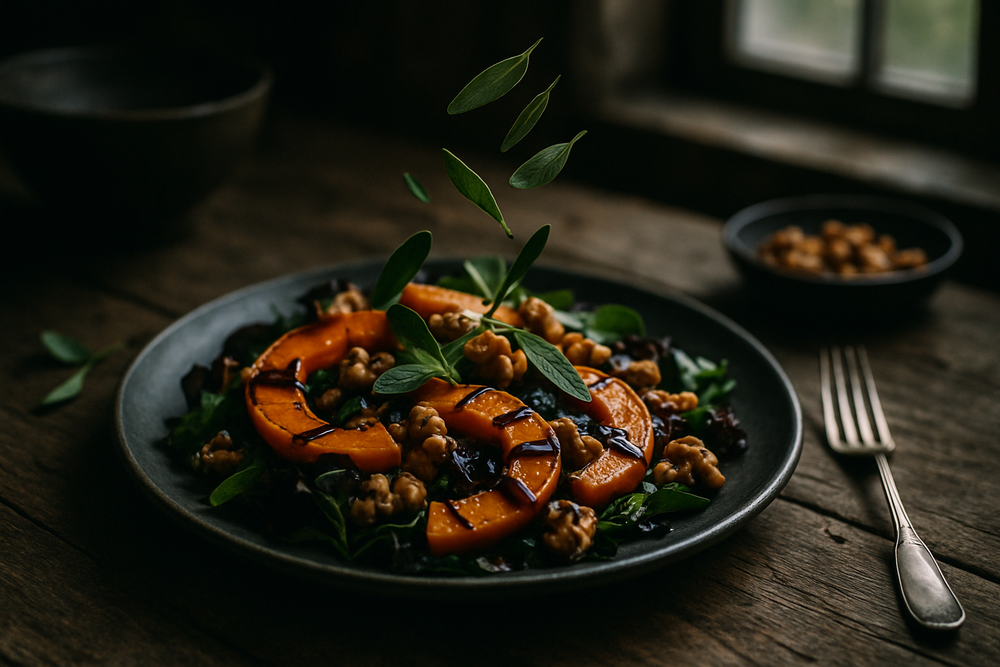
Sage · Photograph
Sage (Salvia officinalis) stands among the most treasured culinary herbs, bringing both robust flavor and time-honored wellness benefits to the kitchen. This silvery-green herb from the mint family has seasoned European dishes for centuries while serving as a trusted household remedy for everything from digestive comfort to throat health.
Key Nutrients
% Daily Value based on 2,000 cal diet
Key active compounds in sage
Sage's health benefits stem from a rich blend of bioactive compounds:
- Rosmarinic acid: A powerful polyphenolic compound with antioxidant and anti-inflammatory properties
- Carnosic acid and carnosol: Phenolic diterpenes that protect against oxidative stress and support heart and brain health
- Alpha-thujone: An aromatic compound that gives sage its distinctive scent but requires caution in large amounts
- 1,8-Cineole: A cooling essential oil component with respiratory and antimicrobial benefits
- Camphor and borneol: Aromatic compounds contributing to sage's warming, penetrating qualities
- Flavonoids (luteolin, apigenin): Plant pigments that support antioxidant defenses
- Tannins: Astringent compounds that help tone tissues and reduce inflammation
Common pairings that enhance benefits
Sage with fatty fish or nuts: The herb's digestive properties complement rich foods while its antioxidants may help protect the healthy fats from oxidation.
Sage with beans and legumes: A classic pairing that makes sense both for flavor and digestion. Sage can help reduce gas production while adding depth to plant-based protein dishes.
Sage with warming spices: Combining sage with ginger, rosemary, or thyme creates synergistic blends where multiple anti-inflammatory and digestive compounds work together.
Buying guide for maximum benefits
Fresh sage: Look for leaves that are silvery-green without dark spots or wilting. Store in the refrigerator wrapped in damp paper towels for up to a week.
Dried sage: Choose organic when possible and look for leaves that retain their color and aroma. Avoid powdered sage that looks gray or dusty. Store in airtight containers away from light and heat.
Quality markers: High-quality sage should have a strong, pleasant aroma when crushed. Avoid products with musty odors or excessive stems and debris.
Prep and pairing ideas
Sage transforms simple ingredients into restaurant-worthy dishes. Try crisping fresh leaves in olive oil as a garnish for roasted vegetables or grain bowls. Add dried sage to white bean soups for traditional Italian comfort food, or incorporate it into homemade bread and focaccia.
For beverages, sage tea made with 1-2 teaspoons of dried leaves can soothe digestion after rich meals. Sage also pairs beautifully with fall flavors like butternut squash, sweet potatoes, and apples in both sweet and savory applications.
The herb's robust flavor holds up well to longer cooking methods, making it perfect for slow-braised dishes, roasted vegetables, and savory baked goods where its earthy notes can develop fully.
Bottom line
Sage offers a perfect example of food as medicine, providing meaningful health benefits through normal culinary use. Its digestive support, antioxidant properties, and potential cognitive benefits make it more than just a flavorful herb—it's a wellness ally in your kitchen.
The key is using sage regularly but moderately, appreciating both its robust flavor and its beneficial compounds. Whether you're adding it to holiday stuffing, brewing an occasional digestive tea, or experimenting with sage in everyday cooking, you're connecting with an herbal tradition that bridges delicious food and natural wellness.
Remember that sage works best as part of an overall healthy eating pattern rather than as a miracle cure. Its benefits complement a diet rich in plants, whole foods, and other beneficial herbs and spices.
How Sage Compares
| Compared with | What's different |
|---|---|
| Sage vs. Rosemary | Milder, pine-like aroma with needle-shaped leaves that hold up better to high-heat roasting. |
| Sage vs. Thyme | Sweeter, citrusy profile that is usually added at the end of cooking rather than simmered. |
| Sage vs. Peppermint | Contains higher concentrations of menthol for a cooling sensation rather than sage's earthy warmth. |
Health Benefits
Things to Know
Pregnancy: Culinary amounts are generally safe, but avoid large quantities or sage tea due to thujone content
Breastfeeding: Limit sage intake as it may reduce milk supply
Seizure disorders: Avoid high doses due to thujone's potential to lower seizure threshold
Diabetes medications: Monitor blood sugar if using sage regularly, as it may enhance glucose-lowering effects
Blood thinners: Maintain consistent sage intake due to vitamin K content
Children: Stick to normal culinary amounts; avoid concentrated preparations
Shop This Ingredient
Stock your pantry with quality sage.
Buy on AmazonAs an Amazon Associate, Plantopedia earns from qualifying purchases. This costs you nothing extra and helps us keep the encyclopedia free.
Frequently Asked Questions
Heart and circulation Research suggests sage may support cardiovascular health through multiple pathways. Small clinical studies in people with type 2 diabetes found that sage leaf preparations improved lipid profiles, including reductions in total cholesterol and triglycerides. The herb's rich antioxidant content, particularly rosmarinic acid and carnosic acid, may help protect blood vessels from oxidative damage. These cardiovascular benefits likely stem from sage's ability to enhance the body's antioxidant defenses while supporting healthy lipid metabolism. However, most research used concentrated extracts rather than culinary amounts, so think of sage as part of a heart-healthy eating pattern rather than a standalone treatment. Digestive health and microbiome Sage shines as a digestive herb, with centuries of traditional use backing up modern understanding. Its aromatic oils act as carminatives, helping to reduce gas and bloating, while its astringent tannins can help tone digestive tissues and reduce excess secretions. Many people find that adding sage to rich, fatty dishes makes them more digestible. This traditional practice makes sense given sage's ability to stimulate digestive secretions and its antimicrobial properties that may support healthy gut bacteria balance. Sage tea after meals remains a popular folk remedy for digestive comfort. Blood sugar and metabolism Emerging research shows promise for sage's role in metabolic health. Clinical trials using sage leaf preparations found improvements in fasting blood sugar, glucose tolerance, and insulin sensitivity in people with type 2 diabetes. Some studies also noted enhanced antioxidant status, which is often compromised in metabolic disorders. The mechanisms likely involve sage's polyphenolic compounds affecting glucose metabolism and insulin signaling. However, these studies used supplement-like doses, and anyone with diabetes should consult healthcare providers before using sage medicinally, as it may interact with diabetes medications. Hormones and cycle health Sage has notable effects on hormonal balance, particularly related to menopause and lactation. A clinical study found that women taking sage leaf tablets experienced significant reductions in hot flash frequency and intensity. This aligns with traditional European herbalism, where sage was commonly recommended for menopausal symptoms. Conversely, sage has historically been used to reduce breast milk production, earning it the classification of an "antigalactagogue." While culinary amounts are unlikely to dramatically affect milk supply, nursing individuals often limit sage tea and concentrated preparations unless weaning is the goal. Inflammation and recovery Sage's anti-inflammatory potential stems from its rich polyphenolic content, particularly rosmarinic acid. Traditional uses include sage compresses for minor skin irritation and sage gargles for sore throats, applications that make use of the herb's astringent and antimicrobial properties. Research suggests sage extracts can modulate inflammatory pathways and reduce oxidative stress markers. While most studies used concentrated preparations, regularly including sage in cooking may contribute to an overall anti-inflammatory dietary pattern.
Fresh sage leaves offer the mildest flavor and are perfect for dishes where you want sage's essence without overpowering other ingredients. Fresh leaves can be chopped into grain salads, fried until crispy for garnishes, or infused into broths. Dried rubbed sage is the most common kitchen form, providing concentrated flavor and nutrients. It's ideal for stuffings, roasted vegetables, and savory baked goods. The drying process concentrates many beneficial compounds while making the herb shelf-stable. Ground sage disperses easily into spice blends and marinades but has the most intense flavor, so use sparingly. Sage tea made from either fresh or dried leaves provides a gentle way to experience sage's digestive and throat-soothing benefits. Avoid sage essential oil for internal use, as it contains concentrated thujone that can be toxic. Stick to whole leaf preparations for both safety and the full spectrum of sage's beneficial compounds.
For everyday cooking, 1-2 teaspoons of dried sage or several fresh leaves per dish provides flavor benefits without overdoing the bioactive compounds. This amount aligns with traditional culinary use and falls well within safety guidelines. If making sage tea occasionally, 1-2 teaspoons of dried leaves steeped in hot water is typical. However, daily therapeutic doses would be higher than normal culinary use and should be discussed with healthcare providers, especially for people with medical conditions or taking medications. Start with smaller amounts to assess tolerance, as some people find sage's strong flavor overwhelming. The goal is consistent, moderate use that enhances both flavor and health rather than large occasional doses.
Quick Answers
Common questions, answered in a line.
Sage contains digestive compounds like 1,8-cineole and tannins that help reduce gas and ease discomfort after eating. Pairing sage with beans and legumes is specifically recommended to help minimize gas production while adding flavor to plant-based proteins.
Women who are breastfeeding should limit their intake of sage because it may reduce milk supply. While culinary amounts are generally safe, avoid concentrated forms or large quantities during this period.
High-quality fresh sage leaves should be silvery-green in color and free from wilting or dark spots. When crushed, the leaves should release a strong, pleasant aroma, which indicates the presence of beneficial active compounds.
It is best to store fresh sage in the refrigerator wrapped in damp paper towels, where it will stay fresh for up to a week. For dried sage, use an airtight container kept in a cool, dark place away from heat and light to preserve its color and aroma.
Sage contains thujone, a compound that may lower the seizure threshold if consumed in high doses. People with seizure disorders should avoid concentrated sage preparations and stick to normal culinary amounts.
Sage tea is typically made by steeping 1 to 2 teaspoons of dried sage leaves in hot water. This preparation is traditionally used to soothe digestion after heavy meals or to support throat health.
Sage is an excellent pairing for fatty fish and nuts because its antioxidants help protect healthy fats from oxidation. Additionally, its digestive properties help the body process these rich, fat-heavy foods more comfortably.
For Readers in the USA
Local context — sourcing, seasonality, and regional notes.
You can buy fresh and dried sage at major US retailers like Whole Foods Market, Trader Joe's, Kroger, and Safeway year-round. While fresh sprigs are typically found in the refrigerated produce section, most local farmers markets across the country offer a wider variety of heritage types during the peak summer and fall seasons.
Sage grows well in USDA Hardiness Zones 4 through 10, making it a sustainable perennial herb for most American home gardens. While it can be harvested year-round in milder regions like the Pacific Northwest or the South, its peak season in the US is late summer through the Thanksgiving holiday.
Common Sage (Salvia officinalis) is the standard culinary variety in the US, but you may also encounter Berggarten, Purple, or Pineapple sage at specialty nurseries. While similar in benefit, Pineapple sage is more common in Southern California and the Southwest for use in sweet teas and fruit salsas.
In American food culture, sage is most famously associated with traditional Thanksgiving stuffing and holiday poultry seasoning. Beyond the holidays, it is a staple in American-style breakfast sausage and is increasingly used by US chefs to flavor brown butter sauces for roasted root vegetables or pasta.
AI Clinical Review
- Clearly distinguishes everyday culinary use from concentrated extracts, setting realistic expectations for benefits at kitchen-level doses.
- Accurately highlights key bioactives (rosmarinic and carnosic acids) that have antioxidant and anti‑inflammatory activity in human and lab studies.
- Notes supportive—but not definitive—clinical findings for menopausal hot flashes and aspects of metabolic health in type 2 diabetes, reflecting the current evidence base.
- Appropriately cautions against ingesting sage essential oil due to thujone content and emphasizes safer whole‑leaf preparations.
- Cardiometabolic effects (cholesterol, triglycerides, glucose control) mostly come from small, short trials using standardized extracts; it’s unclear how much typical culinary amounts contribute.
- Cognitive benefits are promising but mixed, often using specific sage species/extracts and short study durations; real‑world impact for healthy adults remains uncertain.
- Digestive and microbiome claims are consistent with traditional use, but high‑quality human trials at dietary doses are limited.
- Anti‑inflammatory effects are well supported in lab models; robust clinical data in diverse populations and conditions are still emerging.
- Typical culinary use: about 1–2 teaspoons dried sage (or several fresh leaves) per dish; for tea, 1–2 teaspoons dried leaves steeped per cup used occasionally is a common approach.
- Avoid ingesting sage essential oil and large amounts of high‑thujone products; people with seizure disorders should avoid high doses.
- Check with a clinician if you are pregnant (avoid large/medicinal amounts), breastfeeding (sage may reduce milk supply), have diabetes (may enhance glucose‑lowering meds), or take vitamin K–sensitive blood thinners (keep intake consistent).
- If considering supplements, verify the species (Salvia officinalis vs. others), standardization, and quality; doses used in studies may not translate directly to over‑the‑counter products.
Use culinary framing; avoid treatment claims or supplement-dose guidance.
References
- USDA FoodData Central - Dried sage nutritional profile (fdc.nal.usda.gov)
- NCCIH Herbs at a Glance: Sage (nccih.nih.gov)
- McCormick Science Institute: Sage phytochemical profile (mccormickscienceinstitute.com)
- Clinical trials on sage extract for cognition in Alzheimer's disease - Journal of Clinical Pharmacy and Therapeutics
- Sage leaf effects on menopausal hot flashes - Advances in Therapy
- Sage and blood sugar control in type 2 diabetes - British Journal of Nutrition
- Traditional uses and safety profile - Clemson Cooperative Extension
- Rosmarinic acid antioxidant properties - Free
Know Your Numbers
Eating healthy is a start. Now get to know your biomarkers.
Food changes bloodwork — inflammation, lipids, blood sugar and nutrient status all respond to what you eat. 59 markers from $59.
- Results in 7–10 days at 2,000+ Quest sites
- Licensed provider reviews every result
- One flat price, no membership, HSA/FSA eligible
Educational information only, not medical advice. Panels are ordered and reviewed through our licensed partner; Plantopedia may earn a commission.