Shishito Pepper — health benefits and uses
A popular Japanese snacking pepper eaten whole and fresh.
The Short Answer
Shishito peppers are thin-skinned, mild Japanese peppers best known for being blistered in a pan and eaten whole. While mostly sweet, roughly one in every ten peppers packs a surprising but manageable punch of heat.
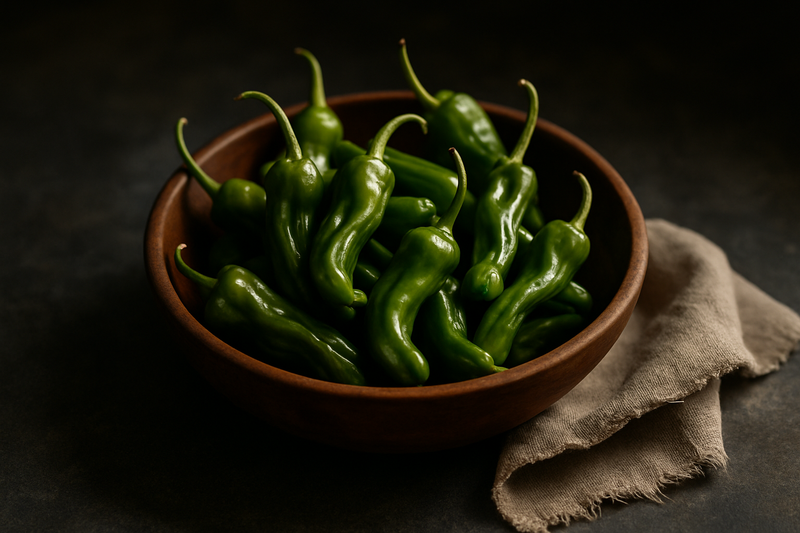
Shishito Pepper · Photograph
Discover shishito pepper nutrition and health benefits: vitamin C, antioxidants, gut-friendly fiber, and heart-supportive compounds — all in a low-calorie, mostly mild pepper that blisters beautifully in minutes.
Key Nutrients
% Daily Value based on 2,000 cal diet
Key active compounds
Shishito peppers earn their antioxidant reputation from several groups of plant compounds:
- Beta-carotene and other carotenoids — Pigmented compounds that give peppers their color and act as provitamin A antioxidants (meaning the body can convert them into vitamin A). They contribute to eye, skin, and immune health.
- Quercetin — A flavonoid polyphenol (a type of plant pigment with antioxidant properties) found in many vegetables. Studied for its potential to support blood vessel function and reduce inflammatory signaling.
- Luteolin — Another flavonoid with documented antioxidant and cell-signaling effects, present in peppers and other plants.
- Capsaicin (trace amounts) — The bioactive alkaloid responsible for chili heat. Shishitos sit low on the Scoville scale (the standard measure of chili pepper heat), so their capsaicin content is very low. Most research on capsaicin's metabolic and pain-modulating effects uses hotter varieties or supplements.
- Pectins and cellulose — Soluble (pectin) and insoluble (cellulose) dietary fibers in the pepper's cell walls. These support gut health by adding bulk, feeding beneficial bacteria, and aiding bowel regularity.
- Vitamin C — Technically a micronutrient but also a powerful water-soluble antioxidant. Shishitos are genuinely rich in it.
Prep and pairing ideas
Shishito peppers were practically designed for the "grab the whole bowl" style of eating. Here are three practical pairings that work especially well:
1. Blistered shishitos + lemon tahini dip The slight char and grassy sweetness of blistered shishitos contrast beautifully with a creamy, sesame-based dip. Tahini provides healthy fats and calcium; the fat also helps absorb the fat-soluble carotenoids in the peppers. A squeeze of lemon reinforces the vitamin C.
2. Shishitos + grains + a poached egg (or tofu) Toss blistered shishitos over a bowl of farro, quinoa, or brown rice with a protein source on top. The fiber from the grains and peppers together makes a satisfying, blood-sugar-friendly meal. The vitamin C in the peppers may also enhance non-heme iron absorption from plant-based proteins.
3. Shishitos + miso + sesame oil A nod to their Japanese origins: a quick toss in white miso thinned with a little rice vinegar and sesame oil, then pan-blister to caramelize. Miso adds umami and gut-friendly fermented compounds; sesame oil contributes tocopherols (a form of vitamin E). This pairing also showcases the "surprise heat" element best — when one hot pepper hits, the miso-umami base makes it all the more interesting.
Quick prep tips:
- Wash and dry peppers thoroughly — any surface moisture will cause hot oil to spit dangerously.
- Leave the stems on; they act as a natural handle.
- A very hot cast-iron or stainless pan with minimal oil blisters them in 4–6 minutes. Shake the pan frequently.
- Season immediately after cooking when the skin is still tacky and salt adheres best.
Bottom line
Shishito peppers are a genuinely nutrient-dense, low-calorie whole vegetable with a standout vitamin C content, useful amounts of provitamin A carotenoids, and a range of antioxidant polyphenols. The available evidence — while not from shishito-specific clinical trials — consistently supports their role in a diet aimed at heart health, immune function, gut health, and blood sugar balance.
They are among the safest, most approachable vegetables you can add to your plate: mild, quick to cook, and suited to virtually any eating pattern. The occasional surprise-hot pepper is a feature, not a flaw. If you're looking for a vegetable that pulls its nutritional weight without demanding much from you in the kitchen, shishito peppers are a very strong choice.
Looking for more ways to build a diet around plants that support specific health goals? Browse the Plantopedia goals library for ingredient combinations and eating patterns tailored to your priorities.
How Shishito Pepper Compares
| Compared with | What's different |
|---|---|
| Shishito Pepper vs. Mini Sweet Peppers | Sweeter and larger with thick walls, whereas shishitos are thin-skinned and slightly grassy. |
| Shishito Pepper vs. Serrano Pepper | Consistently spicy (up to 30,000 SHU) compared to the mostly mild shishito (50-200 SHU). |
| Shishito Pepper vs. Padrón Pepper | Slightly larger with thicker skin and a more reliable medium-heat profile. |
Health Benefits
Things to Know
Nightshade sensitivity: Shishito peppers belong to the nightshade family (Solanaceae). True pepper allergies are uncommon but exist. If you experience hives, swelling, or GI distress after eating peppers, speak with an allergist.
Acid reflux and GERD: Even though shishitos are mild, the occasional hot one could irritate an already sensitive esophagus. People with GERD or peptic ulcer disease may want to test tolerance with a small amount first.
IBS and gut sensitivity: Fibrous vegetables and any peppery heat can aggravate symptoms for some people. Start with a smaller portion.
Vitamin K and blood thinners: Shishitos contain vitamin K1, which plays a role in blood clotting. People taking warfarin (a vitamin K–antagonist anticoagulant) should maintain consistent vitamin K intake rather than suddenly eating large amounts of shishitos. Discuss with your prescriber if you plan to add them frequently to your diet.
Potassium considerations: The potassium in a typical shishito serving is modest, but people on potassium-sparing diuretics or ACE inhibitors who are already monitoring total dietary potassium should count it as part of their overall intake.
Latex–fruit syndrome: In rare cases, individuals with latex allergy may react to capsicum-family peppers.
Pregnancy: Shishito peppers are safe to eat during pregnancy as part of a balanced diet. Their folate content is a small but useful contribution.
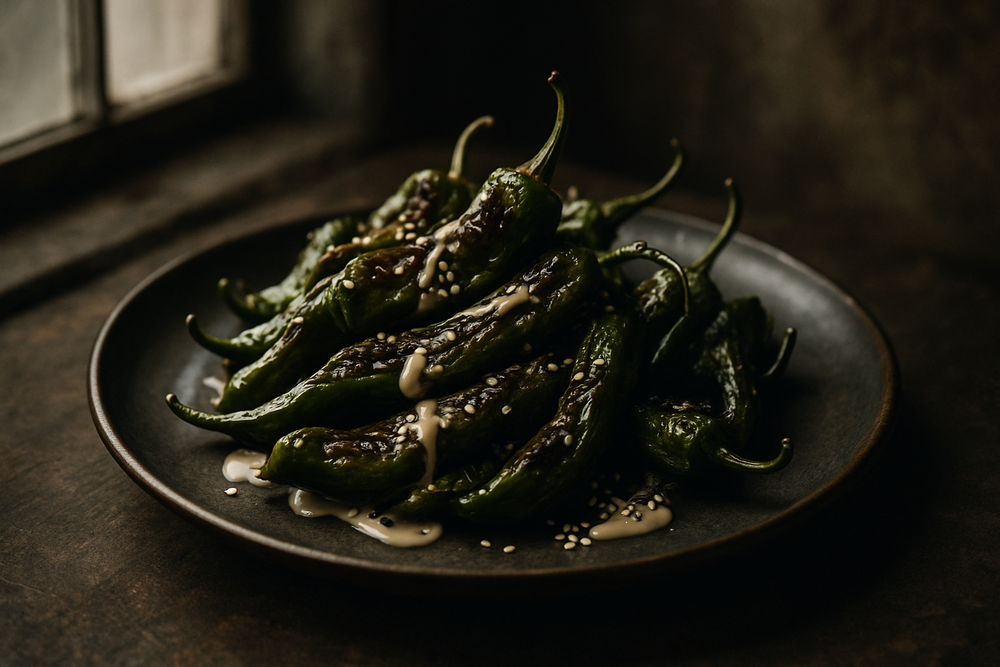
Prep Ideas
- — Wash and dry peppers thoroughly — any surface moisture will cause hot oil to spit dangerously.
- — Leave the stems on; they act as a natural handle.
- — A very hot cast-iron or stainless pan with minimal oil blisters them in 4–6 minutes. Shake the pan frequently.
- — Season immediately after cooking when the skin is still tacky and salt adheres best.
Shop This Ingredient
Stock your pantry with quality shishito pepper.
Buy on AmazonAs an Amazon Associate, Plantopedia earns from qualifying purchases. This costs you nothing extra and helps us keep the encyclopedia free.
Frequently Asked Questions
No human clinical trials have been conducted specifically on shishito peppers. The health benefits described below are supported by two evidence sources: the well-established nutrient science for their individual vitamins and phytochemicals, and broader research on non-starchy vegetable-rich diets. Both are credible; neither is the same as a controlled trial on shishitos themselves. Heart and circulation Shishito peppers provide a combination of nutrients and plant compounds associated with cardiovascular health: vitamin C (a vascular antioxidant), potassium (which helps regulate blood pressure), and flavonoids quercetin and luteolin. Human studies on vegetable-rich diets and on vitamin C and potassium intake suggest associations with lower blood pressure and reduced oxidative stress on blood vessels. Research specifically testing shishito pepper intake for cardiovascular outcomes does not yet exist, so any heart benefit is extrapolated from their nutrient profile rather than directly demonstrated. As a low-calorie, low-energy-density food, shishitos can also help with portion management — replacing higher-calorie options with a bowl of blistered shishitos may support weight and cardiometabolic health indirectly. Digestive health and microbiome Shishito peppers contain both soluble pectin and insoluble cellulose fibers. Soluble fiber acts as a prebiotic substrate — meaning it feeds beneficial gut bacteria and supports the production of short-chain fatty acids (compounds that nourish the gut lining and influence immune signaling). Insoluble fiber adds bulk and helps with bowel regularity. While these effects are well-established for dietary fiber generally, no studies have isolated shishito peppers as the fiber source. People with irritable bowel syndrome (IBS) or sensitive digestion should note that any pepper — even a mild one — can occasionally trigger symptoms. Starting with a small portion is sensible. Blood sugar and metabolism Shishitos are a non-starchy vegetable with very low calorie and sugar content and a minimal effect on blood glucose (blood sugar). Observational studies consistently link high vegetable intake with better glycemic control and lower type 2 diabetes risk, largely because vegetables displace higher-glycemic foods and add fiber to meals. No shishito-specific trials on fasting glucose, insulin sensitivity, or HbA1c (a measure of long-term blood sugar control) have been conducted. Inflammation and recovery The vitamin C, beta-carotene, quercetin, and luteolin in shishito peppers are all studied in humans as antioxidant and anti-inflammatory agents — meaning they may help reduce oxidative stress (cellular damage from unstable molecules called free radicals) and low-grade chronic inflammation. Human evidence supports the broader dietary pattern; direct evidence for shishito peppers reducing inflammation markers has not been tested. Immune support and skin health Vitamin C is essential for normal immune function and collagen synthesis (the process that builds and maintains skin, joints, and connective tissue). Beta-carotene supports vitamin A status, which in turn maintains the integrity of skin and mucosal barriers — the body's first line of defense against pathogens. Shishito peppers are a genuinely useful dietary source of both, contributing significantly to daily vitamin C needs in particular.
Shishito peppers are a whole food, not a supplement, so the "form" question is mostly about cooking method. Blistered or pan-roasted (fresh whole peppers) is the most popular preparation and arguably the best for nutrition: high heat is applied briefly, the skin chars slightly, the flesh stays tender, and most micronutrients are preserved. Vitamin C is heat-sensitive and some is lost, but the cooking time is short. This form also preserves the fiber intact. Grilled or broiled produces a similar result to pan-blistering — minor nutrient loss from heat, but generally a sound choice. Raw is possible and preserves the most vitamin C, though the texture is different. Slice them into salads or use as crudités. Pickled retains fiber but the heat used in pickling and the acidic environment reduce heat-sensitive vitamins. Worth noting for sodium-conscious eaters. Dried or powdered concentrates flavor but significantly reduces vitamin C. Better used as a seasoning than as a vegetable serving. Bottom line on form: fresh shishitos, cooked quickly over high heat with minimal oil, is the gold standard for both taste and nutrition.
There is no established daily dose for shishito peppers as a therapeutic food — they are a vegetable, not a supplement. General guidance maps to broader vegetable intake recommendations: A typical snack or appetizer portion: about 7 blistered peppers (45 g). This is the common restaurant serving. A substantial vegetable side: 100 g (15–20 peppers), which covers your full daily vitamin C requirement. As part of your vegetable total: USDA MyPlate recommends 2.5 to 3 cups of vegetables per day for most adults. Shishitos can contribute meaningfully to this without taking over the plate. Start low if you're new to peppers: A small handful (5–7 peppers) is a sensible starting point, especially if you have digestive sensitivity or are unfamiliar with your individual heat tolerance. No upper limit has been identified for healthy adults eating shishitos as food. The only practical caution at high volumes is the vitamin K consideration for people on warfarin (see above). Consistency over volume is what matters most. Eating shishitos a few times per week, alongside a diverse range of other colorful vegetables, is more beneficial than a single large serving once a month.
Quick Answers
Common questions, answered in a line.
Shishito peppers are very mild and sit low on the Scoville scale, though about one in every ten peppers packs a surprise burst of heat. Their low capsaicin content makes them an approachable choice for those who typically avoid spicy foods.
Shishito peppers are rich in vitamin C, provitamin A carotenoids like beta-carotene, and antioxidant polyphenols such as quercetin and luteolin. These compounds support immune function, skin health, and may help reduce inflammatory signaling in the body.
Shishito peppers support digestion by providing dietary fibers like pectins and cellulose, which add bulk to stool and feed beneficial gut bacteria. These fibers aid in maintaining bowel regularity and overall gut health.
The best way to cook shishito peppers is to pan-blister them in a hot cast-iron or stainless steel pan with minimal oil for 4–6 minutes. You should wash and dry them thoroughly first to prevent oil splattering and leave the stems on to use as natural handles.
Shishito peppers are safe for most people, but those with nightshade sensitivities, GERD, or those taking blood thinners like warfarin should exercise caution. Because they contain vitamin K1 and trace capsaicin, they may affect blood clotting or irritate sensitive digestive tracts.
Pairing shishito peppers with healthy fats, such as tahini or sesame oil, helps the body better absorb their fat-soluble carotenoids. Adding them to fiber-rich grains and proteins like eggs or tofu can also create a satisfying, blood-sugar-friendly meal.
Yes, shishito peppers are safe to eat during pregnancy and provide a small but useful contribution of folate to a balanced diet. They are a nutrient-dense, low-calorie vegetable option for expecting mothers.
For Readers in the USA
Local context — sourcing, seasonality, and regional notes.
Shishito peppers are widely available at major U.S. grocery chains like Trader Joe's, Whole Foods Market, and H-E-B, typically sold in 6-ounce or 8-ounce bags. They have transitioned from a specialty item to a produce aisle staple found in both conventional and organic sections.
In the U.S., shishito peppers are at their peak from late summer through early fall, typically appearing at farmers markets from July to September. While they are available year-round in supermarkets thanks to greenhouse growing in Mexico and California, seasonal local crops offer the best flavor.
Shishito peppers grow best in USDA Hardiness Zones 9–11, making California, Texas, and Florida the primary commercial production regions in the United States. Home gardeners in cooler climates can still grow them as summer annuals once soil temperatures consistently exceed 60°F.
While 'shishito' is the standard name in U.S. markets, you may occasionally find them labeled as 'wrinkled peppers' or see the 'Manganji' variety, which is a larger, sweeter relative. Most American menus and grocers stick to the name shishito to distinguish them from the similar-looking Spanish Padrón pepper.
AI Clinical Review
- Solid overview of shishito peppers as a low‑calorie, nutrient‑dense vegetable, with vitamin C as a true standout; 100 g can exceed the daily requirement.
- Appropriately frames potential benefits (heart, immune, glycemic support) as diet‑pattern effects based on known nutrients and polyphenols (quercetin, luteolin), not as shishito‑specific cures.
- Notes that quick, high‑heat cooking preserves most nutrients and that pairing with a little fat can aid absorption of carotenoids like beta‑carotene.
- Accurately characterizes their mild heat with occasional hotter peppers and the generally low capsaicin content.
- There are no randomized controlled trials on shishito peppers themselves; benefits are inferred from broader research on vegetables and specific nutrients.
- Actual levels of vitamins and polyphenols vary by cultivar, ripeness, growing conditions, storage, and cooking method, so database values are estimates.
- Cardiometabolic and gut‑health claims largely reflect overall vegetable intake and fiber quality; isolating an effect from shishitos alone is uncertain.
- Reasonable portions: a small snack is ~5–7 peppers (~45 g); a side is ~15–20 peppers (~100 g). There’s no established “dose,” and most people tolerate culinary amounts well.
- If you take warfarin, keep vitamin K intake consistent and check with your prescriber before increasing any vitamin‑K‑rich vegetables, including shishitos.
- Those with GERD, peptic ulcer disease, or IBS may be sensitive to peppers (or the occasional hotter one); start with a small serving to gauge tolerance.
- Form matters: raw retains the most vitamin C; quick blistering balances flavor and nutrient retention; pickled versions add sodium; dried/powdered forms have far less vitamin C. Allergies to capsicum are uncommon but possible, including rare latex–fruit cross‑reactivity.
Mostly mild with occasional hot ones; very safe.
References
- USDA FoodData Central — Capsicum annuum nutritional data (fdc.nal.usda.gov)
- USDA MyPlate — Vegetable Group guidance for daily intake recommendations (myplate.gov)
- Know the Pepper — Shishito overview including heat level and Scoville data (knowthepepper.com)
- Kikkoman Glossary — Shishito pepper culinary context and preparation notes (kikkoman.com)
- Heal Eats Real — Health benefits of shishito peppers, nutrient summary (healyeatsreal.com)
- Inlivo Nutrition — Shishito pepper micronutrient breakdown (inlivo.com)
- Vanderbilt University Medical Center — Shishito pepper feature, wellness context (vumc.org)
- NIH Office of Dietary Supplements — Vitamin C fact sheet (immune function and antioxidant role) (ods.od.nih.gov)
- NIH Office of Dietary Supplements — Vitamin K fact sheet (warfarin interaction guidance) (ods.od.nih.gov)
- FoodFacts Hub — Shishito peppers nutrition facts and phytochemical summary (foodfactshub.com)
Know Your Numbers
Eating healthy is a start. Now get to know your biomarkers.
Food changes bloodwork — inflammation, lipids, blood sugar and nutrient status all respond to what you eat. 59 markers from $59.
- Results in 7–10 days at 2,000+ Quest sites
- Licensed provider reviews every result
- One flat price, no membership, HSA/FSA eligible
Educational information only, not medical advice. Panels are ordered and reviewed through our licensed partner; Plantopedia may earn a commission.