Smoked Paprika — health benefits and uses
Flavor-first apothecary angle; use food amounts rather than supplement claims
The Short Answer
Smoked paprika is a spice made from peppers dried over oak fires, providing 24% of the Daily Value of Vitamin A per teaspoon. It is prized for its deep smoky flavor and high concentration of antioxidant carotenoids like capsanthin.
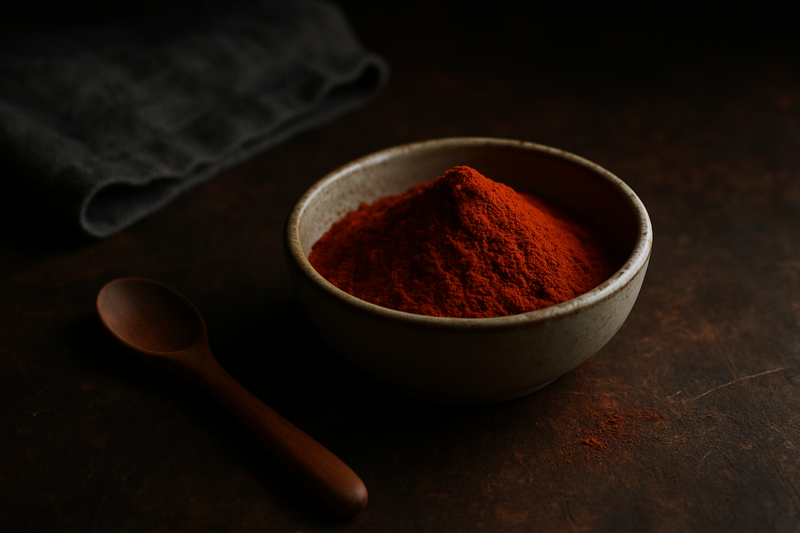
Smoked Paprika · Photograph
Smoked paprika is one of those rare spices that earns its place in the kitchen twice over: once for the extraordinary depth of flavor it brings, and again for the quiet nutritional color it adds to a dish. Made from Capsicum annuum peppers slowly dried and smoked over oak wood fires, then ground into a fine, brick-red powder, it is the soul of Spanish pimentón and a backbone ingredient in chorizo, paella, and slow-cooked bean stews the world over.
Key Nutrients
% Daily Value based on 2,000 cal diet
Key active compounds in smoked paprika
- Capsanthin — A red xanthophyll carotenoid (a type of plant pigment) that gives paprika its signature color. Acts as an antioxidant and is the most abundant carotenoid in ripe red peppers.
- Capsorubin — A structurally related red carotenoid; functions similarly to capsanthin as an antioxidant.
- Beta-carotene — An orange-red provitamin A carotenoid (meaning the body can convert it into vitamin A); found in many orange and red plant foods.
- Beta-cryptoxanthin — Another provitamin A carotenoid with antioxidant activity; observational data link higher dietary intake with bone and respiratory health.
- Lutein and zeaxanthin — Yellow carotenoids that accumulate in the retina and are associated with eye health.
- Capsaicinoids (trace, in sweet varieties) — Compounds responsible for heat in chili peppers; present in very small amounts in sweet smoked paprika and higher amounts in hot (picante) varieties.
- Vitamin E (tocopherols) — A fat-soluble antioxidant that helps protect cell membranes.
Prep and pairing ideas
Smoked paprika is one of the most versatile spices in a plant-based kitchen. A few tried-and-tested approaches:
- Bloom it in oil first. Add smoked paprika to warm olive oil for 30 seconds before adding other ingredients. This releases the fat-soluble carotenoids and deepens the color and aroma significantly.
- Use it in spice rubs. Combined with cumin, garlic powder, and black pepper, it creates a deeply savory crust on roasted cauliflower steaks, tempeh, or portobello mushrooms.
- Stir it into bean dishes. A generous teaspoon in a pot of white beans, chickpeas, or lentils adds smoky depth that makes plant protein genuinely satisfying.
- Finish soups and stews. A pinch swirled into a bowl of tomato soup, hummus, or roasted red pepper dip just before serving adds color and a gentle smoky note.
- Combine with acids. Smoked paprika pairs especially well with a squeeze of lemon or a splash of sherry vinegar, which brightens and balances the smokiness.
Common pairings
- Smoked paprika + white beans + garlic — A classic Spanish combination (fabada-inspired) that delivers smoky, savory depth while letting the beans provide fiber, protein, and minerals. The fat in a drizzle of olive oil helps the body absorb the fat-soluble carotenoids.
- Smoked paprika + roasted tomatoes + olive oil — Tomatoes are rich in lycopene (another carotenoid); layering them with smoked paprika creates a synergistic carotenoid hit, and the olive oil improves absorption of both.
- Smoked paprika + lemon + chickpeas — The acid from lemon helps brighten the smoky flavor and simultaneously enhances non-heme iron absorption from the chickpeas — a double win for plant-based eaters.
How Smoked Paprika Compares
| Compared with | What's different |
|---|---|
| Smoked Paprika vs. Sweet Paprika | Air-dried rather than oak-smoked, providing a sweet pepper flavor without the campfire aroma. |
| Smoked Paprika vs. Cayenne Pepper | Significantly higher capsaicin content, offering intense heat rather than mild smokiness. |
| Smoked Paprika vs. Liquid Smoke | A liquid extract providing smoke flavor without the red pigment or Vitamin A content. |
Health Benefits
Things to Know
Allergy and sensitivity: People with known reactions to peppers, paprika, or nightshade-family plants (Solanaceae) should use caution and may need to avoid it entirely.
Digestive conditions: Hot smoked paprika may aggravate GERD, peptic ulcers, or irritable bowel syndrome (IBS). Start with sweet varieties and small amounts.
PAH awareness: As a smoked food product, smoked paprika contains trace PAHs. Typical culinary use is within safety guidelines, but very high daily use is not recommended, especially for those already advised to reduce smoked or charred food intake.
Asthma and airway sensitivity: The fine powder can irritate airways when inhaled. Avoid breathing paprika dust directly during cooking.
Infants and young children: Sweet smoked paprika in very small amounts is generally fine in family meals; hot varieties and large amounts are not appropriate for young children.
Medications: At normal culinary doses, smoked paprika has no well-established interactions with medications. If you are managing hypertension, diabetes, or GI conditions and plan to significantly increase your hot pepper intake overall, discuss this with your healthcare provider.
Pregnancy: Using smoked paprika as a seasoning in ordinary food amounts is generally considered fine. Consuming it in large or supplement-like amounts is not recommended, and individual guidance from your midwife or clinician takes priority.

Prep Ideas
- — Bloom it in oil first. Add smoked paprika to warm olive oil for 30 seconds before adding other ingredients. This releases the fat-soluble carotenoids and deepens the color and aroma significantly.
- — Use it in spice rubs. Combined with cumin, garlic powder, and black pepper, it creates a deeply savory crust on roasted cauliflower steaks, tempeh, or portobello mushrooms.
- — Stir it into bean dishes. A generous teaspoon in a pot of white beans, chickpeas, or lentils adds smoky depth that makes plant protein genuinely satisfying.
- — Finish soups and stews. A pinch swirled into a bowl of tomato soup, hummus, or roasted red pepper dip just before serving adds color and a gentle smoky note.
- — Combine with acids. Smoked paprika pairs especially well with a squeeze of lemon or a splash of sherry vinegar, which brightens and balances the smokiness.
- — Smoked paprika + white beans + garlic — A classic Spanish combination (fabada-inspired) that delivers smoky, savory depth while letting the beans provide fiber, protein, and minerals. The fat in a drizzle of olive oil helps the body absorb the fat-soluble carotenoids.
- — Smoked paprika + roasted tomatoes + olive oil — Tomatoes are rich in lycopene (another carotenoid); layering them with smoked paprika creates a synergistic carotenoid hit, and the olive oil improves absorption of both.
- — Smoked paprika + lemon + chickpeas — The acid from lemon helps brighten the smoky flavor and simultaneously enhances non-heme iron absorption from the chickpeas — a double win for plant-based eaters.
Shop This Ingredient
Stock your pantry with quality smoked paprika.
Buy on AmazonAs an Amazon Associate, Plantopedia earns from qualifying purchases. This costs you nothing extra and helps us keep the encyclopedia free.
Frequently Asked Questions
The honest answer is that most of what we know comes from research on Capsicum peppers, carotenoid-rich diets, and isolated capsaicin — not from clinical trials using smoked paprika itself. With that transparency in mind, here is what the evidence currently suggests. Heart and circulation There are no clinical trials testing smoked paprika directly on cardiovascular outcomes. Broader research on carotenoid-rich diets does associate higher intake of these compounds with better cardiovascular profiles — including lower oxidative stress (cellular damage caused by unstable molecules called free radicals) and improved cholesterol markers — but this is population-level observational data, not a direct cause-and-effect link. Some studies have found that frequent chili pepper consumption is associated with lower cardiovascular mortality, but chili peppers are a very different beast from mild smoked paprika: they contain far more capsaicin and are eaten in different culinary contexts. The practical take: using smoked paprika liberally in heart-healthy dishes like lentil stews, roasted vegetables, and whole-grain pilafs makes those dishes more appealing, which may support dietary consistency — arguably the most important factor of all. Digestive health and microbiome Smoked paprika has no specific clinical data for gut health. Capsicum spices generally can stimulate saliva and gastric secretions, which some people experience as improved digestion, but controlled evidence specific to paprika is lacking. The more practical digestive argument is indirect: smoked paprika makes high-fiber foods — beans, lentils, roasted vegetables — taste much better, and higher fiber intake is one of the most consistently supported drivers of a healthy gut microbiome (the community of bacteria and other microbes that live in your digestive tract). Caution: People with gastroesophageal reflux disease (GERD), peptic ulcers, or sensitive digestion may find that hot smoked paprika in larger amounts worsens symptoms. Sweet (dulce) varieties are generally better tolerated. Blood sugar and metabolism No human intervention trials have evaluated smoked paprika on glucose or insulin outcomes in isolation. Some capsaicin research has shown modest improvements in postprandial (after-meal) glucose metabolism, but the doses of capsaicin used are far higher than what you would get from sweet smoked paprika in a normal recipe. The sensible framing here: smoked paprika is an excellent seasoning in balanced, blood-sugar-friendly meals — bean soups, roasted chickpea dishes, cauliflower rice — where the overall recipe does the metabolic heavy lifting. Inflammation and recovery Smoked paprika's carotenoid content — capsanthin, capsorubin, beta-carotene — has antioxidant activity in laboratory models, and diets high in mixed carotenoid-rich foods are associated with lower markers of inflammation in human observational studies. However, smoked paprika is one small contributor among many in a plant-rich diet. It should not be described as an anti-inflammatory treatment. What can be said is that it fits naturally and deliciously into an overall anti-inflammatory eating pattern.
The answer depends on what you are after. Regular sweet paprika (made from dried, unsmoked red peppers) and smoked paprika have essentially the same carotenoid and micronutrient profile. The meaningful differences are: | Feature | Sweet paprika | Smoked paprika | |---|---|---| | Flavor profile | Mild, slightly sweet, fruity | Earthy, smoky, wood-fired character | | Capsaicin level | Very low (sweet) to high (hot) | Very low (dulce) to moderate (picante) | | PAH content | Negligible | Trace amounts from smoking process | | Best use | Bright color, gentle flavor in salads, hummus, eggs | Depth in stews, rubs, legumes, roasted veg | From a purely nutritional standpoint, both are very similar. From a culinary standpoint, they are not interchangeable. Smoked paprika's smoking process introduces trace polycyclic aromatic hydrocarbons (PAHs) — a class of chemical compounds that form when organic matter is burned — but a published assessment of traditional Pimentón de La Vera in Spain found that dietary exposure at typical use levels remains within regulatory safety limits.
No health authority has established a recommended daily intake for smoked paprika as a therapeutic ingredient — it is a culinary spice, not a supplement. Typical cooking use ranges from a small pinch (about 0.5 g) to about one to two teaspoons (approximately 2–5 g) per dish. Most people use it in one or two dishes per day at most. Practical guidance: Start with ¼ to ½ teaspoon if you are new to it or have a sensitive palate or stomach. Work up to 1–2 teaspoons per dish as your taste preferences develop. Because it is a smoked product, using it as part of a varied spice rotation — rather than as the single dominant seasoning every meal — is a reasonable long-term approach. There is no meaningful upper limit established for healthy adults at culinary doses. Very large amounts (tablespoons at a time, repeatedly) are unusual in cooking and not
Quick Answers
Common questions, answered in a line.
Smoked paprika contains lutein and zeaxanthin, two yellow carotenoids that accumulate in the retina and are associated with eye health. These compounds, along with other antioxidants like capsanthin, help protect the eyes from oxidative stress.
You should "bloom" smoked paprika by adding it to warm olive oil for about 30 seconds before adding other ingredients. This process releases fat-soluble carotenoids, which significantly deepens the spice's color, aroma, and nutritional bioavailability.
Smoked paprika is made from Capsicum annuum peppers that are slowly dried and smoked over oak wood fires before being ground into a fine powder. This traditional process is the foundation of Spanish pimentón and provides its distinct smoky depth.
Smoked paprika contains beta-carotene and beta-cryptoxanthin, which are provitamin A carotenoids that the body can convert into vitamin A. These compounds also function as antioxidants to support respiratory and bone health.
While generally safe, people with nightshade allergies should avoid smoked paprika, and the fine powder should not be inhaled as it can irritate the airways. Additionally, it contains trace levels of Polycyclic Aromatic Hydrocarbons (PAHs) due to the smoking process.
Hot (picante) varieties of smoked paprika contain higher levels of capsaicinoids, which are the compounds responsible for heat in chili peppers. Sweet varieties only contain trace amounts of these spicy compounds.
Smoked paprika is a versatile seasoning for roasted cauliflower, tempeh, portobello mushrooms, and various bean dishes like lentils or chickpeas. It pairs especially well with acids like lemon or sherry vinegar to balance its smoky profile.
For Readers in the USA
Local context — sourcing, seasonality, and regional notes.
Most major US grocery chains like Kroger, Whole Foods, and Wegmans stock smoked paprika in the spice aisle under brands like McCormick, Morton & Bassett, or their own private labels. You can also find premium, authentic Spanish pimentón at specialty food shops or through online retailers like Amazon and Penzeys Spices.
In the United States, look for the USDA Organic seal and 'Pimentón de la Vera' DOP labeling to ensure the spice is free from synthetic pesticides and authentic to its Spanish origin. The FDA regulates spices for purity and safety, so buying labeled domestic or imported brands ensures you are getting genuine Capsicum annuum without fillers.
While paprika peppers are grown in warmer US climates like New Mexico, California, and Florida from summer to early fall, the smoked variety is typically imported year-round from Spain. Most smoked paprika found in American kitchens is processed and packaged to be shelf-stable, making it a pantry staple regardless of the local growing season.
While often used in Latin-inspired dishes in the US, smoked paprika is also a secret ingredient in American BBQ rubs, deviled eggs, and Southern-style potato salads. It serves as a popular plant-based alternative to liquid smoke or bacon bits for adding a campfire aroma to traditional American comfort foods.
AI Clinical Review
- Frames smoked paprika as a flavor-first spice that contributes small amounts of carotenoid antioxidants; at teaspoon doses it is not a major micronutrient source—this is accurate and balanced.
- Correctly distinguishes smoked from sweet paprika: similar nutrition, different flavor and heat, with smoked versions potentially containing trace smoke by‑products (PAHs) within typical dietary safety limits.
- Emphasizes the practical health value of making fiber‑rich, plant‑forward meals more appealing—consistent with evidence that overall dietary patterns matter more than any single spice.
- Notes that blooming paprika in oil can aid release of fat‑soluble pigments, a sensible culinary tip that aligns with how carotenoids are absorbed.
- There are no randomized trials testing smoked paprika itself for heart, metabolic, or inflammatory outcomes; most claims rely on observational data about carotenoid‑rich diets or on studies of capsaicin from hot chiles.
- Metabolic benefits seen with capsaicin use higher, concentrated doses not typically reached with sweet smoked paprika, so direct translation to everyday cooking is uncertain.
- Digestive and microbiome benefits are indirect (by improving intake of fiber‑rich foods) rather than demonstrated effects of paprika per se.
- PAH exposure from smoked spices appears low at culinary amounts, but levels can vary by product and processing; ongoing quality monitoring would strengthen confidence.
- Typical culinary use is about 1/4–2 teaspoons per dish. Rotating spices and avoiding unusually large, frequent tablespoon‑level amounts is a reasonable approach if you’re minimizing smoked foods.
- Choose dulce (sweet) versus picante (hot) based on tolerance. People with GERD, peptic ulcers, or IBS may do better with small amounts of sweet varieties. Avoid inhaling fine paprika dust if you have asthma or airway sensitivity.
- Those with nightshade allergies should avoid paprika. Culinary amounts are generally fine during pregnancy and for children in family meals (use sweet varieties); seek individualized advice if you have specific medical conditions.
- Pure smoked paprika is naturally sodium‑free; premade rubs or blends may include salt or sugar—check labels if you’re monitoring sodium or added sugars.
Use culinary framing; avoid treatment claims or supplement-dose guidance.
References
- PMC, National Library of Medicine — An Approach to the Consumption of Smoked Paprika in Spain and its Impact on the Intake of Polycyclic Aromatic Hydrocarbons (pmc.ncbi.nlm.nih.gov)
- PMC, National Library of Medicine — Occurrence and Determination of Carotenoids and Polyphenols in Different Paprika Powders from Organic and Conventional Production (pmc.ncbi.nlm.nih.gov)
- USDA FoodData Central — USDA FoodData Central (fdc.nal.usda.gov)
- PubMed — Association of pepper intake with all-cause and specific cause mortality - A systematic review and meta-analysis (pubmed.ncbi.nlm.nih.gov)
Know Your Numbers
Eating healthy is a start. Now get to know your biomarkers.
Food changes bloodwork — inflammation, lipids, blood sugar and nutrient status all respond to what you eat. 59 markers from $59.
- Results in 7–10 days at 2,000+ Quest sites
- Licensed provider reviews every result
- One flat price, no membership, HSA/FSA eligible
Educational information only, not medical advice. Panels are ordered and reviewed through our licensed partner; Plantopedia may earn a commission.