Spearmint — health benefits and uses
Long used as a gentle digestive and cooling tea.
The Short Answer
Spearmint is a mild, sweet herb often used to support hormonal balance in PCOS and improve digestion. It contains rosmarinic acid and carvone, which provide antioxidant benefits with negligible calories.
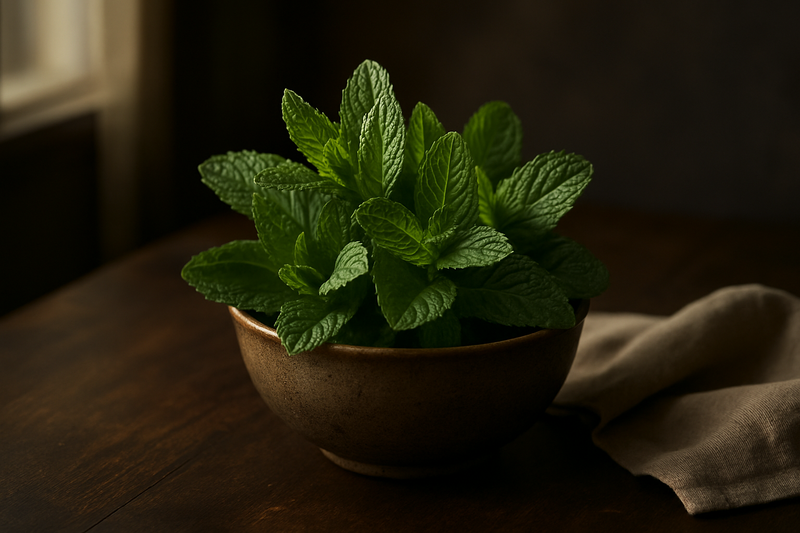
Spearmint · Photograph
Discover spearmint health benefits, uses, and side effects — from spearmint tea for PCOS and hormones to digestion, memory support, and everyday cooking. Evidence-based, layperson-friendly guide.
Key Nutrients
% Daily Value based on 2,000 cal diet
Key active compounds in spearmint
- Rosmarinic acid — A polyphenol (a plant-derived antioxidant compound) found in high concentrations in the Lamiaceae (mint) family. It is the key ingredient in the proprietary spearmint extracts tested for cognitive benefits, and it has demonstrated anti-inflammatory activity in laboratory studies.
- Flavonoids (luteolin and apigenin derivatives) — Plant pigments that act as antioxidants and may modulate inflammatory pathways. They may also support vascular and neuronal (brain cell) health.
- Carvone and limonene (essential oils) — The volatile aromatic compounds that give spearmint its distinctive sweet-mint scent. Carvone dominates, which is exactly why spearmint smells so different from peppermint (which is menthol-dominant). Carvone is linked to mild antimicrobial and carminative (gas-relieving) effects in experimental settings.
- Phenolic acids and tannins — A broad class of polyphenols that contribute to spearmint's antioxidant capacity and may influence gut bacteria and mucosal (gut lining) health.
- Carotenoids (precursors to vitamin A) — Pigments that support eye health, immune function, and epithelial (surface tissue) integrity.
Prep and pairing ideas
Common pairings with spearmint
1. Spearmint + bulgur wheat (tabbouleh) The classic Mediterranean grain salad pairs spearmint with parsley, lemon, olive oil, and tomato. Spearmint's sweet profile balances the tartness of lemon beautifully, and this pairing delivers fiber, iron, and B vitamins in a single dish. Use at least 2–3 tablespoons of fresh chopped leaves per portion — do not hold back.
2. Spearmint + cucumber + apple cider vinegar (fresh sauce or slaw) A dairy-free, yogurt-free version of tzatziki-style sauce: blitz cucumber, fresh spearmint, a splash of apple cider vinegar, garlic, and a drizzle of olive oil. The herb's mild sweetness softens vinegar's bite. Works as a sauce for grain bowls, falafel, or roasted vegetables.
3. Spearmint + green tea (iced or hot) Brew green tea and add a handful of fresh spearmint leaves while it steeps. You get green tea's antioxidants alongside spearmint's rosmarinic acid and carvone, with a flavor that is naturally sweet with no sweetener needed. This is a practical, low-cost way to consistently include spearmint in your routine.
Bottom line
Spearmint earns its place in a food-as-medicine kitchen. It is safe, flavorful, and almost calorie-free, with genuine clinical evidence supporting two specific uses — hormonal support in women with PCOS (via tea) and cognitive support in older adults (via standardized extract). Its digestive, anti-inflammatory, and antioxidant properties are plausible and traditionally supported but need more dedicated human research to confirm.
For most people, the best starting point is simply using more fresh spearmint in everyday cooking and swapping it into herbal tea rotations. If you are exploring medicinal doses for hormonal or cognitive reasons, standardized forms and a conversation with your healthcare provider are the right next steps.
How Spearmint Compares
| Compared with | What's different |
|---|---|
| Spearmint vs. Peppermint | Contains menthol for a cooling, spicy sensation; spearmint is sweeter and milder. |
| Spearmint vs. Lemon Balm | A warm, citrusy herb with rounder leaves; spearmint has a sharp, jagged leaf shape. |
Health Benefits
Things to Know
Pregnancy and breastfeeding: Medicinal amounts (strong teas, extracts, essential oil) have not been adequately studied for safety in pregnancy. Traditional cautions exist around mint's effects on uterine tone. Culinary use in food is generally considered fine; regular strong teas or supplements are better avoided until more safety data exist.
Hormone-sensitive conditions: Spearmint has a demonstrated anti-androgen effect. If you have PCOS, androgen-dependent conditions, or take oral contraceptives or anti-androgen medications, discuss spearmint supplementation with your doctor before starting. Clinical interaction studies have not been done.
GERD and acid reflux: Mint relaxes the lower esophageal sphincter, which can worsen heartburn. If you are prone to reflux, test your tolerance and consider limiting strong spearmint teas.
Iron absorption: Polyphenol-rich infusions (like strong herbal teas) can modestly reduce non-heme iron absorption when consumed with iron-rich meals. If you are iron-deficient, drink spearmint tea between meals rather than with food.
Lamiaceae allergy: If you are allergic or sensitive to any plants in the mint family (including basil, rosemary, lavender, or thyme), you may react to spearmint. Watch for contact dermatitis or oral irritation.
Children: Concentrated extracts and essential oils are not recommended for children due to limited safety data and a narrower safety margin. Culinary amounts in food are generally fine.
Drug interactions: Polyphenol-rich extracts may theoretically interact with drugs metabolized by liver enzymes, though no direct spearmint interactions have been formally documented. If you take multiple medications, mention herbal supplements to your pharmacist.

Glossary
Shop This Ingredient
Stock your pantry with quality spearmint.
Buy on AmazonAs an Amazon Associate, Plantopedia earns from qualifying purchases. This costs you nothing extra and helps us keep the encyclopedia free.
Frequently Asked Questions
Heart and circulation No large human trials have tested spearmint specifically on blood pressure, cholesterol, or cardiovascular events. The potential contribution here is indirect: spearmint's polyphenols and carotenoids fit the profile of compounds associated with lower cardiovascular risk in plant-rich diets, and its anti-inflammatory activity in lab models is encouraging. For now, spearmint is best viewed as one piece of a heart-healthy eating pattern rather than a targeted heart therapy. Digestive health and spearmint benefits for digestion and bloating Spearmint has a long traditional reputation for easing gas, bloating, and mild digestive cramps. The plausible mechanism is that volatile oils like carvone gently relax smooth muscle in the gastrointestinal tract, which may relieve spasms. Reviews of mint-family herbs also suggest effects on pain signaling in the gut. What is missing is direct, high-quality clinical trial data specific to spearmint for conditions like functional bloating or dyspepsia (indigestion). Much of what we know is extrapolated from peppermint studies or small mixed-herb formulations. Spearmint is milder than peppermint, which may make it better tolerated for some people — but it also means its smooth-muscle effects are less potent. One important caution: people with acid reflux (GERD) may find that any mint worsens heartburn by relaxing the lower esophageal sphincter (the valve that keeps stomach acid down). Blood sugar and metabolism There is currently little direct human clinical research on spearmint and blood sugar control. Polyphenols in mint-family herbs may theoretically influence carbohydrate digestion and insulin signaling, but these findings come from cell and animal studies, not robust human trials. Spearmint should not be used in place of established dietary or medical strategies for blood sugar management. Spearmint benefits for hormones and PCOS This is the most clinically grounded area of spearmint research, and it has generated real interest among people managing polycystic ovary syndrome (PCOS) — a hormonal condition associated with elevated androgens (male sex hormones like testosterone) that can cause irregular periods, unwanted hair growth (hirsutism), and acne. A small but well-designed randomized controlled trial published in Phytotherapy Research found that women with PCOS who drank spearmint herbal tea twice daily for 30 days had significantly reduced free and total testosterone levels, with increases in luteinizing hormone (LH) and follicle-stimulating hormone (FSH) — hormones involved in regulating the menstrual cycle. Participants also reported some subjective improvement in hirsutism, though 30 days was too short to detect visible changes in hair growth. This is genuinely interesting. However, it was a small study, used tea rather than a standardized dose, and did not follow participants long enough to assess clinical outcomes like menstrual regularity or fertility. People with hormone-sensitive conditions or on hormone therapies should talk to a doctor before using spearmint medicinally. Inflammation and recovery Spearmint's anti-inflammatory credentials are primarily built on laboratory and animal evidence. Extracts have been shown to reduce inflammatory markers, protect gut lining cells from injury, and inhibit migration of certain cancer cell lines in preclinical (non-human) models. A review also noted spearmint's use in clinical populations dealing with conditions involving oxidative stress (cellular damage from unstable molecules called free radicals), such as COPD and irritable bowel syndrome — though detailed spearmint-specific trial data in these contexts remain thin. These findings are mechanistic; they support the rationale for future human trials rather than confirming spearmint as an anti-inflammatory therapy. Spearmint for memory and focus Two randomized, double-blind, placebo-controlled trials — the gold standard of clinical research — have tested a proprietary polyphenol-rich spearmint extract on cognitive outcomes. One trial in older adults with age-associated memory impairment and another in younger, physically active adults both found improvements in working memory and aspects of cognitive performance compared with placebo after 90 days at 900 mg/day. Tolerability was good with no serious adverse events. These findings are specific to concentrated, standardized spearmint extracts — not ordinary spearmint tea or fresh leaves, which contain far lower polyphenol levels. Still, this is a meaningful evidence base for a food-grade ingredient, and it positions spearmint polyphenols as a legitimate area of continued cognitive research.
The right form depends on what you are trying to achieve. Fresh leaves are the most versatile culinary choice. They retain aromatic oils, deliver a small but real nutrient contribution, and are safe in any amount you would normally add to food. Use them freely in salads, grain dishes, sauces, and as a garnish. Dried leaf / spearmint tea is more concentrated per gram in minerals, polyphenols, and fiber. This is the form used in the PCOS anti-androgen trial (two cups of tea daily). It is widely available, easy to prepare, and well tolerated for short-term regular use in healthy adults. Standardized polyphenol-rich extracts (capsules) are the only form with clinical trial data for cognitive support. Doses in studies were approximately 900 mg/day for 90 days. If cognitive support is the goal, this form is more reliable than tea because the polyphenol content is controlled and consistent. Spearmint essential oil is a highly concentrated product not designed for internal use without professional guidance. Internal doses of essential oil are far outside culinary or even supplement-level exposure and carry real risk of mucosal irritation.
For everyday culinary use, there is no upper limit to worry about — use as much fresh spearmint as you enjoy in cooking. For spearmint tea specifically, the clinical trial for PCOS used two cups per day for 30 days, which was well tolerated. General wellness guidance from herb monographs suggests one to two cups of spearmint tea daily is reasonable for healthy adults over short periods. If you plan to drink it daily for more than a few weeks, it is worth checking in with a healthcare provider, particularly if you have any hormone-related conditions. For standardized spearmint extracts (capsule supplements), clinical trials used 900 mg/day for 90 days with good tolerability. Some sources cite 500 mg/day as a common starting range. Follow product label guidance and consult a healthcare provider if you are managing any health condition. Start low, observe how your body responds, and do not assume more is better. If any symptoms develop — digestive discomfort, heartburn, or skin reactions — reduce or stop use and speak with a healthcare professional.
Fresh spearmint is widely available at most supermarkets, farmers' markets, and easy to grow on a windowsill. Look for bright green, undamaged leaves with a strong sweet-mint fragrance. Avoid yellowing or slimy bunches. Store wrapped in a damp paper towel in the fridge for up to a week, or stand stems in a glass of water like cut flowers. Dried spearmint should be stored in an airtight jar away from heat and light; it loses potency after about a year. For tea, use one to two teaspoons of dried leaf per cup of hot water and steep for five to seven minutes. Check that the label says Mentha spicata specifically — not a generic "mint blend." Spearmint extract supplements vary widely in quality and polyphenol content. If cognitive support is the goal, look for products specifying standardized polyphenol content (ideally rosmarinic acid percentage) and third-party testing verification. The clinical studies used a proprietary extract at 900 mg/day — generic spearmint capsules may not replicate these results if polyphenol levels are not standardized. Spearmint essential oil is not an appropriate supplement for internal use without professional supervision. It is best reserved for culinary flavoring in very small quantities (a drop in a large batch of baked goods, for example) or for aromatherapy.
Quick Answers
Common questions, answered in a line.
Spearmint contains rosmarinic acid, flavonoids like luteolin, and essential oils such as carvone and limonene. These compounds act as antioxidants and may provide anti-inflammatory, antimicrobial, and carminative (gas-relieving) effects to support overall health.
Spearmint tea provides a demonstrated anti-androgen effect that can offer hormonal support for women with PCOS. Because it may influence hormone-sensitive conditions, you should consult a doctor if you are taking oral contraceptives or anti-androgen medications.
Spearmint may worsen heartburn or GERD because it relaxes the lower esophageal sphincter. If you are prone to acid reflux, you should test your tolerance and consider limiting your intake of strong spearmint teas.
Spearmint can be paired with bulgur wheat in tabbouleh, blended with cucumber and apple cider vinegar for sauces, or steeped with green tea. Its sweet profile naturally balances tart ingredients like lemon and vinegar without the need for added sweeteners.
Spearmint may support brain health and memory through its high concentration of rosmarinic acid and flavonoids. Clinical evidence suggests that standardized spearmint extracts can provide cognitive support, particularly in older adults.
If you are iron-deficient, you should drink spearmint tea between meals rather than with food. The polyphenol-rich infusion can modestly reduce the absorption of non-heme iron when consumed alongside iron-rich meals.
Medicinal amounts of spearmint, such as strong teas or extracts, are better avoided during pregnancy due to a lack of safety data and traditional concerns regarding uterine tone. However, using culinary amounts of spearmint in food is generally considered safe.
For Readers in the USA
Local context — sourcing, seasonality, and regional notes.
Spearmint is a hardy perennial that grows best in USDA Hardiness Zones 3 through 11, thriving during the spring and summer months across most of the United States. In warmer climates like California and the South, it can be harvested year-round if kept in moist, partially shaded soil.
Fresh spearmint is widely available year-round at major US grocery chains like Kroger, Safeway, and Whole Foods, typically found in the refrigerated produce section near other fresh herbs. For larger quantities or organic varieties, check local farmers markets during the summer or specialty Mediterranean and Middle Eastern grocers.
While the USDA does not have specific regulations for spearmint tea, the FDA classifies spearmint as "Generally Recognized as Safe" (GRAS) for use as a natural flavoring or adjuvant. For the highest quality, look for the USDA Organic seal to ensure the leaves were grown without synthetic pesticides or fertilizers.
In the US, "Spearmint" is the standard name for Mentha spicata, but you may also see it labeled as "Garden Mint" or simply "Mint" in many American supermarkets. Peppermint is a distinct species (Mentha piperita) containing menthol, whereas spearmint is characterized by its milder, sweeter carvone profile.
AI Clinical Review
- Clearly distinguishes culinary use from medicinal dosing, noting that most safety concerns arise with strong teas or concentrated extracts rather than food-level amounts.
- Accurately summarizes the small randomized trial showing spearmint tea’s anti-androgen (testosterone-lowering) effect in women with PCOS over 30 days, and keeps expectations realistic.
- Correctly explains that cognitive findings come from a standardized, polyphenol-rich spearmint extract (not ordinary tea) taken at about 900 mg/day for 90 days, with modest benefits in working memory.
- Sensibly frames digestive benefits as plausible and traditionally supported while avoiding overclaims compared with better-studied peppermint.
- PCOS data are short-term and from small samples; hormone shifts were measured, but longer-term clinical outcomes (cycle regularity, fertility, visible hair changes) remain uncertain.
- Cognitive research relies on a proprietary, rosmarinic acid–rich extract; results may not generalize to other products or to typical culinary intake.
- Digestive, anti-inflammatory, and metabolic (blood sugar) effects are supported mainly by mechanism and early-stage studies, with few spearmint-specific human trials.
- Dose and form matter: culinary use is broadly safe; the PCOS trial used two cups of tea daily for 30 days; cognitive trials used 900 mg/day of a standardized extract for 90 days. Choose products that specify standardization (e.g., rosmarinic acid content) and consider third‑party testing.
- GERD/acid reflux can worsen with any mint due to relaxation of the lower esophageal sphincter; introduce teas cautiously if you’re prone to heartburn.
- Pregnancy, breastfeeding, children, and those with hormone-sensitive conditions should avoid medicinal-strength preparations unless cleared by a clinician. Essential oil is not for internal use.
- Strong herbal infusions may reduce non‑heme iron absorption if taken with meals; if iron status is a concern, have spearmint tea between meals and review supplement timing with your clinician.
Safe in culinary amounts.
References
- USDA FoodData Central — spearmint, fresh (fdc.nal.usda.gov)
- USDA-derived spearmint nutrition data (fresh and dried) (batchbase.com.au)
- Randomized, double-blind, placebo-controlled trial: spearmint extract improves working memory in older adults (liebertpub.com)
- Randomized, double-blind, placebo-controlled trial: spearmint extract improves cognitive performance in young adults (PubMed 30802720) (pubmed.ncbi.nlm.nih.gov)
- Randomized trial: spearmint herbal tea has significant anti-androgen effects in women with PCOS (PubMed 19585478) (pubmed.ncbi.nlm.nih.gov)
- Review: reduction of inflammation and colon injury by spearmint extract — implications for IBD (PMC 6630206) (pmc.ncbi.nlm.nih.gov)
- Spearmint monograph: uses, side effects, and warnings — YourCareEverywhere (yourcareeverywhere.com)
- Spearmint herb nutrition facts and health benefits — Nutrition-and-You (nutrition-and-you.com)
- Spearmint nutrient breakdown per serving — Nutrivore (nutrivore.com)
- Clinical trial registration: NCT02518165 — spearmint extract effects on cognitive performance (trial.medpath.com)
Know Your Numbers
Eating healthy is a start. Now get to know your biomarkers.
Food changes bloodwork — inflammation, lipids, blood sugar and nutrient status all respond to what you eat. 59 markers from $59.
- Results in 7–10 days at 2,000+ Quest sites
- Licensed provider reviews every result
- One flat price, no membership, HSA/FSA eligible
Educational information only, not medical advice. Panels are ordered and reviewed through our licensed partner; Plantopedia may earn a commission.