Squash Blossoms — health benefits and uses
A cherished seasonal delicacy in Mexican and Italian cooking.
The Short Answer
Squash blossoms are the edible flowers of the zucchini or squash plant, prized for their delicate texture and mild, sweet flavor. They are highly perishable and provide 59 mcg of folate and 86 mcg of Vitamin A per 1-cup serving.

Squash Blossoms · Photograph
Discover squash blossoms health benefits and nutrition facts — from antioxidant-rich carotenoids and folate to heart-friendly potassium. Learn how to prep, cook, and safely eat these delicate zucchini flowers.
Key Nutrients
% Daily Value based on 2,000 cal diet
Key active compounds
Squash blossoms get much of their nutritional value from a handful of well-studied plant compounds:
- Beta-carotene and other carotenoids — Fat-soluble pigments (meaning the body absorbs them better alongside a small amount of fat) responsible for the bright yellow-orange color. The body converts beta-carotene into vitamin A as needed. Carotenoids also act as antioxidants — molecules that neutralize unstable compounds called free radicals that can damage cells.
- Vitamin C — A water-soluble antioxidant that supports the immune system, helps build collagen (the structural protein in skin and connective tissue), and boosts the absorption of non-heme iron (the form of iron found in plant foods).
- Folate — A B vitamin critical for DNA synthesis and cell division. Adequate folate is especially important during pregnancy.
- Polyphenols and flavonoids (putative) — A broad family of plant compounds with antioxidant and anti-inflammatory properties. They have not been fully characterized in squash blossoms specifically, but are commonly present in colorful edible flowers.
Who benefits most
Home gardeners and seasonal eaters
- Male blossoms can be harvested all season without reducing your squash crop.
- They encourage minimal-processing, same-day cooking habits.
- A quick sauté or soup addition means dinner is ready in under 10 minutes with zero food waste.
People eating for heart and metabolic health
- Very low sodium, fat, and carbohydrate in their natural form.
- Folate and potassium support cardiovascular function.
- Versatile enough to replace calorie-dense garnishes in everyday cooking.
Prep and pairing ideas
Squash blossoms are perishable, delicate, and brief — which is exactly what makes them exciting to cook with.
Before you do anything else: Gently rinse each blossom under cool running water, check inside for insects, remove the stamen or pistil with your fingers or a small knife, and trim the tough green base if desired. Pat dry and use immediately.
Three practical pairings:
- Squash blossoms + ricotta + lemon zest (stuffed and baked) — The mild creaminess of ricotta complements the floral sweetness of the blossoms without overwhelming them. Lemon zest adds brightness. Bake at 375°F (190°C) for 10–12 minutes for a lighter alternative to frying.
- Squash blossoms + black beans + corn tortilla (quesadilla) — Torn blossoms wilted into a quesadilla with black beans create a complete plant-based meal with complementary protein and fiber. The beans add the staying power the blossoms alone cannot provide.
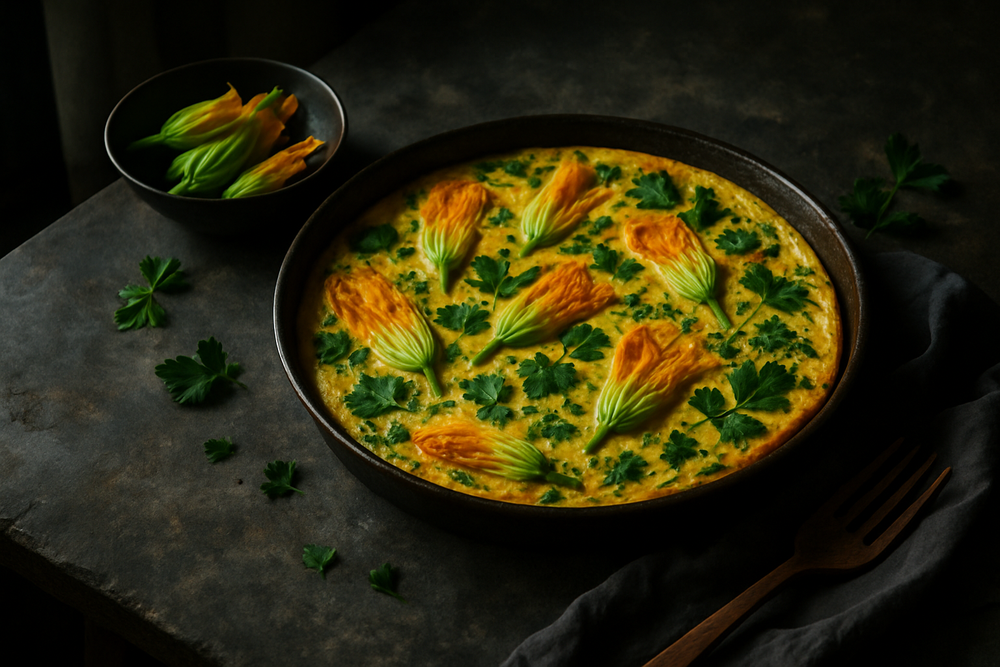
- Squash blossoms + eggs + fresh herbs (frittata) — Folded into beaten eggs with basil or chives and finished under the broiler. The carotenoids in the blossoms are fat-soluble, so the egg yolk helps your body absorb them — a happy nutritional coincidence.
Bottom line
Squash blossoms are not a superfood in the headline sense — there are no clinical trials demonstrating dramatic health outcomes from eating them. What they are is a genuinely nutritious, very low-calorie vegetable ingredient with real amounts of folate, vitamin A, iron, and antioxidant carotenoids, plus a culinary versatility that makes them easy to work into a plant-forward diet.
The evidence supporting their inclusion in a healthy diet is indirect but solid: it comes from the large body of research showing that diets rich in varied, colorful, non-starchy vegetables support heart health, metabolic function, immune defense, and long-term disease risk reduction. Squash blossoms fit that pattern well.
Cook them simply, use them fresh, and let the ingredient speak for itself. That is also, as it happens, the healthiest way to eat them.
Curious about how edible flowers and seasonal vegetables fit into your specific health goals? Explore our goal-based ingredient guides at Plantopedia.
How Squash Blossoms Compares
| Compared with | What's different |
|---|---|
| Squash Blossoms vs. Zucchini (fruit) | Thicker, crunchy edible fruit compared to the soft, delicate, and thin texture of the blossoms. |
| Squash Blossoms vs. Nasturtiums | Sharper, peppery flavor and higher Vitamin C content compared to the mild, floral squash blossom. |
Health Benefits
Things to Know
Remove the inner parts before eating.: The stamen (in male flowers) or pistil (in female flowers), along with the tougher green sepals at the base, are typically removed before cooking. Use primarily the petals.
Use within 24 hours.: Squash blossoms wilt rapidly after harvest. Discard any that are slimy, moldy, or smell off.
Rinse gently but thoroughly.: Flowers can harbor insects and surface soil. Rinse under cool water, shake dry, and pat with a paper towel.
Cucurbitaceae allergy.: If you react to zucchini, pumpkin, cucumber, or other gourd-family foods, you may react to squash blossoms similarly. Introduce cautiously.
Bitter or unusual-tasting blossoms — stop eating.: Ornamental varieties can contain cucurbitacins, bitter compounds that can cause nausea and digestive distress. If a blossom tastes sharply bitter, discard the batch.
Pregnancy, young children, older adults, immunocompromised individuals: should be especially careful about rinsing thoroughly and should avoid visibly spoiled blossoms; flowers can carry environmental microorganisms.
Potassium-restricted diets.: Squash blossoms contribute modest potassium (~105 mg per 100 g). Unlikely to be significant for most people, but worth tracking if you are on a strict kidney-related potassium limit.
Medications.: No well-documented drug-nutrient interactions specific to squash blossoms. They are not a concentrated source of vitamin K, so they do not pose the same concerns as large amounts of leafy greens for people on warfarin.
Fried preparations.: If you are managing blood pressure, cholesterol, or blood sugar, note that restaurant-style fried squash blossoms may contain substantial added salt and oil.
Prep Ideas
- — Squash blossoms + ricotta + lemon zest (stuffed and baked) — The mild creaminess of ricotta complements the floral sweetness of the blossoms without overwhelming them. Lemon zest adds brightness. Bake at 375°F (190°C) for 10–12 minutes for a lighter alternative to frying.
- — Squash blossoms + black beans + corn tortilla (quesadilla) — Torn blossoms wilted into a quesadilla with black beans create a complete plant-based meal with complementary protein and fiber. The beans add the staying power the blossoms alone cannot provide.
- — Squash blossoms + eggs + fresh herbs (frittata) — Folded into beaten eggs with basil or chives and finished under the broiler. The carotenoids in the blossoms are fat-soluble, so the egg yolk helps your body absorb them — a happy nutritional coincidence.
Shop This Ingredient
Stock your pantry with quality squash blossoms.
Buy on AmazonAs an Amazon Associate, Plantopedia earns from qualifying purchases. This costs you nothing extra and helps us keep the encyclopedia free.
Frequently Asked Questions
Direct clinical trials on squash blossoms as a stand-alone food are essentially nonexistent. The benefits described below are grounded in their nutrient profile and in the substantial body of research on diets rich in non-starchy vegetables and carotenoid-containing foods. Think of them as a contributing ingredient in a healthy diet, not a standalone remedy. Heart and circulation Squash blossoms are very low in calories, fat, and sodium, and they contain modest potassium — a mineral associated with healthy blood pressure. Diets high in varied vegetables and carotenoid-rich foods are consistently linked with lower cardiovascular risk in large cohort studies. Squash blossoms fit naturally into these patterns, particularly when they replace heavier, more sodium-dense garnishes. One important caveat: the cooking method changes the equation. Deep-fried, heavily battered squash blossoms can deliver substantial fat and sodium, which may work against the heart-health picture. Stuffed and baked, folded into soups, or lightly pan-seared preserves their favorable nutrient profile. Digestive health and microbiome At about 0.9 g of fiber per 100 g, squash blossoms are a light source of dietary fiber. Fiber feeds beneficial gut bacteria and supports bowel regularity. Their contribution to total daily fiber intake will be modest given the typical serving size, but they add gentle bulk when included in a vegetable-rich meal. People with very sensitive digestion may find cooked blossoms easier to tolerate than raw, as heat softens plant cell walls. Blood sugar and metabolism With only about 3.3 g of total carbohydrate per 100 g and minimal natural sugars, squash blossoms are among the lowest-carbohydrate vegetables you can eat. They can add volume to a meal without significantly raising its glycemic load (the practical measure of how much a food is likely to raise blood sugar). No clinical trials have tested squash blossoms specifically in people with diabetes, but non-starchy vegetables as a category are a cornerstone of most evidence-based dietary guidance for blood sugar management. Note: if blossoms are battered, stuffed with cheese, and fried, the overall meal's glycemic and caloric impact is determined largely by those additions, not the flower itself. Inflammation and recovery Carotenoids and vitamin C are both well-studied antioxidants. Diets rich in these compounds are associated with lower markers of oxidative stress — a process where free radicals accumulate and contribute to chronic inflammation and tissue damage — in human population studies. Squash blossoms are a lighter source of these compounds compared with, say, carrots or red peppers, so their anti-inflammatory contribution is modest and best seen as part of a varied vegetable intake rather than a targeted supplement.
The preparation method is the single biggest variable in how healthy a squash blossom dish actually is. Lowest calorie, highest nutrient retention: Folded into soups, frittatas, or omelets near the end of cooking (brief heat preserves color and delicate texture) Torn into quesadillas with black beans and salsa Lightly pan-seared in a teaspoon of olive oil Middle ground: Stuffed with a small amount of ricotta or goat cheese, then baked or pan-seared (adds protein and fat, but in controlled amounts) Treat category: Tempura-style battered and deep-fried (classic and delicious, but calorie-dense — best framed as an occasional dish rather than a daily health food) A small amount of healthy fat — olive oil, avocado — actually improves the absorption of fat-soluble carotenoids, so a light drizzle is nutritionally sensible even if you are keeping calories low.
There is no established therapeutic dose for squash blossoms — they are a food, not a supplement. Culinary use typically runs about 2 to 8 blossoms per person (roughly 20–80 g), depending on whether they are the centerpiece of a dish or a flavorful addition to something larger. From a practical standpoint: Start with 2–4 blossoms if you have never eaten them before, especially if you are unsure about sensitivities to the Cucurbitaceae family. There is no known upper limit for healthy adults eating culinary quantities. If you are eating them heavily battered and fried, the realistic "limit" is set by the cooking fat and sodium, not the blossom itself. Because they are available only seasonally (or from your garden), "how many per day" is often answered by availability rather than caution.
Quick Answers
Common questions, answered in a line.
To prep squash blossoms, gently rinse them under cool water, check for insects, and remove the internal stamen or pistil. You should also trim the tough green base if desired and pat them dry with a paper towel before using them immediately.
Yes, you can eat squash blossoms raw, but they are highly perishable and should be used within 24 hours of harvest. Always discard any blossoms that appear slimy, moldy, or have an off-putting smell to ensure food safety.
Squash blossoms are a good source of vitamin C, folate, and carotenoids like beta-carotene, which the body converts into vitamin A. These nutrients support the immune system, DNA synthesis, and cellular protection against free radicals.
People eating for heart and metabolic health benefit from squash blossoms because they are naturally very low in sodium, fat, and carbohydrates. Additionally, their folate and potassium content helps support cardiovascular function.
If a squash blossom tastes sharply bitter, you should stop eating it and discard the batch immediately. Unusual bitterness can indicate the presence of cucurbitacins, which are compounds found in some ornamental varieties that can cause nausea and digestive distress.
You should remove the inner stamen (in male flowers) or pistil (in female flowers) before cooking or eating squash blossoms. It is also common practice to trim away the tougher green sepals at the base, focusing primarily on the edible petals.
Yes, individuals with an allergy to the Cucurbitaceae family—including zucchini, pumpkin, or cucumber—may experience a similar allergic reaction to squash blossoms. If you have these known sensitivities, you should introduce the flowers into your diet cautiously.
For Readers in the USA
Local context — sourcing, seasonality, and regional notes.
In the United States, squash blossoms are in peak season from late spring through early autumn, typically appearing at farmers markets between June and September. Because they are highly perishable, you are more likely to find them at local markets or specialty grocers like Whole Foods than at conventional supermarkets.
Squash blossoms are a staple of Mexican-American cuisine, often used in blossoms quesadillas (quesadillas de flor de calabaza) and soups across the Southwest and California. They are also highly prized in Italian-American cooking, where they are traditionally stuffed with ricotta or fried in a light tempura-style batter.
There are no specific FDA safety guidelines for squash blossoms, but the USDA recommends choosing organic blossoms when possible to avoid synthetic pesticide residue on the delicate petals. If you are foraging from a home garden, ensure no chemical fertilizers or heavy pesticides were applied to the soil or foliage.
To maximize freshness, US cooks should store squash blossoms in the refrigerator between damp paper towels inside a ventilated container for no more than 24 to 48 hours. Their short shelf life is the primary reason they are rarely found in large-scale commercial distribution across the United States.
AI Clinical Review
- Sensibly frames squash blossoms as a low‑calorie, nutrient‑containing ingredient within a plant‑forward pattern rather than a cure‑all.
- Highlights a realistic nutrient profile (notably folate and provitamin A carotenoids) and correctly notes that a little fat improves carotenoid absorption.
- Emphasizes that cooking method matters for heart health—lighter baking/sautéing keeps sodium and fat down versus deep‑frying.
- Offers practical, food‑safe handling tips (quick use after harvest, gentle rinsing, removing stamen/pistil) that match culinary best practice.
- There are no clinical trials on squash blossoms themselves; benefits are inferred from broader non‑starchy vegetable and carotenoid research.
- Nutrient levels can vary by species, blossom sex, maturity, growing conditions, and storage; the listed values are reasonable estimates, not guarantees.
- “Anti‑inflammatory” and “immune‑support” effects are general to carotenoids and vitamin C; with typical small servings, expected effects are modest.
- The polyphenol/flavonoid profile of squash blossoms isn’t well characterized, so claims about these compounds remain provisional.
- Typical culinary amounts are small (about 2–8 blossoms per person); there’s no therapeutic dose—treat them as a flavorful vegetable, not a supplement.
- Food safety: use promptly, rinse well, and higher‑risk groups (pregnant, older adults, very young, immunocompromised) should prefer cooked over raw.
- Watch for cross‑reactivity if you have allergies to Cucurbitaceae (zucchini, pumpkin, cucumber); discard any batch that tastes distinctly bitter (possible cucurbitacins).
- Overall nutrition depends on the dish: frying and salty fillings can outweigh the flower’s benefits; those on kidney‑related potassium limits should still account for the modest potassium content.
Remove the stamen/pistil; use fresh as they wilt quickly.
References
- USDA FoodData Central — main nutrient database portal (fdc.nal.usda.gov)
- USDA FoodData Central via FatSecret — squash/lily blossom nutrient profile (15 kcal/100 g, macros and micros) (foods.fatsecret.com)
- GetFoodFacts — cooked squash/lily blossom energy and macronutrients based on USDA data (getfoodfacts.com)
- USDA MyPlate — Vegetables Group dietary guidance (myplate.gov)
- USDA Agricultural Research Service — Cucurbita squash species collection background (ars.usda.gov)
- HealthCautions — squash blossom nutrient breakdown per 100 g including vitamin A, C, folate (healthcautions.com)
- Sang Lee Farms Vegetable Encyclopedia — squash blossoms nutritional value and beta-carotene content (sangleefarms.com)
- Short Food Blog — squash blossom safety, preparation, and nutritional overview (shortfoodblog.com)
- The Living Look — how to prepare squash blossoms safely, including stamen removal (thelivinglook.com)
- Texas Real Food Promptuary — squash blossom nutrition snapshot per serving (texasrealfood.com)
Know Your Numbers
Eating healthy is a start. Now get to know your biomarkers.
Food changes bloodwork — inflammation, lipids, blood sugar and nutrient status all respond to what you eat. 59 markers from $59.
- Results in 7–10 days at 2,000+ Quest sites
- Licensed provider reviews every result
- One flat price, no membership, HSA/FSA eligible
Educational information only, not medical advice. Panels are ordered and reviewed through our licensed partner; Plantopedia may earn a commission.