Tepary Beans — health benefits and uses
A staple of the Tohono O'odham people, prized for thriving in arid heat.
The Short Answer
Tepary beans are nutrient-dense desert legumes providing 8g of protein and 15g of fiber per cooked cup. Known for their earthy flavor and drought resistance, they support blood sugar management due to their high soluble fiber content.
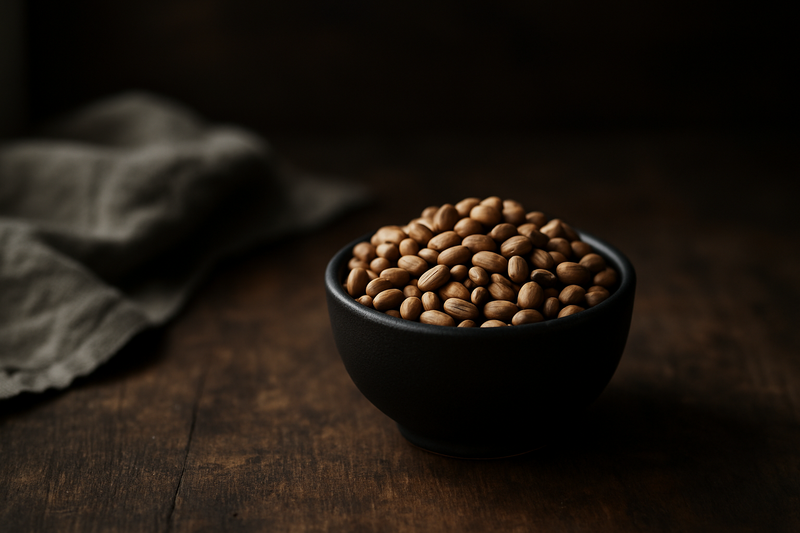
Tepary Beans · Photograph
Discover tepary beans health benefits and how to use them — from blood sugar support and heart health to high fiber and plant protein. Learn nutrition facts, safe cooking tips, and Sonoran-style prep ideas for this ancient desert legume.
Key Nutrients
% Daily Value based on 2,000 cal diet
Key active compounds and phytochemicals
- Soluble fiber — Dissolves in water to form a gel-like substance in the gut. Helps slow glucose absorption, lower LDL ("bad") cholesterol, and feed beneficial gut bacteria.
- Insoluble fiber — Does not dissolve in water; adds bulk to stool and promotes regular bowel movements.
- Phenolic compounds — Plant secondary metabolites (natural chemicals plants produce for protection) with antioxidant activity that may help reduce oxidative stress at the cellular level.
- Antioxidants — Compounds that neutralize free radicals (unstable molecules that can damage cells) and may support long-term metabolic health.
- Plant protein — Provides essential amino acids (protein building blocks) your body cannot make on its own; higher per serving than most common beans.
- Minerals — Meaningful amounts of calcium, iron, magnesium, phosphorus, potassium, and zinc, several of which appear to exceed levels found in everyday beans.
Buying guide: whole beans vs. flour vs. specialty products
Whole dried tepary beans are the most widely available form and the most versatile. They come in brown, white, and occasionally speckled varieties. Brown tepary beans have a slightly earthier, nuttier flavor; white tepary beans tend to be a bit creamier. Both behave similarly in cooking.
What to look for on the label:
- Source matters: Beans grown by Indigenous producers such as Ramona Farms (Pima community, Arizona) or sourced through seed-conservation organizations like Native Seeds/SEARCH support traditional agriculture and tend to be freshly harvested, which cuts cooking time.
- Check the harvest year if listed; older beans take longer to soften and may never fully tenderize.
- Certified organic or non-GMO labels are available but not universal; tepary beans are not a heavily conventionally farmed crop, so pesticide load is generally lower than commodity beans.
Tepary bean flour and protein concentrates exist in experimental and small-batch production but are not yet widely available in mainstream retail. They can be used to boost protein and fiber in baked goods, but this form hasn't been studied in clinical nutrition trials.
Canned tepary beans are rare but beginning to appear. If you find them, check sodium content and rinse thoroughly before use.
Bottom line on buying: Whole dried beans from a reputable Sonoran or Indigenous producer are your best starting point for flavor, nutrition, and supporting sustainable agriculture.
How to cook tepary beans Sonoran style
Tepary beans are denser than most common beans, and they need time. Rushing the process leaves you with chalky, hard beans — and a stomach that will remind you later.
Stovetop method (recommended)
- Sort through the dried beans and remove any stones or shriveled seeds.
- Rinse well under cold water.
- Soak in plenty of cold water for 8–12 hours (or overnight). Discard the soaking water.
- Cover with fresh water (about 3 cups water per 1 cup beans) and bring to a boil.
- Reduce heat, partially cover, and simmer gently for 2–4 hours, until completely tender. Taste-test frequently in the last hour.
- Season with salt only in the final 20–30 minutes — adding salt earlier can tighten the skin and extend cooking time.
Pressure cooker method Unsoaked tepary beans can be pressure cooked in approximately 35 minutes at high pressure with a natural release. Soaking first reduces this further. This is the most practical weeknight option.
Slow cooker method Soaked tepary beans can go into a slow cooker on low for 6–10 hours. Results are very tender and flavorful.
Traditional Sonoran preparation: simmer beans long and slow in water or light broth with onion, garlic, and a dried chile or two. Serve simply as a side dish or use as the base for soups, stews, or grain bowls. The beans hold their shape well and absorb surrounding flavors beautifully.
Prep and pairing ideas
Three practical pairings:
- Tepary beans + corn tortillas + avocado — A classic Sonoran combination. The corn supplies complementary amino acids (rounding out the protein profile), while avocado's healthy fats help absorb fat-soluble nutrients from both. Serve as a simple taco filling with lime and salsa.
- Tepary beans + brown rice + roasted green chile — Brown rice adds more fiber and B vitamins; together with tepary beans they form a complete protein. The green chile (a Sonoran staple) adds vitamin C, which enhances non-heme iron absorption from the beans — a useful pairing for anyone eating plant-based.
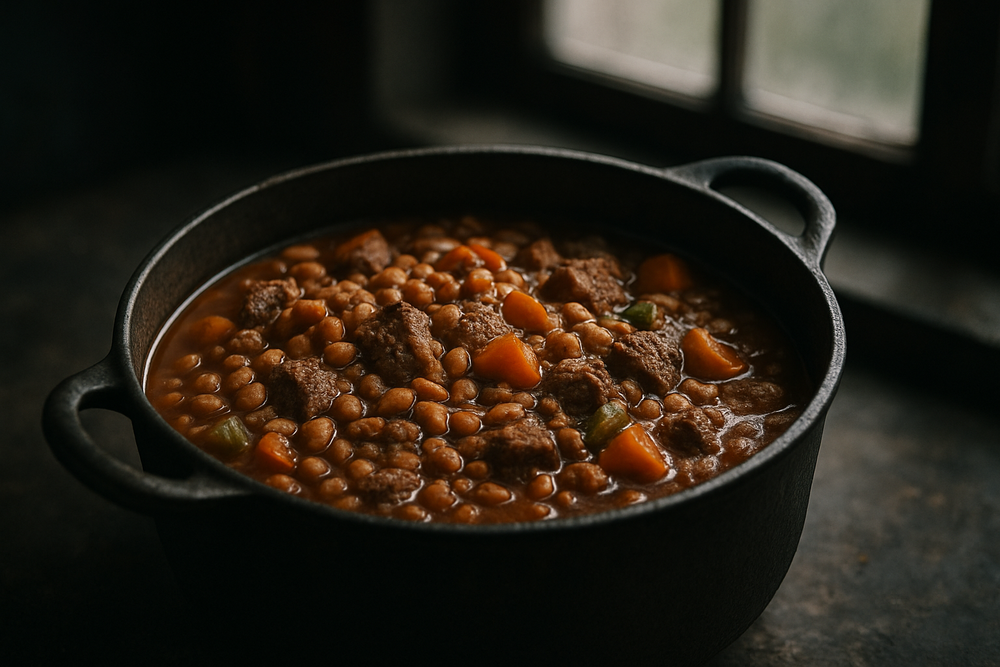
- Tepary beans + winter squash + cumin-spiced broth — Squash adds beta-carotene (a precursor to vitamin A) and natural sweetness that balances the earthy, nutty beans. Cumin's oils complement the bean's flavor and may ease digestive discomfort. This combination is the backbone of many traditional desert stews.
Bottom line
Tepary beans are a genuinely nutritious, culturally significant, and environmentally resilient food. Their combination of high fiber, solid plant protein, meaningful minerals, and a low glycemic index places them among the most nutrient-dense legumes you can eat. The direct clinical trial evidence for tepary-specific health outcomes is still emerging — most of what we know is extrapolated from their measurable nutrient profile and from the strong body of research on high-fiber beans and pulses generally. That doesn't mean the benefits aren't real; it means the science is still catching up to centuries of traditional knowledge.
If you're looking to add more plant-based protein, support your digestive health, or find a more blood-sugar-friendly carbohydrate, tepary beans are worth the extra soak time. Start slow, cook them thoroughly, and let them become a regular part of your rotation.
Want to explore more ingredients that support specific health goals? Browse the Plantopedia goals guide to find food-first strategies aligned with what matters most to you.
How Tepary Beans Compares
| Compared with | What's different |
|---|---|
| Tepary Beans vs. Pinto Beans | Teparies have significantly higher protein and fiber content and a nuttier, denser texture. |
| Tepary Beans vs. Navy Beans | White teparies are smaller and hold their shape better in high-heat desert cooking. |
Health Benefits
Things to Know
Must be fully cooked.: Raw or undercooked tepary beans contain lectins (natural proteins that can cause nausea, vomiting, and digestive distress). Thorough cooking destroys them. Never eat dry or soaked-but-uncooked beans.
Gas and bloating are common: when you first increase bean intake. Gradual introduction and rinsing soaked beans before cooking can help.
Kidney disease: Tepary beans contain meaningful potassium and phosphorus. If you have advanced chronic kidney disease (CKD) and are on a restricted mineral diet, talk to your nephrologist before eating them regularly.
Diabetes medications: The blood-sugar-lowering effect of high-fiber, low-GI foods may enhance the action of insulin or oral hypoglycemics. Monitor blood glucose and inform your care team.
Antihypertensives and diuretics: Potassium-rich foods can influence serum (blood) potassium, which may be relevant if you're on certain blood pressure or water-loss medications.
Legume allergy: Specific tepary bean allergy is rare, but cross-reactivity with other Phaseolus species (pinto, black, navy beans) is possible. If you have a known legume allergy, introduce cautiously.
IBS and sensitive digestion: The fermentable carbohydrates in beans (sometimes called FODMAPs — fermentable oligosaccharides, disaccharides, monosaccharides, and polyols) can trigger symptoms in sensitive individuals. A low-FODMAP dietitian can help you assess tolerance.
Pregnancy: Tepary beans are a good source of folate and plant protein, both valuable during pregnancy, but ensure they are always thoroughly cooked.
Warfarin (blood thinner): Tepary beans are not especially high in vitamin K compared to leafy greens, but any significant dietary change should be communicated to the clinician managing your anticoagulation.
Prep Ideas
- — **Tepary beans + corn tortillas + avocado** — A classic Sonoran combination. The corn supplies complementary amino acids (rounding out the protein profile), while avocado's healthy fats help absorb fat-soluble nutrients from both. Serve as a simple taco filling with lime and salsa.
- — **Tepary beans + brown rice + roasted green chile** — Brown rice adds more fiber and B vitamins; together with tepary beans they form a complete protein. The green chile (a Sonoran staple) adds vitamin C, which enhances non-heme iron absorption from the beans — a useful pairing for anyone eating plant-based.
- — **Tepary beans + winter squash + cumin-spiced broth** — Squash adds beta-carotene (a precursor to vitamin A) and natural sweetness that balances the earthy, nutty beans. Cumin's oils complement the bean's flavor and may ease digestive discomfort. This combination is the backbone of many traditional desert stews.
Glossary
Shop This Ingredient
Stock your pantry with quality tepary beans.
Buy on AmazonAs an Amazon Associate, Plantopedia earns from qualifying purchases. This costs you nothing extra and helps us keep the encyclopedia free.
Frequently Asked Questions
Heart and circulation No randomized controlled trials (the gold standard in nutrition research) have tested tepary beans directly on heart disease outcomes. However, the broader evidence on high-fiber legumes is robust: regular bean and pulse intake is consistently linked to lower LDL cholesterol, improved blood lipid profiles, and reduced cardiovascular risk. Tepary beans' high soluble fiber content is the likely driver here — soluble fiber forms a gel in the gut that binds cholesterol and helps carry it out of the body before it's absorbed. Their plant protein, magnesium, and potassium also align with nutrients associated with healthier blood pressure and arterial function. Evidence for tepary beans specifically is inferential rather than direct, but the biological mechanisms are well established for similar legumes. Digestive health and microbiome The human gut microbiome (the community of trillions of bacteria living in your intestines) thrives on fermentable fiber — and tepary beans deliver a lot of it. Insoluble fiber adds stool bulk and keeps things moving, which may help prevent constipation. Soluble fiber acts as a prebiotic (food for beneficial gut bacteria), supporting a healthy microbial balance. No tepary-specific microbiome studies exist yet, but these effects are well-documented for high-fiber beans generally. One honest caveat: all that fermentable fiber can also cause gas and bloating, especially if you're new to beans. Starting with smaller portions and drinking plenty of water helps. Blood sugar and metabolism This is arguably the strongest evidence area for tepary beans. Their glycemic index is estimated at 41–44 — lower than pinto beans, kidney beans, and most other common legumes. Glycemic index measures how quickly a food raises blood glucose (sugar) compared to pure glucose. A lower number means a slower, gentler rise. High fiber slows digestion and glucose absorption; ample plant protein further dampens the blood sugar response. For people managing type 2 diabetes or insulin resistance, low-GI, high-fiber foods are widely recommended by clinical guidelines. Important note: if you're on blood-sugar-lowering medication, adding high-fiber legumes may enhance the drug's effect, so let your healthcare provider know. Inflammation and recovery At a cellular level, tepary beans contain phenolic compounds and antioxidants that show anti-inflammatory properties in laboratory and compositional studies. Chronic low-grade inflammation (ongoing, low-level immune activation in the body) is a known contributor to heart disease, type 2 diabetes, and other long-term conditions. Broader legume research links higher pulse intake with lower markers of systemic inflammation. For tepary beans specifically, the evidence is early and mechanistic — meaning it comes from lab work and nutrient analysis rather than clinical trials — but it fits a consistent pattern seen across fiber-rich, antioxidant-containing plant foods.
There is no formally established clinical dose for tepary beans. Practical guidance comes from traditional use, culinary convention, and broader legume research. General starting range: ¼ to ½ cup cooked per meal, 3–5 times per week. This aligns with the amounts used in legume studies showing benefits for blood sugar, cholesterol, and gut health. If you're new to beans: Start with 2–3 tablespoons cooked and build up gradually over two to three weeks. This gives your gut microbiome time to adapt and significantly reduces gas and bloating. Upper practical range: 1 cup cooked per meal is common in traditional Sonoran cooking and is nutritionally reasonable for most healthy adults. Hydration matters: High-fiber foods pull water into the gut. Drink adequate water (aim for an extra glass or two on bean-heavy days) to keep things comfortable. If you have a specific health condition — diabetes, kidney disease, IBS — work with your dietitian or doctor to find the right amount and timing for your situation.
Quick Answers
Common questions, answered in a line.
Tepary beans are dense legumes that require 8–12 hours of soaking followed by 2–4 hours of simmering on the stovetop until tender. For a faster option, you can pressure cook unsoaked beans for about 35 minutes at high pressure with a natural release.
Tepary beans are among the most nutrient-dense legumes, containing higher levels of plant protein and fiber per serving than most common beans. They are also rich in essential minerals like calcium, iron, magnesium, phosphorus, potassium, and zinc.
Brown tepary beans offer a slightly earthier and nuttier flavor, while white tepary beans tend to be creamier in texture. Both varieties behave similarly during the cooking process and provide excellent nutrition, so the choice depends on your flavor preference.
You should salt tepary beans only in the final 20–30 minutes of cooking to ensure they soften properly. Adding salt too early in the process can tighten the bean skins and significantly extend the time it takes for them to become tender.
Tepary beans are a blood-sugar-friendly carbohydrate due to their low glycemic index (GI) and high soluble fiber content. These qualities help slow glucose absorption in the gut, which can support more stable blood sugar levels.
Always ensure tepary beans are fully cooked, as raw or undercooked beans contain lectins that cause nausea, vomiting, and digestive distress. People with kidney disease or those on blood pressure medications should also consult a doctor due to the beans' high potassium and phosphorus content.
For Readers in the USA
Local context — sourcing, seasonality, and regional notes.
Tepary beans are primarily grown in the Sonoran Desert regions of Arizona and New Mexico, where they are planted during the mid-to-late summer monsoon season. While they are a warm-climate crop, you can find dried beans year-round through specialty suppliers across the United States.
In the U.S., tepary beans are rarely found in conventional supermarkets but are widely available through Indigenous-owned brands like Ramona Farms, Southwest specialty retailers, and online seed-conservation groups. Look for them in health food stores or Co-ops in the American Southwest.
Tepary beans are a staple of the Tohono O’odham and Akimel O’odham (Pima) peoples' diets, often served at community gatherings in dishes like "poshol" or alongside frybread and saguaro fruit syrup. They are celebrated in the U.S. Southwest as a vital "slow food" that represents desert resilience.
Tepary beans are considered a climate-smart crop by the USDA because they are exceptionally drought-tolerant and can produce a harvest with very little irrigation. This makes them an increasingly popular choice for sustainable agriculture initiatives in the water-stressed Western United States.
AI Clinical Review
- Tepary beans are a drought‑tolerant, culturally important legume with a dense nutrient profile; emphasizing fiber, plant protein, and key minerals aligns with broader legume research.
- The discussion of blood‑sugar support is consistent with evidence that low‑GI, high‑fiber legumes can blunt post‑meal glucose spikes and aid cardiometabolic health.
- Cooking guidance (soak, fully simmer/pressure‑cook) and the reminder that thorough heat destroys problematic lectins are accurate and practical.
- Gradual introduction to reduce gas/bloating and the hydration tip reflect real‑world digestive tolerance issues many people experience with beans.
- Human trials specifically on tepary beans are limited; most health claims are appropriate extrapolations from studies on other beans and pulses rather than tepary‑only RCTs.
- Reported nutrition values (e.g., very high fiber per ½ cup) and glycemic index estimates can vary by variety, growing conditions, and preparation; standardized database entries are still sparse.
- Anti‑inflammatory/antioxidant benefits are based largely on compositional and lab data; clinical outcome data in people are not yet established for tepary beans.
- Safety: Always cook thoroughly (stovetop or pressure cooker). Undercooked beans can cause significant GI upset.
- How much: A practical pattern is ¼–½ cup cooked per meal, a few times per week; increase gradually to allow gut adaptation.
- Who should check with a clinician: People with diabetes on glucose‑lowering meds; those with chronic kidney disease or on ACE inhibitors/ARBs/potassium‑sparing diuretics due to potassium/phosphorus; individuals with IBS/FODMAP sensitivity or legume allergy.
- Form matters: Whole cooked beans have the best evidence base. Flours/protein concentrates and canned versions are less studied; watch sodium in canned products.
Requires long cooking; dense beans should be soaked and simmered until tender.
References
- USDA FoodData Central — bean and pulse nutrient data (fdc.nal.usda.gov)
- Harvard T.H. Chan School of Public Health Nutrition Source — Legumes & Pulses overview (nutritionsource.hsph.harvard.edu)
- PMC — Protein concentrates from tepary bean (Phaseolus acutifolius): composition and functional properties (pmc.ncbi.nlm.nih.gov)
- PMC — Assessment of genotoxicity and cytotoxicity of tepary bean extracts (pmc.ncbi.nlm.nih.gov)
- Semantic Scholar — Tepary bean: optimization and nutritional composition (pdfs.semanticscholar.org)
- Native Seeds/SEARCH — Celebration of tepary beans (cultural and nutritional context) (nativeseeds.org)
- Chapa-De Indian Health — Tepary beans: high protein and low glycemic index (chapa-de.org)
- Ramona Farms — Tepary bean cooking instructions (ramonafarms.com)
- Local First Arizona — Tepary beans: Arizona's superfood (localfirstaz.com)
- Sweetgrass Trading Co. — Five health benefits of tepary beans (sweetgrasstradingco.com)
Know Your Numbers
Eating healthy is a start. Now get to know your biomarkers.
Food changes bloodwork — inflammation, lipids, blood sugar and nutrient status all respond to what you eat. 59 markers from $59.
- Results in 7–10 days at 2,000+ Quest sites
- Licensed provider reviews every result
- One flat price, no membership, HSA/FSA eligible
Educational information only, not medical advice. Panels are ordered and reviewed through our licensed partner; Plantopedia may earn a commission.