Thimbleberry — health benefits and uses
An Indigenous and settler foraged berry, too delicate to ship commercially.
The Short Answer
Thimbleberries are safe to eat raw and provide 4.2 grams of fiber and 15 mg of Vitamin C per cup. They are prized for their tart, floral flavor and high antioxidant content, though they are too delicate for commercial shipping and are usually foraged.
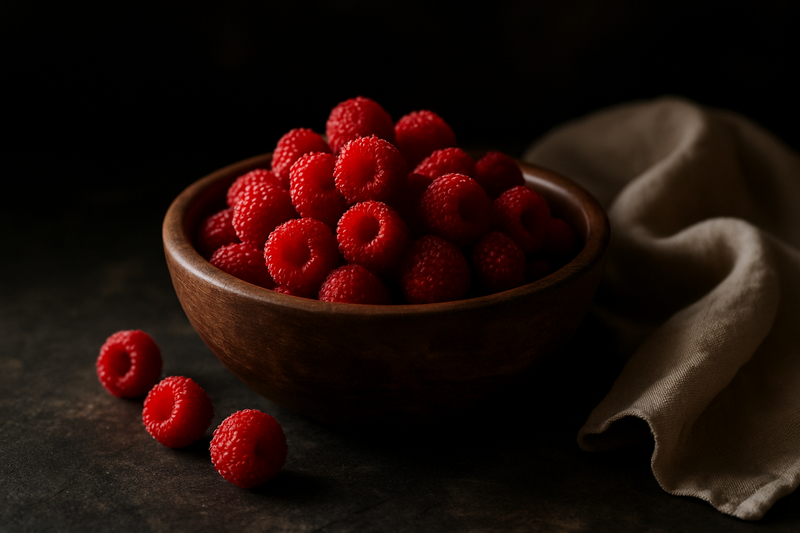
Thimbleberry · Photograph
Discover thimbleberry health benefits, nutrition facts, and safe ways to eat this wild bramble berry. Learn how thimbleberry antioxidants, vitamin C, and fiber compare to other berries — plus honest guidance on jam, blood sugar, and who should take caution.
Key Nutrients
% Daily Value based on 2,000 cal diet
Key active compounds
Thimbleberries owe most of their potential health value to a combination of vitamins and polyphenols. Here is a plain-English breakdown:
- Anthocyanins — The pigments that make the berries red. They act as antioxidants (molecules that neutralize cell-damaging free radicals) and may help modulate vascular function and inflammation based on studies of other berry species.
- Flavonols (quercetin and kaempferol) — A family of polyphenols found across Rubus berries. Linked to antioxidant and mild anti-inflammatory effects in human studies of mixed-berry diets.
- Catechins and other flavanols — A second class of phenolic compounds with strong antioxidant capacity; associated in research with reduced oxidative damage to blood fats and DNA.
- Tannins and phenolic acids — Astringent compounds found in many Rubus fruits and leaves. Traditionally used for digestive and wound-care purposes; human clinical data are limited.
- Vitamin C (ascorbic acid) — A water-soluble antioxidant that supports immune function, collagen production, and wound healing.
- Provitamin A carotenoids — Plant pigments the body converts to vitamin A, important for skin, vision, and immune function.
Buying guide
Fresh thimbleberries — Almost never found in supermarkets. Your best sources are local farmers' markets in Michigan, Wisconsin, or the Pacific Northwest in July and August, roadside foragers, or wilderness foraging with a reliable field guide. Look for berries that are deep red and intact; avoid soft, mushy, or moldy fruit. Eat within hours of picking.
Thimbleberry jam and preserves — Check the label for:
- Total sugars per serving (a 1 tbsp serving with fewer than 8 g of added sugar is more moderate)
- "Thimbleberry" as the first ingredient, not a fruit blend filler
- No artificial colorings — good thimbleberry jam should be naturally deep red
Frozen thimbleberries — Rare commercially, but occasionally available from specialty wild food suppliers. No added sugar is ideal. Store below −18 °C (0 °F) and use within 6–12 months for best polyphenol retention.
Supplements — No standardized thimbleberry extract or supplement exists. Any product claiming to be one should be approached skeptically, as there is no regulatory standard or clinical dose established.
Prep and pairing ideas
Thimbleberries are best kept simple. Their flavor — floral, tart, and slightly richer than a raspberry — does not need much help.
- Stir into morning oatmeal. A handful of fresh or frozen thimbleberries mashed into oats adds fiber, color, and polyphenols, plus natural sweetness that can let you reduce added sugar.
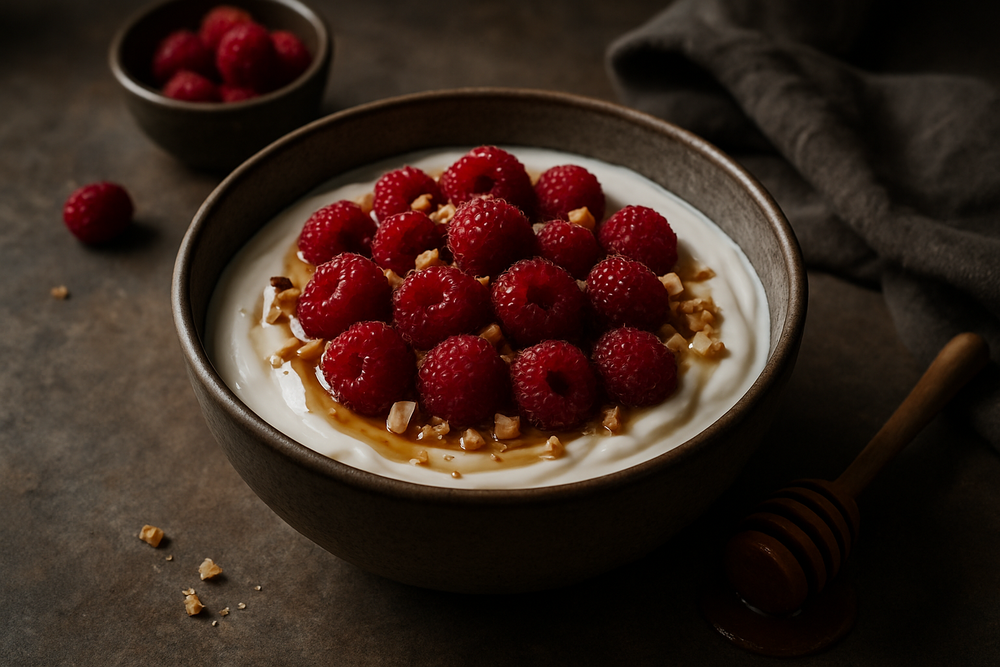
- Fold into plain yogurt. The acidity of yogurt balances the berry's sweetness and combines probiotics (beneficial gut bacteria) with the fruit's prebiotic fiber — a synergistic digestive pairing.
- Use jam as a glaze for roasted root vegetables. A thin coat of thimbleberry jam on carrots or beets before roasting adds fruity depth; because the quantity is small (about 1 tsp per serving), the added sugar impact is minimal.
Common pairings and why they work:
- Thimbleberry + lemon zest — Lemon's citric acid brightens the berry's floral notes and adds a small bonus hit of vitamin C. Works especially well in jams to help gelling and preserve color.
- Thimbleberry + oats — Oats bring beta-glucan (a soluble fiber linked to cholesterol management), which complements thimbleberry's insoluble seed fiber for a broader digestive benefit.
- Thimbleberry + dark chocolate — Both are anthocyanin-rich foods. A thimbleberry compote over a small square of 70%-plus dark chocolate makes a polyphenol-dense dessert without excessive added sugar if the jam is lightly sweetened.
Bottom line
Thimbleberry is a genuinely nutritious wild fruit that delivers meaningful fiber, a useful amount of vitamin C, and a compelling mix of antioxidant polyphenols in a very small calorie package. Its health story is honest: there are no human trials on thimbleberries themselves, but its nutrient and phytochemical profile closely mirrors that of raspberries and related berries, which do have supportive research for heart health, digestive regularity, and reduced oxidative stress. Fresh thimbleberries are a near-ideal whole food. Traditional thimbleberry jam is delicious and culturally significant, but it is a condiment — not a health supplement — because of its added sugar. If you can find fresh or frozen thimbleberries, eat them freely. If jam is your only option, enjoy it thoughtfully, and keep portions moderate if blood sugar is a concern.
Explore how thimbleberry fits into your broader eating goals at Plantopedia's goals guide.
How Thimbleberry Compares
| Compared with | What's different |
|---|---|
| Thimbleberry vs. Raspberry | Softer, seedier, and more floral with a hemispherical shape that falls apart easily. |
| Thimbleberry vs. Salmonberry | Significantly tarter and less sweet, with a distinct waxy or oily texture compared to thimbleberry. |
| Thimbleberry vs. Blackberry | Harder, glossy fruit with a large central core, whereas thimbleberries are hollow and velvet-like. |
Health Benefits
Things to Know
Correct identification is essential.: Thimbleberry (Rubus parviflorus) is generally safe, but wild berry misidentification can cause harm. Use a trusted regional field guide or go with an experienced forager.
Seed sensitivity: — The many small seeds can aggravate symptoms in people with diverticular disease, intestinal strictures, or irritable bowel syndrome. Start with a small amount if you have a sensitive digestive system.
Added sugar in jam: — If you have diabetes, insulin resistance, or are monitoring carbohydrate intake, account for the added sugar in traditional thimbleberry preserves and adjust portion size accordingly.
Rubus allergy cross-reactivity: — If you are allergic to raspberries, blackberries, or other Rubus berries, thimbleberries may trigger a similar reaction. Introduce them cautiously if you have known berry allergies.
Medication interactions (theoretical):
Antidiabetic drugs: Sweetened jam may raise blood glucose enough to affect dosing calculations; discuss with your prescriber.
Anticoagulants / antiplatelet drugs (e.g., warfarin, aspirin therapy): Like other berries, thimbleberries contain polyphenols that may mildly affect platelet function in laboratory settings. No clinically documented interaction exists, but mention berry intake to your healthcare provider if you are on blood thinners.
Laxatives or antidiarrheal drugs: High fiber intake can influence bowel habits; coordinate with your doctor if you are using these medications regularly.
Pregnancy and breastfeeding: — Ripe fruit in food amounts appears safe. Avoid leaf or root preparations — no safety data exists and possible toxic effects have been noted.
Children and immunocompromised individuals: — Wild-harvested berries carry a risk of contamination or misidentification. Wash fruit thoroughly and verify the species before offering to vulnerable individuals.
Prep Ideas
- — Stir into morning oatmeal. A handful of fresh or frozen thimbleberries mashed into oats adds fiber, color, and polyphenols, plus natural sweetness that can let you reduce added sugar.
- — Fold into plain yogurt. The acidity of yogurt balances the berry's sweetness and combines probiotics (beneficial gut bacteria) with the fruit's prebiotic fiber — a synergistic digestive pairing.
- — Use jam as a glaze for roasted root vegetables. A thin coat of thimbleberry jam on carrots or beets before roasting adds fruity depth; because the quantity is small (about 1 tsp per serving), the added sugar impact is minimal.
- — Thimbleberry + lemon zest — Lemon's citric acid brightens the berry's floral notes and adds a small bonus hit of vitamin C. Works especially well in jams to help gelling and preserve color.
- — Thimbleberry + oats — Oats bring beta-glucan (a soluble fiber linked to cholesterol management), which complements thimbleberry's insoluble seed fiber for a broader digestive benefit.
- — Thimbleberry + dark chocolate — Both are anthocyanin-rich foods. A thimbleberry compote over a small square of 70%-plus dark chocolate makes a polyphenol-dense dessert without excessive added sugar if the jam is lightly sweetened.
Glossary
Shop This Ingredient
Stock your pantry with quality thimbleberry.
Buy on AmazonAs an Amazon Associate, Plantopedia earns from qualifying purchases. This costs you nothing extra and helps us keep the encyclopedia free.
Frequently Asked Questions
Bear in mind throughout this section: no human trials have isolated thimbleberries as a single intervention. All benefits discussed are either inferred from nutrient content or extrapolated from research on other Rubus berries and berry polyphenols in general. Heart and circulation Thimbleberries contain vitamin C, potassium, dietary fiber, and anthocyanins — all of which appear in cardiovascular research on other fruits. A 2021 review published in Food Bioscience found that berry polyphenols can modestly improve blood pressure, endothelial function (the ability of blood vessel walls to relax), and LDL oxidation (a step in plaque formation) across randomized trials of mixed berries including raspberries and blackberries. Because thimbleberries share a similar phytochemical profile with those berries, similar benefits are plausible, but currently unproven for thimbleberry specifically. Digestive health and microbiome This is one area where the evidence is fairly strong — not for thimbleberries uniquely, but for dietary fiber broadly. At roughly 4.2 g of fiber per 100 g, thimbleberries rank alongside raspberries as a high-fiber fruit. Human studies consistently show that fruit fiber improves bowel regularity, stool bulk, and can feed beneficial gut bacteria (a process called prebiotic fermentation). The numerous tiny seeds in thimbleberries add extra insoluble fiber, which pushes food through the colon more efficiently. If you have a sensitive gut, that same seed load may cause discomfort — something to keep in mind. Blood sugar and metabolism Fresh thimbleberries are relatively low in sugars and high in fiber, a combination that typically blunts the speed at which glucose enters the bloodstream (a lower glycemic response). Studies of other Rubus berries show modest improvements in postprandial (after-meal) glucose and insulin, likely driven by polyphenols slowing carbohydrate digestion. However, thimbleberry jam is a different story — traditional recipes use substantial added sugar, which can spike blood glucose significantly despite the fruit's naturally favorable profile. If blood sugar is a concern, fresh or minimally sweetened preparations are the smarter choice. Inflammation and recovery The anthocyanins, quercetin, and catechins in thimbleberries have demonstrated antioxidant and anti-inflammatory activity in laboratory studies. Human trials with other berry species show that regular berry polyphenol intake can reduce markers of oxidative stress and inflammatory signaling. These findings are encouraging but indirect — thimbleberries have not been tested in clinical inflammation trials.
Fresh whole berries (best nutritional profile) Fresh thimbleberries deliver the full package: fiber, vitamins, and polyphenols with no added sugar and minimal processing. The catch is that they are extraordinarily fragile — they begin to break down within hours of picking. If you are foraging or buying locally, eat them the same day. Jam and preserves (the most common form — read the label) Because of their short shelf life and naturally high pectin content (pectin is the fiber-based gel that helps jam set), thimbleberries are most famous as a preserve, especially around the Great Lakes and in Michigan's Upper Peninsula. The trade-off is added sugar, which can be substantial — often 50 g or more per 100 g of jam. Some of the fruit's antioxidants survive cooking, but the fiber content drops and the glycemic impact rises sharply. One to two tablespoons of jam as a condiment is a reasonable, enjoyable use; eating jam by the spoonful as a "health food" is not quite the same thing. Frozen berries Freezing arrests spoilage and preserves most vitamins and polyphenols reasonably well. If you forage more than you can eat, spreading berries on a tray and then freezing them before bagging is the best approach to extend their use. Young shoots (spring vegetable) In some Indigenous traditions, young peeled shoots are eaten raw or cooked as a spring green, reportedly rich in vitamin C. This is a culinary practice, not an evidence-based supplement strategy, and requires confident plant identification. Leaf tea or poultice (use with caution) Leaves have been used in traditional medicine for digestive complaints and wound care. At least one modern source notes that improperly prepared leaves may be harmful, and there is no clinical safety data. Avoid leaf or root preparations unless guided by a qualified practitioner.
There is no established therapeutic dose for thimbleberries because no clinical trials have defined one. As a whole food, the practical guidance is simple: Fresh berries: ½ to 1 cup (50–100 g) on days you have access is a reasonable serving, in line with broader recommendations to eat 1½–2 cups of fruit daily (MyPlate, USDA). Thimbleberry jam or preserves: 1–2 tablespoons as a condiment is appropriate for most people. More than that starts to deliver significant added sugar without proportionally more fiber or polyphenols. Start small if you are seed-sensitive: Begin with a tablespoon or two of fresh berries and observe your digestive response before eating a full cup. Dried berries: Because drying concentrates sugar and energy, keep portions to about 2 tablespoons (roughly 20–25 g) as a starting point. No supplement dose: No standardized extract exists; avoid products claiming a precise "therapeutic" thimbleberry dose without peer-reviewed evidence. If eating thimbleberries as part of a varied, plant-rich diet, you do not need to count or track them precisely — simply enjoy them in season and choose fresh or lightly sweetened forms when possible.
Quick Answers
Common questions, answered in a line.
Thimbleberries are safe to eat when ripe and properly identified, though their high seed content may bother those with sensitive digestion. These wild berries are packed with vitamin C and antioxidants, but you should wash them thoroughly to avoid contamination.
Fresh thimbleberries are rarely sold in stores due to their fragility; you can usually only find them at local farmers' markets in July and August or by foraging. Look for deep red, intact berries in regions like the Pacific Northwest or Michigan.
Thimbleberries provide a nutritious mix of vitamin C, fiber, and antioxidant polyphenols like anthocyanins and flavonols. Their nutritional profile closely mirrors that of raspberries, which are linked to heart health and reduced oxidative stress.
If you have a raspberry or blackberry allergy, you should be cautious with thimbleberries as they belong to the same Rubus genus and may cause cross-reactivity. Introduce them slowly to ensure you do not experience an allergic reaction.
Thimbleberries contain a high amount of small seeds that may aggravate symptoms for individuals with diverticular disease, irritable bowel syndrome (IBS), or intestinal strictures. If you have a sensitive digestive system, start with a very small portion to test your tolerance.
While thimbleberry fruit is considered safe during pregnancy, you should strictly avoid thimbleberry leaf or root preparations due to a lack of safety data. Always wash wild-harvested berries thoroughly to remove potential contaminants before consuming.
People taking antidiabetic medications or blood thinners should consult their doctor before consuming large amounts of thimbleberry products. The added sugar in thimbleberry jam can affect blood glucose, and berry polyphenols may theoretically influence platelet function.
For Readers in the USA
Local context — sourcing, seasonality, and regional notes.
Thimbleberries (Rubus parviflorus) grow natively across the Pacific Northwest, the Great Lakes region (especially Michigan's Upper Peninsula), and parts of the Rocky Mountains. They are typically in season for a short window during July and August, depending on the elevation.
In the U.S., thimbleberry jam is most famous in Michigan's Upper Peninsula, where it is sold at roadside stands and specialty shops like the Jampot. It is considered a regional delicacy because the berries are too fragile to be shipped fresh to traditional grocery stores.
While the USDA does not have specific grading standards for thimbleberries like they do for strawberries, wild-harvested berries sold at U.S. farmers markets must still comply with local cottage food laws. Always look for vendors who follow FDA-recommended food safety practices for handling raw fruit.
Native American tribes across the West and Great Lakes regions have used thimbleberries for centuries, eating the young shoots as greens and using the berries and leaves for medicinal teas. Today, they remain a culturally significant wild forage crop in the Pacific Northwest and the Northwoods.
AI Clinical Review
- Clear on what’s known: thimbleberries are a low‑calorie, fiber‑rich fruit with vitamin C and polyphenols (including anthocyanins), similar to other Rubus berries.
- Appropriately cautious about evidence, noting there are no human trials on thimbleberry itself and drawing reasonable parallels from raspberry/blackberry research.
- Practical distinction between fresh fruit and jam, emphasizing added sugars and differing health impacts.
- Sensible, food-first guidance on portions that aligns with general fruit intake recommendations rather than proposing a “therapeutic dose.”
- Species‑specific data are limited: nutrient and phytochemical profiles for wild thimbleberry vary by region and ripeness, and USDA entries are sparse—so numbers are best viewed as estimates.
- Clinical outcomes (heart, glycemic, inflammation) are inferred from other berries; dose–response and bioavailability for thimbleberry pigments haven’t been tested in humans.
- Traditional uses of leaves/roots lack modern safety and efficacy data; benefits remain anecdotal.
- Identification and safety: eat only correctly identified ripe fruit; avoid leaf/root preparations in pregnancy, breastfeeding, or if immunocompromised due to unknown safety.
- Sugar matters: jam can be high in added sugars—keep portions small, especially if you have diabetes or insulin resistance.
- Gut considerations: the many small seeds add insoluble fiber; start with a small amount if you have IBS, diverticular disease, or strictures.
- Allergies/meds: possible cross‑reactivity if you’re allergic to other Rubus berries; mention high berry intakes to your clinician if you’re on anticoagulants/antiplatelets, and consider glucose effects if using antidiabetic medications.
Very fragile and seedy; safe when correctly identified.
References
- USDA MyPlate fruit recommendations — General guidance on fruit intake targets (myplate.gov)
- USDA FoodData Central — Nutrient data for Rubus species used to estimate thimbleberry values (fdc.nal.usda.gov)
- **USDA Forest Service FEIS profile for **Rubus parviflorus — Botanical, ecological, and ethnobotanical profile of thimbleberry (fs.usda.gov)
- Berry polyphenols and human health review (ScienceDirect, 2021) — Peer-reviewed summary of human evidence for berry polyphenols and cardiometabolic outcomes (sciencedirect.com)
- Practical Self Reliance — Thimbleberry identification, uses, and benefits — Foraging and culinary reference including traditional use and safety notes (practicalselfreliance.com)
- Indigenous Medicines (Cayoose Creek) — Thimbleberry chapter — Ethnobotanical documentation of traditional Indigenous uses (indigenousmedicinescayoosecreek.pressbooks.tru.ca)
- Specialty Produce — Thimble Berries information and facts — Culinary profile including flavor, texture, and culinary uses (specialtyproduce.com)
- Snoqualmie Tribe — Wildlife of the Month: Thimbleberry — Cultural note on jam-making tradition and natural pectin content (enr.snoqualmietribe.us)
- Fruitspedia — Thimbleberry nutrition and health benefits — Nutrient overview and general health claims (fruitspedia.com)
- Women Fitness — Health benefits of thimbleberries — Summary of vitamins, antioxidants, and traditional uses (womenfitness.net)
Know Your Numbers
Eating healthy is a start. Now get to know your biomarkers.
Food changes bloodwork — inflammation, lipids, blood sugar and nutrient status all respond to what you eat. 59 markers from $59.
- Results in 7–10 days at 2,000+ Quest sites
- Licensed provider reviews every result
- One flat price, no membership, HSA/FSA eligible
Educational information only, not medical advice. Panels are ordered and reviewed through our licensed partner; Plantopedia may earn a commission.