Black Garlic — health benefits and uses
Slow aging transforms garlic into a mellow, antioxidant-rich condiment prized across East Asia.
The Short Answer
Black garlic is an aged version of raw garlic known for its sweet, syrupy flavor and high concentration of antioxidants like S-allyl-cysteine. It contains roughly 40 calories and 9 grams of carbohydrates per 3-clove serving, offering a milder, gut-friendly
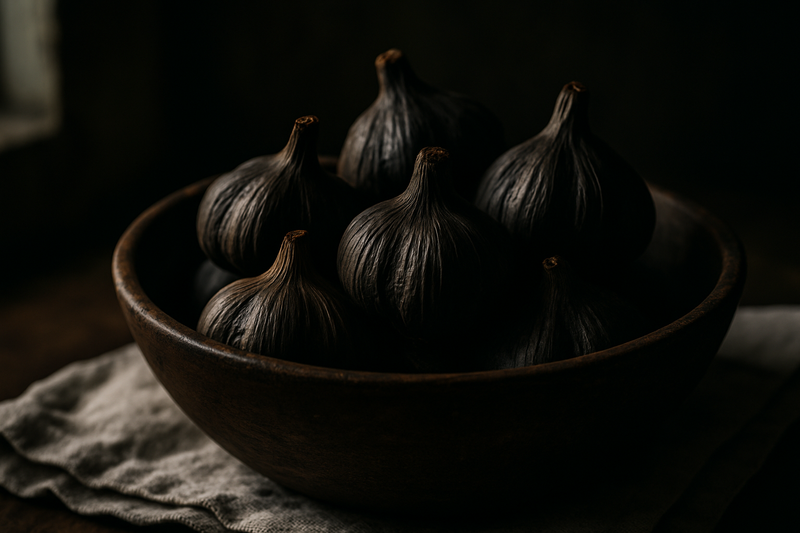
Black Garlic · Photograph
Discover black garlic benefits, nutrition facts, and the best ways to use it in everyday cooking. Learn what the research says about black garlic health benefits for heart health, gut health, blood sugar, and more — plus safety tips and who should be cautious.
Key Nutrients
% Daily Value based on 2,000 cal diet
Key active compounds
- S-allyl-cysteine (SAC) — A water-soluble organosulfur compound that forms during aging. Linked in preclinical studies to cardioprotective, neuroprotective, and antioxidant effects. One of black garlic's most researched bioactives.
- S-allyl-mercaptocysteine (SAMC) — Another organosulfur compound enriched in black garlic compared to raw garlic; may contribute to anti-inflammatory and antioxidant activity in lab models.
- Polyphenols — A broad family of plant compounds that become more concentrated during aging. They help neutralize free radicals (unstable molecules that can damage cells) and may support vascular and metabolic health.
- Flavonoids — A subgroup of polyphenols; black garlic shows higher total flavonoid content than fresh garlic and these contribute to its antioxidant and anti-inflammatory profile.
- Melanoidins — The dark brown polymers formed by Maillard reactions that give black garlic its color and sweet flavor. They have antioxidant and potential prebiotic (gut-bacteria-feeding) properties.
- 5-hydroxymethylfurfural (5-HMF) — A Maillard reaction intermediate present at higher levels in black garlic than fresh garlic; functions as an antioxidant in lab studies.
- Tetrahydro-β-carboline derivatives — Alkaloid-like compounds formed during aging that exhibit antioxidant and neuroactive effects in experimental models.
Prep and pairing ideas
Black garlic's deep, sweet, balsamic-like flavor integrates into a surprising range of dishes. Because it is already soft, it mashes with a fork in seconds.
Three practical pairings:
- Black garlic + tahini + lemon → Whisk into a salad dressing or drizzle for grain bowls. The nuttiness of tahini and the brightness of lemon balance the molasses-like depth of black garlic without overwhelming it.
- Black garlic + white miso + rice vinegar → Stir into a marinade for tempeh, tofu, or roasted mushrooms. Both black garlic and miso are fermented and umami-rich, making this pairing taste intensely savory with very little effort.
- Black garlic + roasted tomatoes + olive oil → Blend into a pasta sauce or bruschetta base. The acidity of tomatoes cuts through the sweetness, and together they create a sauce that tastes slow-cooked even on a weeknight.
Simple uses:
- Mash 1–2 cloves into hummus or white bean dip
- Stir into vinaigrettes in place of raw garlic
- Spread directly onto whole-grain toast like a savory jam
- Dissolve into soups and stews in the last few minutes of cooking
- Add to homemade nut-based sauces for depth without extra salt
Bottom line
Black garlic is what happens when patience meets chemistry. The slow aging process concentrates antioxidant compounds — especially S-allyl-cysteine and polyphenols — to levels that consistently exceed raw garlic in lab analyses. Early human trials suggest genuine promise for vascular health, and the milder flavor and lower allicin content make it more accessible to people who love garlic flavor but not its bite.
The honest caveat: most of the exciting findings still come from animal and lab studies, and the human trial base is small. Black garlic is not a treatment for any condition. It is, however, a genuinely nutrient-dense, deeply flavorful fermented allium food that fits naturally into a plant-forward diet — and one that may quietly earn its keep over time as the research matures.
One to three cloves a day, mashed into your dressings, spreads, and marinades, is a low-risk, high-flavor way to add it to your table.
How Black Garlic Compares
| Compared with | What's different |
|---|---|
| Black Garlic vs. Raw Garlic | Much higher antioxidant S-allyl-cysteine and a sweet, balsamic flavor without the pungent bite. |
| Black Garlic vs. Pickled Garlic | Softer, spreadable texture with savory umami notes instead of a sharp, acidic crunch. |
Health Benefits
Things to Know
Blood thinners and antiplatelet drugs: (warfarin, heparin, aspirin, clopidogrel): Garlic preparations at high doses may add to bleeding risk. If you take these medications, keep culinary amounts moderate and avoid high-dose aged garlic supplements without medical guidance.
Antihypertensive medications: Garlic has modest blood-pressure-lowering effects in some studies; concentrated supplements alongside these drugs could theoretically lower blood pressure further.
Diabetes medications and insulin: Emerging data suggest possible additive effects on blood glucose; monitor more carefully if adding regular large amounts.
Other herbal anticoagulants: (high-dose fish oil, ginkgo, high-dose vitamin E): Cumulative effects on clotting are possible with concentrated garlic products.
Garlic allergy or intolerance: Even aged forms can trigger reactions in people sensitized to Allium species.
Pregnancy and breastfeeding: Culinary amounts are considered safe; high-dose aged garlic extracts have limited safety data for these groups.
Pre-surgery: Standard practice is to stop high-dose garlic supplements at least one to two weeks before scheduled surgery due to bleeding risk. Discuss with your surgeon.
Sensitive digestion / GERD: Black garlic is gentler than raw garlic, but large amounts can still cause gas, bloating, or heartburn in some people.
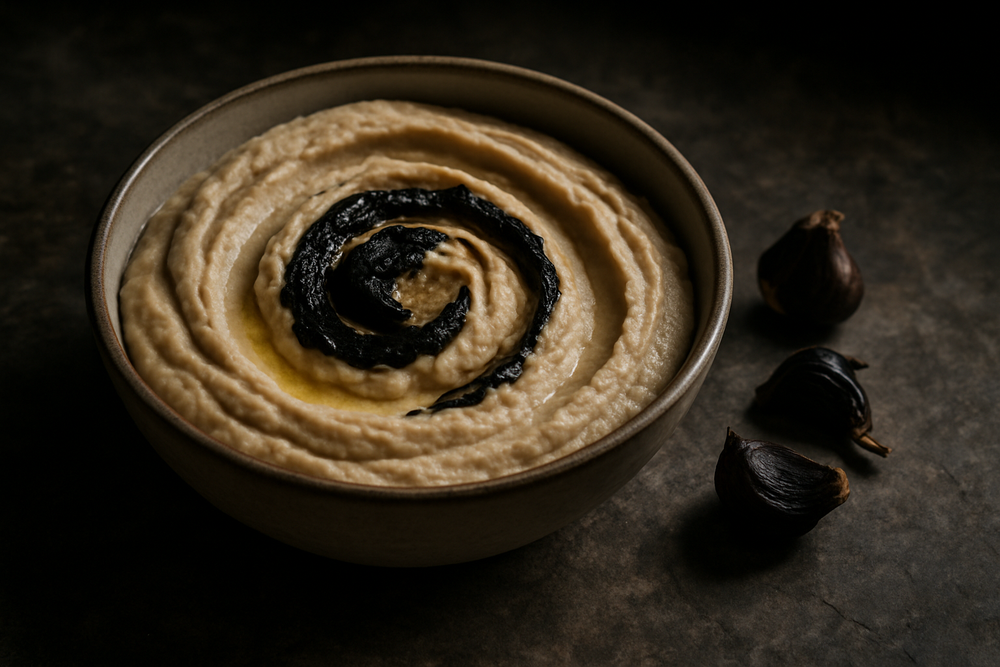
Prep Ideas
- — **Black garlic + tahini + lemon** → Whisk into a salad dressing or drizzle for grain bowls. The nuttiness of tahini and the brightness of lemon balance the molasses-like depth of black garlic without overwhelming it.
- — **Black garlic + white miso + rice vinegar** → Stir into a marinade for tempeh, tofu, or roasted mushrooms. Both black garlic and miso are fermented and umami-rich, making this pairing taste intensely savory with very little effort.
- — **Black garlic + roasted tomatoes + olive oil** → Blend into a pasta sauce or bruschetta base. The acidity of tomatoes cuts through the sweetness, and together they create a sauce that tastes slow-cooked even on a weeknight.
- — Mash 1–2 cloves into hummus or white bean dip
- — Stir into vinaigrettes in place of raw garlic
- — Spread directly onto whole-grain toast like a savory jam
- — Dissolve into soups and stews in the last few minutes of cooking
- — Add to homemade nut-based sauces for depth without extra salt
Glossary
Shop This Ingredient
Stock your pantry with quality black garlic.
Buy on AmazonAs an Amazon Associate, Plantopedia earns from qualifying purchases. This costs you nothing extra and helps us keep the encyclopedia free.
Frequently Asked Questions
Heart and circulation This is where the most encouraging human evidence sits. A 2023 clinical trial published in Nutrients found that adults who consumed a standardized black garlic product for several weeks showed improved endothelial function — a measure of how well the inner lining of blood vessels dilates and contracts, which is an early indicator of cardiovascular health. Several smaller trials and reviews also report improvements in lipid profiles (cholesterol and triglyceride levels) and blood pressure in some participants. That said, trials are still few, often small, and varied in the dose and form of black garlic used. Reviews consistently describe the cardiovascular evidence as promising but not yet conclusive. Black garlic is best viewed as a supportive food choice in the context of an overall heart-healthy diet — not a replacement for prescribed therapy. Digestive health and microbiome Direct human evidence here is limited, but black garlic's track record in the gut is generally favorable. Because the aging process reduces allicin content, most people find it far gentler on the stomach and less likely to cause heartburn or reflux than raw garlic. Animal and lab studies suggest black garlic's melanoidins may act as prebiotics — fibers and compounds that feed beneficial gut bacteria — and that it may help reduce oxidative stress in the gut lining. Human trials specifically targeting microbiome outcomes have not yet been published, so these findings are preliminary. Blood sugar and metabolism Animal studies are consistent: black garlic extracts improve fasting glucose, reduce insulin resistance, and lower oxidative stress markers in diabetic rodent models. In humans, the picture is much less clear. Reviews of garlic preparations for blood sugar control describe the clinical evidence as "not convincing," and no large, well-controlled human trial has specifically tested black garlic for glycemic outcomes. If you have diabetes, continue relying on your medical team's guidance and consider black garlic a flavorful food addition rather than a glucose-management tool. Inflammation and recovery Black garlic is rich in compounds that, in lab and animal studies, reduce pro-inflammatory signaling molecules (cytokines) and inhibit a key inflammation pathway called NF-κB. Human studies measuring inflammatory markers after black garlic consumption are limited and too small to draw firm conclusions. The anti-inflammatory activity is biologically plausible given the phytochemical content, but it has not been demonstrated consistently in people yet. Immune support Reviews highlight black garlic's immunomodulatory (immune-regulating) potential, attributed to SAC, polyphenols, and flavonoids. Most evidence comes from mechanistic and animal research. Human studies on cold and flu prevention or immune cell activity are sparse. As with other antioxidant-rich plant foods, regular consumption as part of a varied diet likely contributes to general immune resilience, though specific immune outcome claims are not yet supported by clinical evidence.
The heart-health-focused eater Already eating a plant-rich diet and looking for small, evidence-supported additions Wants to reduce saturated fat without sacrificing flavor — black garlic's umami depth means less need for heavy sauces or salt Interested in supporting vascular health with foods that have at least some human trial data behind them The garlic lover with a sensitive stomach Loves garlic's flavor but finds raw garlic triggers heartburn, reflux, or digestive discomfort Wants the phytochemical benefits of allium vegetables in a gentler form Enjoys experimenting with fermented and aged foods as part of a gut-supportive eating pattern
Whole aged cloves are the most natural, least processed option. You get the full complement of phytochemicals, fiber, and flavor. They keep well in the fridge once a bulb is opened and are easy to mash, slice, or spread. Black garlic paste or puree is convenient for blending into dressings, marinades, and dips without any knife work. Check labels on commercial pastes — some add salt, oil, or preservatives. Black garlic powder offers long shelf life and easy seasoning, but processing may reduce some heat-sensitive compounds. It is a reasonable option when fresh cloves are not available. Aged black garlic extract capsules are used in most clinical research, making dosing more consistent. However, supplements are not regulated as tightly as foods, and the evidence base does not yet clearly favor supplements over the whole food. For most people, whole cloves or paste are the better starting point. Buying guide tips: Look for single-ingredient black garlic with no fillers, added sulfites, or excessive sodium (some commercial products add salt). Whole bulbs should feel firm and dry, not sticky or moldy on the outside. Peeled cloves packed in small jars are convenient but compare the sodium content between brands. For supplements, look for products that list a standardized SAC content or that have been independently tested by a third-party certifier (such as NSF or USP).
No precise therapeutic dose has been established for black garlic as a whole food. Here is what current evidence and culinary practice suggest: Culinary range: 1–3 whole cloves (roughly 5–15 g) per day is the most common intake in both everyday cooking and smaller observational reports. This amount delivers flavor and a meaningful dose of SAC and polyphenols without approaching doses associated with side effects. Clinical trial range: Studies have used standardized aged black garlic products delivering roughly 5–20 g of cloves or equivalent extracts daily. These trials are small and short-term, so they do not establish a proven optimal dose. Starting guidance: If you are new to black garlic, start with one clove or one teaspoon of paste and see how your digestion responds over a few days before increasing. The reduced allicin content means most people tolerate it well from the start, but individual reactions vary. Supplements: Doses vary widely across products. If you choose a supplement, follow the manufacturer's guidance and — if you take medications — check with your pharmacist or doctor first. Curious about how fermented foods fit into your overall health goals? Browse the Plantopedia goals guide for evidence-based eating patterns.
Quick Answers
Common questions, answered in a line.
Black garlic contains high levels of S-allyl-cysteine (SAC), polyphenols, flavonoids, and melanoidins. These compounds are concentrated during the aging process and are linked to antioxidant, anti-inflammatory, and cardioprotective effects in various studies.
Black garlic is described as having a deep, sweet, balsamic-like flavor with a molasses-like depth and a savory umami profile. Unlike raw garlic, it lacks the sharp "bite," making it much milder and more accessible for various culinary uses.
Black garlic can be mashed into hummus, whisked into salad dressings with tahini and lemon, or stirred into soups and stews during the final minutes of cooking. Its soft texture also allows it to be spread directly onto toast like a savory jam or blended into pasta sauces.
People taking blood thinners, antiplatelet drugs, or antihypertensive medications should be cautious with black garlic due to potential additive effects on bleeding risk and blood pressure. Those with garlic allergies or those scheduled for surgery should also consult medical guidance.
Black garlic contains melanoidins, which are dark brown polymers formed by Maillard reactions that possess potential prebiotic properties. These compounds may help support digestive health by feeding beneficial gut bacteria.
Black garlic contains significantly higher concentrations of antioxidants, such as S-allyl-cysteine and polyphenols, compared to raw garlic. While raw garlic is high in allicin, the aging process of black garlic converts and concentrates these compounds into more stable, water-soluble forms.
For Readers in the USA
Local context — sourcing, seasonality, and regional notes.
You can find black garlic at major U.S. retailers like Whole Foods Market, Trader Joe's, and Wegmans, as well as at specialty Asian grocers like H Mart. Many local health food stores and online marketplaces also stock whole bulbs, peeled cloves, and fermented pastes year-round.
Black garlic is available year-round in the U.S. because it is a processed product, though its raw material—hardneck and softneck garlic—is typically harvested in mid-to-late summer. California produces the vast majority of U.S. garlic, ensuring a steady domestic supply for the aging process.
Look for the USDA Organic seal to ensure the garlic was grown without synthetic pesticides and processed according to federal organic standards. While the Maillard reaction that creates black garlic is natural, third-party certifications help verify that no artificial additives or preservatives were used during the aging phase.
In the U.S., black garlic has transitioned from a specialty item in high-end restaurant kitchens to a popular "superfood" used in everything from BBQ sauces to vegan spreads. It is particularly celebrated in the American culinary scene for its ability to add "umami" without the pungent breath associated with raw garlic.
AI Clinical Review
- Clearly explains what black garlic is (slowly aged garlic) and why it tastes milder yet tests higher on antioxidant measures, highlighting S‑allyl‑cysteine (SAC) and polyphenols.
- Accurately characterizes the human evidence as most promising for vascular health (endothelial function), without overstating effects on blood pressure or lipids.
- Offers practical intake guidance (about 1–3 cloves or ~1 Tbsp paste) and sensible culinary-first use before considering supplements.
- Notes key safety considerations, including potential interactions with blood thinners and cardiometabolic medications, and that black garlic is often gentler on digestion than raw garlic.
- Cardiovascular benefits beyond endothelial function remain based on small, short trials using varied products and doses; it’s too early to define an optimal regimen or claim superiority over raw garlic.
- Blood sugar and metabolic effects are promising mainly in animal models; dedicated, larger human studies specific to black garlic are limited.
- Gut microbiome and anti‑inflammatory/immune claims are biologically plausible but rely largely on preclinical data; consistent human biomarker or clinical outcome data are sparse.
- Dose/practical use: starting with 1 clove (~5 g) and titrating up to 1–3 cloves (5–15 g) daily is reasonable; supplement doses vary and should list standardized SAC when possible.
- Form matters: whole cloves or paste preserve the full food matrix; powders can lose some heat‑sensitive components; commercial pastes may add sodium/sweeteners—check labels.
- Safety: people on anticoagulants/antiplatelets, antihypertensives, or diabetes medications should discuss regular use of high‑dose products with a clinician; stop concentrated supplements before planned surgery.
- Special populations: pregnancy and breastfeeding—stick to culinary amounts due to limited safety data; those with allium allergy or sensitive GI tracts should introduce gradually and monitor tolerance.
Concentrated flavor; a little adds deep umami.
References
- USDA FoodData Central — garlic and black garlic nutrition data (fdc.nal.usda.gov)
- Black garlic and its bioactive compounds on human health (comprehensive review) (pmc.ncbi.nlm.nih.gov)
- Psychochemical changes and functional properties of black garlic during aging (review) (pmc.ncbi.nlm.nih.gov)
- Effect of black garlic consumption on endothelial function — human clinical trial (pmc.ncbi.nlm.nih.gov)
- Anti-cancer and anti-inflammatory properties of black garlic (review) (pmc.ncbi.nlm.nih.gov)
- Physicochemical and antioxidant properties of black garlic vs raw garlic (analytical study) (pmc.ncbi.nlm.nih.gov)
- Composition analysis and antioxidant properties of black garlic (PubMed trial) (pubmed.ncbi.nlm.nih.gov)
- Nutritional, biological, and therapeutic properties of black garlic: a critical review (tandfonline.com)
- Black garlic and its therapeutic benefits (IntechOpen chapter) (intechopen.com)
- WebMD — health benefits of black garlic (safety and general health overview) (webmd.com)
Know Your Numbers
Eating healthy is a start. Now get to know your biomarkers.
Food changes bloodwork — inflammation, lipids, blood sugar and nutrient status all respond to what you eat. 59 markers from $59.
- Results in 7–10 days at 2,000+ Quest sites
- Licensed provider reviews every result
- One flat price, no membership, HSA/FSA eligible
Educational information only, not medical advice. Panels are ordered and reviewed through our licensed partner; Plantopedia may earn a commission.