Blue Corn — health benefits and uses
A sacred grain of the Hopi and other Southwestern Native peoples.
The Short Answer
Blue corn is a nutrient-dense heirloom grain containing anthocyanin antioxidants, 9g of protein, and 7g of fiber per 1/3 cup serving. It has a lower glycemic index and more resistant starch than standard yellow corn, making it a better choice for blood sugar
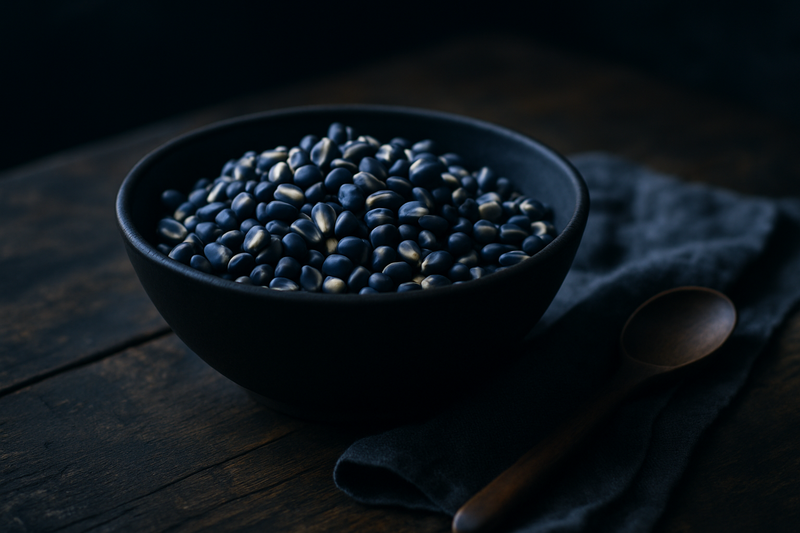
Blue Corn · Photograph
Discover blue corn health benefits and nutrition facts, from its anthocyanin antioxidants and lower glycemic index to how nixtamalized blue corn masa compares to regular cornmeal. Learn how to use blue corn flour for tortillas and cornbread, who should take care, and what the science actually says.
Key Nutrients
% Daily Value based on 2,000 cal diet
Key active compounds in blue corn
- Anthocyanins (cyanidin-based glycosides) — Water-soluble flavonoid pigments responsible for the blue-purple color. In experimental models they show antioxidant, anti-inflammatory, blood-sugar-lowering, and lipid-lowering activity. Flavonoids are a broad family of plant compounds with antioxidant properties.
- Phenolic acids (ferulic acid, p-coumaric acid) — Polyphenols found in the outer layers of the kernel. They act as antioxidants and may support vascular health; retained best in whole-grain (unrefined) forms.
- Carotenoids (lutein, zeaxanthin) — Fat-soluble pigments present beneath the anthocyanin layer. Best known for supporting eye health and acting as antioxidants.
- Resistant starch — A fraction of starch that the small intestine cannot break down. It passes to the colon where gut bacteria ferment it, producing beneficial short-chain fatty acids and slowing glucose release. Blue corn tends to have more resistant starch than white or yellow corn varieties.
Prep and pairing ideas
Blue cornmeal has a slightly nuttier, earthier flavor than yellow cornmeal and a beautiful slate-blue color that shifts toward lavender-purple when baked (due to the pH change from leavening agents — a fun kitchen chemistry moment, not a sign of spoilage).
Simple ways to use it:
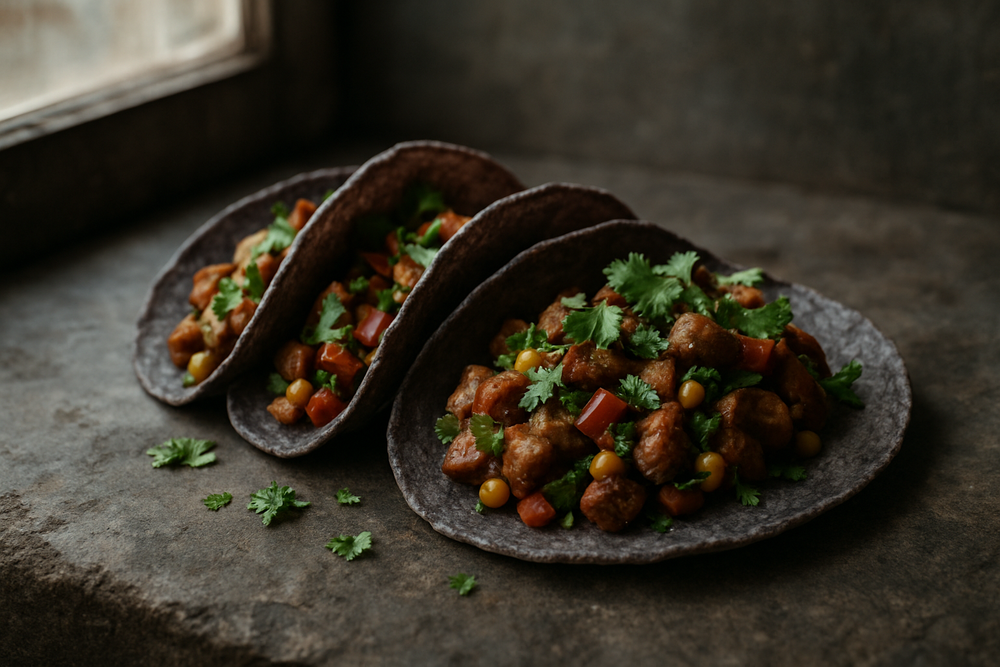
- Blue corn tortillas: Mix blue masa harina with warm water and a pinch of salt; press and cook on a dry comal or cast-iron skillet. Use as a base for tacos, enchiladas, or alongside eggs.
- Blue cornmeal porridge (atole-style): Simmer whole blue cornmeal in water or unsweetened plant milk with a cinnamon stick. The color is striking and the resistant starch makes it more filling than refined porridge.
- Blue corn cornbread: Substitute blue cornmeal 1:1 for yellow cornmeal in any standard cornbread recipe. Pair with bean chili — the combination of whole-grain corn and legumes creates a complete amino acid profile.
Common pairings and why they work
| Pairing | Why it works |
|---|---|
| Blue corn tortillas + black beans | Legumes supply the lysine amino acid that corn is naturally lower in, creating a more complete plant protein when eaten together. |
| Blue cornmeal porridge + pumpkin seeds | Adds zinc, healthy fats, and extra magnesium — nutrients blue corn already contains, amplified by the seeds. |
| Blue corn chips + guacamole | The monounsaturated fats in avocado help absorb fat-soluble carotenoids (lutein, zeaxanthin) from the corn; a genuinely functional pairing, not just a tasty snack. |
Bottom line
Blue corn is a nutritionally meaningful heirloom whole grain that earns its place in a food-as-medicine approach for several concrete reasons: it delivers a genuine antioxidant payload (anthocyanins) alongside the fiber, minerals, and B vitamins of any whole grain; its nixtamalized form (blue masa) has measurably better nutrient availability than plain ground corn; and head-to-head comparisons with white corn tortillas give it a real, if modest, glycemic advantage. The caveats are equally important: most of the exciting mechanistic findings come from lab and animal studies, not large human trials; it is still a carbohydrate-rich food; and the gluten-free claim only holds when you verify cross-contact controls on the label. Used as a staple whole grain in a varied diet, blue corn is a genuinely nourishing choice with a compelling phytochemical story that food science is only beginning to fully understand.
How Blue Corn Compares
| Compared with | What's different |
|---|---|
| Blue Corn vs. Yellow Corn | Contains anthocyanin antioxidants and has a lower glycemic index than yellow corn. |
| Blue Corn vs. White Rice | Lower in protein and fiber, and lacks the specific blue pigments found in corn. |
Health Benefits
Things to Know
Digestive adjustment: Whole grains and resistant starch increase gut fermentation. If you are not used to much fiber, introduce blue corn gradually and drink plenty of water to avoid gas and bloating.
Celiac disease / gluten sensitivity: Corn itself is safe, but verify the "certified gluten-free" label on any packaged product.
Corn allergy: Blue corn will trigger the same response as any other corn variety if you have a corn allergy.
Diabetes and carbohydrate counting: Blue corn is still a significant source of carbohydrates. A lower glycemic index does not mean unlimited portions. If you take insulin or oral glucose-lowering drugs, adjustments may be needed — speak with your care team.
Chronic kidney disease (CKD): Whole blue corn is a meaningful source of phosphorus and potassium. People on a phosphorus- or potassium-restricted diet should account for these when planning meals.
IBS and sensitive digestion: Resistant starch can worsen symptoms in some people with irritable bowel syndrome, especially during a flare. Introduce slowly and monitor.
Pregnancy and supplements: Normal food-level blue corn intake is considered safe. There is no safety data for concentrated blue corn or anthocyanin extracts in pregnancy; stick to food portions.
Medications and fiber timing: High-fiber foods can slow the absorption of certain oral medications. If you take medications on an empty stomach or at timed intervals, space them at least 1–2 hours from high-fiber meals.
Blue corn extracts are not standardized: Animal study doses cannot be directly translated to human supplement use.
Best Forms
Blue cornmeal treated with *cal* (calcium hydroxide, or slaked lime) during a traditional process called nixtamalization. This unlocks niacin that would otherwise pass through your body unused, improves mineral absorption, and softens the kernel. Best for tortillas and tamales. Look for "whole grain" on the label and a short ingredient list.
Retains the bran and germ; use for porridge, polenta-style dishes, or cornbread. Check that "whole grain" or "whole blue corn" appears first in the ingredients.
Can be boiled, roasted, or used in soups and stews. Retains most nutrients, though prolonged high heat reduces anthocyanins.
Convenient, lower glycemic index than white corn tortillas, and genuinely whole-grain when made from masa harina. A practical everyday choice.
May retain some anthocyanins and minerals, but frying adds significant fat and often sodium. Fine occasionally; not an ideal way to meet whole-grain goals daily.
Used only in research settings to isolate phytochemicals. No standardized supplement dose exists for human use.
Prep Ideas
- — **Blue corn tortillas:** Mix blue masa harina with warm water and a pinch of salt; press and cook on a dry comal or cast-iron skillet. Use as a base for tacos, enchiladas, or alongside eggs.
- — **Blue cornmeal porridge (atole-style):** Simmer whole blue cornmeal in water or unsweetened plant milk with a cinnamon stick. The color is striking and the resistant starch makes it more filling than refined porridge.
- — **Blue corn cornbread:** Substitute blue cornmeal 1:1 for yellow cornmeal in any standard cornbread recipe. Pair with bean chili — the combination of whole-grain corn and legumes creates a complete amino acid profile.
Shop This Ingredient
Stock your pantry with quality blue corn.
Buy on AmazonAs an Amazon Associate, Plantopedia earns from qualifying purchases. This costs you nothing extra and helps us keep the encyclopedia free.
Frequently Asked Questions
Heart and circulation There are no large, long-term human trials using blue corn as a primary heart health intervention. However, the indirect evidence is encouraging. In a rat model of metabolic syndrome, blue maize extract improved systolic blood pressure, raised HDL cholesterol (the "good" kind), and reduced triglycerides — all meaningful cardiovascular risk markers. Reviews of pigmented corn varieties attribute these effects largely to anthocyanins and phenolic acids acting as antioxidants and reducing endothelial inflammation (irritation of blood vessel linings). As a whole grain replacing refined starch, blue corn also supports heart health in the way all whole grains do: by providing fiber that modestly lowers LDL cholesterol. Digestive health and microbiome Blue corn's higher resistant starch content is the key story here. Prebiotic resistant starch feeds beneficial bacteria in the colon, which in turn produce short-chain fatty acids that nourish the gut lining and regulate inflammation. Broader resistant starch research (not specific to blue corn) links higher intake to improved glucose tolerance (how well the body manages blood sugar), better satiety, and a more diverse gut microbiome. Direct human trials specifically on blue corn and gut outcomes have not yet been published, so these benefits are plausible but not confirmed. Blood sugar and metabolism This is the area with the most human-relevant data for blue corn. A comparative study found that blue corn tortillas had approximately 20% more protein and lower starch digestibility than white corn tortillas, resulting in a meaningfully lower glycemic index — a measure of how quickly a food raises blood glucose. The difference is attributed to the combination of higher protein, more resistant starch, and anthocyanins all slowing digestion. That said, blue corn is still a carbohydrate-rich food, and portion size and overall diet pattern remain the main levers for blood sugar management. This is not a substitute for medical treatment of diabetes. Inflammation and recovery In cell and animal studies, anthocyanins and polyphenols extracted from blue and purple corn reduce levels of inflammatory signaling molecules (such as certain cytokines — chemical messengers that promote inflammation) and protect cells against oxidative damage. These are meaningful mechanistic findings, but controlled human studies measuring systemic inflammatory markers after eating blue corn foods have not been published. Evidence here is extrapolated from the broader anthocyanin literature.
Corn is naturally gluten-free, and blue corn is no exception. For people with celiac disease or non-celiac gluten sensitivity, this makes blue corn a valuable whole-grain staple — but only when the product is certified gluten-free, because cross-contact with wheat, barley, or rye during milling or packaging is common in facilities that handle multiple grains. Forms ranked from most to least nutritious for everyday use: Nixtamalized blue masa harina — Blue cornmeal treated with cal (calcium hydroxide, or slaked lime) during a traditional process called nixtamalization. This unlocks niacin that would otherwise pass through your body unused, improves mineral absorption, and softens the kernel. Best for tortillas and tamales. Look for "whole grain" on the label and a short ingredient list. Whole blue cornmeal (stone-ground) — Retains the bran and germ; use for porridge, polenta-style dishes, or cornbread. Check that "whole grain" or "whole blue corn" appears first in the ingredients. Whole dried blue corn kernels — Can be boiled, roasted, or used in soups and stews. Retains most nutrients, though prolonged high heat reduces anthocyanins. Blue corn tortillas — Convenient, lower glycemic index than white corn tortillas, and genuinely whole-grain when made from masa harina. A practical everyday choice. Blue corn chips — May retain some anthocyanins and minerals, but frying adds significant fat and often sodium. Fine occasionally; not an ideal way to meet whole-grain goals daily. Blue corn or blue maize extracts — Used only in research settings to isolate phytochemicals. No standardized supplement dose exists for human use.
People managing blood sugar or metabolic syndrome The lower glycemic index of blue corn tortillas compared with white corn or white flour tortillas may help blunt post-meal glucose spikes. Higher protein content (for a corn) adds a mild satiety boost. Still counts toward daily carbohydrate intake — discuss portion sizing with a dietitian if you take insulin or glucose-lowering medications. People following a gluten-free diet who want more whole-grain variety Blue corn is a whole grain that can replace refined white rice flour or plain masa in many recipes. Provides fiber, zinc, iron, and B vitamins that some gluten-free diets fall short on. Choose certified gluten-free products if you have celiac disease.
General daily reference ranges (food, not supplements): Dry blue cornmeal or blue masa harina: 30–60 g (roughly ¼ to ½ cup dry) per meal is a typical portion, consistent with standard grain servings. Blue corn tortillas: 1–3 tortillas per meal, depending on size and your total grain budget for the day. Daily grain goal context: Major dietary guidelines (USDA, MyPlate) recommend that at least half of total daily grain intake come from whole grains. For a 2,000-calorie diet, that is roughly 3 ounce-equivalents of whole grains per day; blue corn counts toward this. Start low guidance: If you are new to high-fiber or resistant-starch foods, start with one serving (one tortilla or ¼ cup dry cornmeal) per day for the first week and increase gradually. This gives your gut microbiome time to adapt without excessive gas or bloating. There is no established therapeutic dose for blue corn as a supplement. Do not translate animal study extract doses to human use. Looking for more guidance on building a whole-grain diet around your health goals? Explore the Plantopedia Goals hub to find evidence-based ingredient combinations matched to specific outcomes.
Quick Answers
Common questions, answered in a line.
Blue corn gets its distinctive blue-purple color from anthocyanins, which are water-soluble flavonoid pigments. These compounds show antioxidant, anti-inflammatory, and blood-sugar-lowering activity in experimental models.
Blue corn contains resistant starch and anthocyanins that may result in a lower glycemic index and slower glucose release compared to white or yellow corn. While it offers a glycemic advantage, it remains a carbohydrate-rich food that should be portioned carefully.
Blue corn contains carotenoids like lutein and zeaxanthin, which are fat-soluble pigments known for supporting eye health. These antioxidants are located just beneath the anthocyanin layer of the kernel.
Pairing blue corn with avocado or guacamole helps your body absorb its fat-soluble carotenoids, such as lutein and zeaxanthin. This functional pairing uses healthy monounsaturated fats to maximize the nutritional benefits of the corn.
Blue corn changes color from slate-blue to lavender-purple when baked due to the pH change caused by leavening agents. This is a natural kitchen chemistry reaction and is not a sign that the cornmeal has spoiled.
Blue corn provides anthocyanins, phenolic acids, carotenoids, and resistant starch, alongside fiber and B vitamins. In its nixtamalized masa form, it offers better nutrient availability than plain ground corn.
People with chronic kidney disease (CKD) who are on phosphorus- or potassium-restricted diets should be cautious, as blue corn is a meaningful source of both minerals. It is important to account for these nutrients when planning meals.
For Readers in the USA
Local context — sourcing, seasonality, and regional notes.
Blue corn is primarily grown in the Southwestern United States, particularly in New Mexico and Arizona, where it has been a staple of Hopi and Pueblo agriculture for centuries. While it is harvested in the late summer and fall, you can find shelf-stable products like blue masa harina and cornmeal year-round in most U.S. regions.
You can buy blue corn products at major U.S. grocery chains like Whole Foods and Kroger, as well as at specialty Hispanic markets and online retailers specializing in heirloom grains. Look for the "USDA Organic" seal to ensure the corn is non-GMO, as blue corn is an heirloom variety distinct from mass-produced yellow field corn.
In the U.S., blue corn is deeply rooted in Indigenous and Southwestern cuisines, commonly appearing in dishes like blue corn pancakes, Navajo atole (porridge), and traditional Enchiladas Montadas. It is also a popular "better-for-you" alternative in the snack aisle, where blue corn tortilla chips are a staple in American health-conscious households.
AI Clinical Review
- Clearly identifies blue corn as a whole grain rich in anthocyanins and other polyphenols, and explains how this differs from yellow/white corn.
- Accurately describes nixtamalization and its clinically meaningful impact on niacin and mineral bioavailability, while noting some pigment loss.
- Appropriately frames the glycemic advantage of blue corn tortillas over white corn as modest and most relevant when eaten regularly as a staple.
- Offers practical, consumer-friendly guidance on forms (masa harina, whole meal, tortillas vs chips) and flags the gluten-free cross-contact issue.
- Most cardiometabolic and anti-inflammatory findings come from cell and animal studies or extracts; well-controlled human trials with clinical endpoints (A1c, LDL-C, blood pressure) are limited.
- Microbiome and glucose benefits are plausible via resistant starch, but blue corn–specific human data remain sparse.
- Anthocyanin dose and bioavailability vary by landrace, growing conditions, and processing (nixtamalization, heat), so the “active” intake per typical serving is uncertain.
- Reported advantages for protein and minerals may not generalize across products because of varietal and milling differences.
- Portions still contribute meaningful carbohydrates: a typical serving is ~30–60 g dry masa/cornmeal or 1–3 tortillas per meal; people using insulin or glucose-lowering medications should count these within their plan.
- For celiac disease or significant gluten sensitivity, choose certified gluten-free products to avoid cross-contact; those with corn allergy should avoid all forms, including blue corn.
- If you have chronic kidney disease or are on potassium/phosphorus restrictions, account for these minerals when adding blue corn regularly.
- Individuals with IBS or sensitive digestion may experience gas/bloating from resistant starch—introduce gradually; if you take medications that require an empty stomach or timed dosing, separate them from high-fiber meals by 1–2 hours.
Naturally gluten-free; look for nixtamalized (masa) forms for best nutrition.
References
- USDA Blue Cornmeal Household Food Fact Sheet (whole grain classification) (fns-prod.azureedge.us)
- USDA FoodData Central — Blue corn / Hopi tortilla nutrition data (tools.myfooddata.com)
- Nutritional Analysis of New Mexico Blue Corn and Dent Corn Varieties — NMSU (zinc, iron, protein comparisons) (nmsu.contentdm.oclc.org)
- Blue tortillas may help dieters and diabetics — glycemic index human comparison study (Science Daily / UNAM research) (sciencedaily.com)
- Health benefits of pigmented corn varieties — peer-reviewed review, PMC (anthocyanins, polyphenols, inflammation) (pmc.ncbi.nlm.nih.gov)
- Effect of traditional and non-traditionally processed blue corn on anthocyanins and biological properties — PMC (pmc.ncbi.nlm.nih.gov)
- Blue maize extract improves blood pressure, lipid profiles, and adipose tissue in metabolic syndrome rats (thesourdoughschool.com)
- MyPlate — USDA whole grains guidance (myplate.gov)
- Health benefits of blue and purple corn vs yellow — antioxidant comparison (superfoodly.com)
- New study examines the health benefits of blue corn (MedicalXpress, 2017) (medicalxpress.com)
Know Your Numbers
Eating healthy is a start. Now get to know your biomarkers.
Food changes bloodwork — inflammation, lipids, blood sugar and nutrient status all respond to what you eat. 59 markers from $59.
- Results in 7–10 days at 2,000+ Quest sites
- Licensed provider reviews every result
- One flat price, no membership, HSA/FSA eligible
Educational information only, not medical advice. Panels are ordered and reviewed through our licensed partner; Plantopedia may earn a commission.