Purple Rice — health benefits and uses
Prized across Southeast Asia as a colorful festival and celebration grain.
The Short Answer
Purple rice is a nutrient-dense whole grain containing 160 calories and 1.7mg of iron per serving. It is prized for its high concentration of anthocyanins, the same antioxidants found in blueberries, which support heart health and blood sugar management.
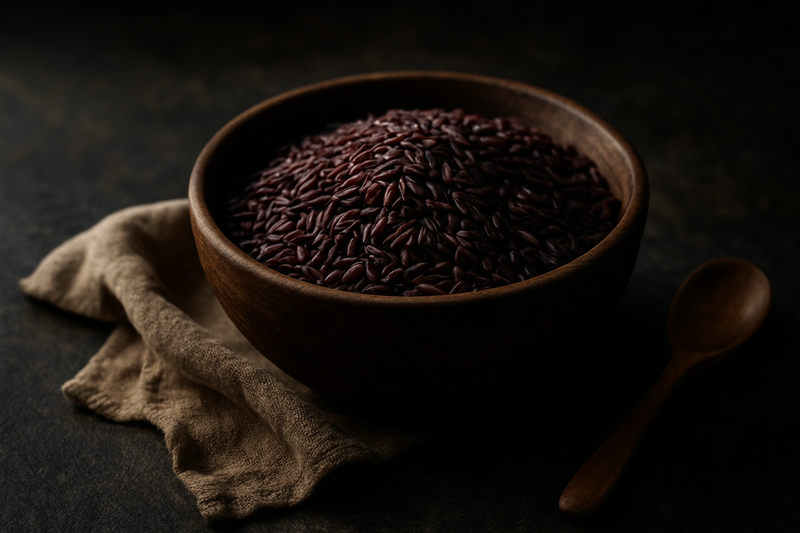
Purple Rice · Photograph
Discover purple rice health benefits and how to use it in grain bowls, salads, and more. Learn about its anthocyanin antioxidants, nutrition facts, glycemic index, safety tips, and how it compares to white and brown rice — all backed by evidence.
Key Nutrients
% Daily Value based on 2,000 cal diet
Key active compounds
- Anthocyanins (cyanidin-3-glucoside and related forms) — The primary bioactive compounds; water-soluble pigments that give purple rice its color, drive its antioxidant activity, may slow starch digestion, and appear to support vascular and metabolic pathways.
- Flavonoids — A broader class of plant polyphenols that includes anthocyanins; the full flavonoid spectrum in purple rice contributes additional antioxidant and anti-inflammatory signaling.
- Phenolic acids (ferulic acid, p-coumaric acid) — Non-flavonoid polyphenols concentrated in the bran; support antioxidant capacity and may protect cells from oxidative damage.
- Dietary fiber — From the intact bran layer; supports digestion, feeds beneficial gut bacteria, and contributes to slower glucose absorption.
- Resistant starch — A portion of the starch that resists digestion in the small intestine, acting more like fiber and producing a gentler blood-sugar response.
Prep and pairing ideas
Purple rice is genuinely versatile. Its slightly nutty flavor and firm, chewy texture hold up well in dishes where white rice would turn mushy.
How to cook it: Rinse thoroughly under cold water. Combine 1 cup dry purple rice with 2 cups water or low-sodium broth. Bring to a boil, reduce heat, cover, and simmer 30–35 minutes until tender. Optional: soak for 30 minutes first to reduce cooking time by about 10 minutes. The cooking water will turn vivid purple — this is normal and shows the anthocyanins are water-soluble.
Three practical pairings:
- Purple rice + roasted chickpeas + tahini dressing — The earthy tahini balances the slightly tannic bran flavor, while chickpeas add complementary plant protein and extra fiber. A classic grain-bowl combination with a solid nutritional profile.
- Purple rice + mango + avocado + lime — Bright, sweet-tart mango and creamy avocado contrast beautifully with the chewy grain and purple color. Vitamin C from the mango may also enhance non-heme iron absorption from the rice.
- Purple rice + edamame + shredded cabbage + ginger-sesame dressing — A high-fiber, antioxidant-rich bowl that pairs two plant-protein sources. The cabbage adds crunch and its own anthocyanins, essentially doubling down on the polyphenol content of the meal.
For dessert applications, purple rice works well in coconut milk-based puddings (a traditional preparation in Southeast Asian cuisine) and adds visual drama to overnight oats-style parfaits.
Bottom line
Purple rice earns its place in a healthy diet as a genuinely nutrient-dense whole grain. Its standout feature — a high concentration of anthocyanin antioxidants — sets it apart from both white and brown rice, and small human studies support a real, measurable improvement in post-meal blood sugar and antioxidant status. Heart health, anti-inflammatory, and gut microbiome benefits are plausible and supported by mechanistic and animal research, but larger human trials are still needed before strong claims can be made.
Is purple rice healthier than white rice? For nutritional density, yes — more fiber, more iron, more antioxidants, lower glycemic index. Is it a superfood that replaces medical treatment? No. Think of it as an easy, visually striking upgrade to your grain rotation: a whole food that works with your diet rather than a supplement you add on top of it.
Use it in grain bowls, side dishes, rice salads, and dessert puddings. Vary it with other whole grains. And enjoy the fact that something this good for you also happens to turn your food a remarkable shade of violet.
Looking for more ways to put whole grains to work for specific health goals? Browse our food-as-medicine goals guides to find ingredient combinations matched to what matters most to you.
How Purple Rice Compares
| Compared with | What's different |
|---|---|
| Purple Rice vs. Brown Rice | Purple rice contains anthocyanin antioxidants and more iron than standard brown rice. |
| Purple Rice vs. White Rice | Purple rice is a whole grain with higher fiber and a lower glycemic index than white rice. |
| Purple Rice vs. Black Rice | Forbidden rice is a specific variety of black rice that is typically denser and darker. |
Health Benefits
Things to Know
Arsenic: Like all rice, purple rice can accumulate inorganic arsenic from soil and water. Vary your grain choices — don't eat rice at every meal — and rinse rice thoroughly before cooking. This is especially important for pregnant women, infants, and young children, who should not rely heavily on any single rice product.
Diabetes and blood sugar medications: Replacing white rice with purple rice may lower post-meal glucose, which is generally a benefit. However, if you take insulin, sulfonylureas, or GLP-1 agonists (medications that lower blood sugar), a meaningful dietary change could theoretically shift your medication needs. Monitor glucose and flag the change with your prescriber.
Antihypertensive drugs: No specific interaction is established, but significant dietary overhauls warrant blood pressure monitoring if you take medication for high blood pressure.
Anticoagulants (e.g., warfarin): No direct interaction with purple rice is known, but anyone taking blood thinners should keep dietary patterns relatively consistent and have routine monitoring as recommended by their doctor.
Chronic kidney disease (CKD): Patients managing mineral intake or heavy metal exposure through diet should discuss rice choices with a renal dietitian.
Rice allergy: Uncommon but real. Anyone with a known rice allergy should avoid purple rice.
Digestive adjustment: Starting with large portions of whole grains when you are used to refined grains can cause temporary bloating or gas. Start with a half-cup serving and build up gradually.
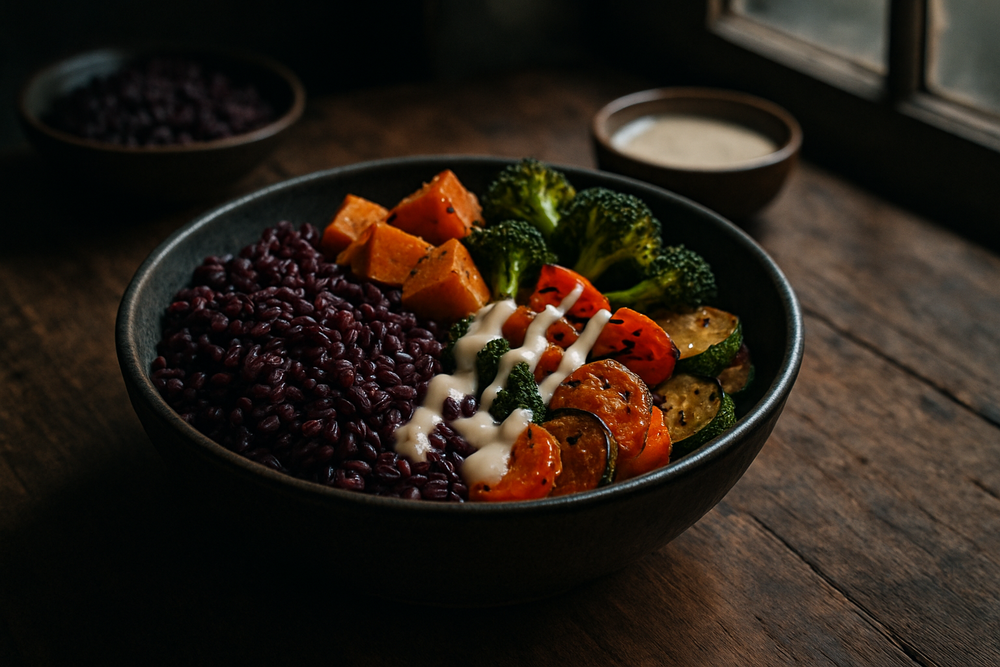
Prep Ideas
- — **Purple rice + roasted chickpeas + tahini dressing** — The earthy tahini balances the slightly tannic bran flavor, while chickpeas add complementary plant protein and extra fiber. A classic grain-bowl combination with a solid nutritional profile.
- — **Purple rice + mango + avocado + lime** — Bright, sweet-tart mango and creamy avocado contrast beautifully with the chewy grain and purple color. Vitamin C from the mango may also enhance non-heme iron absorption from the rice.
- — **Purple rice + edamame + shredded cabbage + ginger-sesame dressing** — A high-fiber, antioxidant-rich bowl that pairs two plant-protein sources. The cabbage adds crunch and its own anthocyanins, essentially doubling down on the polyphenol content of the meal.
Shop This Ingredient
Stock your pantry with quality purple rice.
Buy on AmazonAs an Amazon Associate, Plantopedia earns from qualifying purchases. This costs you nothing extra and helps us keep the encyclopedia free.
Frequently Asked Questions
Evidence ranges from well-supported (antioxidant capacity, nutritional comparison with white rice) to emerging (heart health, gut health, inflammation). Here is what the research currently shows. Heart and circulation Purple rice is a whole grain, and higher whole-grain intake is consistently associated with reduced cardiovascular risk in large population studies. As a direct substitute for refined white rice, it brings more fiber, more micronutrients, and a lower glycemic load — all factors that support a heart-healthy diet pattern. More specific to purple rice, laboratory and animal studies report that anthocyanins from black and purple rice can reduce oxidative damage to LDL cholesterol (low-density lipoprotein, often called "bad" cholesterol), inhibit atherosclerotic plaque formation (the buildup of fatty deposits in arteries), and improve endothelial function (the health of the artery lining). These findings are encouraging, but long-term human clinical trials directly testing purple rice for cardiovascular endpoints like blood pressure or LDL reduction have not yet been conducted. Purple rice benefits for heart health are real in theory and supported by animal data; consider them promising, not proven, in humans. Digestive health and microbiome Purple rice contains dietary fiber and resistant starch, both of which reach the large intestine partly undigested and serve as fuel for beneficial gut bacteria (a process called prebiotic fermentation). Animal studies suggest that anthocyanins from purple and black rice may favorably shift gut microbiota composition, increasing populations of health-associated bacteria. For humans, the direct gut-health data on purple rice specifically are limited. As a practical matter, swapping white rice for purple rice adds meaningful fiber to a meal, which supports regular bowel movements and a more diverse microbiome over time. If you are new to whole grains, increase portions gradually to allow your gut to adjust. Blood sugar and metabolism This is the area with the most direct human data. Studies using bread made from anthocyanin-rich purple rice flour found that healthy adults had lower post-meal (postprandial) blood glucose and higher antioxidant capacity compared with those eating control bread. Purple rice also has a low-to-moderate glycemic index — estimated around 42 to 50 — compared with white rice, which typically scores 64 to 72. The mechanism makes sense: anthocyanins can physically bind to starch molecules and inhibit digestive enzymes called α-amylase and α-glucosidase, slowing the breakdown of carbohydrates into glucose. This translates to a steadier rise in blood sugar after eating. Purple rice benefits for blood sugar control are the best-supported area of research, though studies are still small and mostly short-term. Inflammation and recovery Chronic low-grade inflammation (ongoing, low-level activation of the immune system) is linked to a range of long-term health conditions. In cell and animal studies, anthocyanins from purple and black rice consistently downregulate pro-inflammatory pathways, including NF-κB (a protein complex that controls the expression of genes involved in inflammation) and COX-2 (an enzyme central to the inflammatory response). Human trials specifically tracking inflammatory markers like C-reactive protein (CRP) after purple rice consumption are not yet well documented. Most of the evidence here is mechanistic — we understand how it could reduce inflammation, but we haven't confirmed that effect in well-designed human trials. Combined with its high antioxidant capacity, purple rice is a reasonable dietary choice for anyone focused on reducing oxidative stress, which contributes to inflammation.
Whole grain cooked purple rice is the most nutritious and practical form. Cooking it whole preserves the bran layer where anthocyanins and fiber are concentrated. Treat it like brown rice: rinse well, use a 1:2 grain-to-water ratio, and simmer covered for 30–35 minutes. A short soak (30 minutes) speeds up cooking and may improve texture. Purple rice flour and bread are the forms used in most human clinical studies on blood sugar response. Baked products made with purple rice flour retain anthocyanins reasonably well, making them a viable functional food option. Purple rice noodles and snacks contain anthocyanins but vary widely in fiber content and glycemic impact depending on how much bran survives processing. Read labels if fiber content matters to you. Purple rice bran extracts are used in research but not recommended over whole-grain food for everyday use. Eating the whole grain gives you fiber and other compounds that concentrated extracts lack. Bottom line on form: Whole, unpolished cooked purple rice is your best option. Mixing it with other whole grains (quinoa, farro, brown rice) is a smart strategy for nutritional variety and for managing arsenic exposure.
The grain-bowl enthusiast looking to upgrade nutrition Wants more nutritional value from their carbohydrate base without sacrificing volume Finds white rice bland and is open to different textures and flavors Enjoys visually striking dishes — purple rice turns a grain bowl into something that looks as good as it tastes The person managing blood sugar on a whole-food approach Already prioritizing lower-glycemic carbohydrates over refined grains Looking for practical, satisfying swaps that still feel like "real food" Working with a dietitian and wants evidence-based grain options to discuss
There is no established clinical "dose" for purple rice the way there is for a medication. The research that showed blood sugar benefits used purple rice flour in bread, not a specific gram count of whole cooked rice prescribed daily. Practical guidance based on general whole-grain recommendations: ½ to 1 cup cooked (roughly 100–160 g) per meal is a typical serving used in nutrition tracking and consistent with standard grain-bowl portions. Aim for at least half of your daily grain servings to be whole grains, as recommended by MyPlate and most dietary guidelines. Purple rice can be one of those servings. Rotate it. Eating purple rice daily is fine for most people, but varying your grain choices — brown rice, quinoa, oats, farro, millet — gives you a broader nutrient and fiber profile and reduces cumulative arsenic exposure from rice. Start small if you are new to whole grains. A quarter-cup cooked is a perfectly reasonable starting point if you experience digestive sensitivity with high-fiber foods. If you are using purple rice specifically for blood sugar management as part of a medically supervised plan, work with a registered dietitian to determine the right amount for your personal context.
Quick Answers
Common questions, answered in a line.
Purple rice is considered healthier than white rice because it contains more fiber, more iron, a higher concentration of antioxidants, and a lower glycemic index. These nutrients are primarily found in the intact bran layer, which is removed during the processing of white rice.
To cook purple rice, combine 1 cup of dry rice with 2 cups of water or broth, bring to a boil, then simmer covered for 30–35 minutes. You can optionally soak the rice for 30 minutes before cooking to reduce the total simmering time by about 10 minutes.
Purple rice contains anthocyanins, flavonoids, phenolic acids like ferulic acid, dietary fiber, and resistant starch. Anthocyanins are the primary bioactive compounds responsible for the grain's vibrant color and its antioxidant and anti-inflammatory properties.
Purple rice can contain inorganic arsenic absorbed from soil and water, so it is important to rinse the rice thoroughly and vary your grain choices. This precaution is particularly vital for pregnant women, infants, and young children who should avoid relying on a single rice product.
If you take blood sugar medications like insulin or GLP-1 agonists, you should monitor your glucose levels closely when adding purple rice to your diet. Because purple rice may lower post-meal glucose compared to white rice, it could potentially shift your specific medication needs.
Purple rice has a slightly nutty flavor and a firm, chewy texture that holds its shape better than white rice in various dishes. Its earthy taste pairs well with ingredients like tahini, mango, avocado, and ginger-sesame dressings.
For Readers in the USA
Local context — sourcing, seasonality, and regional notes.
You can buy purple rice at major U.S. retailers like Whole Foods Market, Trader Joe’s, and Kroger, as well as at Asian grocery chains like H Mart or 99 Ranch Market. Look for it labeled as "Black Rice," "Forbidden Rice," or "Purple Sticky Rice" in the international or grain aisle.
In the U.S., purple rice is primarily grown in California and the Mississippi Delta region, including states like Louisiana and Arkansas. Domestic varieties, such as "Black Japonica," are harvested in the fall and are widely available year-round due to long-term storage capabilities.
To ensure your purple rice is free from synthetic pesticides and non-GMO, look for the USDA Organic seal on the packaging. The USDA regulates these labels to guarantee that the rice was produced following federal standards for soil quality and pest control without prohibited substances.
While purple rice is often served as a savory side dish in American grain bowls, it is also a staple in Southeast Asian-American communities as a sweet dessert mixed with coconut milk and sugar. It is increasingly popular in U.S. "fusion" cuisine as a gluten-free base for poke bowls and salads.
AI Clinical Review
- Clearly explains that purple rice is a whole grain rich in anthocyanins (the purple pigments with antioxidant activity) and that these compounds reside in the bran, which white rice lacks.
- Accurately positions purple rice as lower–glycemic than white rice and cites small human studies (mostly using purple rice flour products) showing smaller post‑meal glucose rises.
- Emphasizes practical use: favor the whole, unpolished grain; note that color loss into cooking water is normal; and rotate with other grains to diversify nutrients and limit arsenic exposure.
- Frames benefits realistically—an upgrade over white rice for fiber, minerals, and antioxidants, not a replacement for medical care.
- Cardiovascular benefits (e.g., blood pressure, LDL reduction) are supported mainly by lab/animal data; long‑term human trials directly testing purple rice are lacking.
- Anti‑inflammatory effects in humans remain uncertain; most evidence is mechanistic rather than from clinical biomarker changes.
- Microbiome findings are preliminary and largely from animal models; human data specific to purple/black rice are limited.
- Most human studies used purple rice flour in baked goods, so the effective “dose” and equivalence to common servings of cooked whole rice are not well defined.
- Reasonable portions: about 1/2–1 cup cooked per meal fits typical whole‑grain guidance; increase gradually if you’re new to higher‑fiber foods.
- Arsenic applies to all rice: rinse well and rotate grains (oats, quinoa, millet, etc.); use extra caution for pregnancy, infants/young children, and people with chronic kidney disease—consult a clinician if unsure.
- Diabetes medications (insulin, sulfonylureas, GLP‑1s): improved post‑meal glucose with purple rice may alter needs; monitor and discuss with your care team. Any major diet shift also merits routine BP checks if on antihypertensives.
- Naturally gluten‑free, but those with celiac disease should choose certified GF products to avoid cross‑contamination; avoid if you have a known rice allergy.
Vary rice types to limit cumulative arsenic exposure.
References
- USDA FoodData Central — rice nutritional data (fdc.nal.usda.gov)
- MyPlate whole-grain guidance (USDA) (myplate.gov)
- Review: "The Potential of High-Anthocyanin Purple Rice as a Functional Food" — PMC / MDPI Antioxidants (2021) (pmc.ncbi.nlm.nih.gov)
- MDPI Antioxidants: High-anthocyanin purple rice as a functional ingredient in human health — includes human study data on postprandial glucose and antioxidant status (mdpi.com)
- PubMed: Comprehensive review of anthocyanins from purple and black rice on digestion and metabolic health (2025) (pubmed.ncbi.nlm.nih.gov)
- Medical News Today: Purple rice — health benefits, calories, and nutrition (medicalnewstoday.com)
- Healthline: Purple rice health benefits and nutrition overview (healthline.com)
- MedicineNet: Is purple rice good for you? Benefits, side effects, and more (medicinenet.com)
- SnapCalorie: Purple rice nutrition facts database (snapcalorie.com)
- Netmeds: Black rice / purple rice — types, nutritional content, health benefits, and side effects (netmeds.com)
Know Your Numbers
Eating healthy is a start. Now get to know your biomarkers.
Food changes bloodwork — inflammation, lipids, blood sugar and nutrient status all respond to what you eat. 59 markers from $59.
- Results in 7–10 days at 2,000+ Quest sites
- Licensed provider reviews every result
- One flat price, no membership, HSA/FSA eligible
Educational information only, not medical advice. Panels are ordered and reviewed through our licensed partner; Plantopedia may earn a commission.