Acorns — health benefits and uses
A foundational wild-foraged staple for Indigenous Californian and Korean cuisines.
The Short Answer
Acorns are edible and nutrient-dense, but they must be leached in water first to remove bitter, gut-irritating tannins. Once processed, they provide 387 calories and 4g of fiber per cup, offering a starchy, earthy flavor similar to a cross between a chestnut
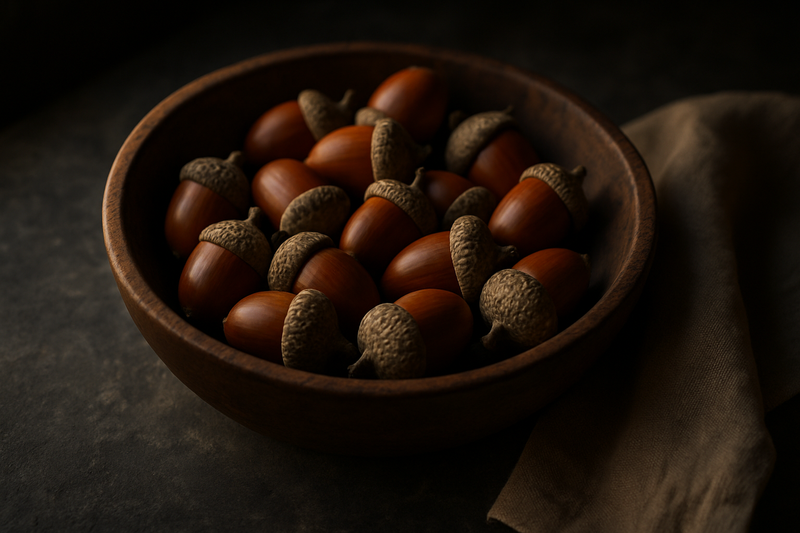
Acorns · Photograph
Discover the nutrition facts and health benefits of acorns and acorn flour — including how to leach tannins safely, whether acorn flour is gluten free, and how it's used in Korean muk (dotori-muk) and rustic breads. Evidence-based, layperson-friendly guide.
Key Nutrients
% Daily Value based on 2,000 cal diet
Key active compounds in acorns
- Tannins — Polyphenolic (plant chemical) compounds that give raw acorns their harsh, astringent bite. High amounts irritate the gut and can block mineral absorption. Proper leaching removes most tannins, making acorns safe and palatable.
- Residual polyphenols — After leaching, some polyphenols (a broad class of plant chemicals with antioxidant properties) remain. In lab and animal studies, polyphenols help neutralize harmful free radicals and show anti-inflammatory activity, though human data on acorn polyphenols specifically is sparse.
- Unsaturated fatty acids — Most of the fat in acorns is monounsaturated or polyunsaturated. These types of fat (as opposed to saturated fat) are associated with healthier blood lipid profiles in broader nut research.
- Complex carbohydrates and dietary fiber — Acorns are starchier than most nuts, making them a sustained energy source. Fiber supports healthy digestion and may moderate blood sugar response.
- Fat-soluble vitamins (A and E) — Both are antioxidants that support immune health, skin integrity, and cellular protection; vitamin A in particular is notably high per serving.
Buying guide: fresh acorns, dried acorns, and acorn flour
Foraging fresh acorns: Harvest in autumn when acorns fall naturally. Choose plump, uncracked nuts with caps still attached. Discard any that float in water (a sign of mold or insect damage inside). You'll need to leach all foraged acorns regardless of species.
Dried whole acorns: Less common in mainstream grocery stores; look in Korean markets, specialty food stores, or online. Check the packaging date — acorns can go rancid due to their fat content.
Acorn flour: Available in Korean grocery stores (labeled dotori-garu), some natural food stores, and online retailers. Look for:
- "Leached" or "processed" on the label — this confirms tannins have been removed.
- An airtight, resealable bag or tin (fat-containing flours go stale fast).
- A short ingredient list: just "acorn" or "acorn flour," no additives needed.
Storage tip: Store acorn flour in an airtight container in the freezer for up to 6 months, or the fridge for up to 3 months. The high fat content means it can go rancid at room temperature faster than wheat flour.
Prep and pairing ideas
Acorns and acorn flour are surprisingly flexible once you get the hang of them. Here are three practical combinations that work especially well.
Acorn flour + buckwheat flour for pancakes or blinis: Buckwheat's slightly bitter, mineral-forward flavor complements acorn's earthiness, and both are naturally gluten free. Use a 50/50 blend, add a flax egg for binding, and you get a nutty, fiber-rich pancake that holds together well. The complex carbs from both flours provide slower-digesting energy than a white flour pancake.
Leached whole acorns + roasted root vegetables: Toss leached, roughly chopped acorns with diced sweet potato, parsnip, and a drizzle of olive oil. Roast at 400°F (200°C) for 25–30 minutes. The acorns add chestnut-like texture and extra fiber; the roots bring natural sweetness to balance the earthiness. A good autumn grain bowl base.
Acorn flour + miso broth for savory porridge: Whisk 2–3 tablespoons of acorn flour into simmering miso broth (about 2 cups) and stir continuously until it thickens to a porridge consistency. Top with sliced scallions, sesame seeds, and a few drops of toasted sesame oil. This is a nutrient-dense, warming dish that echoes traditional acorn porridge eaten across East Asia and indigenous North American cultures — a simple way to experience dotori-muk-style flavors without a mold.
Bottom line
Acorns deserve more attention than they typically get on the health food scene. Properly leached, they're a genuinely nourishing whole food: rich in complex carbohydrates, dietary fiber, heart-friendly unsaturated fats, and a notable array of vitamins and minerals — particularly vitamin A, vitamin E, copper, and manganese. Acorn flour is a flavorful, naturally gluten-free ingredient that adds nutritional depth to breads, pancakes, porridges, and Korean dishes like dotori-muk.
The honest limitations: the human clinical trial base for acorns is essentially empty right now. Benefits for heart health, blood sugar, and digestion are plausible and grounded in their nutrient profile, but they haven't been proven in controlled human studies. And raw acorns are not safe to eat — leaching is non-negotiable.
If you want to explore acorns as part of a diverse, whole-food plant-based diet, they're a worthwhile and historically grounded addition. They're not a superfood miracle, but they are a genuinely underused ingredient with real nutritional substance.
Looking to explore how whole plant foods support your health goals? Browse our ingredient guides by health goal for more evidence-based ingredient pages.
How Acorns Compares
| Compared with | What's different |
|---|---|
| Acorns vs. Walnuts | Acorns are significantly higher in starch and Vitamin A, whereas walnuts are higher in protein and omega-3s. |
| Acorns vs. Chestnuts | Chestnuts are lower in fat and higher in sugar; acorns require leaching to remove bitter tannins before eating. |
Health Benefits
Things to Know
Always leach raw acorns.: Boil with multiple water changes until the water runs mostly clear and the bitterness is gone. Or use the cold-water method: soak in cold water, changing it daily, for 1–3 days. Either method works; hot leaching is faster but may reduce some heat-sensitive nutrients.
Tree nut allergy: Acorns are tree nuts. If you have a known tree nut allergy, introduce acorns with caution and ideally after speaking to an allergist. Cross-reactivity with other tree nuts is possible.
GI sensitivity: People with gastritis, irritable bowel syndrome (IBS), or other gut conditions may be more sensitive to residual tannins or the high fiber content, especially when first adding acorns to the diet. Start small.
Kidney disease / potassium restriction: Acorns contribute potassium. If you're on a potassium-restricted diet (common in chronic kidney disease), account for this.
Medication timing: Tannin-rich foods can bind to compounds in the gut and potentially reduce absorption of certain oral medications. If you take medications with meals, consider separating your acorn-containing meal from your medication by at least an hour — and ask your pharmacist.
Iron supplements: Tannins can inhibit non-heme iron absorption. Properly leached acorns have lower tannin levels, but it's still wise to avoid eating large amounts of even leached acorns right before or after taking iron supplements.
Pregnancy and breastfeeding: No specific safety data exists for acorn consumption during pregnancy. Occasional use as a food ingredient is unlikely to be a concern, but there's no basis for using large amounts medicinally.
Children: Whole acorns are a choking hazard. Acorn flour in baked goods is appropriate for children who tolerate tree nuts, but improperly leached acorns should never be given to young children.

Glossary
Shop This Ingredient
Stock your pantry with quality acorns.
Buy on AmazonAs an Amazon Associate, Plantopedia earns from qualifying purchases. This costs you nothing extra and helps us keep the encyclopedia free.
Frequently Asked Questions
Keep in mind that all the benefits below are described as potential — no large randomized human trials have been done using acorns or acorn flour as a test ingredient. Benefits are inferred from nutrient composition and broader research on comparable foods. Heart and circulation A one-ounce serving of dried acorns provides about 9 g of fat, most of it unsaturated. Replacing saturated fats with unsaturated fats is consistently linked to better LDL (low-density lipoprotein — the "bad" cholesterol) levels and reduced cardiovascular risk in large dietary studies. Acorns also deliver potassium (201 mg per oz) and magnesium (23 mg per oz) — minerals that help support normal blood pressure regulation, though the absolute amounts per typical serving are modest. There are currently no controlled human trials testing acorn consumption against cardiovascular outcomes directly. Digestive health and microbiome With 4 g of dietary fiber per ounce, leached acorns can meaningfully contribute to your daily fiber target (25–38 g for most adults). Fiber adds bulk to stool, feeds beneficial gut bacteria, and supports regular bowel movements. Historically, acorn porridges and breads were staple foods for many cultures — suggesting long-term tolerability when properly prepared. Important flip side: raw, unleached acorns can irritate the digestive tract, causing nausea, constipation, or stomach pain. There are no human trials on acorn-specific effects on gut microbiome or irritable bowel symptoms. Blood sugar and metabolism Acorns are primarily a complex carbohydrate — the kind that digests more slowly than refined flour — with a meaningful fiber content to further moderate blood sugar spikes. Research on acorn flour as a functional food ingredient (meaning a food studied for specific health effects) focuses largely on its nutritional composition and baking properties rather than glycemic outcomes in people. Substituting acorn flour for refined white flour in bread logically increases fiber and mineral density, which is a positive dietary shift, but the direct glucose-lowering effect in humans hasn't been measured in clinical trials yet. Inflammation and antioxidant defense Acorns contain polyphenols and the antioxidant vitamins E and A. In laboratory and animal studies, polyphenolic compounds consistently show anti-inflammatory and cell-protective activity. The vitamin E content (20% DV per oz) is particularly notable — vitamin E is a fat-soluble antioxidant that helps protect cell membranes from oxidative damage (damage caused by unstable molecules called free radicals). However, translating these lab findings into proven anti-inflammatory effects in living humans requires human clinical data that acorns simply don't yet have.
The answer depends on what you're cooking and who's eating. Whole leached acorns keep the most intact fiber and fat structure. They work well roasted as a snack, stirred into grain bowls, or blended into porridge. The texture is mealy and slightly sweet — somewhere between a chestnut and a hazelnut. Acorn flour is the most versatile form and the one most widely available to home cooks. It's gluten free, fine-milled, and blends easily with wheat, rice, oat, or almond flour. Pure acorn flour can make baked goods dense, so starting with a 20–40% replacement ratio in your favorite bread or pancake recipe is a practical approach. Acorn flour provides more fiber and minerals than most refined flours and has a distinctive earthy, slightly nutty flavor. Korean acorn muk (dotori-muk) is made by extracting acorn starch, mixing it with water, and cooking it into a firm, sliceable jelly. A typical serving is 50–150 g. It's lower in fat than whole acorns or flour because most of the fat stays with the meal/flour fraction; it's predominantly starch and water. It's a beautifully light side dish, often served cold with sesame oil, soy sauce, and sliced scallions — mild in flavor and very easy on the stomach. Blended acorn flour products (commercial or homemade, mixing acorn with wheat or other flours) strike a middle ground: better rise and texture than pure acorn flour, with a flavor and micronutrient boost over plain wheat.
There is no established recommended dietary dose for acorns or acorn flour — they're a food, not a supplement. Culinary use typically falls in the range of 1–2 oz (28–56 g) of dried, leached acorns or equivalent acorn flour per day, incorporated into normal meals. Start low, go slow: If you've never eaten acorns before, begin with a smaller amount — a tablespoon or two of acorn flour in a recipe — to see how your digestive system responds. Some people experience mild bloating when they first increase high-fiber foods; this usually resolves within a week or two. Practical benchmarks: 2 tablespoons (about 15 g) of acorn flour added to a bread recipe: a gentle introduction ¼ cup (about 30 g) of acorn flour as part of a flour blend for pancakes: moderate intake 1 oz (28 g) of whole leached acorns eaten as a snack or added to a bowl: equivalent to a standard nut serving There's no strong evidence that higher amounts offer additional benefits, and very large amounts of any tannin-containing food could potentially irritate the gut even after leaching. Sticking to culinary amounts — similar to how you'd use any specialty nut or flour — is a sensible approach.
Quick Answers
Common questions, answered in a line.
You must leach raw acorns to remove tannins, which are bitter plant chemicals that can irritate the gut and block mineral absorption. You can use a hot-leaching method by boiling them in multiple water changes, or a cold-leaching method by soaking them for one to three days.
Yes, acorn flour is naturally gluten-free and can be used as a nutrient-dense alternative to wheat flour in various recipes. It works well in a 50/50 blend with buckwheat flour for pancakes or as a thickening agent for savory porridges and Korean dotori-muk.
Store acorn flour in an airtight container in the freezer for up to six months or in the refrigerator for up to three months. Because of its high unsaturated fatty acid content, acorn flour can go rancid at room temperature much faster than standard wheat flour.
When foraging, harvest plump, uncracked acorns in the autumn that still have their caps attached. To ensure quality, place them in water and discard any that float, as this typically indicates internal mold or insect damage.
Acorns are a rich source of complex carbohydrates, dietary fiber, and heart-friendly monounsaturated and polyunsaturated fats. They are also particularly high in fat-soluble vitamins A and E, as well as minerals like copper and manganese.
It is recommended to wait at least one hour between eating acorn-containing meals and taking oral medications. This is because residual tannins in the acorns can bind to compounds in the gut, potentially reducing the absorption and effectiveness of your medicine.
Yes, people with tree nut allergies should exercise extreme caution or avoid acorns, as they are classified as tree nuts. There is a risk of cross-reactivity, so it is best to consult an allergist before introducing them to your diet.
For Readers in the USA
Local context — sourcing, seasonality, and regional notes.
You can find acorn flour (dotori-garu) at H Mart, Zion Market, or local Korean grocery stores, as well as through specialty online retailers. While rarely stocked at mainstream chains like Kroger or Safeway, it is increasingly available in the international or gluten-free aisles of natural food co-ops and Whole Foods in select regions.
Acorns are typically harvested across the U.S. during the autumn months, generally from September through November depending on your USDA hardiness zone. Foraging usually peaks after the first frost in Northern states, while Southern oak species may drop their nuts later into the winter season.
In the U.S., look for the USDA Organic seal to ensure acorn flour was processed without synthetic pesticides, and check for "tannin-leached" on the label. Because the FDA classifies acorns as a "wild-crafted" or specialty nut product, it is important to buy from reputable brands that explicitly state the product is intended for human consumption.
Native American communities across the U.S., particularly in California and the Northeast, have traditionally used acorns as a primary starch for breads, soups, and mush. Today, this heritage is celebrated through indigenous food movements and "slow food" enthusiasts who value the oak tree as a sustainable, regional North American food source.
AI Clinical Review
- Emphasizes the non‑negotiable need to leach acorns to reduce tannins and prevent GI upset.
- Accurately frames acorns as a starchy, gluten‑free, fiber‑containing food that functions more like chestnuts than typical fatty nuts.
- Appropriately notes that most proposed benefits (lipids, glycemia, digestion) are inferred from nutrient profile and broader nut/whole‑food data, not direct trials.
- Provides practical guidance on forms (whole, flour, dotori‑muk) and realistic culinary amounts (about 1–2 oz/day) that align with typical dietary patterns.
- No randomized human trials have tested acorn or acorn‑flour intake on cholesterol, blood pressure, glucose, or clinical outcomes; current claims are plausibility‑based.
- Antioxidant/anti‑inflammatory statements largely come from lab or animal work; human bioavailability after leaching and cooking remains unclear.
- Micronutrient data (especially vitamins A and E) vary by species and processing, and food databases are inconsistent—treat exact figures as approximate rather than definitive.
- Long‑term safety at high habitual intakes hasn’t been studied; dose–response thresholds are unknown.
- Safety: Always use properly leached products. Residual tannins can bind minerals and some medicines—separate iron supplements and oral medications by at least 1–2 hours when possible.
- Allergies: Acorns are tree nuts; anyone with a tree‑nut allergy should consult an allergist and, if cleared, start with very small amounts.
- Medical conditions: Those with sensitive GI conditions (e.g., IBS, gastritis) may tolerate small amounts better at first; people with potassium restrictions (e.g., some with chronic kidney disease) should account for the potassium content.
- Form and storage: Dotori‑muk is lower in fat/fiber than whole acorns; acorn flour lacks gluten and bakes denser—blending with other flours improves texture. Store flour cold (fridge/freezer) to limit rancidity.
Raw acorns are bitter and high in tannins—must be leached before eating.
References
- USDA FoodData Central — Acorns nutritional data (fdc.nal.usda.gov)
- MyPlate Protein Foods Group — USDA dietary guidance (myplate.gov)
- Healthline: Can You Eat Acorns? Nutrition, Benefits, and Dangers (healthline.com)
- WebMD: Acorns — Are They Safe to Eat? (webmd.com)
- University Hospitals / USDA: Nuts, acorns, raw, 1 oz — Nutrition Facts (uhhospitals.org)
- Botanical Online: Properties of acorns — nutrients and phytochemicals overview (botanical-online.com)
- Harvest Homesteaders: Nutrient-Rich Wonder of Acorn Flour (harvesthomesteaders.com)
- Repozitorij PTFOS (conference paper): Possibilities of Using Acorn Flour in Products Based on Cereals and Pseudocereals (repozitorij.ptfos.hr) — discusses acorn flour's functional food potential in baking applications
- Nutritionist Answers: Acorns — History, Nutrition & Uses (nutritionistanswers.com)
- Wikipedia: Acorn — botanical context, traditional uses, tannin processing methods (en.wikipedia.org)
Know Your Numbers
Eating healthy is a start. Now get to know your biomarkers.
Food changes bloodwork — inflammation, lipids, blood sugar and nutrient status all respond to what you eat. 59 markers from $59.
- Results in 7–10 days at 2,000+ Quest sites
- Licensed provider reviews every result
- One flat price, no membership, HSA/FSA eligible
Educational information only, not medical advice. Panels are ordered and reviewed through our licensed partner; Plantopedia may earn a commission.