Pao Cai (Sichuan Brine Pickles) — health benefits and uses
The perpetual pao cai crock is a Sichuan household tradition for daily digestion.
The Short Answer
Pao cai is a traditional Sichuan fermented vegetable dish rich in live Lactobacillus probiotics, providing 765 IU of Vitamin A and 110 mg of calcium per half-cup serving.
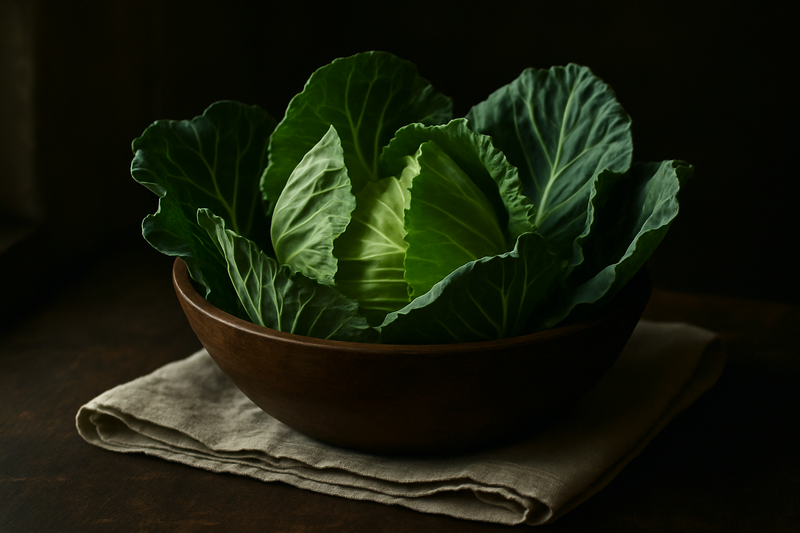
Pao Cai (Sichuan Brine Pickles) · Photograph
Discover the pao cai (Sichuan pickles) health benefits and side effects — from probiotic gut support to sodium cautions. Evidence-aligned guide to China's ever-living brine ferment, with nutrition facts, safety tips, and daily serving advice.
Key Nutrients
% Daily Value based on 2,000 cal diet
Key active compounds in pao cai
- Lactic acid bacteria (LAB) — Lactobacillus plantarum, L. brevis, and others: The primary fermentation agents and potential probiotics. Studies have found LAB counts in the hundreds of millions to billions per gram in mature pao cai brine. These bacteria produce organic acids, bacteriocins (natural antimicrobial proteins), and other bioactive metabolites.
- Lactic acid and acetic acid: Organic acids produced during fermentation that drop the brine's pH, preserve the vegetables, inhibit pathogenic bacteria, and contribute to pao cai's signature sour flavor.
- Carotenoids (including beta-carotene): Pigmented antioxidants — found in the carrots, peppers, and other colorful vegetables — that the body can convert to vitamin A. These support vision, skin, and immune function.
- Phenolic compounds: Plant-derived antioxidant molecules present in most vegetables used in pao cai. Fermentation can transform or concentrate some phenolics, potentially boosting their antioxidant activity.
- Glucosinolates and isothiocyanates: Sulfur-containing compounds found in cruciferous vegetables like cabbage and mustard greens, commonly used in pao cai. These are associated with detoxification pathways and have been studied for potential anti-cancer properties, though evidence is mostly preclinical.
- Fiber (prebiotic): The vegetable base provides both soluble and insoluble dietary fiber — insoluble fiber adds bulk and feeds gut bacteria; soluble fiber can help modulate blood sugar and cholesterol.
Prep and pairing ideas
Pao cai is best eaten as a small side dish or garnish — its job is to brighten a meal, not to dominate it.
3 practical pairings:
- With plain congee or rice porridge: Congee is bland and sodium-free on its own; a few pieces of tangy pao cai alongside add flavor contrast, a hit of live cultures, and crunch without overwhelming the palate. This is one of the most traditional Sichuan pairings.
- Alongside tofu and vegetable stir-fries: A small portion of pao cai on the side of a hot stir-fry adds acidity and probiotic bacteria that heat would otherwise destroy. The sourness also reduces the need for extra salt or soy sauce in the main dish — a useful sodium trade-off.
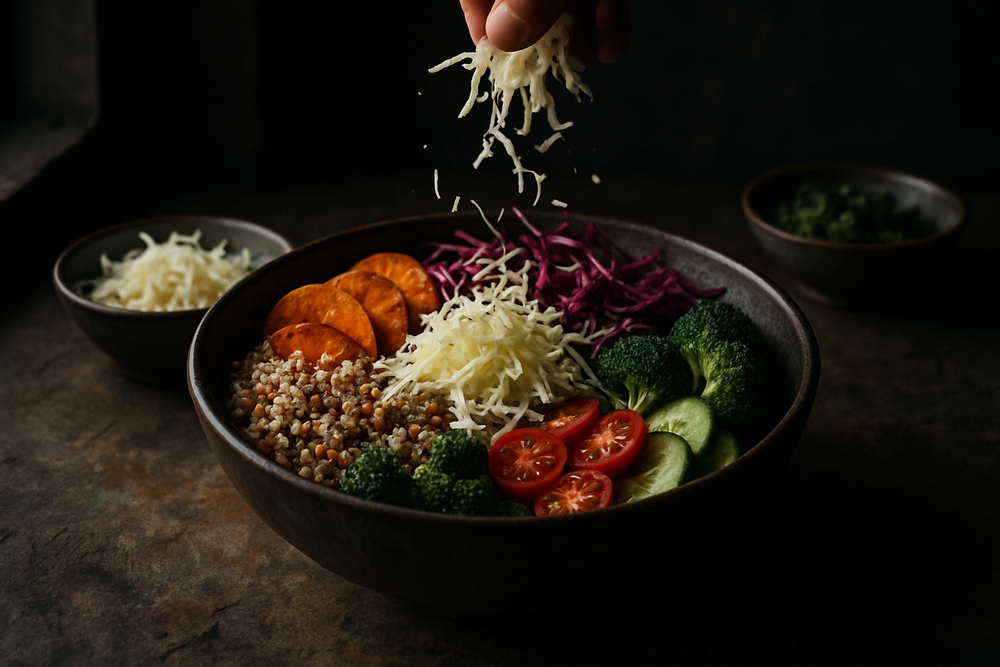
- Chopped into a grain bowl: Finely chopped pao cai stirred into a room-temperature grain bowl (quinoa, millet, or brown rice with greens and a sesame dressing) adds brightness and gut-friendly bacteria. Since the bowl isn't heated, live cultures survive.
Storage: Keep your pao cai crock tightly lidded with the water seal filled. Finished vegetables can be moved to a sealed glass jar in the fridge, where they stay crunchy for 1–2 weeks. Always use clean utensils — never double-dip or introduce food residue into the brine.
Bottom line
Pao cai is a flavorful, low-calorie fermented vegetable side dish with a genuinely interesting nutritional profile: live Lactobacillus bacteria, prebiotic fiber, vitamin C, potassium, and antioxidant carotenoids all in one crunchy condiment. The health benefits most supported by evidence are in digestive and gut health, extrapolated from strong research on Lactobacillus plantarum and fermented vegetables generally. Benefits for heart health, blood sugar, and inflammation are biologically plausible but not yet confirmed in human pao-cai–specific trials.
The most important practical consideration is sodium. The brine is salty by design — that salt is what makes the fermentation safe and the vegetables shelf-stable. Eating small, drained servings and treating pao cai as a condiment rather than a main vegetable source lets you enjoy its probiotic and flavor benefits while keeping sodium intake manageable. For most healthy adults, a small daily serving of well-made pao cai is a genuinely food-as-medicine addition to the table.
How Pao Cai (Sichuan Brine Pickles) Compares
| Compared with | What's different |
|---|---|
| Pao Cai (Sichuan Brine Pickles) vs. Kimchi | Fermented in a salt-and-water brine with Sichuan peppercorns rather than coated in chili paste. |
| Pao Cai (Sichuan Brine Pickles) vs. Western Pickles | Contains live probiotics and a more complex spice profile than vinegar-preserved pickles. |
Health Benefits
Things to Know
Sodium is the most important safety consideration.: Even a modest 100 g serving of pao cai can contribute 20–30% or more of the daily recommended sodium limit (2,300 mg for healthy adults; 1,500 mg for those with hypertension). Drain vegetables well and keep portions small.
High blood pressure and cardiovascular disease: Regular or large portions of pao cai may blunt blood-pressure–lowering medication effects and worsen fluid retention. Discuss with your doctor before making pao cai a daily habit.
Chronic kidney disease: Kidneys struggling to clear sodium and potassium may be further stressed by frequent high-sodium fermented foods. Seek medical guidance.
Histamine sensitivity: Fermented foods can accumulate biogenic amines — including histamine — as a byproduct of bacterial activity. People with histamine intolerance may experience headaches, flushing, or GI symptoms. Start with very small amounts and monitor your response.
Immunocompromised individuals: Homemade ferments carry a small risk of contamination if hygiene is not carefully maintained. Immunocompromised people may want to choose commercially produced, quality-controlled products.
Pregnancy: High sodium intake is generally advised against in pregnancy. Enjoy pao cai in small amounts and prioritize low-brine servings.
Medication interactions: Excess sodium can reduce the effectiveness of antihypertensive drugs, diuretics, and corticosteroids. NSAIDs already promote sodium and water retention, so combining them with a high-sodium food regularly is not ideal.
Mold or off-odors in homemade pao cai: If you see visible mold, pink or black discoloration, slimy texture, or smell anything putrid (distinct from the normal sour smell), discard the batch and sterilize the crock before starting again.
Prep Ideas
- — With plain congee or rice porridge: Congee is bland and sodium-free on its own; a few pieces of tangy pao cai alongside add flavor contrast, a hit of live cultures, and crunch without overwhelming the palate. This is one of the most traditional Sichuan pairings.
- — Alongside tofu and vegetable stir-fries: A small portion of pao cai on the side of a hot stir-fry adds acidity and probiotic bacteria that heat would otherwise destroy. The sourness also reduces the need for extra salt or soy sauce in the main dish — a useful sodium trade-off.
- — Chopped into a grain bowl: Finely chopped pao cai stirred into a room-temperature grain bowl (quinoa, millet, or brown rice with greens and a sesame dressing) adds brightness and gut-friendly bacteria. Since the bowl isn't heated, live cultures survive.
Glossary
Shop This Ingredient
Stock your pantry with quality pao cai (sichuan brine pickles).
Buy on AmazonAs an Amazon Associate, Plantopedia earns from qualifying purchases. This costs you nothing extra and helps us keep the encyclopedia free.
Frequently Asked Questions
The evidence base for pao cai specifically is thin — most human data comes from research on kimchi, sauerkraut, and isolated LAB strains, then reasonably (but cautiously) extrapolated to pao cai. Here is what the current science suggests, area by area. Digestive health and microbiome This is where pao cai's most plausible benefits lie. Lactobacillus plantarum — consistently identified as the dominant LAB in Sichuan pao cai — is one of the most studied probiotic bacteria in the world. Research shows it can survive stomach acid, adhere to intestinal cells, produce bacteriocins that inhibit pathogens like E. coli, Salmonella, and Listeria, and stimulate immune responses in the gut lining. A 2023 review on fermented vegetables in Frontiers in Microbiology and related journals confirmed that consuming fermented vegetables can help regulate intestinal bacterial populations, with antibacterial and immune-modulatory effects. However, the reviewers note that most clinical data come from kimchi and sauerkraut studies; pao-cai–specific controlled trials in humans have not yet been published. The fiber in pao cai's vegetable base also acts as a prebiotic — food for the beneficial bacteria already living in your colon. Bottom line for gut health: Evidence is moderate at the probiotic-strain level, emerging at the whole-food level. Pao cai is a reasonable low-calorie way to add live cultures and prebiotic fiber to your diet. Heart and circulation Probiotic strains isolated from pao cai and related ferments show — in cell culture and animal studies — the ability to deconjugate bile salts (a mechanism linked to lower LDL cholesterol), reduce oxidative stress, and modulate inflammation, all of which could theoretically support heart health. The significant caveat here is sodium. Traditional pao cai brine is very salty, and high sodium intake is a well-established risk factor for elevated blood pressure and cardiovascular disease. For sodium-sensitive individuals or those already managing hypertension, the salt load of frequent pao cai consumption may outweigh any probiotic-related benefit. Eating the drained vegetables in small portions, rather than drinking the brine, meaningfully reduces sodium intake. Bottom line for heart health: Evidence is emerging and mostly mechanistic. The sodium content is a concrete, well-documented risk that deserves more weight than speculative probiotic benefit for people with cardiovascular concerns. Blood sugar and metabolism A 2024 review noted anti-diabetes potential among fermented-vegetable effects, citing probiotic modulation of gut microbiota and improvements in insulin sensitivity in experimental models. Some LAB strains isolated from pao cai have shown reductions in fat accumulation and improvements in antioxidant enzyme activity in animal models. As a low-calorie, high-fiber condiment, pao cai can also replace higher-calorie, higher-sugar condiments in a meal, which may modestly support blood sugar control. No human randomized controlled trials specifically measuring glycemic outcomes in people eating pao cai have been published. Evidence here should be considered speculative. Inflammation and recovery In vitro (cell culture) and animal research on LAB isolates from pao cai and similar ferments shows promising anti-inflammatory activity — modulating cytokines (signaling proteins involved in the immune response) and reducing markers of systemic inflammation. A broad review of fermented vegetables (PMC10777956) lists immune regulation, including possible anti-cancer and anti-diabetes effects, among potential benefits, while noting that human evidence remains sparse. Bottom line for inflammation: Biologically plausible but not yet confirmed in humans eating pao cai. Eating a diet rich in fermented and plant foods broadly is associated with lower inflammation in observational data, and pao cai fits within that pattern.
Homemade pao cai crock (ever-living brine) The traditional and generally probiotic-richest option. A mature brine develops a diverse, stable microbial community. Hygiene is critical — the crock, lid water seal, and utensils must be kept clean, and vegetables must stay submerged. A well-maintained crock can be used for years. This is the form most comparable to the traditional food studied in cultural and ethnographic research. Packaged commercial pao cai Widely available in Chinese grocery stores. Read labels carefully: some products are pasteurized (heat-treated), which kills live bacteria and removes probiotic benefit. Others may contain vinegar for speed, added sugar, or preservatives. Look for labels that say "naturally fermented" or "live cultures" and check ingredient lists for vinegar additions, which indicate a quick-pickled, non-probiotic product. Pao cai as a condiment vs. a side dish Eating a small portion of drained vegetables alongside a meal (rather than with lots of brine) is the most practical way to get flavor, fiber, and probiotic bacteria while limiting sodium. The brine is flavorful but extremely salty and is best used sparingly — as a seasoning in stir-fries or soups rather than consumed directly.
Homemade (ever-living crock): Highest probiotic potential; most customizable vegetable and spice mix; requires attention to hygiene. Recommended if you're comfortable with basic fermentation practice. Asian grocery store — refrigerated section: Look for unpasteurized, naturally fermented pao cai or Chinese pickles with short ingredient lists (vegetables, salt, water, spices). Refrigerated = likely still active cultures. Avoid shelf-stable jars with vinegar as the first acid ingredient. Online specialty retailers: Some quality fermented food brands sell authentic-style pao cai. Read lab notes or fermentation descriptions. Prioritize "live culture" or "raw fermented" on the label. Label tips: Vinegar in the ingredients = quick pickle, not lacto-fermented, no live probiotics "Pasteurized" = no live cultures Sodium per serving listed on the label: aim for servings under 400–500 mg sodium where possible, or use a smaller portion of higher-sodium products Short ingredient list = better (vegetables + salt + spices + water)
No clinical trial has established a therapeutic dose for pao cai. Traditional Sichuan eating patterns treat it as a condiment: a small portion alongside a meal, not a main dish. Practical guidance: Start with 30–50 g (roughly 2–3 tablespoons of drained vegetables) per sitting to assess tolerance, especially for digestive sensitivity or sodium response. 100 g (about ½ cup, drained) is a reasonable upper daily amount for most healthy adults, keeping sodium contribution in check alongside a generally low-sodium diet. Limit brine consumption. Most of the sodium is in the liquid. Eat the vegetables; use the brine only as a seasoning in cooked dishes. If you have hypertension, kidney disease, or are on a sodium-restricted diet, keep portions to 30 g or less and count pao cai toward your daily sodium budget. Ask your healthcare provider. Daily consumption is fine for most healthy adults in small portions, but give yourself a day or two off per week if you notice bloating — a sign your gut is adjusting to increased fermented food intake.
Quick Answers
Common questions, answered in a line.
Pao cai contains live lactic acid bacteria (LAB) like Lactobacillus plantarum, which support digestive health. These probiotics help maintain a healthy gut microbiome, while the vegetable base provides prebiotic fiber to feed beneficial bacteria.
Pao cai is rich in antioxidant carotenoids, phenolic compounds, and glucosinolates. These molecules, found in the fermented vegetables, help neutralize oxidative stress and support the body's natural detoxification pathways.
Pao cai is high in sodium, which can be a concern for people with high blood pressure, kidney disease, or histamine sensitivity. Large portions may lead to fluid retention or interfere with blood-pressure-lowering medications.
Traditional pao cai should be eaten in small, drained portions as a condiment or garnish rather than a main vegetable. It pairs well with bland foods like congee or rice porridge to add flavor and probiotics without overwhelming the meal.
People with high blood pressure should consume pao cai sparingly because even a 100g serving can provide 20–30% of the daily recommended sodium limit. High salt intake can blunt the effects of antihypertensive drugs and worsen fluid retention.
Store pao cai in a tightly lidded crock with a water seal or move finished vegetables to a sealed glass jar in the refrigerator. In the fridge, the pickles will typically stay crunchy for one to two weeks.
Discard your pao cai immediately if you see visible mold, pink or black discoloration, or a slimy texture. A putrid smell, which is distinct from the natural sourness of fermentation, also indicates the batch is unsafe.
For Readers in the USA
Local context — sourcing, seasonality, and regional notes.
You can find Pao Cai at major H Mart locations, 99 Ranch Market, and specialized local Asian grocers across the U.S. While less common in mainstream supermarkets like Kroger or Safeway, some stores carry "Sichuan-style pickles" in the refrigerated fermented foods or international aisles.
In the U.S., you can make Pao Cai year-round using seasonal USDA-grown produce like winter radishes and carrots or summer peppers and cabbage. Many American hobbyists use Napa cabbage and English cucumbers, which are widely available in most states across all four seasons.
When buying Pao Cai in the U.S., look for the USDA Organic seal or "Non-GMO Project Verified" labels if you want to avoid synthetic pesticides. Additionally, ensure the product is kept in the refrigerated section, as shelf-stable jars in the pantry aisle are often pasteurized and lack the live probiotic benefits.
AI Clinical Review
- Clearly explains pao cai as a lacto‑fermented vegetable with live lactic acid bacteria (LAB, mainly Lactobacillus plantarum) and links these microbes to plausible gut benefits.
- Emphasizes the major practical issue: high sodium from the brine, and offers realistic ways to keep intake moderate by eating drained portions.
- Notes that nutrition benefits come from both the vegetables (fiber, vitamin C, potassium, antioxidants) and fermentation byproducts (organic acids), which is consistent with broader fermented‑vegetable research.
- Distinguishes between homemade “ever‑living” brine and commercial products, including the impact of pasteurization or vinegar on probiotic content—useful for shoppers.
- Human clinical trials specifically testing pao cai (as a food) for gut health, blood pressure, cholesterol, glucose, or inflammation are limited; most data are extrapolated from kimchi/sauerkraut or isolated LAB strains.
- Reported probiotic counts and strains can vary widely by recipe, salt level, temperature, and brand, so individual batches may not deliver consistent effects.
- Cardiometabolic benefits seen in cell/animal studies or with specific strains may not translate to meaningful outcomes in people, particularly given sodium’s countervailing impact on blood pressure.
- Sodium: Portions of about 30–100 g of drained vegetables per day fit most healthy adults; brine contains the bulk of the salt, so using it sparingly helps keep total intake within the typical 2,300 mg/day limit.
- Who should be cautious: people with hypertension, heart failure, or chronic kidney disease; those who are pregnant; individuals with histamine intolerance; and anyone immunocompromised (who may prefer quality‑controlled commercial products).
- Form matters: for potential probiotic benefit, look for naturally fermented, unpasteurized products without added vinegar; pasteurized or vinegar‑pickled versions are flavorful but not “live.”
- Medications: high sodium can blunt the effect of some antihypertensives and promote fluid retention with NSAIDs or corticosteroids—check in with your clinician if these apply to you.
Salty brine; keep the crock clean to avoid spoilage.
References
- USDA FoodData Central — fermented vegetable nutrition reference (fdc.nal.usda.gov)
- Identification of lactic acid bacteria from traditional Sichuan pickles (PMID 22878734) — characterizes Lactobacillus species dominant in pao cai brine (pubmed.ncbi.nlm.nih.gov)
- Probiotic potential of Lactobacillus strains from Chinese fermented vegetables (PMC8844445) — tests survival, adhesion, and pathogen inhibition of LAB from pao cai-type ferments (pmc.ncbi.nlm.nih.gov)
- Fermented Vegetables: Health Benefits, Defects, and Current Applications — comprehensive review (PMC10777956) — covers gut, immune, anti-inflammatory, and metabolic effects of fermented vegetables including pao cai (pmc.ncbi.nlm.nih.gov)
- Isolation and functional study of probiotic Lactobacilli from Taiwan traditional paocai (AJMR) — demonstrates antimicrobial activity and probiotic properties of pao cai LAB isolates (academicjournals.org)
- Frontiers in Microbiology — LAB from fermented vegetables, Shaanxi, China (PMC12300092) — additional strain characterization relevant to pao cai microbiology (pmc.ncbi.nlm.nih.gov)
- NIH NCCIH — Probiotics: What You Need to Know — public health overview of probiotic safety and evidence standards (nccih.nih.gov)
- Yang's Nourishing Kitchen — Sichuan Fermented Vegetables recipe and nutrition overview — practical recipe context and estimated nutrition (yangsnourishingkitchen.com)
- The Mala Market — Sichuan Lacto-Fermented Pickles: Starting Your First Batch — detailed fermentation method, brine hygiene, and spoilage guidance (blog.themalamarket.com)
- Wikipedia — Pao cai — encyclopedic overview of history, preparation, and regional variations (en.wikipedia.org)
Know Your Numbers
Eating healthy is a start. Now get to know your biomarkers.
Food changes bloodwork — inflammation, lipids, blood sugar and nutrient status all respond to what you eat. 59 markers from $59.
- Results in 7–10 days at 2,000+ Quest sites
- Licensed provider reviews every result
- One flat price, no membership, HSA/FSA eligible
Educational information only, not medical advice. Panels are ordered and reviewed through our licensed partner; Plantopedia may earn a commission.