Fermented Apple Kraut — health benefits and uses
A rustic European ferment sweetening kraut with orchard fruit.
The Short Answer
Fermented apple kraut is a probiotic condiment made by fermenting cabbage with grated apples, resulting in a sweet-tart flavor profile. It provides approximately 35 calories and 1 gram of fiber per half-cup serving, alongside beneficial lactic acid bacteria
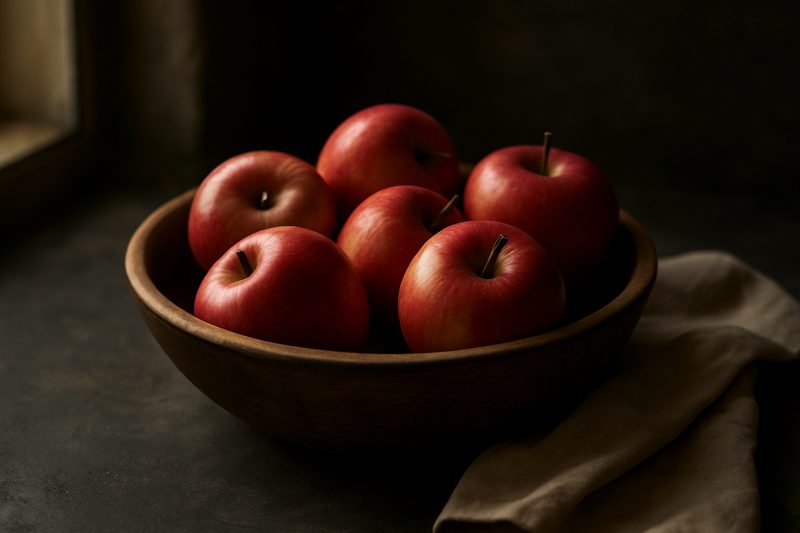
Fermented Apple Kraut · Photograph
Fermented apple kraut is exactly what it sounds like: classic cabbage sauerkraut made with grated apple folded in before fermentation. The apple softens the sharp tang of a traditional kraut, adds a hint of natural sweetness, and brings its own polyphenols (beneficial plant compounds) to the fermentation party. The scientific name for the cabbage used is Brassica oleracea var. capitata, though the real star of this process is the community of lactic acid bacteria that transform both the cabbage and the apple into something greater than the sum of their parts.
Key Nutrients
% Daily Value based on 2,000 cal diet
Key active compounds in fermented apple kraut
- Lactic acid — Produced when lactic acid bacteria ferment the natural sugars in cabbage and apple. Gives kraut its tang, lowers the pH to inhibit harmful bacteria, and may support a healthy gut environment.
- Phenolic compounds (flavonoids and phenolic acids) — Plant antioxidants naturally present in both cabbage and apple, sometimes enriched during fermentation. May offer anti-inflammatory and gut barrier–protective activity.
- Indole-3-lactate — A microbial metabolite derived from the amino acid tryptophan. Research in cell models suggests it helps maintain intestinal barrier function under inflammatory stress.
- D-Phenyl-lactate — An aromatic amino acid derivative produced during lactic fermentation. Part of fermented cabbage's barrier-protective metabolite profile.
- γ-Aminobutyric acid (GABA) — An inhibitory neurotransmitter that some lactic acid bacteria produce during fermentation. May play a role in gut–brain signaling, though direct effects from dietary apple kraut in humans are not yet established.
- Short-chain fatty acids (SCFAs) — Acetate, propionate, and butyrate produced in the colon when gut bacteria ferment the fiber in apple kraut. Regular sauerkraut intake has been linked to increased circulating SCFAs in human studies.
- Vitamin C — Preserved or even enhanced by fermentation; supports immune defense and acts as an antioxidant.
- Pectin (from apple) — A soluble fiber that acts as a prebiotic, feeding beneficial gut bacteria.
Prep and pairing ideas
Fermented apple kraut is wonderfully versatile, especially in autumn cooking when its sweet-tart flavor bridges savory and seasonal sweet ingredients.
With roasted root vegetables: Pile a spoonful of apple kraut on roasted parsnips, carrots, or butternut squash. The acidity cuts through the natural sweetness and adds a probiotic punch to an already fiber-rich plate.
On grain bowls: Stir into a warm farro or barley bowl with roasted beet, toasted walnuts, and a tahini drizzle. The kraut acts as a built-in dressing — salty, tangy, and fermented.
Alongside legume dishes: Serve as a condiment next to lentil soup or white bean stew. The lactic acid helps with iron absorption from legumes (plant iron is better absorbed in an acidic environment), making this a functional as well as delicious pairing.
Storage tip: Keep unpasteurized apple kraut in the fridge, submerged under its brine, and use a clean utensil each time. It typically keeps for one to three months refrigerated. If it smells off, develops pink or black mold (a small white kahm yeast film on top is normal and harmless — just skim it off), or tastes unpleasant rather than sharply tangy, discard it.
Bottom line
Fermented apple kraut is a genuinely useful addition to a gut-friendly, plant-forward diet. The combination of live lactic acid bacteria, prebiotic fiber from both cabbage and apple pectin, and fermentation-derived compounds like organic acids and phenolics gives it a multi-layered mechanism for supporting digestive health. The evidence base from human trials — while mostly focused on plain sauerkraut and mixed fermented vegetables — consistently points toward modest benefits for gut microbiota, SCFA production, and digestive comfort. Benefits for heart health, blood sugar, and inflammation are plausible and supported by mechanistic and animal data, but larger human trials are needed.
The practical case is equally strong: it is low-calorie, easy to make at home, versatile in autumn cooking, and a whole-food way to add fermented culture to your diet without a supplement. Just watch the sodium, start slowly if your gut is new to fermented brassicas, and choose unpasteurized, refrigerated versions for maximum live culture activity.
Looking to explore more gut-health and probiotic foods? Browse the Plantopedia gut health collection for related ingredient guides.
How Fermented Apple Kraut Compares
| Compared with | What's different |
|---|---|
| Fermented Apple Kraut vs. Classic Sauerkraut | Traditional sauerkraut has a sharper, more sulfuric tang without the mild sweetness of apple pectin. |
| Fermented Apple Kraut vs. Kimchi | Kimchi uses chili, ginger, and garlic for a spicy profile, whereas apple kraut is mild and fruit-forward. |
Health Benefits
Things to Know
Sodium is real.: One quarter cup contains about 330 mg of sodium — roughly 14% of the daily limit. If you have hypertension, heart failure, kidney disease, or are on a medically prescribed low-sodium diet, track your servings carefully or look for low-sodium versions.
Start low, go slow.: Brassica vegetables contain fermentable carbohydrates (FODMAPs — short-chain carbohydrates that ferment rapidly in the colon) that commonly cause gas and bloating when introduced suddenly. In trial data, bloating was a frequent early side effect at 100 g/day doses. Start with 1 tablespoon and increase over one to two weeks.
IBS and SIBO caution.: People with irritable bowel syndrome or small intestinal bacterial overgrowth (an overgrowth of bacteria in the small intestine, which is not the right environment for them) may find fermented brassicas worsen symptoms rather than help. Introduce very cautiously or consult a dietitian.
Histamine sensitivity.: Fermented foods are naturally higher in histamine and other biogenic amines. If you have histamine intolerance or mast cell activation disorder, fermented apple kraut may not be suitable.
Warfarin and vitamin K.: Cabbage-based ferments contain vitamin K, which affects how warfarin (a blood-thinning medication) works. You do not need to avoid it, but keep your intake consistent from week to week so your INR (international normalised ratio — a measure of blood clotting time) stays stable.
MAOI medications.: Fermented foods contain biogenic amines like tyramine that can theoretically interact with monoamine oxidase inhibitors (a class of antidepressants) at high intakes. Check with your prescriber.
Immunocompromised individuals.: Live probiotic foods are generally safe, but those on intensive immunosuppressive therapy should discuss high-dose probiotic food intake with their clinical team.
Pregnancy.: Fermented vegetables made at home carry a small food safety risk if not prepared hygienically. Commercial products from reputable brands are generally safer. Consult your midwife or OB with any questions.
Shop This Ingredient
Stock your pantry with quality fermented apple kraut.
Buy on AmazonAs an Amazon Associate, Plantopedia earns from qualifying purchases. This costs you nothing extra and helps us keep the encyclopedia free.
Frequently Asked Questions
This is where the most meaningful research sits. Here is what different areas of gut and systemic health look like through the lens of current evidence. Digestive health and microbiome Several small human studies support the idea that regular fermented vegetable intake can shift gut microbiota composition and support digestive function. In one pilot trial, women who ate about 100 g per day of fermented vegetables (cabbage and cucumbers) for six weeks showed measurable shifts in gut microbial profiles, though changes in overall microbial diversity were modest and bloating was a common early side effect. A separate intervention comparing fresh and pasteurized sauerkraut found no dramatic microbiota changes in healthy adults but did report increased serum short-chain fatty acid (SCFA) levels — a meaningful downstream signal that gut bacteria were responding to the fermented food. Clinical observations suggest that even very small daily servings (around 7–10 g, or about one tablespoon) can support general gastrointestinal comfort over time. The apple in apple kraut adds pectin, a prebiotic fiber that feeds beneficial bacteria independently of the live cultures — a nice synergy. Heart and circulation Evidence here is early-stage. In a study of adults at cardiovascular risk who ate about 100 g of fermented vegetables daily for eight weeks, researchers saw modest microbiota shifts but no significant changes in inflammatory markers or major cardiovascular parameters. Animal data are more encouraging: in rats fed a high-fat diet, fermented cabbage–apple juice helped regulate body weight, fat metabolism, and liver parameters — but animal results do not translate directly to human outcomes. The fermented cabbage and apple combination is a promising research area, not yet a confirmed cardiovascular intervention. Blood sugar and metabolism No robust human trials have tested apple sauerkraut as a primary intervention for blood sugar or diabetes management. What is known mechanistically: fermentation of cabbage with apple reduces the simple sugars present in the raw ingredients while retaining fiber and producing organic acids, which may lower the glycemic impact (the speed at which food raises blood sugar) compared with eating the raw ingredients. The rat studies on fermented cabbage–apple juice also showed improvements in obesity-related metabolic markers. These are promising but preliminary signals for humans. Inflammation and recovery Fermented cabbage is rich in phenolic antioxidants and vitamin C, and lab (cell model) studies show that fermented cabbage metabolites — including indole-3-lactate and D-phenyl-lactate — help maintain intestinal barrier integrity when exposed to inflammatory stress. A healthy gut barrier is a key upstream defense against systemic inflammation. However, in the human cardiovascular risk trial, daily fermented vegetable intake did not produce significant reductions in circulating inflammatory markers over eight weeks. The anti-inflammatory story for apple kraut is plausible and mechanistically supported, but not yet confirmed in human clinical trials. Hormones and cycle health There is no direct human trial evidence linking fermented apple kraut to hormone levels. Broader research on the gut–brain axis suggests that a healthy gut microbiome may indirectly influence hormonal signaling related to stress and appetite — partly through SCFA production and immune modulation — but this is theoretical and not specific to apple-containing krauts.
This is one of the most practical questions, and the answer has a clear winner. Unpasteurized (raw, refrigerated) fermented apple kraut is the gold standard if live probiotic bacteria are your goal. Pasteurization — the heat process used to extend shelf life — kills or dramatically reduces live lactic acid bacteria. A human study directly comparing fresh and pasteurized sauerkraut found that even the pasteurized version raised serum SCFA levels, suggesting that the fiber and fermentation metabolites (organic acids, phenolics) still provide value without live microbes. But for maximum probiotic activity, look for the refrigerated, raw version. Homemade apple kraut gives you the most control — over salt levels (important if you are watching sodium), the apple-to-cabbage ratio, and fermentation time. A basic ratio is about 2% salt by weight of the shredded vegetables, packed tightly under brine and fermented at room temperature for one to four weeks. Pasteurized or shelf-stable apple kraut is still a useful condiment for flavor and fiber, but treat it more like a pickled vegetable than a probiotic food. Fermented cabbage–apple juice concentrates appear in some animal research but are not widely available or studied in humans — not a practical recommendation right now.
The gut-health curious omnivore shifting toward plants Already eating some vegetables but wants to add more fermented foods without the strong flavor of plain sauerkraut. Apple kraut's milder, slightly sweet profile makes it an easier entry point. The combination of fiber, live cultures, and polyphenols supports microbiome diversity across multiple mechanisms. The autumn meal planner looking for functional whole foods Wants seasonal, low-effort ways to add probiotics and antioxidants to warming dishes. Apple kraut works as a condiment, side, or grain bowl topper — no recipe overhaul required. One jar made in early autumn can serve dozens of meals through the season.
Human studies have used around 100 g per day (roughly ½ cup) for six to eight weeks to observe microbiome effects, while clinical experience suggests even 7–10 g (about one tablespoon) daily may support digestive comfort. Here is a practical framework: Beginners: Start with 1 tablespoon (about 15 g) with one meal per day for one to two weeks. Watch for gas or bloating and adjust. Established users: 2–4 tablespoons (30–60 g) per day with meals is a reasonable everyday range for most healthy adults. Research doses: Studies using 100 g/day showed effects on microbiota but also noted bloating as a common side effect — this is a higher dose than most people need for everyday dietary benefit. Sodium awareness: At 330 mg per ¼ cup, two to three servings per day could add 660–990 mg of sodium before other foods. Factor this into your daily total (most guidelines suggest under 2,300 mg/day, with 1,500 mg for those with blood pressure concerns). Consistency matters more than quantity. A small amount eaten most days will likely outperform a large amount eaten occasionally.
Quick Answers
Common questions, answered in a line.
Fermented apple kraut contains active compounds like lactic acid, phenolic antioxidants, and microbial metabolites such as indole-3-lactate and D-phenyl-lactate. It is also a source of vitamin C, prebiotic pectin, and short-chain fatty acids like butyrate.
Fermented apple kraut is safe to eat during pregnancy, though commercial products from reputable brands are generally safer than homemade versions. If you choose to make it at home, ensure it is prepared hygienically to minimize food safety risks.
You can eat fermented apple kraut as a condiment for roasted root vegetables, a topping for grain bowls, or a side for legume dishes like lentil soup. The lactic acid in the kraut can actually help your body better absorb the iron found in legumes.
Unpasteurized apple kraut should be kept in the refrigerator, fully submerged under its brine, and used with a clean utensil. When stored properly in the fridge, it typically lasts for one to three months.
You should discard apple kraut if it smells off, tastes unpleasant rather than tangy, or develops pink or black mold. A thin white film known as kahm yeast is normal and harmless; you can simply skim it off the top.
It is recommended to start with 1 tablespoon per day and increase your intake over one to two weeks to avoid gas and bloating. These symptoms are common side effects of the fermentable carbohydrates (FODMAPs) found in brassica vegetables.
If you take warfarin, you should keep your intake of fermented apple kraut consistent each week rather than avoiding it entirely. This is because the vitamin K in the cabbage can affect blood clotting time and your INR levels.
Fermented apple kraut contains about 330 mg of sodium per quarter cup, which is roughly 14% of the daily recommended limit. People with hypertension, kidney disease, or heart failure should track their servings carefully due to this sodium content.
For Readers in the USA
Local context — sourcing, seasonality, and regional notes.
You can find unpasteurized apple kraut at major U.S. retailers like Whole Foods Market, Sprouts Farmers Market, and regional co-ops, typically located in the refrigerated functional food or deli sections. National brands like Wildbrine or Cleveland Kitchen often carry seasonal or fruit-infused varieties.
While traditional sauerkraut uses green cabbage, U.S. producers often pair apples with Honeycrisp, Fuji, or Granny Smith varieties and may include regional additions like caraway seeds or juniper berries. These varieties are particularly popular at farmers markets in the Pacific Northwest and Northeast during the fall harvest.
Look for the USDA Organic seal and the "Non-GMO Project Verified" label to ensure the cabbage and apples were grown without synthetic pesticides or genetically modified organisms. Additionally, check for a "Live and Active Cultures" mention to ensure the product has not been heat-treated or shelf-stabilized.
The best time to make or buy fresh apple kraut in the U.S. is from September through November, coinciding with the peak harvest for both domestic cabbage and apples. Many artisanal producers in apple-growing states like Washington, New York, and Michigan release special batches during this window.
AI Clinical Review
- Explains clearly how adding apple contributes pectin (a prebiotic fiber) and polyphenols while the lactic acid bacteria from fermentation supply live cultures and organic acids.
- Accurately distinguishes raw/refrigerated kraut (best for live microbes) from pasteurized products that still offer fiber and fermentation metabolites; this matches human data showing SCFAs can rise even without live cultures.
- Provides realistic intake guidance (start with ~1 tablespoon and build to 2–4 tablespoons) and notes that 100 g/day used in studies often causes bloating.
- Calls out sodium as a key consideration and offers practical storage and food‑safety pointers.
- Most human research involves plain sauerkraut or mixed fermented vegetables; apple‑specific kraut outcomes are inferred rather than directly tested.
- Cardiometabolic and glycemic benefits are largely from animal or mechanistic studies; large, well‑controlled human trials are still lacking.
- Microbiome changes in short human trials tend to be modest, and strain counts/viability vary by product and storage, so effects may not be uniform.
- Gut–brain claims (for example, GABA from fermentation) are biologically plausible but not yet demonstrated from eating apple kraut in humans.
- Typical practical dose: 1 tablespoon (≈15 g) daily at first, then 2–4 tablespoons (30–60 g) with meals as tolerated; research doses around 100 g/day increase the chance of gas/bloating.
- Sodium is significant: ~330 mg per ¼ cup (≈30 g). Those with hypertension, heart/kidney disease, or on low‑sodium plans should track portions; homemade versions allow lower‑salt recipes.
- Choose unpasteurized, refrigerated kraut for live microbes; pasteurized options still provide acids, fiber, and polyphenols but fewer (or no) live cultures.
- Check with a clinician if you have IBS/SIBO, histamine intolerance, are immunocompromised, pregnant, or take warfarin (keep vitamin K intake consistent) or MAOIs (due to biogenic amines).
Salty; brassica ferments may cause gas at first.
References
- USDA FoodData Central — sauerkraut nutrition reference (fdc.nal.usda.gov)
- UC Davis: Gut health benefits of sauerkraut — overview of fermented cabbage research (ucdavis.edu)
- PLOS ONE pilot RCT: Effects of fermented vegetable consumption on gut microbiota in women (6-week intervention) (journals.plos.org)
- Applied and Environmental Microbiology: Fermented cabbage metabolome and intestinal barrier protection (cell model study) (journals.asm.org)
- Cambridge Gut Microbiome: Fermented vegetables and gut microbiota for cardiovascular disease prevention (8-week human trial) (cambridge.org)
- PMC review: Anti-inflammatory and immunomodulatory properties of fermented foods including sauerkraut (pmc.ncbi.nlm.nih.gov)
- PMC animal study: Fermented cabbage–apple juice and obesity-related metabolic disturbances in rats (pmc.ncbi.nlm.nih.gov)
- PMC: Regular sauerkraut consumption, gut microbiota, and serum short-chain fatty acids (human intervention) (pmc.ncbi.nlm.nih.gov)
- PMC: Sauerkraut and gastrointestinal health — clinical observations on daily intake (pmc.ncbi.nlm.nih.gov)
- Annual Review of Food Science and Technology: Fermented foods and human health — broad evidence overview (annualreviews.org)
Know Your Numbers
Eating healthy is a start. Now get to know your biomarkers.
Food changes bloodwork — inflammation, lipids, blood sugar and nutrient status all respond to what you eat. 59 markers from $59.
- Results in 7–10 days at 2,000+ Quest sites
- Licensed provider reviews every result
- One flat price, no membership, HSA/FSA eligible
Educational information only, not medical advice. Panels are ordered and reviewed through our licensed partner; Plantopedia may earn a commission.