Fermented Buckwheat — health benefits and uses
Eastern European kitchens fermented buckwheat for lightness and digestibility.
The Short Answer
Fermented buckwheat is a nutrient-dense, gluten-free food that provides 13g of protein and 10g of fiber per half-cup serving. The fermentation process increases resistant starch and bioavailability of antioxidants like rutin, supporting gut health and stable
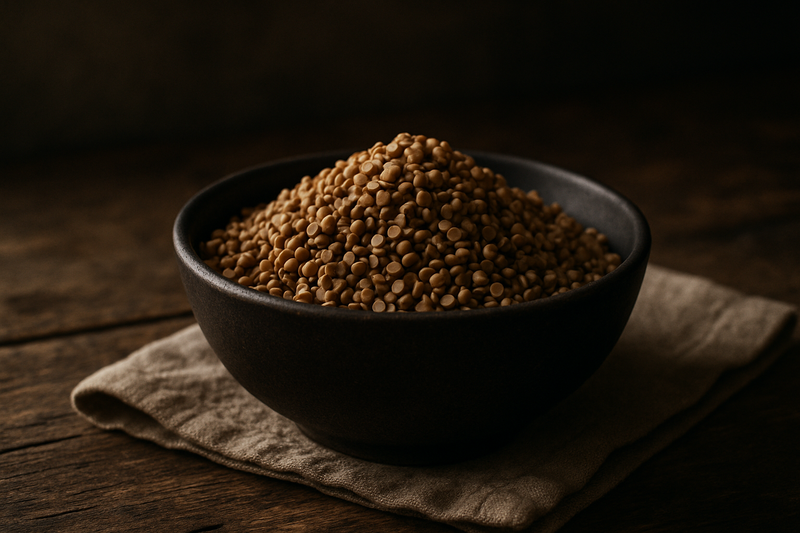
Fermented Buckwheat · Photograph
Discover the fermented buckwheat benefits for gut health, blood sugar, and heart health. Learn how to make gluten-free fermented buckwheat pancakes and flatbreads, who should be cautious, and what the science actually says.
Key Nutrients
% Daily Value based on 2,000 cal diet
Key active compounds in fermented buckwheat
- Rutin — A flavonoid glycoside concentrated in buckwheat's outer layers. Provides antioxidant and vascular-protective effects; fermentation experiments suggest it may become more bioavailable after microbial processing.
- Quercetin — A polyphenolic flavonoid with antioxidant and anti-inflammatory properties. Fermentation can alter its concentration and chemical form in buckwheat preparations.
- D-chiro-inositol — An inositol isomer (a type of sugar-alcohol molecule) studied for potential insulin-sensitising effects. Found notably in buckwheat; whether fermentation changes its concentration is not yet well established.
- Phenolic acids — A broad group of plant compounds including ferulic acid. They contribute to buckwheat's antioxidant capacity; fermentation can release bound forms from the grain matrix, potentially increasing availability.
- Resistant starch — Starch that passes through the small intestine undigested and is broken down by bacteria in the colon. Fermentation of buckwheat batters appears to increase resistant starch content in food-science models, which may support gut bacteria and gentler blood sugar curves.
- GABA (gamma-aminobutyric acid) — An inhibitory neurotransmitter that some fermented grain preparations produce in larger amounts. Whether buckwheat fermentation meaningfully raises GABA and whether that translates into clinical benefit is not yet confirmed.
- Dietary fiber — Including both soluble and insoluble fractions that feed beneficial gut bacteria and support regular bowel function.
Prep and pairing ideas
Classic fermented buckwheat pancakes (blini-style) Rinse 1 cup (about 170 g) raw buckwheat groats. Cover with 2 cups filtered water in a glass jar or ceramic bowl, cover loosely, and leave at room temperature for 12–24 hours. Drain, then blend with just enough water to form a pourable batter. Add a pinch of salt and cook in a lightly oiled non-stick pan over medium heat. Serve with:
- Fresh berries + unsweetened plant yogurt — the vitamin C in berries helps absorb buckwheat's plant-based iron, and the yogurt adds extra live cultures.
- Avocado + lemon + herbs — healthy fat from avocado slows digestion and further blunts the glycemic response.
- Sautéed mushrooms + spinach — an iron-and-B12-rich savoury topping that turns the pancake into a complete meal.
Fermented buckwheat flatbreads Use the same batter, poured thinner and cooked longer, as a wrap base. Fill with hummus, roasted vegetables, and tahini drizzle for a fiber- and mineral-rich lunch.
Sourdough buckwheat loaf Combine fermented buckwheat batter with ground psyllium husk (a soluble fiber that acts as a binder) and a little salt. Bake in a lined loaf tin at 180 °C / 350 °F for 45–55 minutes. Toast and top with nut butter and sliced banana for a balanced breakfast with protein, fiber, and slow-release carbohydrates.
Myths vs facts about fermented buckwheat
Myth: Fermented buckwheat is a powerful probiotic food. Fact: Cooking kills most lactic acid bacteria in the batter. Fermented buckwheat contributes prebiotic fiber and organic acids rather than significant live probiotic counts. It supports your gut microbiome, but it is not equivalent to a probiotic supplement.
Myth: Buckwheat is a type of wheat and contains gluten. Fact: Buckwheat is entirely unrelated to wheat. It is a pseudocereal (seed from a flowering plant) and is naturally gluten-free. The confusion comes from its name alone. Cross-contamination during milling is a real risk, so people with celiac disease should choose certified gluten-free buckwheat.
Myth: Fermented buckwheat will cure blood sugar problems. Fact: Whole buckwheat and sourdough buckwheat bread have low glycemic index values and may contribute to gentler glucose responses. Research in preclinical models is promising, but no human trials confirm that fermented buckwheat treats or cures diabetes. It can be a smart dietary swap within a medically supervised plan — not a stand-alone therapy.
Bottom line
Fermented buckwheat is one of the more nutritionally interesting things you can make in a jar on your kitchen counter. The base grain is gluten-free, mineral-rich, and loaded with polyphenols like rutin and quercetin that most refined-grain breakfasts simply do not offer. Soaking and fermenting it for 8–24 hours transforms it into a tangy, versatile batter with probable improvements to digestibility and resistant starch content. For blood sugar management, the naturally low glycemic index of buckwheat — potentially further reduced by fermentation — makes it a thoughtful whole-grain swap for refined-grain pancake mixes and white-flour flatbreads.
What fermented buckwheat is not yet, based on available human evidence, is a clinically proven probiotic food, a treatment for any disease, or a universally safe option for everyone. People with a buckwheat allergy, non-celiac gluten sensitivity, histamine intolerance, or compromised immunity should proceed carefully. Those managing diabetes or taking blood-pressure or anticoagulant medications should flag any significant dietary changes to their healthcare provider.
Used as part of a varied, whole-food plant-based diet and prepared with basic hygiene, fermented buckwheat pancakes and flatbreads are an evidence-adjacent, delicious way to eat more fiber, more minerals, and more gut-supportive plant compounds — starting at breakfast.
Explore how fermented buckwheat fits your personal health goals at Plantopedia Goals.
How Fermented Buckwheat Compares
| Compared with | What's different |
|---|---|
| Fermented Buckwheat vs. Whole Wheat Sourdough | Lower in protein but higher in gluten; lacks the unique rutin content of buckwheat. |
| Fermented Buckwheat vs. Fermented Quinoa | A pseudo-cereal with a nuttier flavor and higher magnesium, whereas quinoa is higher in lysine. |
| Fermented Buckwheat vs. Fermented Millet | Similar texture but fermented buckwheat contains rutin and D-chiro-inositol for blood sugar support. |
Health Benefits
Things to Know
Buckwheat allergy is real.: Reactions can range from mild oral tingling to more serious responses. If you have never eaten buckwheat, introduce a small amount first and wait 30 minutes before eating more.
Non-celiac gluten sensitivity and IBS.: Despite being gluten-free, one clinical crossover trial found that high buckwheat intake worsened GI symptoms in adults with non-celiac gluten sensitivity. Start with a small portion (a single pancake) and assess tolerance over several days.
Histamine intolerance.: Fermented foods produce biogenic amines — compounds that can trigger headaches, flushing, or digestive upset in histamine-sensitive individuals. If fermented foods generally bother you, approach fermented buckwheat cautiously.
Celiac disease.: Buckwheat itself is gluten-free, but cross-contamination in mills is common. Look for certified gluten-free buckwheat groats. Fermentation does not remove gluten-contamination risk.
Diabetes medications.: Fermented buckwheat's low GI and resistant starch content may contribute to lower postprandial glucose. If you take insulin, metformin, or sulfonylureas, monitor blood sugar and discuss any major dietary shifts with your care team.
Antihypertensive medications.: Buckwheat's magnesium and potassium content could theoretically add to blood-pressure-lowering effects. No well-documented interactions exist, but it is worth mentioning to your provider.
Anticoagulants.: Rutin has vascular effects and some researchers flag a theoretical concern with very high intake alongside anticoagulant medications. No clinical buckwheat–drug interactions are formally documented, but moderation and disclosure to your prescriber are sensible.
Pregnancy and breastfeeding.: Unpasteurized home ferments carry a small risk of harmful microbes if hygiene is not strictly maintained. Use clean equipment, a covered vessel, and fresh groats. When in doubt, consult your midwife or obstetrician.
Immunocompromised individuals: should be particularly careful with home ferments and may prefer commercially produced, quality-controlled fermented grain products.

Prep Ideas
- — Fresh berries + unsweetened plant yogurt — the vitamin C in berries helps absorb buckwheat's plant-based iron, and the yogurt adds extra live cultures.
- — Avocado + lemon + herbs — healthy fat from avocado slows digestion and further blunts the glycemic response.
- — Sautéed mushrooms + spinach — an iron-and-B12-rich savoury topping that turns the pancake into a complete meal.
Glossary
Shop This Ingredient
Stock your pantry with quality fermented buckwheat.
Buy on AmazonAs an Amazon Associate, Plantopedia earns from qualifying purchases. This costs you nothing extra and helps us keep the encyclopedia free.
Frequently Asked Questions
Digestive health and microbiome Fermented buckwheat sits at the intersection of probiotic and prebiotic nutrition. During the 8–24 hour fermentation window, LAB and wild yeasts produce organic acids and consume some of the sugars in the batter. In vitro fecal fermentation experiments — studies that use human stool samples in lab dishes to model what happens in your colon — show that both sweet and tartary buckwheat can modulate gut microbiota composition and boost production of short-chain fatty acids (SCFAs), compounds made when gut bacteria ferment fiber that appear to support colon health and immune function. Whether live bacteria in fermented buckwheat batter survive cooking is an important question. Short answer: most do not. Cooking the batter into pancakes or flatbreads kills most LAB. So the "probiotic" angle is modest — fermented buckwheat is more accurately described as a prebiotic-rich food (it feeds your existing gut bacteria) with some residual organic acids rather than a confirmed probiotic delivery vehicle. One systematic review noted limited human evidence overall on buckwheat and GI symptoms, and one trial actually found that heavily supplementing a gluten-free diet with buckwheat products increased GI symptom severity in some adults with non-celiac gluten sensitivity. Bottom line: fermented buckwheat digestion benefits are real for many people, but not universal. Blood sugar and metabolism Whole buckwheat groats and sourdough buckwheat bread have glycemic index (GI) values in the range of 45–49 in several assessments — well below the 70+ threshold that defines high-GI foods. A lower GI means your blood sugar rises more gently after eating, which can reduce the spike-and-crash cycle. Fermentation may lower the effective GI further by increasing resistant starch and producing acids that slow starch digestion, though clinical data specifically confirming this for fermented buckwheat batter are not yet available. In a compelling preclinical study, solid-state fermentation of tartary buckwheat with Lactobacillus plantarum and L. paracasei produced a prototype antidiabetic food that improved glycemic markers and reduced advanced glycation end-products (AGEs — harmful molecules formed when sugar binds to proteins or fats in the body). Human trials, however, are still lacking. For people managing blood sugar, fermented buckwheat for blood sugar and diabetes may be a worthwhile swap for refined-grain breakfast options, but it is not a replacement for medical care. Heart and circulation No clinical trials have directly tested fermented buckwheat on cardiovascular endpoints like cholesterol or blood pressure. What we do know is that buckwheat as a whole grain provides a meaningful combination of magnesium (55% DV per 100 g), potassium, dietary fiber, and rutin — all nutrients and compounds associated with cardiovascular benefit in broader nutritional literature. Epidemiological and experimental work cited in comprehensive buckwheat reviews suggests potential cardioprotective effects when buckwheat replaces refined cereals. Fermented buckwheat heart and inflammation benefits are biologically plausible given the polyphenol and fiber content, but clinical confirmation is still needed. Inflammation and recovery Rutin and quercetin both have established antioxidant and anti-inflammatory activity in cell and animal studies. Fermentation-driven changes in buckwheat's polyphenol profile — and LAB's documented inhibitory activity against AGE formation in buckwheat flour models — hint at an anti-inflammatory story. But no human clinical trials have measured systemic inflammatory markers like C-reactive protein (CRP) in response to fermented buckwheat specifically. Evidence here is early and mechanistic, meaning it describes plausible pathways rather than proven human outcomes. Hormones and metabolism Buckwheat's D-chiro-inositol has attracted interest for insulin signalling and metabolic hormone balance, and some researchers speculate that fermentation could modify the grain's inositol and polyphenol profile in ways that influence endocrine pathways related to insulin sensitivity and stress hormones. This remains speculative: there are no controlled human trials on fermented buckwheat and hormonal outcomes.
Soaked and lactic-fermented buckwheat batter is the most accessible home option. Rinse raw whole groats, cover with filtered water (roughly 1:2 ratio), cover the vessel loosely with a cloth or lid, and leave at room temperature (20–25 °C / 68–77 °F) for 8–24 hours. The longer the ferment, the more sour and tangy the result. Blend or drain and blend for a smooth batter. This form likely has the most intact living bacteria before cooking. Sourdough buckwheat bread uses buckwheat flour (or ground fermented groats) in a long-fermentation bread format. GI values around 45 have been reported for some formulations, and the sliceable form suits different meal contexts than pancakes. Lactic acid bacteria–fermented buckwheat flour (used in experimental functional food prototypes) represents a more concentrated research form, tested in lab settings for AGE inhibition and antidiabetic properties. Not widely available commercially yet. Kombucha-style fermented buckwheat is an emerging research format — kombucha starter cultures fermented with buckwheat — showing interesting changes in organic acid and polyphenol profiles in food science studies. Still in the prototype stage rather than a mainstream product. For most home cooks, the fermented batter approach for gluten-free buckwheat pancakes is the most practical, reproducible, and evidence-adjacent option.
The gluten-free whole-grain seeker Looking for a naturally gluten-free grain alternative with more protein and minerals than white rice or corn Wants pancakes or flatbreads that feel hearty and satisfying, not just a starchy substitute May find fermented buckwheat easier on the stomach than raw buckwheat flour blended with liquid starch The blood-sugar-conscious breakfast eater Wants a low-GI morning option that avoids the mid-morning energy crash Prefers whole-food sources of carbohydrates rather than processed cereals May be managing type 2 diabetes or prediabetes and looking for grain swaps that pair well with protein and fat to further blunt glucose response
There is no established clinical dose for fermented buckwheat specifically. In culinary practice, a typical serving is 30–100 g of dry groats per meal, which yields roughly 90–340 kcal of batter before cooking. For gut health goals, starting with a smaller portion — say, 2–3 small pancakes made from about 50 g dry groats — and building up over one to two weeks is a reasonable approach. This allows your gut microbiota time to adjust to the increased fiber and fermentation by-products without causing discomfort. Research prototypes of fermented buckwheat foods, such as solid-state fermented tartary buckwheat, have not established standardised clinical dosage ranges in human trials. Eating fermented buckwheat as one component of a varied, plant-forward diet — rather than as a medicinal supplement in large isolated amounts — aligns best with current evidence. General guidance: Beginners: 1–2 small pancakes (≈ 30–50 g dry groats) every few days while assessing tolerance. Regular use: Up to 100 g dry groats per serving is consistent with typical culinary portions. Aim for variety: rotate fermented buckwheat with other whole grains and fermented foods rather than relying on it as a sole fiber or "probiotic" source. If you experience significant bloating, gas, loose stools, or unusual fatigue after introducing fermented buckwheat, reduce the portion or frequency and consult a dietitian.
Quick Answers
Common questions, answered in a line.
Fermented buckwheat is naturally gluten-free because buckwheat is a pseudocereal, not a variety of wheat. However, individuals with celiac disease should choose certified gluten-free groats to avoid potential cross-contamination that often occurs during the milling process.
Cooking fermented buckwheat batter kills most of the lactic acid bacteria, meaning it is not a significant source of live probiotics. Instead, it supports the gut microbiome by providing prebiotic fiber, organic acids, and increased levels of resistant starch.
To make fermented buckwheat batter, soak raw groats in filtered water for 12–24 hours at room temperature, then blend with salt and fresh water. This versatile base can be used to create blini-style pancakes, thin flatbread wraps, or hearty sourdough loaves.
Fermented buckwheat contains rutin, quercetin, and phenolic acids, which provide antioxidant and vascular-protective effects. Fermentation may improve the bioavailability of these compounds by releasing them from the grain matrix or altering their chemical form.
Fermented buckwheat may support blood sugar management because it has a low glycemic index and contains resistant starch that promotes gentler glucose curves. While promising for dietary management, it is not a clinically proven cure or stand-alone therapy for diabetes.
People with buckwheat allergies, histamine intolerance, or non-celiac gluten sensitivity should be cautious when consuming fermented buckwheat. Additionally, those on anticoagulants or diabetes medications should consult a doctor due to potential theoretical interactions.
Fermented buckwheat pancakes pair well with berries and plant yogurt for vitamin C and extra cultures, or avocado and herbs for healthy fats. For a savory meal, try toppings like sautéed mushrooms and spinach or hummus and roasted vegetables.
For Readers in the USA
Local context — sourcing, seasonality, and regional notes.
Most US buckwheat is grown in northern states like North Dakota, Washington, and Minnesota, with groats being harvested and available in stores year-round. While it is a cool-season crop typically harvested in late summer or fall, you can find raw groats at national retailers like Whole Foods or Bob’s Red Mill year-round.
In the United States, look for "Raw Buckwheat Groats" (pale green/tan) rather than toasted "Kasha" (dark brown) to ensure the natural bacteria are present for successful fermentation. Kasha has been heat-treated, which can inhibit the natural fermentation process required for traditional sourdough-style buckwheat batters.
While buckwheat is naturally gluten-free, the USDA and FDA recommend that individuals with celiac disease only purchase products labeled "Certified Gluten-Free" due to high cross-contamination risks in US mills. Many US farms process buckwheat on the same equipment as wheat, barley, or rye, making the certification crucial for safety.
AI Clinical Review
- Clarifies that buckwheat is naturally gluten‑free and nutrient‑dense (notably magnesium, manganese, fiber) and distinguishes it from wheat.
- Accurately frames fermentation benefits: likely reduction of phytic acid (improves mineral availability), modest rise in resistant starch, and a tangy, versatile batter.
- Sets appropriate expectations around “probiotic” claims—most live microbes don’t survive cooking; fermented buckwheat functions mainly as a prebiotic (feeds existing gut bacteria) with organic acids.
- Describes blood‑sugar relevance well: buckwheat foods tend to have a low glycemic index, and fermentation may further blunt glucose spikes, though human data on the specific batter are limited.
- Human clinical trials on fermented buckwheat specifically (gut symptoms, microbiome shifts, glycemia, inflammation) are sparse; most evidence comes from plain buckwheat studies, in vitro models, or animal work.
- Claims around polyphenols (rutin, quercetin) and GABA becoming more “bioavailable” with fermentation are biologically plausible but not yet confirmed in human outcomes.
- D‑chiro‑inositol’s role in insulin sensitivity is of interest in buckwheat overall; the impact of fermentation on its levels and clinical effect remains uncertain.
- Reported low GI for sourdough buckwheat breads may not translate exactly to simple soaked/fermented groat batters; real‑world responses vary by recipe and meal composition.
- Typical culinary portions of fermented buckwheat use about 30–100 g dry groats per meal; starting lower (≈30–50 g) and increasing gradually helps minimize GI discomfort.
- Safety: true buckwheat allergy exists; those with non‑celiac gluten sensitivity, IBS, or histamine intolerance should introduce slowly and monitor symptoms.
- Celiac disease: choose certified gluten‑free groats to avoid cross‑contamination—fermentation does not remove gluten contaminants.
- People using glucose‑lowering or blood‑pressure medications, those on anticoagulants, pregnant individuals, and the immunocompromised should discuss regular intake and practice strict hygiene with home ferments (clean vessels; discard any batch with off‑odors or visible mold).
Gluten-free; ferment in a clean covered vessel.
References
- USDA FoodData Central — Buckwheat groats, dry nutritional composition (fdc.nal.usda.gov)
- USDA-linked nutrition database for buckwheat (batchbase.com) (batchbase.com.au)
- PMC: In vitro fecal fermentation study on sweet and tartary buckwheat — gut microbiota and SCFA modulation (pmc.ncbi.nlm.nih.gov)
- PMC: Systematic review — human and animal evidence on gastrointestinal effects of buckwheat, including crossover trial in non-celiac gluten sensitivity (pmc.ncbi.nlm.nih.gov)
- PubMed: Comprehensive updated review on health effects of buckwheat — cardioprotective, metabolic, and polyphenol evidence (pubmed.ncbi.nlm.nih.gov)
- Walsh Medical Media: Inhibitory activity of lactic acid bacteria–fermented buckwheat flours against advanced glycation end-product formation (walshmedicalmedia.com)
- SSRN preprint: Novel antidiabetic food via solid-state fermentation of tartary buckwheat with Lactobacillus plantarum TK9 and L. paracasei TK1501 (papers.ssrn.com)
- PMC: Microbial community and organic compounds in kombucha-fermented common buckwheat (ncbi.nlm.nih.gov)
- EatBetter / glycemic index data for sourdough buckwheat bread — GI ~45 (eatbetter.app)
- DiabetesMealPlans.com: Buckwheat for diabetes — glycemic index, serving guidance (diabetesmealplans.com)
Know Your Numbers
Eating healthy is a start. Now get to know your biomarkers.
Food changes bloodwork — inflammation, lipids, blood sugar and nutrient status all respond to what you eat. 59 markers from $59.
- Results in 7–10 days at 2,000+ Quest sites
- Licensed provider reviews every result
- One flat price, no membership, HSA/FSA eligible
Educational information only, not medical advice. Panels are ordered and reviewed through our licensed partner; Plantopedia may earn a commission.