Wadi (Fermented Lentil Nuggets) — health benefits and uses
North Indian pantries make these dried ferments to preserve legumes and add gut-friendly tang.
The Short Answer
Wadi are traditional Indian sun-dried nuggets made from fermented lentil paste. They provide a tangy, umami-rich protein source for curries, offering improved mineral bioavailability due to the fermentation process.
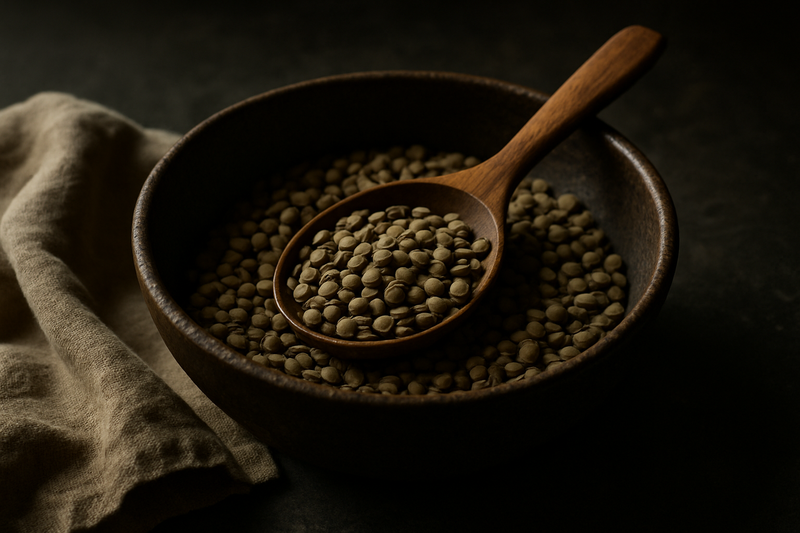
Wadi (Fermented Lentil Nuggets) · Photograph
Discover the health benefits and side effects of wadi (fermented lentil nuggets), the traditional Indian sun-dried legume cake. Learn how this plant-based, gut-friendly food supports digestion, heart health, and blood sugar — plus how to use, store, and cook it safely.
Key Nutrients
% Daily Value based on 2,000 cal diet
Key active compounds in fermented lentil wadi
- Phenolic acids and flavonoids — Plant-derived antioxidant molecules (such as ferulic and caffeic acid) found naturally in lentils. Antioxidants are compounds that neutralize harmful unstable molecules called free radicals. Fermentation can alter their profile and potentially improve how well the body absorbs them.
- Phytates (phytic acid) — Natural compounds in legumes that bind minerals like iron and zinc, reducing how much the body can absorb. Fermentation partially degrades phytates, which may improve mineral bioavailability (the proportion of a nutrient that actually enters circulation).
- Saponins — Soap-like plant glycosides (sugar-bound compounds) linked to modest cholesterol-lowering and immune-modulating effects in experimental models; their levels shift with soaking, cooking, and fermentation.
- Bioactive peptides — Short protein fragments formed when lentil proteins are broken down during fermentation. Early lab and animal research suggests possible antioxidant and blood pressure–related actions, though human data for fermented lentil products specifically remain limited.
- Resistant starch and modified fibers — Starch and fiber fractions that pass through the small intestine undigested, reaching the colon where gut bacteria ferment them into short-chain fatty acids (SCFAs). Fermentation and drying can change the proportion of resistant starch compared with plain cooked lentils.
Prep and pairing ideas
The classic base method: Dry-toast wadi in a hot pan for 1–2 minutes, then soak in warm water for 20 minutes until softened. Drain, then add to a simmering curry sauce (tomato-onion, spinach, or yogurt-based) and cook for 15–20 minutes until tender and flavors meld. The tangy fermented flavor deepens the sauce without any extra seasoning.
Pairing 1 — Wadi + spinach (palak wadi curry): Iron from wadi pairs naturally with the vitamin C in tomatoes or lemon juice added to a spinach gravy. Vitamin C (ascorbic acid) significantly improves absorption of non-heme (plant-based) iron, making this pairing both traditional and nutritionally smart.
Pairing 2 — Wadi + whole grains (brown rice or millet): Wadi is protein-dense but not a complete protein on its own, as it is lower in the amino acid methionine. Pairing with a whole grain provides complementary amino acids across the meal, supporting muscle maintenance and overall protein adequacy.
Pairing 3 — Wadi + turmeric and black pepper: Many traditional wadi recipes already include turmeric (curcumin) and black pepper (piperine). Research suggests piperine can enhance curcumin's bioavailability significantly. This anti-inflammatory spice duo also adds depth of flavor and color to the dish.
Storage tip: Keep dry wadi in an airtight glass or steel container in a cool, dry cupboard — away from humidity, which encourages mold. Properly stored, it can last several months to over a year. If you see any white or green fuzzy patches, discard the batch entirely. Never store wadi in the refrigerator in its dry form, as humidity fluctuations can introduce moisture.
Myths vs. facts about wadi
Myth 1: "Wadi is a high-probiotic food, like yogurt or kimchi." Fact: Because wadi is sun-dried and then cooked before eating, viable probiotic organisms are likely minimal. It functions more as a postbiotic food — delivering fermentation-derived compounds like organic acids, peptides, and modified fibers — rather than a high-dose source of live bacteria. Its gut-health value comes primarily from its fiber and fermentation by-products, not live cultures.
Myth 2: "The fermentation in wadi removes all antinutrients, so mineral absorption is complete." Fact: Fermentation partially reduces antinutrients like phytic acid, which can improve iron and zinc bioavailability compared with unfermented, raw lentils. But it does not eliminate them entirely. Pairing wadi with vitamin C-rich foods (tomatoes, lemon juice, amla) is still a smart strategy to further improve non-heme iron absorption.
Myth 3: "Wadi can be eaten dry as a high-protein snack." Fact: Dry wadi is very hard and must be rehydrated and cooked before eating — both for digestibility and food safety. Chewing it dry risks dental damage or a choking hazard, and insufficiently cooked fermented lentils are harder to digest and may carry a small risk of microbial contamination if improperly stored.
Bottom line
Wadi is a nutritionally intelligent, shelf-stable fermented food with deep roots in South Asian cooking. Its health story is largely the story of lentils: a well-evidenced plant protein and fiber source associated with improved heart health, better blood sugar management, and a more diverse gut microbiome. Fermentation adds a potential bonus — partial reduction of antinutrients, formation of bioactive peptides, and possible improvements in digestibility — though direct human clinical evidence for wadi specifically remains limited and emerging.
For practical day-to-day use, think of wadi as a flavourful, concentrated lentil ingredient rather than a supplement or probiotic. Store it dry, cook it thoroughly, and use it to anchor a curry that is already built around whole plants. That approach delivers the benefits most reliably — and tastes wonderful in the process.
Looking for more ways to build a gut-supportive, plant-rich diet? Explore the Plantopedia goals hub for curated ingredient and recipe guidance.
How Wadi (Fermented Lentil Nuggets) Compares
| Compared with | What's different |
|---|---|
| Wadi (Fermented Lentil Nuggets) vs. Whole Lentils | Wadi is fermented and sun-dried for a tangy flavor, whereas plain lentils are fresh or dried seeds. |
| Wadi (Fermented Lentil Nuggets) vs. Tofu (Soybean Curd) | Wadi has a chewy, meat-like texture and fermented funk, while tofu is soft and neutral in flavor. |
| Wadi (Fermented Lentil Nuggets) vs. Tempeh | Wadi is a concentrated, dry nugget used in stews; tempeh is a fresh, whole-bean fermented block. |
Health Benefits
Things to Know
Always cook before eating.: Dry wadi is not safe to eat raw or as a crunchy snack. It must be rehydrated (soaked in warm water for 15–30 minutes) and then thoroughly cooked — simmered in a curry, stew, or sauce — to ensure safety and proper digestibility.
Start with small amounts.: If you are new to pulses or high-fiber foods, introduce wadi gradually to allow your gut to adapt and minimize bloating or gas.
IBS, SIBO, and FODMAP sensitivity: Lentils are high in FODMAPs (fermentable carbohydrates that can trigger symptoms in sensitive individuals). Even fermented wadi may cause discomfort for people with irritable bowel syndrome (IBS) or small intestinal bacterial overgrowth (SIBO). Consult a dietitian before adding wadi regularly.
Kidney disease and potassium: Wadi is nutrient-dense and relatively potassium-rich by weight. Individuals advised to follow a low-potassium or low-phosphorus diet (common in chronic kidney disease) should speak with their healthcare provider before increasing intake.
Legume allergy: If you have a known allergy to lentils, chickpeas, peas, or soy, avoid wadi without guidance from a clinician.
Gout and hyperuricemia: Pulses contain purines, which the body breaks down into uric acid. People with gout or high uric acid levels should factor in total purine load from all pulse sources.
Medication interactions:
Insulin and oral diabetes medications (e.g., metformin, sulfonylureas): A pulse-rich diet may add to blood sugar–lowering effects; monitor glucose levels and discuss with your doctor.
Antihypertensive drugs (e.g., ACE inhibitors, ARBs, beta-blockers): High-potassium foods and potential blood pressure benefits from pulses may require monitoring.
Potassium-sparing diuretics (e.g., spironolactone): Adding a potassium-rich food like wadi may increase risk of hyperkalemia (dangerously high blood potassium) in susceptible individuals.
Iron supplements and hemochromatosis: While non-heme iron from lentils is generally beneficial, those with iron overload conditions should track total dietary iron carefully.
Pregnancy and immunocompromised individuals: Home-fermented foods carry a small foodborne risk if hygiene and proper drying are not followed. Always cook wadi thoroughly and inspect carefully before use.
Choking risk: Dry wadi is very hard. Ensure it is fully softened during cooking, especially for children or people with swallowing difficulties.
Glossary
Shop This Ingredient
Stock your pantry with quality wadi (fermented lentil nuggets).
Buy on AmazonAs an Amazon Associate, Plantopedia earns from qualifying purchases. This costs you nothing extra and helps us keep the encyclopedia free.
Frequently Asked Questions
Heart and circulation Human trials and meta-analyses on pulses broadly — including lentils — show modest but consistent improvements in total cholesterol, LDL cholesterol (often called "bad" cholesterol), and blood pressure when pulses replace refined carbohydrates or red meat in the diet. A typical effective intake in these studies is around one serving per day of cooked pulses (roughly ½ to 1 cup). Soluble fiber slows cholesterol reabsorption in the gut, plant protein may help reduce LDL, and potassium supports blood pressure regulation. No clinical trials have assessed wadi specifically, but its lentil base and fiber content suggest similar cardioprotective potential when it contributes to a pulse-rich pattern of eating. Digestive health and microbiome Lentils provide both soluble fiber (which forms a gel-like substance in the gut, feeding beneficial bacteria) and insoluble fiber (which adds bulk to stool and supports regularity). Human studies on high-fiber, pulse-rich diets show improvements in constipation, stool frequency, and production of SCFAs — the metabolic byproducts that nourish the colon lining and support a healthy microbiome. Fermentation may make wadi easier to tolerate than unfermented lentils for some people, because microbial activity begins to break down the complex carbohydrates (oligosaccharides) that cause gas and bloating. That said, wadi is sun-dried and cooked before eating, so live microbial counts are likely low; its main digestive role is as a fiber-rich fermented food rather than a high-dose probiotic. Direct human studies on wadi and gut microbiota are not yet available. Blood sugar and metabolism Lentils have a relatively low glycemic index — meaning they raise blood sugar more slowly than refined grains. This is largely due to their fiber and protein content, which slow glucose absorption. Dietary intervention studies replacing higher-glycemic foods with pulses (including lentils) show improvements in fasting blood glucose, insulin sensitivity, and post-meal blood sugar spikes in both healthy adults and people with type 2 diabetes or insulin resistance. Fermentation may modestly further lower the glycemic impact by altering starch structure and producing organic acids, though supporting data for wadi specifically are mechanistic and extrapolated rather than clinically confirmed. Inflammation and recovery Lentils contain polyphenols — a broad class of plant compounds with antioxidant properties — including flavonoids, phenolic acids, and tannins. Observational studies link higher pulse intake with lower inflammatory markers and reduced chronic disease risk. However, randomized controlled trials measuring inflammatory biomarkers specifically with lentil interventions are limited and mixed. For wadi, fermentation may generate bioactive peptides with anti-inflammatory actions in laboratory studies, but no human trials have measured inflammatory outcomes after wadi consumption. Evidence here is emerging and should be interpreted cautiously.
Wadi comes in several forms, and the choice affects both nutrition and safety. Traditional sun-dried wadi (the standard form) is the most practical and shelf-stable option. Made by fermenting spiced lentil paste, shaping it into nuggets, and drying in the sun, this form concentrates protein, fiber, and minerals. The drying process reduces viable microbes, so it functions more as a postbiotic food (delivering fermentation-derived compounds) than a live probiotic. For a WFPB approach, pan-toasting or simmering wadi directly in a sauce or stew is preferable to deep-frying. Homemade fresh fermented lentil batter retains more moisture and potentially more live fermenting organisms, but it is far less shelf-stable and must be cooked promptly. It offers a softer texture but requires more vigilance around food safety. Commercial or roasted/fried wadi is widely available in South Asian grocery stores but may be deep-fried before packaging, significantly raising fat and calorie content. Check ingredient labels for added sodium and oils. Regional variants — mangodi (moong dal based), borra, or mixed-pulse wadis — follow the same nutritional logic: concentrated pulse protein and fiber with fermentation-related modifications. Nutritional values will differ slightly based on the legume used.
There are no established clinical dosage guidelines for wadi specifically. Traditional culinary use typically involves 5 to 30 g dry weight per person per serving — roughly 1 to 4 nuggets — rehydrated and cooked in a dish that serves multiple people. At the higher end of this range (30 g dry), you are getting approximately 7 g of protein, 3 g of fiber, and meaningful amounts of folate, iron, and phosphorus. From a broader pulse-health perspective, most studies showing cardiovascular and metabolic benefits used about one serving of cooked pulses per day — roughly ½ to 1 cup cooked lentils (100–200 g cooked). Wadi contributes to this daily pulse intake but at typical culinary amounts is unlikely to constitute a full serving on its own. Practical guidance: If you are new to wadi or lentils generally, start with 5–10 g dry (1–2 small nuggets) in a dish and increase gradually over 2–3 weeks to allow gut adaptation. Those with no digestive sensitivities can comfortably include wadi as a regular component of a pulse-rich diet, aiming for the broader goal of at least one pulse-based meal per day. Listen to your body: persistent bloating, gas, or abdominal discomfort that does not improve after 2–3 weeks of regular use warrants a conversation with a dietitian or doctor.
Quick Answers
Common questions, answered in a line.
Wadi should be dry-toasted for 1–2 minutes, soaked in warm water for 20 minutes to soften, and then simmered in a sauce for 15–20 minutes. This process ensures the nuggets are tender, digestible, and safe to eat while allowing their tangy fermented flavor to deepen the dish.
Wadi is not a high-probiotic food because the sun-drying and cooking processes likely eliminate most live bacteria. Instead, it acts as a postbiotic food, providing fermentation-derived compounds like organic acids, bioactive peptides, and modified fibers that support gut health.
Store dry wadi in an airtight glass or steel container in a cool, dry cupboard away from humidity. Do not refrigerate dry wadi, as moisture fluctuations can promote mold growth; if you see white or green fuzzy patches, discard the entire batch.
You should not eat dry wadi as a snack because it is extremely hard and poses a risk of dental damage or choking. It must be rehydrated and thoroughly cooked to ensure it is safe to digest and free from potential microbial contamination.
Wadi is protein-dense but lacks sufficient methionine, so pairing it with whole grains like brown rice or millet creates a complete protein profile. This combination provides all essential amino acids necessary for muscle maintenance and overall nutritional adequacy.
Fermentation in wadi partially degrades phytates, which are natural compounds that normally block the absorption of minerals like iron and zinc. While it doesn't eliminate them entirely, this process makes the minerals in the lentils more bioavailable to the body.
Wadi may interact with medications for diabetes, high blood pressure, and potassium-sparing diuretics due to its effect on blood sugar and high potassium content. Individuals on these medications should monitor their levels and consult a healthcare provider before increasing intake.
For Readers in the USA
Local context — sourcing, seasonality, and regional notes.
You can find wadi at major Indian grocery chains like Patel Brothers or Specialty Food Markets, and increasingly through online retailers that ship nationwide. While rarely found in mainstream supermarkets like Kroger or Safeway, they are a staple in the international aisles of urban specialty grocers.
In the U.S., wadi is available year-round because it is a sun-dried, shelf-stable product, though it is most culturally popular during winter months in northern climates for its hearty, warming quality in curries. Because these nuggets are produced to last through the monsoon in India, they are perfectly suited for long-term pantry storage in any American climate.
Look for the USDA Organic seal on imported lentil products to ensure the legumes were grown without synthetic pesticides or GMOs, and check for FDA-compliant nutrition labeling. When buying wadi at local farmers' markets or ethnic stores, ensure the packaging is airtight and labeled with an expiration date, as moisture in US coastal climates can affect shelf life.
While "wadi" or "vadi" is the most common name in US-based South Asian markets, you may also see them labeled as "Mangodi" (made from moong dal) or "Amritsari Warian" (spicier Punjabi-style nuggets). These regional variations are often stocked side-by-side, offering different spice levels and lentil bases for American home cooks to experiment with.
AI Clinical Review
- Clearly explains that wadi is a sun‑dried, fermented lentil ingredient that must be rehydrated and cooked; it’s better viewed as a postbiotic food than a live‑culture probiotic.
- Puts the nutrition in realistic portions (about 7 g protein and 3 g fiber per 30 g dry) and frames wadi as a contributor to an overall pulse‑rich diet rather than a stand‑alone replacement for cooked lentils.
- Accurately reflects strong human evidence for pulses in general on LDL cholesterol and glycemic control, making a cautious, reasonable extrapolation to wadi when used regularly.
- Appropriately notes that fermentation can partially reduce antinutrients (like phytate) and that pairing with vitamin C can improve non‑heme iron absorption.
- Direct human trials on wadi itself (lipids, blood sugar, gut microbiota, inflammation) are limited; most health claims draw from broader pulse or fermented‑legume research.
- The degree of phytate reduction and mineral bioavailability in wadi likely varies by legume type, fermentation time, and drying conditions; high‑quality human absorption studies are scarce.
- Proposed benefits from bioactive peptides and resistant starch changes are supported mainly by lab or animal data; real‑world effect sizes in people remain uncertain.
- Live microbe counts after sun‑drying and cooking are probably low, but standardized measurement of postbiotic compounds in wadi is not yet established.
- Use and dose: always soak/reconstitute and cook thoroughly—do not eat dry due to choking/dental risk. Typical culinary amounts are 5–30 g dry per person, building gradually to reduce gas; let it contribute to a broader goal of ~½–1 cup cooked pulses per day from all sources.
- Who should be cautious: individuals with IBS/FODMAP sensitivity, gout/hyperuricemia, legume allergy, or chronic kidney disease (potassium/phosphorus) should check with a clinician. Those on insulin/oral diabetes meds or antihypertensives—including potassium‑sparing diuretics—may need monitoring as pulse‑rich diets can affect glucose and potassium/blood pressure.
- Food safety: store airtight and dry; discard if there’s moisture, off‑odors, or visible mold. Pregnant or immunocompromised individuals should be especially careful with home‑fermented versions and only consume well‑cooked wadi.
- Product form matters: some commercial or pre‑fried/roasted wadis can be higher in sodium and oil; choosing plain, unfried versions and cooking with minimal added salt and fat better aligns with health goals.
Dry-store carefully; rehydrate and cook before eating.
References
- USDA FoodData Central — Lentils, mature seeds, cooked, boiled (FDC ID 172421): Comprehensive nutrition data for cooked lentils including protein, fiber, folate, and minerals per 100 g and per 1 cup serving. (fdc.nal.usda.gov)
- USDA FoodData Central — Lentils, raw (FDC ID 172420): Nutrient values for raw lentils used to estimate wadi's concentrated composition. (fdc.nal.usda.gov)
- NIH Office of Dietary Supplements — Iron fact sheet: Overview of non-heme iron bioavailability, absorption enhancers (vitamin C), and inhibitors (phytate) relevant to plant-based iron sources including lentils. (ods.od.nih.gov)
- NIH NCCIH — Probiotics: What you need to know: Safety overview of fermented and probiotic foods, helping contextualize wadi's postbiotic (rather than high-CFU probiotic) role. (nccih.nih.gov)
- Ha, V. et al. (2014). Effect of dietary pulse intake on established therapeutic lipid targets for cardiovascular risk reduction — a systematic review and meta-analysis of randomized controlled trials. CMAJ, 186(8), E252–E262. Meta-analysis of 26 RCTs showing pulse consumption modestly reduces LDL cholesterol. (doi.org)
- Sievenpiper, J. L. et al. (2009). Effect of non-oil-seed pulses on glycaemic control: a systematic review and meta-analysis of randomised controlled experimental trials. Diabetologia, 52(8), 1479–1495. Meta-analysis demonstrating pulses including lentils improve glycemic control compared with higher-GI controls. (doi.org)
- Dahl, W. J. & Stewart, M. L. (2015). Position of the Academy of Nutrition and Dietetics: Health implications of dietary fiber. Journal of the Academy of Nutrition and Dietetics, 115(11), 1861–1870. Establishes fiber's role in bowel health, SCFA production, and metabolic regulation relevant to high-fiber foods like lentils. (doi.org)
- Saleh, A. S. M. et al. (2019). Lentils (Lens culinaris Medik.): A review of their nutritional, antinutritional and bioactive compounds and their changes during processing. Food Chemistry, 293, 248–258. Reviews how cooking, soaking, and fermentation affect antinutrients, phytate, and bioactive peptide content in lentils. (doi.org)
- Samtiya, M. et al. (2020). Plant food anti-nutritional factors and their reduction strategies: an overview. Food Production, Processing and Nutrition, 2, 6. Explains how fermentation reduces phytate and improves mineral bioavailability in legume-based foods including fermented products similar to wadi. (doi.org)
Know Your Numbers
Eating healthy is a start. Now get to know your biomarkers.
Food changes bloodwork — inflammation, lipids, blood sugar and nutrient status all respond to what you eat. 59 markers from $59.
- Results in 7–10 days at 2,000+ Quest sites
- Licensed provider reviews every result
- One flat price, no membership, HSA/FSA eligible
Educational information only, not medical advice. Panels are ordered and reviewed through our licensed partner; Plantopedia may earn a commission.