Fermented Bamboo Shoots — health benefits and uses
Hill communities from Nepal to Laos ferment bamboo (mesu/soibum) as a treasured sour seasoning.
The Short Answer
Fermented bamboo shoots are a low-calorie, probiotic-rich food that must be boiled for 15–20 minutes to neutralize residual cyanogenic glycosides and mellow their pungent, sour aroma.
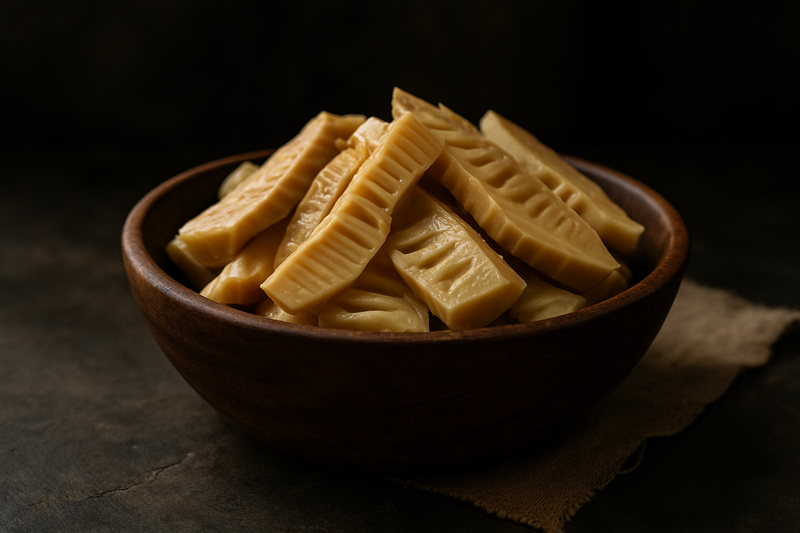
Fermented Bamboo Shoots · Photograph
Discover the health benefits of fermented bamboo shoots — from gut-friendly probiotics and heart-supportive fiber to the critical safety steps that remove cyanide. Includes nutrition facts, cooking tips, and who should take extra care.
Key Nutrients
% Daily Value based on 2,000 cal diet
Key active compounds in fermented bamboo shoots
- Taxiphyllin (cyanogenic glycoside): The primary natural toxin in raw bamboo; substantially reduced by fermentation and cooking. Understanding this compound is essential for safe preparation.
- Polyphenols (phenolic compounds): A broad class of antioxidant plant molecules; levels increase significantly during fermentation.
- Flavonoids: A subgroup of polyphenols — including flavones and flavonols — that also rise during fermentation and may have mild anti-inflammatory properties in laboratory models.
- Phytosterols: Plant-derived compounds structurally similar to cholesterol that may reduce how much cholesterol the gut absorbs from food.
- Lactic acid and acetic acid: Short-chain organic acids produced by LAB during fermentation; they lower pH, preserve the food, and may support a healthy gut environment.
- Lactic acid bacteria (LAB): Live microbes — predominantly Lactobacillus species — that drive fermentation and show probiotic potential in laboratory and animal studies.
- Dietary fiber: Both soluble and insoluble types support digestive regularity and feed beneficial gut bacteria.
Prep and pairing ideas
Fermented bamboo shoots are nearly always cooked before eating — this is both a flavor and a safety step.
Basic preparation:
- Drain and rinse canned or jarred shoots to remove excess brine.
- If using fresh or dried fermented shoots, soak dried ones for 2–4 hours, then drain.
- Boil for 15–20 minutes in fresh water, then drain again before adding to your dish. This step also mellow the pungent aroma.
Common pairings that work well:
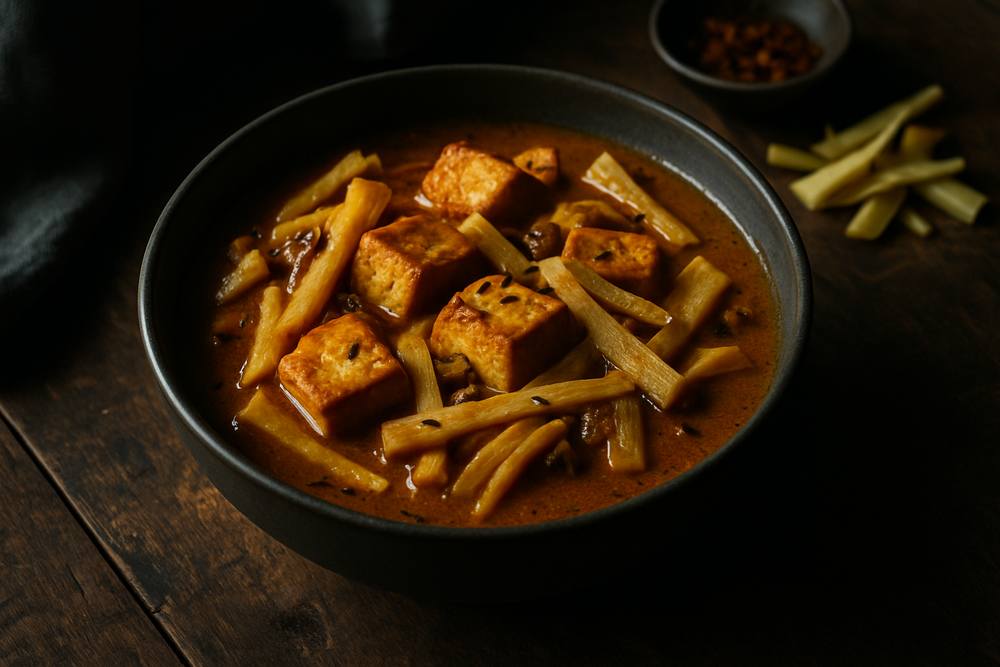
- Fermented bamboo shoots + pork or tofu + dried chilies (Northeast Indian style): The fat in pork or the protein in tofu absorbs the sour, funky flavors beautifully. The heat from chilies complements the acidity. This is the classic soibum curry base.
- Fermented bamboo shoots + coconut milk + lemongrass (Thai/Burmese style): Coconut milk rounds out the sharpness with richness, while lemongrass adds a citrus bridge between the sourness and the creaminess. Works well in a light curry or soup.
- Fermented bamboo shoots + ginger + sesame oil (Chinese suansun-style stir-fry): A fast weeknight option. The warmth of ginger and the nuttiness of sesame oil tame the sourness into something savory and complex. Add garlic and soy sauce, finish with scallions.
Storage: Unopened canned or jarred products: room temperature. Once opened, transfer to a glass or food-safe container, refrigerate, and use within 3–5 days. Fresh fermented shoots: keep refrigerated and use within a week.
Bottom line
Fermented bamboo shoots are a genuinely interesting food: low in calories, rich in fiber, elevated in antioxidant polyphenols through fermentation, and populated with lactic acid bacteria with real probiotic potential. Traditional use across multiple cultures suggests they can be a safe, flavorful, and nutritionally useful part of a plant-forward diet.
The headline caveat is safety: raw bamboo is not safe to eat, and fermented bamboo shoots must always be properly processed and cooked. Done right, the cyanide concern is well managed. Done carelessly, it is a real risk.
The health benefit claims you will find in some reviews — gut health, heart health, blood sugar, inflammation — are plausible and supported by nutritional reasoning and early laboratory data, but they are not yet confirmed by rigorous human clinical trials. That is not a reason to avoid them; it is a reason to enjoy them as a delicious traditional food that also happens to be nutritionally solid, rather than as a cure-all supplement.
Want to explore more plant-based foods with a similar evidence profile? Browse the Plantopedia fermented foods collection for research-grounded ingredient guides.
How Fermented Bamboo Shoots Compares
| Compared with | What's different |
|---|---|
| Fermented Bamboo Shoots vs. Fresh Bamboo Shoots | Crisper texture with a milder, sweet-savory flavor rather than the sour funk of fermentation. |
| Fermented Bamboo Shoots vs. Sauerkraut | Made from cabbage with a higher vitamin C content and a crunchy, thin-leaf texture. |
| Fermented Bamboo Shoots vs. Tempeh | A soy-based ferment with much higher protein (18g vs 3g) and a dense, nutty profile. |
Health Benefits
Things to Know
Never eat raw or improperly fermented bamboo shoots.: Raw shoots contain taxiphyllin, which can release hydrogen cyanide at dangerous levels.
Always cook fermented bamboo shoots thoroughly — boiling or steaming for at least 15–20 minutes is the standard safety step in traditional practice.
The combination of proper fermentation + thorough cooking reduces cyanide to safe levels. Short-cut either step and the risk increases.
Pregnant and breastfeeding individuals: Stick to thoroughly boiled, properly fermented products only. Avoid any uncertain or home-fermented batches from unfamiliar sources.
Infants and young children: Lower body weight means lower tolerance for cyanogenic compounds. Only offer fully cooked, commercially or traditionally well-fermented products in small amounts.
People with thyroid conditions: Chronic exposure to cyanogenic foods has been linked to thyroid disruption in iodine-deficient settings. Properly processed fermented shoots are unlikely to pose a problem, but avoid raw or suspect preparations.
Kidney disease or potassium-restricted diets: Fermented bamboo shoots contain meaningful potassium (~230 mg per 100 g). If your doctor has limited potassium intake, check portion sizes.
Salt-sensitive hypertension or heart failure: Salted preparations can be high in sodium. Drain and rinse brine before cooking, and moderate serving size.
IBS or sensitive digestion: The fiber, organic acids, and fermentation byproducts may cause bloating or gas, especially in larger portions. Start with small amounts and see how you tolerate it.
Histamine or biogenic amine sensitivity: Like other fermented foods, fermented bamboo shoots may contain biogenic amines (e.g., histamine, tyramine). Those prone to headaches, flushing, or other reactions from fermented foods should go slowly.
ACE inhibitors, ARBs, potassium-sparing diuretics: High-potassium foods may push total potassium intake above target. Worth noting if you eat large portions frequently.
Antihypertensive medications: High-sodium preparations can counteract blood-pressure control.
MAOIs (monoamine oxidase inhibitors): Biogenic amines in fermented foods can potentially interact with this class of medications. Check with your prescribing doctor.
Prep Ideas
- — Drain and rinse canned or jarred shoots to remove excess brine.
- — If using fresh or dried fermented shoots, soak dried ones for 2–4 hours, then drain.
- — Boil for 15–20 minutes in fresh water, then drain again before adding to your dish. This step also mellow the pungent aroma.
- — Fermented bamboo shoots + pork or tofu + dried chilies (Northeast Indian style): The fat in pork or the protein in tofu absorbs the sour, funky flavors beautifully. The heat from chilies complements the acidity. This is the classic soibum curry base.
- — Fermented bamboo shoots + coconut milk + lemongrass (Thai/Burmese style): Coconut milk rounds out the sharpness with richness, while lemongrass adds a citrus bridge between the sourness and the creaminess. Works well in a light curry or soup.
- — Fermented bamboo shoots + ginger + sesame oil (Chinese suansun-style stir-fry): A fast weeknight option. The warmth of ginger and the nuttiness of sesame oil tame the sourness into something savory and complex. Add garlic and soy sauce, finish with scallions.
Shop This Ingredient
Stock your pantry with quality fermented bamboo shoots.
Buy on AmazonAs an Amazon Associate, Plantopedia earns from qualifying purchases. This costs you nothing extra and helps us keep the encyclopedia free.
Frequently Asked Questions
It is important to be upfront: most health claims for fermented bamboo shoots are supported by nutritional reasoning, laboratory findings, or traditional use — not by randomized controlled trials in humans. Where human evidence is thin, we say so. Heart and circulation Fermented bamboo shoots tick several boxes that nutritional science associates with heart-supportive eating patterns: very low in saturated fat, negligible cholesterol, a modest amount of dietary fiber, and a meaningful hit of potassium. Potassium helps regulate blood pressure by balancing sodium's effect on fluid retention, and fiber can help maintain healthy cholesterol levels over time. Reviews also point to the rise in antioxidant polyphenols during fermentation, which at a mechanistic level may reduce the oxidative damage involved in the buildup of artery-clogging plaques (atherosclerosis). Phytosterols present in the shoots may further limit cholesterol absorption in the gut. Evidence level: Moderate for the nutrient profile argument; no bamboo-specific cardiovascular clinical trials exist. These are best framed as heart-supportive foods within an overall healthy diet, not as treatments for heart disease. Watch the sodium: Salt-heavy fermented bamboo preparations can undercut any blood-pressure benefit. Rinsing or draining the brine before cooking can help significantly. Digestive health and microbiome Fermented bamboo shoots for gut health represent one of the most plausible — and most researched — benefit areas, even if human trials are still missing. The fiber feeds beneficial bacteria already living in your large intestine (acting as a prebiotic — food for gut microbes). The lactic acid bacteria present in unpasteurized fermented shoots may add to the gut's microbial diversity (probiotic benefit — introducing live beneficial microbes). Laboratory studies show that Lactobacillus strains isolated from fermented bamboo shoots can survive the harsh conditions of the stomach and small intestine, a prerequisite for reaching the colon alive. One experimental study found that these Lactobacillus strains helped maintain intestinal barrier integrity — the "tight junctions" between gut-lining cells that prevent harmful substances from leaking into the bloodstream — in cell and animal models of chronic gut inflammation. Traditional use across Northeast India and China includes fermented bamboo shoots as a remedy for digestive discomfort and heavy meals, consistent with their role as a fiber- and acid-rich food that aids motility and digestion. Evidence level: Emerging — promising in vitro and animal data, no human feeding trials yet. Blood sugar and metabolism As an extremely low-calorie, high-fiber, low-fat vegetable, fermented bamboo shoots fit naturally into dietary patterns designed to manage blood sugar. Fiber slows the absorption of carbohydrates, blunting sharp glucose spikes after meals (glycemic impact — how quickly a food raises blood sugar). At roughly 30 kcal per 100 g, they add bulk to a meal without adding significant glucose load. That said, no controlled human study has specifically tested fermented bamboo shoots for fasting blood glucose, insulin sensitivity, or diabetes outcomes. The blood-sugar and weight-management benefits cited in some reviews are extrapolated from general high-fiber, low-fat eating principles — not from bamboo-specific data. Evidence level: Emerging — logical and plausible, not yet confirmed in clinical trials. Inflammation and recovery Both polyphenols and live LAB produced during fermentation have shown anti-inflammatory properties in laboratory models. The same Lactobacillus strains mentioned above reduced inflammatory signaling molecules (cytokines) in experimental gut-disease models, suggesting a potential role in modulating the body's immune response in the gut lining. Fermentation measurably increases total phenolic content and antioxidant capacity compared to fresh shoots, providing a biochemical rationale for reduced oxidative stress — which underlies many chronic inflammatory conditions. Evidence level: Emerging — preclinical only. No human intervention trials on fermented bamboo shoots and inflammatory biomarkers have been published.
Buying guide: fresh vs. jarred vs. dried vs. canned Fresh/traditionally fermented (soibum, soidon, suansun) The gold standard for flavor and live bacterial content. Found in Asian grocery stores, specialty markets, and wet markets across South and Southeast Asia. These are typically sold refrigerated or in vacuum packs. Look for a sour, clean smell — not rotten or sulfurous. Check that the product has been fermented AND that cooking is required (it usually is). Jarred/pickled (salted brine) Widely available and convenient. Read the sodium content on the label — some brands add heavy brine that can push a single serving well over 400–600 mg of sodium. Drain and rinse before using. Good probiotic content is unlikely after the high-salt preservation, but flavor and fiber are intact. Dried fermented bamboo shoots Used in parts of Northeast India and China. Rehydrate by soaking in water for several hours, then boil before cooking. Drying after fermentation may further stabilize residual cyanide reduction, but boiling is still essential. Very long shelf life. Canned (commercially processed) Most shelf-stable option. Typically pre-boiled and canned in brine. Minimal live bacterial content (pasteurized), but safe, convenient, and still a good source of fiber and potassium. Check for "no added salt" versions where available. Label tip: The ideal label says "fermented bamboo shoots," lists ingredients as bamboo shoots + salt + water (no artificial preservatives), and instructs you to cook before eating. Avoid products with vague processing descriptions if buying for food safety reasons.
There is no officially established therapeutic dose — fermented bamboo shoots are a traditional food, not a standardized supplement. In traditional diets across Northeast India and Yunnan, China, typical daily culinary portions range from 30 to 100 g per day as part of a meal. This appears to be a well-tolerated range for healthy adults eating properly processed products. Practical guidance: Start at the lower end (30–50 g, cooked) if you are new to high-fiber fermented foods, to allow your gut to adjust. Always cook thoroughly regardless of portion size — cooking is a safety step, not optional. Moderate sodium: At high portions, salted preparations can add significant sodium to your day. Rinsing before cooking helps. Not a medicine: No clinical evidence supports using fermented bamboo shoots as a substitute for any prescribed treatment. Use them as one nutritious component of a varied diet. If you have a medical condition — particularly thyroid disease, kidney disease, or cardiovascular conditions — speak with your doctor or dietitian about appropriate portions.
- People building a higher-fiber, plant-forward diet Very low calorie density (only 30 kcal/100 g), so they add volume to meals without adding much energy The fiber content supports satiety and feeds gut bacteria A genuine whole-food fermented option — not a processed supplement 2. Anyone curious about traditional fermented foods beyond kimchi and sauerkraut A culturally rich food from Northeast India and East Asia with centuries of traditional use Introduces new flavor dimensions (pungent, sour, earthy) that work in curries, soups, and stir-fries A way to explore probiotic-rich lacto-fermented vegetables from underrepresented food cultures
Quick Answers
Common questions, answered in a line.
You must never eat fermented bamboo shoots raw because they contain taxiphyllin, a natural toxin that can release dangerous levels of hydrogen cyanide. Proper fermentation and boiling for at least 15–20 minutes are essential safety steps to reduce these compounds to safe levels.
To prepare fermented bamboo shoots safely, drain and rinse the brine, then boil the shoots in fresh water for 15–20 minutes before adding them to your dish. This process not only ensures safety by reducing cyanogenic compounds but also helps mellow the food's pungent aroma.
Fermented bamboo shoots are high in dietary fiber, lactic acid bacteria (probiotics), and antioxidant polyphenols, all of which support digestive health and a healthy gut environment. The fermentation process increases beneficial organic acids and flavonoids that may offer anti-inflammatory properties.
People with thyroid conditions should be cautious because chronic exposure to cyanogenic foods can disrupt thyroid function, particularly in those with iodine deficiencies. While properly processed shoots are generally safe, it is vital to avoid raw or improperly prepared versions.
Fermented bamboo shoots contain phytosterols, which are plant compounds that may help lower cholesterol by reducing how much of it is absorbed in the gut. They are also rich in fiber, which is a known factor in supporting heart health and regular digestion.
Individuals with kidney disease or those on potassium-restricted diets should monitor their intake because fermented bamboo shoots contain approximately 230 mg of potassium per 100 g. Large portions could potentially interfere with medications like ACE inhibitors or potassium-sparing diuretics.
Pregnant and breastfeeding individuals should only consume fermented bamboo shoots that have been thoroughly boiled and sourced from reliable, properly fermented batches. It is best to avoid home-fermented versions from unfamiliar sources to minimize the risk of toxin exposure.
For Readers in the USA
Local context — sourcing, seasonality, and regional notes.
In the United States, you can find fermented bamboo shoots at major Pan-Asian grocery chains like H Mart, 99 Ranch Market, and Mitsuwa Marketplace, as well as via online specialty retailers. They are typically sold in the canned or jarred vegetable aisle, often labeled as "sour bamboo shoots" or by regional names like "suansun."
Domestic bamboo production is limited, but states like Florida, Georgia, and Hawaii have small-scale farms that occasionally provide fresh shoots to local farmers markets during the spring growing season. However, the vast majority of fermented bamboo shoots sold in the U.S. are imported from Thailand, China, or Taiwan.
The FDA regulates imported fermented bamboo shoots under the Acidified Foods regulations to ensure they are processed safely to eliminate pathogens and reduce naturally occurring cyanogenic glycosides. When buying, look for products that list clear nutritional facts and country of origin to ensure they meet U.S. food safety standards.
While fermented bamboo is a staple in Asian-American households, it is gaining popularity in U.S. culinary hubs like New York and San Francisco as a "funk" ingredient in fusion cooking and vegan charcuterie. It is often used by U.S. chefs as a plant-based alternative to provide the acidic, umami punch typically found in fermented dairy or meats.
AI Clinical Review
- Clearly explains the safety issue with raw bamboo (taxiphyllin, a cyanogenic glycoside) and how proper fermentation plus thorough boiling meaningfully reduces risk.
- Accurately portrays fermented bamboo shoots as very low calorie with useful fiber and potassium—nutrients that fit well in heart‑supportive eating patterns when sodium is managed.
- Appropriately frames potential benefits (antioxidant polyphenols, lactic acid bacteria, fiber) as promising but not proven, aligning with the current preclinical evidence base.
- Offers practical, consumer‑friendly guidance on product forms and preparation (rinsing/brining awareness, 15–20 minute boil), which is consistent with traditional food safety practices.
- Probiotic claims rely largely on lab and animal data; the survival, dose, and consistency of live bacteria in retail products—especially pasteurized, jarred, or canned—remain uncertain.
- No randomized human trials have tested fermented bamboo shoots for outcomes like blood sugar control, cholesterol, inflammation, or microbiome changes, so health effects are inferred rather than demonstrated.
- Increases in antioxidant/phenolic content are biochemical markers; their translation to meaningful clinical benefits (e.g., reduced disease risk) has not been established.
- Degree of cyanide reduction can vary by bamboo species, fermentation conditions, and cooking method; standardized home‑fermentation safety guidance is limited.
- Typical culinary portions of 30–100 g cooked per day are reasonable for healthy adults; if you’re new to fermented/high‑fiber foods, start smaller to minimize bloating.
- Use properly fermented products and always cook thoroughly; pregnant or breastfeeding individuals and young children should avoid raw or uncertain home ferments and stick to trusted, fully cooked products.
- Sodium can be high in brined or canned options; draining and rinsing helps—especially important for those with hypertension or heart failure.
- Potassium (~230 mg/100 g) and biogenic amines (fermentation byproducts like histamine/tyramine) may matter for people with kidney disease, on ACE inhibitors/ARBs or potassium‑sparing diuretics, on MAOIs, or with histamine sensitivity—check with your clinician if unsure.
Raw bamboo contains cyanogens; fermented shoots must be properly processed and cooked.
References
- USDA FoodData Central — bamboo shoot nutritional data (fdc.nal.usda.gov)
- Nutritional, antioxidant and toxicological profile of fermented bamboo shoots (review) (pmc.ncbi.nlm.nih.gov)
- Health benefits of fermented bamboo shoots — PMC review (pmc.ncbi.nlm.nih.gov)
- Influence of fermentation on antioxidant activity and phenolic content of bamboo shoots (JSTAGE) (jstage.jst.go.jp)
- Cyanogenic glycosides and bamboo shoot safety — PMC review (ncbi.nlm.nih.gov)
- Lactobacillus from fermented bamboo shoots prevents inflammation in chronic intestinal disease models (sciopen.com)
- Effect of fermentation on nutritional quality of bamboo shoots — PMC article (pmc.ncbi.nlm.nih.gov)
- From bamboo shoot to suansun: fermentation mechanisms, metabolic pathways, and health implications (PubMed) (pubmed.ncbi.nlm.nih.gov)
- Uncovering taxiphyllin in bamboo shoots: analytical perspective on cyanogenic glycosides and processing (PubMed) (pubmed.ncbi.nlm.nih.gov)
- Bamboo shoot processing: food quality and safety aspects (ScienceDirect) (sciencedirect.com)
Know Your Numbers
Eating healthy is a start. Now get to know your biomarkers.
Food changes bloodwork — inflammation, lipids, blood sugar and nutrient status all respond to what you eat. 59 markers from $59.
- Results in 7–10 days at 2,000+ Quest sites
- Licensed provider reviews every result
- One flat price, no membership, HSA/FSA eligible
Educational information only, not medical advice. Panels are ordered and reviewed through our licensed partner; Plantopedia may earn a commission.