Curtido — health benefits and uses
Central American cooks fermented cabbage as a tangy, digestion-friendly counterpoint to rich masa dishes.
The Short Answer
Curtido is a Salvadoran fermented cabbage slaw that provides 40mg of vitamin C and 2g of fiber per serving. It is traditionally served with pupusas to add probiotics, tang, and crunch to the meal.
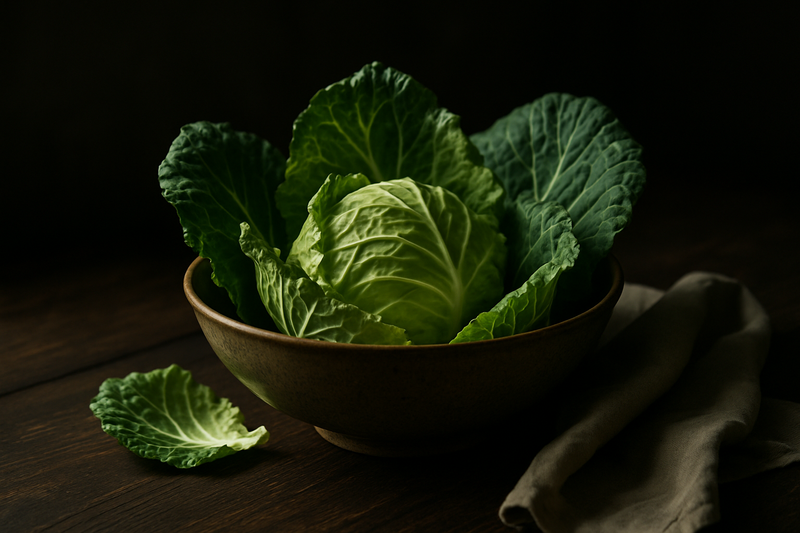
Curtido · Photograph
Discover the curtido health benefits you're missing: a Salvadoran lacto-fermented cabbage slaw packed with fiber, vitamin C, and gut-friendly bacteria. Learn curtido nutrition facts, sodium tips, and how to make the most of this low-calorie pupusa topping.
Key Nutrients
% Daily Value based on 2,000 cal diet
Key active compounds
- Glucosinolates — Sulfur-containing molecules found in cabbage, a cruciferous vegetable. During chopping and fermentation they break down into compounds such as sulforaphane and indole-3-carbinol, which are linked to antioxidant enzyme activity and cellular protection in laboratory and animal research.
- Carotenoids (β-carotene) — Orange-yellow pigments from carrot that the body can convert into vitamin A; also act directly as antioxidants.
- Flavonoids (quercetin, kaempferol) — Polyphenolic compounds (a class of plant antioxidants) found in cabbage, onion, and oregano; associated with reduced cardiovascular risk in observational studies.
- Lactic acid and lactic acid bacteria (LAB) — The organic acid and living microbes (often Lactobacillus species) produced when natural sugars in vegetables ferment in a salt brine. They give curtido its tang and are what earns it the label "probiotic-style" food.
- Organosulfur compounds — Sulfur molecules released from cabbage and onion during cutting and fermentation; studied for antioxidant and cardioprotective potential.
- Vitamin C (ascorbic acid) — A water-soluble antioxidant and immune-support nutrient abundant in fresh cabbage; partially preserved through the gentle, low-heat process of lacto-fermentation.
Prep and pairing ideas
Curtido is easy to make at home with five ingredients and a bowl. The basic ratio is roughly 4 cups shredded cabbage, 1 cup shredded carrot, ½ cup thinly sliced onion, 1 teaspoon dried oregano, and ¾–1 teaspoon salt. Toss thoroughly, press into a jar, add a splash of warm water to submerge, and leave at room temperature for 1–3 days before refrigerating.
Three practical pairings:
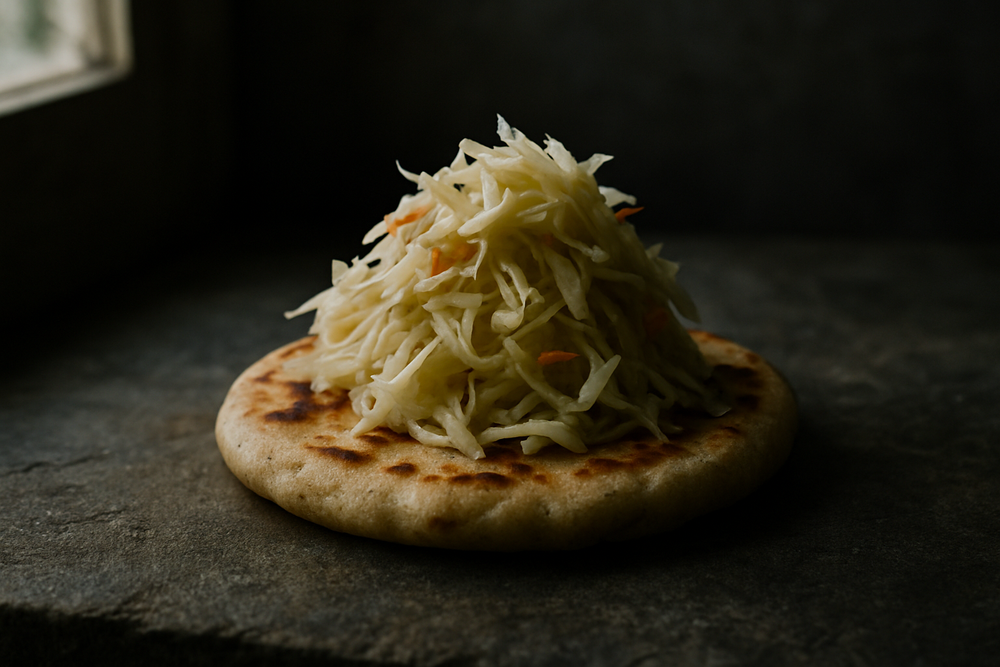
- Curtido on pupusas — The classic. The tangy crunch of curtido cuts through the richness of cheese or bean-filled masa cakes, balancing flavor and adding fiber and vitamin C to an otherwise starch-forward meal.
- Curtido in a black bean taco — Pile it on instead of (or alongside) shredded lettuce. The lactic acid brightness lifts the earthiness of beans, and the pairing delivers complementary plant proteins, fiber, and iron in one handheld meal.
- Curtido alongside scrambled tofu or eggs — A small spoonful on the side of a protein-forward breakfast adds texture, probiotics-in-training, and enough vitamin C to enhance non-heme iron absorption from plant proteins — a practical nutritional synergy.
Bottom line
Curtido is one of the most underrated fermented vegetables in the whole-food plant-based pantry. It delivers fiber, vitamin C, potassium, and a spectrum of plant antioxidants in a low-calorie, no-fat condiment that makes starchy, protein-rich meals more nutritionally complete. When traditionally lacto-fermented, it may also offer gut microbiome benefits comparable to other fermented cabbage foods — though curtido-specific clinical evidence is still lacking.
The main thing to manage is sodium. Made at home with measured salt, curtido fits comfortably into nearly any eating pattern, including heart-healthy, WFPB, and weight-management approaches. Made commercially or very heavily salted, it requires more careful portioning. Either way, adding a spoonful of curtido to your plate is a simple, culturally rich way to eat more vegetables every day.
Explore more ways to build fermented and plant-based foods into your diet on the Plantopedia goals page.
How Curtido Compares
| Compared with | What's different |
|---|---|
| Curtido vs. Sauerkraut | Curtido is fermented for a shorter time (1–3 days) and includes oregano, onion, and carrots. |
| Curtido vs. Kimchi | Curtido uses oregano and mild heat; Kimchi typically uses fish sauce, ginger, and heavy chili paste. |
Health Benefits
Things to Know
Sodium awareness: Curtido's biggest variable is salt. Those with hypertension, heart failure, or chronic kidney disease should use low-sodium homemade recipes and keep portions to 2–3 tablespoons per sitting.
IBS and FODMAP sensitivity: Cabbage is a high-FODMAP food (a category of fermentable carbohydrates that can trigger bloating and cramping in sensitive individuals). If you have irritable bowel syndrome (IBS), start with very small amounts and monitor symptoms.
Histamine intolerance: Fermented foods naturally contain histamine and other biogenic amines. If you have histamine intolerance or mast cell activation disorder, traditionally fermented curtido may trigger symptoms; quick-pickled versions may be better tolerated.
Warfarin (and other vitamin K–sensitive anticoagulants): Cabbage contains vitamin K, which affects how warfarin works in the body. Curtido is typically eaten in small amounts, so the risk is modest — but sudden large increases in cruciferous vegetable intake should be discussed with your prescriber.
Lithium: Large changes in dietary sodium can affect lithium levels in the blood. Keep portions consistent if you take lithium.
MAO inhibitors: Some caution with fermented foods is generally advised for people taking monoamine oxidase (MAO) inhibitor medications due to potential tyramine content.
Pregnancy: Curtido is generally considered safe in pregnancy when made with good food hygiene. Use clean utensils, store covered and refrigerated after fermentation, and avoid batches that smell off.
Bloating when starting: Some people experience temporary gas when introducing fermented or cabbage-based foods. Start with small amounts and increase gradually.
Prep Ideas
- — **Curtido on pupusas** — The classic. The tangy crunch of curtido cuts through the richness of cheese or bean-filled masa cakes, balancing flavor and adding fiber and vitamin C to an otherwise starch-forward meal.
- — **Curtido in a black bean taco** — Pile it on instead of (or alongside) shredded lettuce. The lactic acid brightness lifts the earthiness of beans, and the pairing delivers complementary plant proteins, fiber, and iron in one handheld meal.
- — **Curtido alongside scrambled tofu or eggs** — A small spoonful on the side of a protein-forward breakfast adds texture, probiotics-in-training, and enough vitamin C to enhance non-heme iron absorption from plant proteins — a practical nutritional synergy.
Glossary
Shop This Ingredient
Stock your pantry with quality curtido.
Buy on AmazonAs an Amazon Associate, Plantopedia earns from qualifying purchases. This costs you nothing extra and helps us keep the encyclopedia free.
Frequently Asked Questions
The research below draws on curtido's ingredient profile and on human studies of similar fermented and cruciferous vegetable foods. Curtido itself has not been studied in clinical trials. Digestive health and microbiome Curtido provides about 2 grams of dietary fiber per ½ cup — mostly from cabbage and carrot cell walls. Fiber feeds beneficial gut bacteria (a process called fermentation in the colon), softens stool, and supports regularity. When curtido is traditionally lacto-fermented rather than quick-pickled, it also carries live lactic acid bacteria that may add to gut microbiota diversity. Human trials on sauerkraut and kimchi — fermented cabbage dishes with a comparable composition — show modest improvements in stool frequency, microbiome diversity, and gastrointestinal comfort. Those benefits are plausible for traditionally fermented curtido but have not been tested directly. One important nuance: curtido made with a short vinegar-based marinade (see the "fermented vs. pickled" section below) may have little live microbial activity and delivers primarily the fiber and vegetable nutrients. Heart and circulation Curtido is low in calories, contains no saturated fat, and provides potassium, which supports healthy blood pressure. Human trials on fermented cabbage foods suggest potential modest improvements in blood lipids and arterial stiffness. However, the heart-health story for curtido is complicated by sodium: a ½ cup of heavily salted or commercial curtido can contain 400 mg or more of sodium, which may offset cardiovascular benefits in salt-sensitive individuals or those with hypertension. The ingredient is most heart-friendly when prepared at home with measured salt and eaten in condiment-sized portions. Blood sugar and metabolism A ½ cup of curtido contains roughly 7 grams of carbohydrate and 2–3 grams of sugar, making it a very low glycemic food (low on the scale of how quickly a food raises blood glucose). Research on fermented vegetables and fiber-rich side dishes shows they can modestly blunt the blood sugar spike after starchy meals. Eaten alongside pupusas or other carbohydrate-rich dishes, curtido may contribute a small buffering effect, though no trials confirm this specifically. People managing diabetes should treat curtido as a helpful, low-sugar condiment — not a primary blood sugar management tool. Inflammation and recovery Cabbage, carrot, and oregano each contribute antioxidant compounds — vitamin C, carotenoids, flavonoids — that help neutralize free radicals (unstable molecules that can damage cells). Fermentation can increase the bioavailability (how well the body absorbs and uses a compound) of some plant chemicals. Human studies of cruciferous vegetable intake and fermented food consumption show modest reductions in markers of oxidative stress and low-grade inflammation. Evidence for curtido specifically is indirect; heavily salted preparations may not be ideal for individuals with conditions that are sensitive to sodium or histamine.
This is one of the most common questions about curtido, and the honest answer is: it depends on what you're looking for. Traditional lacto-fermented curtido is made by massaging shredded cabbage, carrot, onion, and oregano with salt and leaving the mixture at room temperature for 1–3 days. Naturally occurring bacteria on the vegetables consume sugars, produce lactic acid, lower the pH, and — under the right conditions — multiply into a living culture. This version offers the greatest potential for probiotic-like effects and a more complex, tangy flavor. Quick-pickled curtido uses vinegar to mimic the tangy taste in a matter of hours. It delivers the same vegetables, fiber, and vitamins but likely has far less live microbial activity because vinegar-based pickling does not encourage the growth of lactic acid bacteria the way a salt brine does. Commercially packaged curtido may be pasteurized (heat-treated) for shelf stability, which kills live microbes. These products still provide fiber and micronutrients, but the probiotic potential is reduced or absent. Sodium in commercial products can be very high — always read the label. Bottom line: If gut microbiome support is your goal, traditionally fermented, salt-brined curtido made at home is the most promising option. If you mainly want a low-calorie, vegetable-rich condiment with great flavor, any version works.
The pupusa lover who wants more vegetables Curtido is the traditional accompaniment to pupusas — adding it generously means every bite comes with fiber and vitamins. At roughly 30 calories per ½ cup, it adds volume and crunch without meaningfully increasing calories. Even quick-pickled versions provide a nutritional upgrade over creamy or oil-heavy toppings. The gut-health-focused eater building a fermented food rotation Traditionally fermented curtido is an accessible, affordable entry point into lacto-fermented foods. It pairs well with other fermented staples (miso, kimchi, kefir) to diversify fermented food intake across the week. Starting with 2–4 tablespoons per day minimizes any initial bloating as the gut adjusts.
There is no established clinical dose for curtido. Traditional Salvadoran eating patterns typically use it as a condiment — 2–4 tablespoons (roughly ¼–½ cup) per meal, one or more times daily. This amount keeps sodium intake modest with a well-salted homemade recipe and is enough to contribute fiber, vitamin C, and — if traditionally fermented — live bacteria. For those specifically interested in gut microbiome support, consistency matters more than quantity. A small amount daily over weeks is likely more beneficial than a large amount occasionally. Start at 2 tablespoons per day and increase gradually over 1–2 weeks, especially if you are new to fermented foods or sensitive to cabbage. People on sodium-restricted diets (under 1,500 mg per day) should keep servings to 2–3 tablespoons from a low-sodium recipe and account for curtido's sodium contribution within their daily total.
Quick Answers
Common questions, answered in a line.
Curtido contains vitamin C, carotenoids, and flavonoids like quercetin and kaempferol. These compounds act as antioxidants that support immune function, provide cellular protection, and are associated with reduced cardiovascular risk.
You can make curtido by tossing shredded cabbage, carrot, onion, oregano, and salt together before pressing them into a jar with a splash of warm water. Let the mixture sit at room temperature for one to three days to undergo lacto-fermentation before moving it to the refrigerator.
Curtido is a heart-healthy choice because it is a low-calorie, fat-free condiment that contains organosulfur compounds and flavonoids. However, individuals with heart failure or hypertension should monitor the sodium content and opt for low-sodium homemade versions.
Eating curtido alongside plant-based proteins can enhance iron absorption due to its high vitamin C content. It also adds beneficial fiber and "probiotic-style" lactic acid bacteria to starchy or protein-heavy meals like pupusas, tacos, or scrambled tofu.
Curtido may cause bloating, gas, or cramping in people with IBS or FODMAP sensitivities because cabbage is a high-FODMAP food. Those with histamine intolerance or people taking medications like warfarin or lithium should also exercise caution and consult a healthcare provider.
Curtido is considered a "probiotic-style" food because the lacto-fermentation process produces living lactic acid bacteria, such as Lactobacillus. These microbes, along with the natural fiber in the vegetables, contribute to gut microbiome benefits.
For Readers in the USA
Local context — sourcing, seasonality, and regional notes.
You can find curtido at most Salvadoran bakeries, pupuserias, and Hispanic grocery stores like Vallarta, Sedano’s, or Fiesta Mart. While major retailers like Whole Foods or Kroger may carry "curtido-style" krauts, authentic versions are best sourced from local Central American markets where it is a refrigerated staple.
Because cabbage, carrots, and onions are year-round staples in U.S. supermarkets, you can make or buy fresh curtido in any season. Cabbage is most abundant and affordable during its peak domestic harvest months from late fall through early spring, particularly in states like Florida, Texas, and California.
For the best flavor and probiotic potential, look for curtido in the refrigerated section labeled "naturally fermented" or "perishable." If you find it in the shelf-stable center aisles, it has likely been pasteurized or vinegar-pickled, which kills the beneficial live cultures mentioned in the article.
While there are no specific FDA guidelines for curtido, the agency regulates it under general acidified or fermented food safety standards. To ensure you are getting the health benefits described, look for products with the USDA Organic seal to avoid synthetic pesticide residues common on conventionally grown domestic cabbage.
AI Clinical Review
- Presents curtido as a low‑calorie, vegetable‑forward condiment that can boost fiber, vitamin C, and potassium without added fat or sugar.
- Clearly distinguishes traditionally fermented curtido from quick‑pickled or pasteurized versions and explains how that affects live microbes and potential “probiotic‑style” benefits.
- Accurately frames the evidence by drawing on research from similar fermented cabbage foods (e.g., sauerkraut, kimchi) rather than overstating curtido‑specific data.
- Highlights sodium as the key variable and offers realistic portion guidance that fits everyday eating patterns.
- There are no clinical trials on curtido itself; expected gut and metabolic effects are inferred from studies on other fermented vegetables.
- The amount and types of beneficial bacteria can vary widely with salt level, temperature, time, oxygen exposure, and storage—so “probiotic” impact isn’t guaranteed.
- Potential cardiometabolic and post‑meal blood sugar benefits from fermented vegetables appear modest and context‑dependent; real‑world effects will vary by the meal and individual.
- Changes in phytochemicals during fermentation (e.g., glucosinolate breakdown, vitamin C retention) are inconsistent across studies, so net antioxidant effects are hard to quantify.
- Sodium matters: people with hypertension, heart failure, or chronic kidney disease should favor lightly salted homemade versions and keep portions small (about 2–4 tablespoons at a time).
- IBS or FODMAP sensitivity: cabbage can trigger bloating; start with very small amounts and increase as tolerated, or consider quick‑pickled versions if fermentation is troublesome.
- Histamine and medication cautions: fermented foods may aggravate histamine intolerance; those on MAO inhibitors should be cautious with aged/fermented foods. Warfarin users should keep cruciferous vegetable intake consistent; lithium users should avoid large swings in dietary sodium.
- Food safety and form: traditionally fermented, unpasteurized curtido offers the best chance of live microbes; commercial products may be pasteurized. In pregnancy, use clean technique and refrigerate promptly after fermentation.
Contains salt; those limiting sodium should keep servings modest.
References
- USDA FoodData Central — raw green cabbage nutritional reference (fdc.nal.usda.gov)
- Washington State SNAP-Ed: Curtido Salvadoreño recipe and nutrition data (wasnap-ed.org)
- Fermenting for Foodies: Traditional lacto-fermented curtido recipe and nutrition (fermentingforfoodies.com)
- Food Revolution Network: Salvadorian curtido plant-based recipe and nutrition (foodrevolution.org)
- EatThisMuch: Salvadoran cabbage relish curtido — detailed nutrition breakdown (eatthismuch.com)
- Serious Eats: Quick curtido recipe — sodium and nutrition notes (seriouseats.com)
- NIH National Center for Complementary and Integrative Health — overview of probiotics and fermented foods (nccih.nih.gov)
- Wastyk et al. (2021), Cell — human randomized trial showing high-fermented-food diet increases microbiota diversity and decreases inflammatory markers (doi.org)
- Dimidi et al. (2019), Advances in Nutrition — review of fermented foods and gut health in humans (doi.org)
- Park et al. (2014), Nutrition Research — human trial on kimchi consumption and cardiometabolic markers (doi.org)
Know Your Numbers
Eating healthy is a start. Now get to know your biomarkers.
Food changes bloodwork — inflammation, lipids, blood sugar and nutrient status all respond to what you eat. 59 markers from $59.
- Results in 7–10 days at 2,000+ Quest sites
- Licensed provider reviews every result
- One flat price, no membership, HSA/FSA eligible
Educational information only, not medical advice. Panels are ordered and reviewed through our licensed partner; Plantopedia may earn a commission.