Fermented Chayote — health benefits and uses
A Latin American garden staple pickled to preserve its gentle crunch.
The Short Answer
Fermented chayote is a probiotic-rich squash that provides 70 mcg of folate and 10 mg of vitamin C per cup while maintaining a crisp, crunchy texture. It is used as a tangy, low-calorie topping for tacos and grain bowls to support gut health.
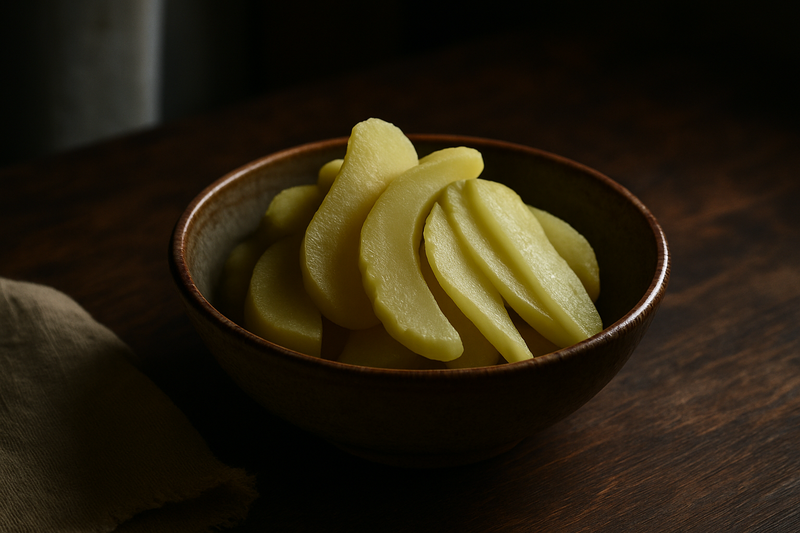
Fermented Chayote · Photograph
Discover fermented chayote health benefits and how to use it in tacos, salads, and grain bowls. Learn about its probiotic potential, nutrition profile, safety tips, and easy ways to add this crisp lacto-fermented squash to a whole-food plant-based diet.
Key Nutrients
% Daily Value based on 2,000 cal diet
Key active compounds in fermented chayote
Fermentation changes the chemistry of chayote in ways that fresh cooking does not fully replicate. Here are the main bioactive players:
- Lactic acid bacteria (e.g., Lactobacillus species) — The microorganisms that drive fermentation. They acidify the brine, inhibit harmful bacteria, and may act as probiotics (live microorganisms that, when consumed in adequate amounts, confer a health benefit on the host) in the gut.
- Ellagic acid — A polyphenol (plant compound with antioxidant properties) elevated by fermentation; studied for antioxidant and potential cell-protective effects.
- Luteolin — A flavonoid (a class of plant pigment with antioxidant and anti-inflammatory activity) that increases after fermentation and may modulate inflammatory signalling.
- Kaempferol — A flavonol associated with vascular and metabolic support in preclinical models.
- Myricetin — A polyphenolic flavonoid linked to antioxidant and glycaemic-regulatory effects in lab and animal studies.
- Isorhamnetin — A methylated form of the flavonoid quercetin; raised by fermentation and may help protect intestinal cells from oxidative stress.
- (+)-Gallocatechin — A catechin-type antioxidant; significantly increased in pickled chayote extracts.
- Vanillin and related phenolic acids — Aromatic compounds that contribute to the mild cucumber-pickle flavour and add to overall antioxidant capacity.
- Organic acids (lactic acid, acetic acid) — By-products of fermentation that lower pH, preserve the vegetable, and may support gut-lining health.
- Folate (B9), Vitamin C, Potassium — Naturally present in fresh chayote and retained through fermentation (though vitamin C is partially heat-sensitive; cold fermentation preserves more).
Prep and pairing ideas
Fermented chayote is one of the more versatile fermented vegetables precisely because its flavour is so mild. It takes on whatever spices you add to the brine — jalapeño, garlic, cumin, bay leaf — and it stays crisp even after a week in brine.
Taco topping. Thin-sliced fermented chayote is a direct swap for pickled red onion or cucumber pickles. The acidity cuts through the richness of black beans, avocado, or roasted cauliflower filling beautifully.
Grain bowl crunch. Stir a couple of tablespoons of drained fermented chayote through a farro, quinoa, or brown rice bowl with fresh herbs, olive oil, and lemon. It adds textural contrast and a gentle tang without overpowering other ingredients.
Fermented slaw. Combine shredded fermented chayote with shredded cabbage, grated carrot, lime juice, and cilantro for a no-mayo slaw that works as a taco side or sandwich filling.
Who benefits most from fermented chayote?
Plant-based eaters looking for probiotic variety. Most probiotic foods are dairy-based (yoghurt, kefir) or grain-based (sourdough). Fermented chayote is a 100% whole-vegetable, WFPB-friendly probiotic option.
- Adds live bacteria without dairy or soy
- Fits easily into taco nights or meal-prep bowls
- Very low calorie load, so portion flexibility is high
People managing their weight or blood sugar. At only ~15 calories per ½ cup, fermented chayote can add volume, crunch, and flavour to meals without adding significant calories or fast-digesting carbohydrates.
- Replaces higher-calorie condiments (cheese, sour cream, creamy dressings)
- Provides fibre that supports satiety
- Mild enough to be used daily without flavour fatigue
Bottom line
Fermented chayote is a genuinely interesting functional food — a low-calorie, vitamin C- and folate-rich squash transformed by lacto-fermentation into a crisp, probiotic-containing pickle with an elevated flavonoid profile. The evidence base is still developing: no large-scale human trials have tested fermented chayote directly, and most health benefits are inferred from chayote's nutrient composition and broader research on fermented vegetables. What is clear is that it fits cleanly into a whole-food plant-based diet, it is easy and inexpensive to make, and its mild cucumber-like flavour makes it one of the more approachable fermented vegetables for people new to the practice.
The main thing to manage is sodium. Treat fermented chayote as you would any pickled condiment — a flavour-forward addition in moderate amounts rather than a primary vegetable portion. For most healthy adults, a few tablespoons to ½ cup daily is a practical, safe, and potentially beneficial target.
If you want to explore more fermented and gut-supportive foods, browse the Plantopedia gut health guide for curated ingredient pages across the full fermented-foods spectrum.
How Fermented Chayote Compares
| Compared with | What's different |
|---|---|
| Fermented Chayote vs. Fermented Zucchini | Chayote stays firm and crunchy when fermented, while zucchini softens significantly. |
| Fermented Chayote vs. Fermented Daikon Radish (Kkakdugi) | Chayote has a milder, melon-like base flavor compared to the sharp, peppery bite of radish. |
Health Benefits
Things to Know
Sodium is the main caution.: A typical ½ cup serving of brine-fermented chayote can contribute 150–400 mg of sodium. People with hypertension, heart failure, or chronic kidney disease should drain and rinse slices thoroughly, use a lower brine concentration, or limit portion size.
Histamine sensitivity.: All fermented foods contain some biogenic amines (compounds like histamine produced during fermentation). People with histamine intolerance may experience headaches, flushing, or digestive discomfort. Start with a small amount (1–2 tablespoons) to test tolerance.
Warfarin and vitamin K.: Chayote contains modest vitamin K (about 5 mcg per ½ cup). If you take warfarin or another vitamin K–sensitive anticoagulant, keep your intake consistent rather than avoiding chayote; sudden large additions to your diet should be discussed with your prescriber.
MAOIs and psychiatric medications.: Fermented foods can contain tyramine and other biogenic amines that interact with monoamine oxidase inhibitors (MAOIs). If you take an MAOI, introduce fermented chayote cautiously and consult your doctor.
Pregnancy.: Folate in chayote is beneficial in pregnancy. However, unpasteurised fermented foods carry a theoretical risk from harmful bacteria if hygiene is poor. Prepare fermented chayote under strict clean conditions or choose a trusted commercial product.
Immunocompromised individuals.: Unpasteurised fermented vegetables carry a small theoretical risk if prepared or stored poorly. Extra care with hygiene and refrigeration after fermentation is complete is advisable.
Food safety basics.: Keep all equipment and hands clean. Ensure chayote pieces stay fully submerged below the brine during fermentation to prevent mould growth on exposed surfaces.
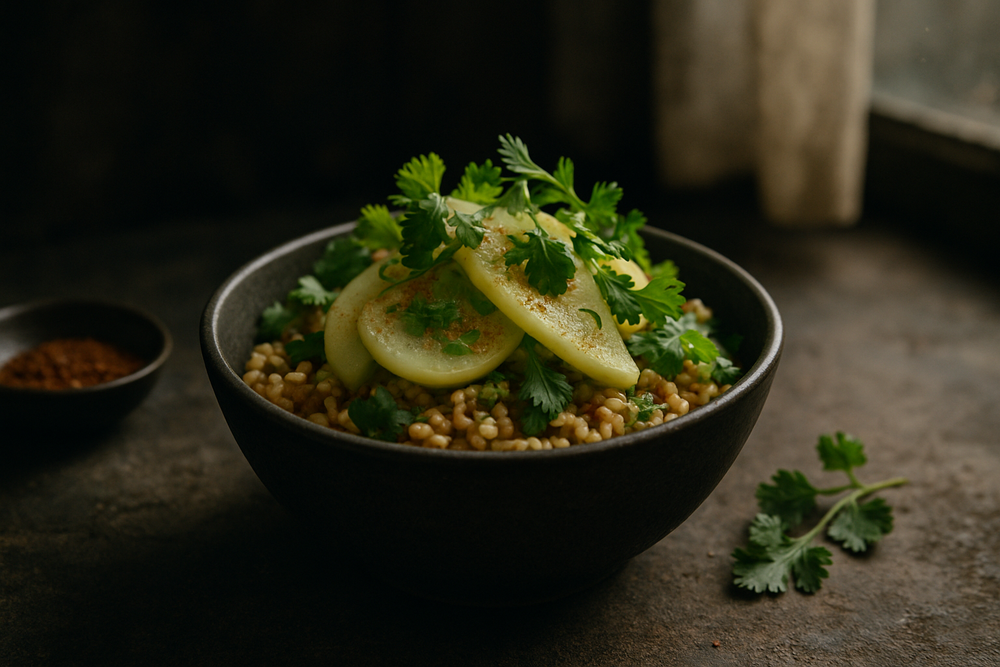
Prep Ideas
- — Adds live bacteria without dairy or soy
- — Fits easily into taco nights or meal-prep bowls
- — Very low calorie load, so portion flexibility is high
- — Replaces higher-calorie condiments (cheese, sour cream, creamy dressings)
- — Provides fibre that supports satiety
- — Mild enough to be used daily without flavour fatigue
Shop This Ingredient
Stock your pantry with quality fermented chayote.
Buy on AmazonAs an Amazon Associate, Plantopedia earns from qualifying purchases. This costs you nothing extra and helps us keep the encyclopedia free.
Frequently Asked Questions
The evidence for most benefits is emerging or indirect. Here is what current research suggests, organised by body system. Heart and circulation Fresh chayote's nutrient pattern — low calorie, low fat, moderate potassium, and good folate and vitamin C — fits dietary strategies associated with cardiovascular support in large nutrition studies. Potassium helps regulate blood pressure by counteracting sodium's effect on vessel walls. Folate supports healthy homocysteine (an amino acid that at elevated levels is linked to cardiovascular risk) metabolism. That said, fermented chayote adds sodium from brine, which can partially offset heart-friendly benefits for people with salt-sensitive blood pressure. No controlled human trial has tested fermented chayote directly on cardiovascular outcomes. Evidence is extrapolated from nutrient profiles and broader dietary-pattern research. Digestive health and microbiome This is the strongest area of plausible benefit. Properly lacto-fermented chayote contains live lactic acid bacteria — the same general category of microorganism found in yoghurt, kimchi, and sauerkraut. Research on fermented vegetables as a group (including a 2021 review in PMC, PMC10777956) shows they can modulate intestinal microflora and may help relieve constipation and support gut microbial diversity. Chayote itself contributes dietary fibre (about 1.3 g per ½ cup) and a high water content that supports regular bowel movements. Together, fibre plus live bacteria is a combination that may support a balanced gut environment. If you have a sensitive stomach, start with 2–3 tablespoons and work up; the organic acids in fermented foods can cause temporary bloating in some people. Blood sugar and metabolism Chayote has a low calorie density and a modest carbohydrate content, making it suitable for blood-sugar-conscious eating patterns. Preclinical studies suggest flavonoids like myricetin and quercetin (found in chayote and increased by fermentation) may improve glucose metabolism, but human trials specifically on fermented chayote do not yet exist. Fermented vegetables as a group show some signals for improved glycaemic markers in small human studies, though those studies used kimchi and mixed ferments, not chayote. Consider fermented chayote a supportive, not therapeutic, tool for metabolic health. Inflammation and recovery Fermentation raises the levels of several anti-inflammatory phenolics in chayote — ellagic acid, luteolin, kaempferol — that in cell and animal models reduce pro-inflammatory signalling molecules called cytokines and modulate NF-κB (a protein complex that controls genes involved in inflammation). These are mechanistic findings, not human clinical outcomes. No inflammation trial on fermented chayote in humans exists yet. What is reasonable to say is that adding more flavonoid-rich fermented vegetables to an overall plant-forward diet is consistent with an anti-inflammatory eating pattern. Hormones and cycle health Chayote is a meaningful source of folate and provides small amounts of vitamin B6, both of which participate in methylation pathways (biochemical processes involving the transfer of a methyl group, important for hormone metabolism, DNA repair, and neurotransmitter production). Fermented vegetables as a group can accumulate GABA (gamma-aminobutyric acid, a calming neurotransmitter), which has prompted interest in fermented foods for mood and stress regulation. Current evidence is preliminary and not chayote-specific. Folate is especially important for people planning a pregnancy or in early pregnancy.
Lacto-fermented chayote slices (home brine) This is the gold standard for probiotic benefit. A 2–3% salt brine (about 1 teaspoon of non-iodised salt per cup of water) submerges peeled, cored chayote slices or spears for 3–7 days at room temperature until sour and crisp. Iodised salt can inhibit beneficial bacteria, so use kosher, sea, or pickling salt. Peel and remove the fibrous seed core before fermenting; the peel can be tough and holds surface residues. Store-bought pickled chayote (vinegar-brined) Many commercial "pickled" chayote products use vinegar (acetic acid) rather than lacto-fermentation. Vinegar pickles are safe and tasty but are typically pasteurised and contain no live bacteria. They retain the vegetable's nutrients but miss the probiotic dimension. Mixed fermented vegetable medleys Chayote can be co-fermented with cabbage, carrots, or chilli peppers. Mixed ferments are supported by the broadest human research on fermented vegetables and are an easy entry point for first-timers. Fermented chayote condiments and relishes Finely chopped fermented chayote blended with herbs, onion, and lime makes a probiotic taco topping or grain-bowl relish — a way to get the benefits in a smaller serving size that keeps sodium in check.
There is no established recommended dose for fermented chayote because human clinical trials on this specific food do not yet exist. The following guidance is adapted from broader fermented-vegetable research and practical whole-food eating: Starting amount: 2–3 tablespoons (about 30 g) per meal, once a day, to gauge digestive tolerance. Typical range: ¼ to 1 cup (40–150 g) per day, in one or two servings with meals. Upper practical limit for sodium management: If you are keeping dietary sodium below 1,500 mg/day (common advice for hypertension), count fermented chayote toward your sodium budget. One ½ cup serving of well-drained fermented chayote can contribute 150–400 mg sodium depending on brine strength. Start low and build. If you are new to fermented foods in general, the organic acids can cause temporary gas or bloating. A gradual increase over one to two weeks allows the gut microbiome to adjust. Consistency matters more than quantity. Small daily servings are more likely to support gut health than occasional large portions.
Quick Answers
Common questions, answered in a line.
Fermented chayote is rich in lactic acid bacteria, organic acids, and antioxidants like ellagic acid and luteolin. It also provides essential nutrients such as folate (Vitamin B9), Vitamin C, and potassium, which are retained or enhanced during the cold fermentation process.
Yes, fermented chayote is a weight-loss-friendly food because it is very low in calories, containing only about 15 calories per half-cup serving. Its high fiber content supports satiety, and it can replace higher-calorie condiments like cheese or creamy dressings.
You can use fermented chayote as a crisp topping for tacos, a crunchy addition to grain bowls, or shredded into a probiotic slaw. Its mild, cucumber-like flavor pairs well with black beans, avocado, quinoa, and fresh herbs like cilantro.
Fermented chayote may support blood sugar management because it is low in fast-digesting carbohydrates and contains myricetin, a flavonoid linked to glycemic-regulatory effects. It adds volume and flavor to meals without causing significant spikes in blood glucose.
People with hypertension or kidney disease should be cautious with fermented chayote due to its sodium content, which can range from 150–400 mg per serving. Those with histamine intolerance or those taking MAOIs should also introduce it slowly due to the presence of biogenic amines.
Fermented chayote contains lactic acid bacteria (such as Lactobacillus species) which act as probiotics to support gut health. These beneficial microorganisms help acidify the digestive tract, inhibit harmful bacteria, and may support the health of the gut lining.
For Readers in the USA
Local context — sourcing, seasonality, and regional notes.
Chayote is primarily grown in warm U.S. climates like Florida, California, and Louisiana, reaching peak seasonality from late summer through late fall. In southern regions, you may also find it available through early winter at local farmers markets.
In the U.S., you can find fresh chayote at major grocery chains like Walmart, Kroger, and Whole Foods, as well as at Hispanic or Asian specialty markets where it is often sold as 'mirliton' or 'sayote.' Look for it in the produce section near other summer squashes.
When buying chayote for fermentation, look for the USDA Organic seal to ensure the squash was grown without synthetic pesticides or fertilizers. The FDA also recommends washing all firm produce under running water with a vegetable brush before preparation to reduce surface bacteria.
While known globally as chayote, this squash is famously called 'mirliton' in Louisiana and throughout the Gulf Coast, where it is a staple of Cajun and Creole cuisine. You might also hear it referred to as a 'vegetable pear' or 'cho-cho' in Caribbean-American communities.
AI Clinical Review
- Clearly positions fermented chayote as a very low‑calorie, micronutrient‑containing food (vitamin C, folate, potassium) and distinguishes it from higher‑calorie condiments.
- Accurately explains that lacto‑fermentation yields live lactic acid bacteria and that vinegar/pasteurized pickles typically lack probiotics.
- Notes emerging data that fermentation can raise phenolic/flavonoid compounds, while appropriately stating that current findings are mostly lab‑based and not clinical.
- Emphasizes sodium as the main dietary caution and offers practical ways to manage it (drain/rinse, condiment‑sized portions).
- Provides a realistic intake range and gradual introduction to minimize temporary GI discomfort.
- There are no human clinical trials on fermented chayote specifically; most health claims are extrapolated from research on other fermented vegetables or in vitro/animal models.
- The specific bacterial strains, their amounts, and their survival through digestion likely vary by recipe, time, temperature, and storage—so probiotic effects are not guaranteed.
- Signals for blood sugar, metabolic, and anti‑inflammatory benefits are mechanistic; they have not been confirmed in people eating fermented chayote.
- Micronutrient retention (especially vitamin C) can change with fermentation and storage; listed values are best estimates rather than fixed guarantees.
- Sodium adds up: ½ cup can supply roughly 150–400 mg. People with hypertension, heart failure, or kidney disease should keep portions small, rinse well, and count it toward daily sodium goals.
- Fermented foods contain biogenic amines (e.g., histamine, tyramine). Those with histamine intolerance or on MAOIs should introduce small amounts and monitor symptoms.
- Special situations: If you use warfarin, keep vitamin K intake consistent; in pregnancy or if immunocompromised, prioritize meticulous hygiene and refrigeration, or choose trusted commercial products.
- Form and amount matter: Only unpasteurized, salt‑brined versions provide live cultures. A practical intake for most adults is 2–3 tablespoons up to about ½ cup per day, as tolerated.
Salty brine; peel and core before fermenting.
References
- USDA FoodData Central — chayote nutrition data (fdc.nal.usda.gov)
- Analysis of phenolic compounds in pickled chayote and their effects on antioxidant activities and cell protection (PubMed, 2022) (pubmed.ncbi.nlm.nih.gov)
- Pickled chayote phenolics and cell protection — full-text analysis (ouci.dntb.gov.ua)
- Fermented vegetables: health benefits, defects, and current challenges — PMC review (pmc.ncbi.nlm.nih.gov)
- Lactic acid fermented smoothies containing pineapple and chayote leaves — PMC study (pmc.ncbi.nlm.nih.gov)
- Chayote squash nutrition and benefits — Healthline overview (healthline.com)
- Health benefits of chayote — WebMD (webmd.com)
- Chayote nutrition facts — Verywell Health (verywellhealth.com)
- Chayote: Real Life, Good Food — University of Minnesota Extension (reallifegoodfood.umn.edu)
- Chayote heart and immune nutrition profile — Dole (dole.com)
Know Your Numbers
Eating healthy is a start. Now get to know your biomarkers.
Food changes bloodwork — inflammation, lipids, blood sugar and nutrient status all respond to what you eat. 59 markers from $59.
- Results in 7–10 days at 2,000+ Quest sites
- Licensed provider reviews every result
- One flat price, no membership, HSA/FSA eligible
Educational information only, not medical advice. Panels are ordered and reviewed through our licensed partner; Plantopedia may earn a commission.