Fermented Radish Pods — health benefits and uses
A thrifty ferment using the whole radish plant's edible pods.
The Short Answer
Fermented radish pods are tangy, probiotic-rich seed pods that offer a peppery crunch. They are low in calories (8 per serving) and provide about 11mg of vitamin C, making them an excellent digestive aid for grain bowls and salads.
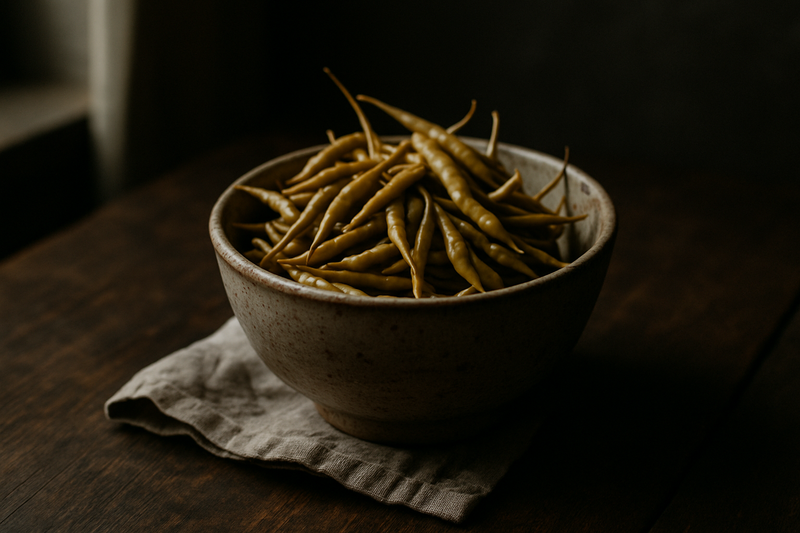
Fermented Radish Pods · Photograph
Discover the fermented radish pods health benefits and side effects, from gut microbiome support and vitamin C to sodium cautions. A practical, evidence-aligned guide for whole-food, plant-based eaters.
Key Nutrients
% Daily Value based on 2,000 cal diet
Key active compounds
- Glucosinolates — Sulfur-containing compounds characteristic of Brassica vegetables. When plant tissue is chopped, chewed, or fermented, an enzyme called myrosinase converts glucosinolates into isothiocyanates and other bioactives linked to antioxidant and detoxification activity in mechanistic research.
- Phenolic compounds — A broad family of plant metabolites that act as antioxidants, helping to neutralise free radicals (unstable molecules that can damage cells) and modulate pathways involved in inflammation and vascular health.
- Coumarins — Aromatic plant compounds found in radish pods with antioxidant and potential anti-inflammatory properties in laboratory models; human data specific to radish pod coumarins are limited.
- Lactic acid bacteria (LAB) — Beneficial bacteria such as Lactobacillus and Leuconostoc species that proliferate during lacto-fermentation. LAB produce lactic acid, lower the brine pH, inhibit spoilage organisms, and contribute to the probiotic effects observed in clinical studies on fermented vegetables.
- Organic acids — Lactic acid and acetic acid produced by LAB during fermentation; these contribute to flavour, preservation, and may support gut barrier function.
- Vitamin C (ascorbic acid) — A water-soluble antioxidant abundant in fresh radish pods; some loss occurs during fermentation but the pods remain a meaningful source.
Prep and pairing ideas
Basic lacto-fermentation method: Pack clean, whole tender radish pods tightly into a sterilised jar. Dissolve 1 teaspoon of non-iodised salt (kosher or sea salt) per cup (240 ml) of filtered or non-chlorinated water to make a 2% brine. Pour over pods, ensuring all pods are fully submerged — use a small weight or zip-lock bag filled with brine to keep them under the surface. Loosely cover with a cloth or lid that allows gas to escape. Leave at cool room temperature (18–22°C / 65–72°F) for 3–7 days, tasting daily from day 3. When tangy enough, seal and refrigerate. They will keep for several weeks to months in the fridge.
Common pairings:
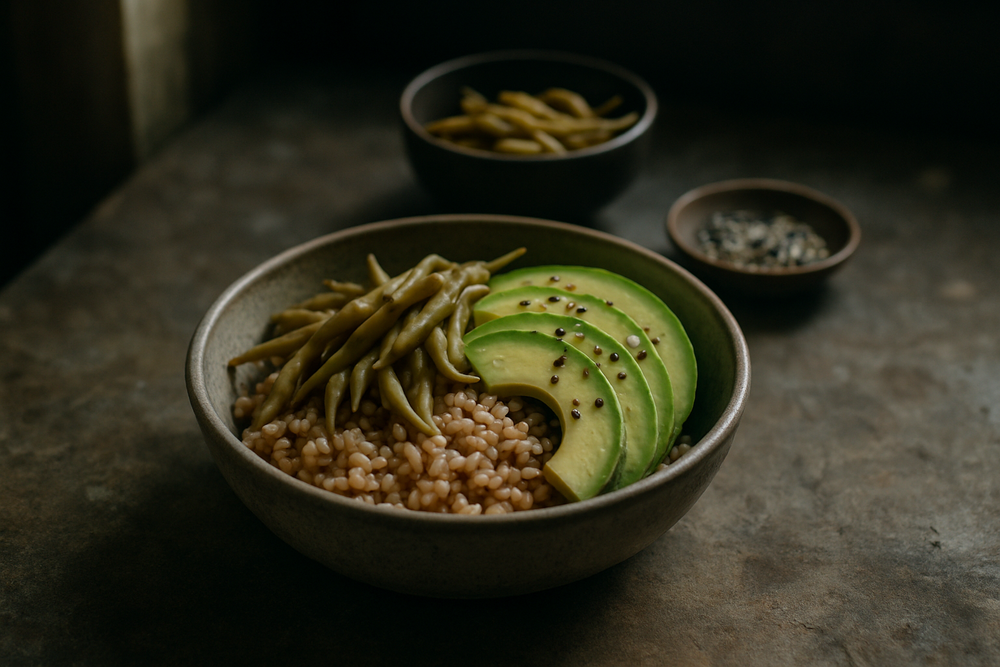
- Grain bowls and rice dishes — The brine-sharp crunch of fermented radish pods cuts through the starchy richness of brown rice, farro, or quinoa bowls, adding flavour contrast without extra calories or fat. Spoon 2–3 tablespoons alongside any grain-and-legume base.
- Avocado toast or hummus flatbreads — Creamy spreads pair beautifully with the peppery, acid-bright snap of fermented pods. The vitamin C in the pods may also enhance the absorption of the non-heme (plant-based) iron in whole-grain bread and hummus.
- Korean-style bibimbap or noodle dishes — Fermented radish pods are a natural cultural fit alongside gochujang-seasoned vegetables, tofu, and sesame. They echo the role of kimchi or pickled daikon in these dishes and can be substituted when radish root is unavailable.
Flavour additions for the brine: whole black peppercorns, a dried chilli, a slice of fresh ginger, or a small garlic clove all ferment well alongside the pods and add complexity without disrupting LAB activity.
Bottom line
Fermented radish pods are a genuinely clever use of a zero-waste garden crop — and they happen to fit neatly into evidence-informed eating. As a lacto-fermented Brassica vegetable, they bring lactic acid bacteria, glucosinolates, phenolic antioxidants, vitamin C, folate, and magnesium to the table in a crunchy, low-calorie, peppery condiment.
The honest caveat is that no clinical trials have tested fermented radish pods directly. Everything we know about their likely benefits comes from well-conducted human studies on kimchi, sauerkraut, and other fermented vegetables that are botanically and biochemically similar. That body of evidence is genuinely encouraging, particularly for gut microbiota diversity, digestive comfort, and cardiometabolic markers — but it should not be overstated for this specific food.
The main thing to keep in mind is sodium. Fermented radish pods are not a low-sodium food; they are a high-sodium condiment that delivers big flavour in small servings. Used that way — as 2–4 tablespoons alongside a varied, whole-food meal — they are a smart, flavourful addition to most people's diets. For anyone managing blood pressure, heart disease, or kidney conditions, a conversation with a healthcare provider about sodium targets is worthwhile before adding any fermented pickle regularly.
If you grow radishes and want to eat more whole fermented foods, the seed pods are one of the most underrated fermentation projects available — cheap, fast-fermenting, and genuinely delicious.
Looking for more ways to eat for your gut? Explore the Plantopedia digestive health goals guide for ingredient ideas, meal tips, and evidence-based strategies.
How Fermented Radish Pods Compares
| Compared with | What's different |
|---|---|
| Fermented Radish Pods vs. Fermented Daikon Radish | Pods are crunchier and milder, while the root is denser and sharper. |
| Fermented Radish Pods vs. Fermented Green Beans | Radish pods have a peppery snap, whereas green beans are sweeter and softer. |
Health Benefits
Things to Know
Sodium: The brine significantly raises the sodium content of fermented radish pods compared to the raw vegetable. People managing hypertension (high blood pressure), heart failure, chronic kidney disease, or fluid retention should discuss whether fermented pickled vegetables fit their sodium targets with a healthcare provider.
Histamine sensitivity: Fermentation naturally increases biogenic amines — compounds such as histamine and tyramine produced by bacterial activity. People with histamine intolerance or sensitivity to fermented foods may experience headaches, skin flushing, or digestive discomfort.
Medication interactions:
Antihypertensive drugs (ACE inhibitors, ARBs, beta-blockers): high sodium from salty brines can counteract blood-pressure-lowering effects.
Diuretics and heart failure medications: high-sodium foods may promote fluid retention.
MAO inhibitor antidepressants: fermented foods containing tyramine pose a theoretical risk in people taking MAOIs; specific data for radish pods are limited but caution is warranted.
Corticosteroids: these drugs already promote fluid and sodium retention; adding high-sodium fermented foods could exacerbate this.
Immunocompromised individuals: Home-fermented products carry a small food safety risk if preparation hygiene is poor. Discard any batch with visible mould, slimy texture, or off-odours. Commercially fermented options may carry lower risk.
Pregnancy and older adults: Exercise extra caution with home-fermented foods; avoid any batch of uncertain quality.
Harvest timing: Pods must be harvested while still tender and bright green. Once they begin to dry, yellow, or feel papery, they become fibrous and unpleasant to eat raw or fermented.
Iodised salt: Avoid iodised salt for fermentation — iodine can inhibit LAB growth and result in a failed or poorly flavoured ferment.
Prep Ideas
- — Grain bowls and rice dishes — The brine-sharp crunch of fermented radish pods cuts through the starchy richness of brown rice, farro, or quinoa bowls, adding flavour contrast without extra calories or fat. Spoon 2–3 tablespoons alongside any grain-and-legume base.
- — Avocado toast or hummus flatbreads — Creamy spreads pair beautifully with the peppery, acid-bright snap of fermented pods. The vitamin C in the pods may also enhance the absorption of the non-heme (plant-based) iron in whole-grain bread and hummus.
- — Korean-style bibimbap or noodle dishes — Fermented radish pods are a natural cultural fit alongside gochujang-seasoned vegetables, tofu, and sesame. They echo the role of kimchi or pickled daikon in these dishes and can be substituted when radish root is unavailable.
Glossary
Shop This Ingredient
Stock your pantry with quality fermented radish pods.
Buy on AmazonAs an Amazon Associate, Plantopedia earns from qualifying purchases. This costs you nothing extra and helps us keep the encyclopedia free.
Frequently Asked Questions
No clinical trials have tested fermented radish pods on their own — a fair and important caveat to keep in mind throughout this section. What we do have is a growing body of human research on closely related fermented vegetables (kimchi, sauerkraut, mixed lacto-fermented vegetables) and on radish as a Brassica food. The evidence below is graded accordingly. Digestive health and microbiome This is where the evidence for fermented vegetables is most consistent. Multiple randomised and pilot human studies show that daily intake of around 100–210 g of fermented vegetables alters gut microbiota (the community of micro-organisms living in the digestive tract) composition in measurable ways: LAB counts increase, microbial diversity often improves, and digestive symptoms such as bloating, flatulence, constipation, and stool consistency may improve. A 2022 narrative review and meta-analysis of fermented food studies reported benefits for bowel movement frequency and overall constipation scores. A 2021 Stanford study found that a diet rich in fermented foods — including kimchi, yogurt, kefir, and fermented vegetables — significantly increased gut microbial diversity and lowered several markers of inflammation compared to a high-fibre diet. Research specifically on kimchi and sauerkraut in people with irritable bowel syndrome (IBS) suggests symptom relief with daily servings over 6–12 weeks. Fermented radish pods bring LAB, organic acids, and a small amount of fibre from the pod walls — all plausible contributors to these digestive benefits. The extrapolation from kimchi and sauerkraut is biologically reasonable, but direct evidence for this specific pickle does not yet exist. Heart and circulation A controlled trial of young adults found that consuming 210 g/day of kimchi for 12 weeks improved fasting blood glucose, serum lipid profiles (including LDL cholesterol and triglycerides), and total antioxidant status — markers associated with cardiovascular risk. Radish pods contribute potassium, folate, and antioxidant phytochemicals, all associated with cardiovascular health in general nutrition science. However, the salty brine is a real counterweight: high sodium intake is a well-established driver of raised blood pressure, which is a major cardiovascular risk factor. Enjoying fermented radish pods as a condiment (2–4 tablespoons per serving) rather than a main vegetable is a sensible way to capture potential benefits while keeping sodium intake in check. Blood sugar and metabolism The same kimchi trial noted above showed meaningful reductions in fasting blood glucose after 12 weeks at 210 g/day. A separate trial examining mixed fermented vegetables in adults at elevated cardiovascular risk found more modest short-term effects on glycaemic markers. The proposed mechanism involves LAB modulating gut microbiota composition, which in turn affects short-chain fatty acid (SCFA) production — small molecules made when gut bacteria ferment fibre that influence insulin sensitivity and glucose metabolism. Radish pods provide a small amount of fibre alongside LAB, though their direct glycaemic impact has not been measured. Inflammation and recovery Evidence here is more mixed. The Stanford fermented-food trial reported reductions in 19 inflammatory proteins following a high-fermented-food diet. However, a separate randomised trial found that consuming half a cup of mixed fermented vegetables daily for two months did not significantly lower systemic inflammation markers or shift overall gut bacterial diversity in adults at cardiovascular risk. Results appear to depend on baseline microbiome composition, the types of fermented foods used, and the duration of the intervention. Glucosinolates, phenols, and coumarins in radish pods have shown anti-inflammatory effects in cell and animal studies, but human data translating these specific phytochemicals from radish pods to inflammation outcomes are not yet available.
Lacto-fermented whole pods in brine (recommended) Submerging tender whole pods in a 2–3% salt brine (roughly 1 teaspoon of non-iodised salt per cup of water) and fermenting at cool room temperature for 3–7 days produces the most authentic fermented product. This method preserves the pods' crunch, develops a peppery, tangy flavour, and supports LAB growth. The finished pods contain live bacteria — the same microorganisms studied in clinical trials on fermented vegetables. Vinegar-pickled radish pods Traditional quick pickles made with vinegar are not the same as lacto-fermented pods. Vinegar pickles are acidified externally and typically pasteurised, meaning they do not contain live LAB. They taste pickled but lack the probiotic element. If gut microbiome support is your goal, choose lacto-fermented over vinegar-pickled. Raw radish pods Fresh, unfermented pods are excellent in salads, stir-fries, and crudité plates. They deliver vitamin C, folate, and glucosinolates, but without the LAB. From a purely nutrient standpoint, raw pods may retain more vitamin C than their fermented counterparts. Both forms are nutritious; fermentation simply adds a different dimension. Kimchi and blended fermented vegetable mixes containing radish Many commercial kimchi products include cubed radish (called kkakdugi) or chopped radish alongside cabbage. These products have been directly tested in clinical trials and are a reliable way to access fermented-radish benefits in a standardised, commercially produced format if home fermentation is not appealing.
The home fermenter and zero-waste gardener You already have bolted radish plants and want to use the pods rather than compost them. You enjoy the hands-on process of lacto-fermentation and want a faster-fermenting, less pungent alternative to kimchi. You like adding crunchy, low-calorie condiments to grain bowls, sandwiches, and salads. The WFPB eater focused on gut diversity You are already eating a variety of plant foods and want to add more fermented variety beyond sauerkraut and kombucha. You are looking for a low-calorie, probiotic-rich condiment that fits easily alongside legume-and-grain meals. You want a fermented option that is easy to make at home with minimal equipment and no special starter cultures.
Human trials on fermented vegetables use serving sizes ranging from approximately half a cup (100 g) to 210 g per day, taken over 6–12 weeks. Those doses are used in research settings and represent relatively large amounts of a condiment-style food. For everyday use as a crunchy pickle or condiment, a practical starting point is 2–4 tablespoons (15–30 g) per day alongside a meal. This gives you a meaningful dose of LAB and phytochemicals without delivering excessive sodium. If you tolerate it well and enjoy the flavour, you could gradually increase toward half a cup (around 100 g/day) — closer to the lower end of amounts used in clinical research. Start low: If you are new to fermented foods, a tablespoon or two is enough for the first week. Some people experience temporary bloating or increased gas as their gut microbiota adjusts to a new source of live bacteria and fermentation acids. This usually settles within a few days to two weeks. Sodium perspective: A 2% brine means roughly 2 g of salt (about 800 mg of sodium) per 100 ml of brine. The pods absorb some of this sodium, so actual sodium in the solid pods is hard to pin down precisely — but treating fermented radish pods as a high-sodium condiment (similar to soy sauce or olives) is a sensible framing. Balance your total daily sodium from all sources.
Quick Answers
Common questions, answered in a line.
Fermented radish pods contain glucosinolates, phenolic compounds, and lactic acid bacteria (LAB) which support antioxidant activity and gut health. These sulfur-containing compounds and beneficial bacteria work together to neutralize free radicals and promote a healthy gut microbiome.
To ferment radish pods at home, submerge clean pods in a 2% brine (1 tsp non-iodized salt per cup of water) and let sit at room temperature for 3 to 7 days. Ensure all pods stay under the liquid using a weight, then refrigerate the jar once they reach your desired level of tanginess.
You should harvest radish pods for fermentation while they are still tender and bright green. If the pods begin to dry, turn yellow, or feel papery, they become too fibrous and unpleasant to eat or ferment.
Fermented radish pods are high in sodium and may contain biogenic amines like histamine, which can trigger headaches or digestive discomfort in sensitive individuals. The high salt content also means they may not be suitable for those managing hypertension or kidney disease.
Fermented radish pods may interfere with antihypertensive drugs, diuretics, and corticosteroids because their high sodium content can counteract blood pressure management and promote fluid retention. People taking MAO inhibitor antidepressants should also use caution due to the presence of tyramine.
You should avoid using iodized salt for radish pod fermentation because iodine can inhibit the growth of beneficial lactic acid bacteria. Using non-iodized options like sea salt or kosher salt ensures a successful fermentation process and better flavor.
Fermented radish pods are excellent in grain bowls, rice dishes, and bibimbap, where their acidity cuts through starchy ingredients. They also pair well with avocado toast or hummus, as their vitamin C content can help your body absorb plant-based iron from grains and legumes.
For Readers in the USA
Local context — sourcing, seasonality, and regional notes.
In the U.S., you can typically find fresh radish pods at local farmers markets or specialty Asian grocery stores like H-Mart during the late spring and summer. Because they are a byproduct of radishes "bolting," they are rarely sold in major national chains like Kroger or Safeway, making home gardening the most reliable source.
Radish pods are most abundant in the U.S. from May through September, depending on your USDA Hardiness Zone. In southern states, they appear as early as mid-spring, while northern gardeners usually see them in mid-to-late summer after the primary spring radish harvest has finished.
In the U.S., "Rat-tail" radishes are the most popular variety grown specifically for their long, succulent pods rather than their roots. While any radish variety that has bolted will produce edible pods, American heirloom seed catalogs often feature the Rat-tail variety for its superior crunch and mild heat.
When purchasing fermented radish pods or salt for the brine, look for the USDA Organic seal to ensure the ingredients were produced without synthetic fertilizers or pesticides. The FDA regulates commercial fermented vegetables as "acidified foods," though home-fermented pods are not subject to these federal safety inspections.
AI Clinical Review
- Clearly explains what lacto‑fermentation is and why it differs from vinegar pickling, linking live lactic‑acid bacteria (LAB) to potential gut benefits.
- Accurately frames the evidence: human trials on fermented vegetables (e.g., kimchi, sauerkraut, mixed ferments) show improvements in gut microbiota measures and some cardiometabolic markers, while noting no trials on radish pods specifically.
- Sensibly emphasizes sodium as the main nutritional trade‑off and recommends condiment‑sized portions (about 2–4 tablespoons daily) rather than large servings.
- Offers practical, food‑safe basics (roughly 2% brine, full submersion, clean technique, refrigeration) that align with home‑fermentation best practices.
- There are no clinical studies on fermented radish pods themselves; benefits are inferred from related fermented vegetables and from Brassica biology.
- Nutrient values are based on a proxy (sprouted radish seeds) and actual vitamin C and phytochemical retention after fermentation of pods are not well quantified.
- Effects on inflammation and metabolic outcomes vary across studies of fermented vegetables; individual responses likely depend on baseline diet and microbiome.
- The specific LAB species, amounts (CFU), and optimal daily dose for fermented radish pods remain undefined and can vary by batch and fermentation conditions.
- Sodium: a ~2% brine is roughly 800 mg sodium per 100 ml of brine; even small servings can add up. People with hypertension, heart failure, or chronic kidney disease should confirm fit with their clinician.
- Biogenic amines: histamine/tyramine can trigger symptoms in sensitive individuals; those on MAO‑inhibitor antidepressants should use caution or avoid.
- Safety: home ferments require clean prep and full submersion; discard jars with mold, sliminess, or off‑odors. Immunocompromised individuals, pregnant people, and frail older adults may prefer reputable commercial options.
- Dosing and form: start small (1–2 tablespoons/day) and increase as tolerated. Choose lacto‑fermented pods for live cultures; raw pods for maximal vitamin C; vinegar pickles offer flavor but not probiotics.
Salty brine; harvest pods while still tender.
References
- USDA FoodData Central — Radish seeds, sprouted, raw (nutrition reference) (fdc.nal.usda.gov)
- Specialty Produce — Radish Pods information and culinary facts (specialtyproduce.com)
- PMC9536613 — Human trial: effects of fermented vegetable consumption on gut microbiota composition (pmc.ncbi.nlm.nih.gov)
- PMC11404656 — Randomised trial: fermented vegetables, gut microbiota, and inflammation in adults at cardiovascular risk (pmc.ncbi.nlm.nih.gov)
- PMC3598433 — Controlled trial: kimchi improves serum lipid profiles and fasting blood glucose in young adults (pmc.ncbi.nlm.nih.gov)
- PMC10111609 — Review: fermented vegetables as a potential treatment for irritable bowel syndrome (pmc.ncbi.nlm.nih.gov)
- PMC12549620 — Systematic review and meta-analysis: impact of fermented food consumption on gastrointestinal outcomes (pmc.ncbi.nlm.nih.gov)
- PMC12306187 — Trial: impact of fresh and fermented vegetable consumption on gut microbiota (pmc.ncbi.nlm.nih.gov)
- Stanford Medicine (2021) — Fermented-food diet increases microbiome diversity and lowers inflammation markers (med.stanford.edu)
- Tandfonline 2023 — Journal review: active compounds and applications of radish pods (tandfonline.com)
Know Your Numbers
Eating healthy is a start. Now get to know your biomarkers.
Food changes bloodwork — inflammation, lipids, blood sugar and nutrient status all respond to what you eat. 59 markers from $59.
- Results in 7–10 days at 2,000+ Quest sites
- Licensed provider reviews every result
- One flat price, no membership, HSA/FSA eligible
Educational information only, not medical advice. Panels are ordered and reviewed through our licensed partner; Plantopedia may earn a commission.