Fermented Mango Pickle (Aam ka Achar) — health benefits and uses
A staple of Indian summer pantries, valued as a cooling digestive accompaniment.
The Short Answer
Fermented mango pickle (Aam ka Achar) provides 7 mg of iron and live lactic acid bacteria per tablespoon, though its 700 mg of sodium means it should be used strictly as a condiment.
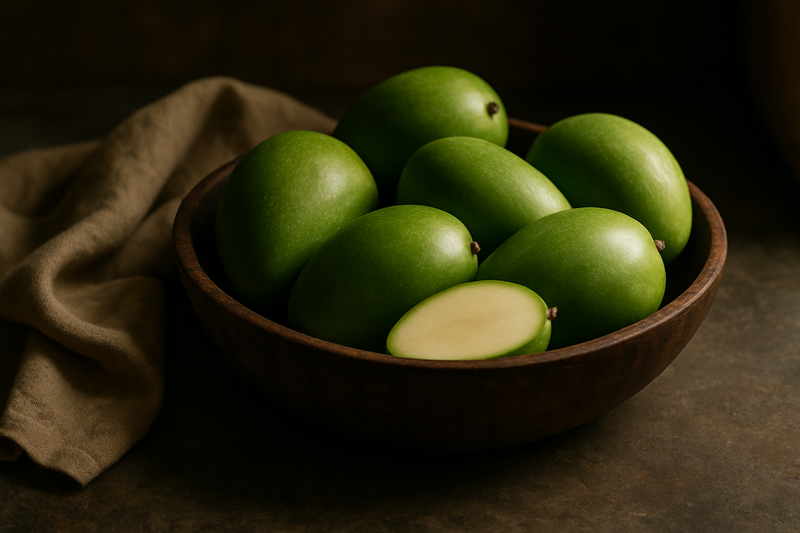
Fermented Mango Pickle (Aam ka Achar) · Photograph
Discover the real mango pickle health benefits and side effects — from gut-supporting probiotics and polyphenols to sodium warnings for heart and blood pressure. This evidence-aligned guide covers nutrition facts, safe daily amounts, who should be cautious, and how traditional sun-fermented aam ka achar compares to commercial jar versions.
Key Nutrients
% Daily Value based on 2,000 cal diet
Key active compounds in fermented mango pickle
- Lactic acid bacteria (LAB) — Species such as Lactobacillus plantarum and Pediococcus acidilactici develop naturally during traditional sun fermentation. When the pickle is unpasteurised and consumed fresh, these live microbes may transiently colonise the gut and produce acids and enzymes that support digestion.
- Organic acids (lactic acid, acetic acid) — Produced by LAB during fermentation, these lower the jar's pH, inhibit harmful bacteria, and may support gut barrier function and microbial balance.
- Polyphenols from mango and spices — Green mango skin and flesh contain phenolic acids and flavonoids (a type of plant antioxidant). Spices such as chilli, mustard seed, and fenugreek add their own polyphenol load. Fermentation can increase the availability of these compounds.
- Bioactive peptides — Short protein fragments generated during fermentation that may support immune regulation and have mild anti-inflammatory effects, based on broader fermented-food research. None have been characterised specifically in mango pickle yet.
- Sodium chloride (table salt) — Technically a mineral, not a phytochemical. Present in very high concentrations and the primary safety consideration in this food.
Prep and pairing ideas
Mango pickle is a condiment, not a side dish. The following ideas keep portions small and let the bold flavour shine without sodium overload.
Classic dal-rice pairing. A half-teaspoon of mango pickle alongside a bowl of moong dal and plain basmati rice gives a sharp, tangy contrast to the mild, earthy lentils. The pickle's acidity cuts through starchiness and stimulates digestion. The combination is low in added sugar and high in plant protein, making it a nutritionally solid whole-meal framework.
Stuffed flatbread (paratha or roti) with pickle. A thin scraping of mango pickle — rather than a spoonful — inside or alongside a whole-wheat roti replaces the need for added salt or butter. Pairing with a raita (yoghurt-based dip) adds calcium and additional live cultures, supporting the probiotic theme without adding more sodium.
Grain bowl accent. A tiny scoop of mango pickle on a bowl of brown rice, roasted vegetables, and chickpeas provides a flavour punch that makes the bowl feel complete without any other condiment. The polyphenols from the pickle's chilli and mustard seeds complement the antioxidants in the vegetables.
Bottom line
Fermented mango pickle is a culturally rich, flavour-forward condiment with genuinely interesting fermentation science behind it. Traditionally made aam ka achar can carry live lactic acid bacteria, polyphenols from green mango and spices, and organic acids associated with gut health in broader fermented-food research. In that sense, the gut-health interest is legitimate — but it remains extrapolated from wider evidence, not proven in mango pickle–specific human trials.
The side-effects story is clearer and more urgent: the very high sodium in most recipes and commercial products is a documented risk for blood pressure and cardiovascular health, supported by consistent guidance from the WHO, AHA, and observational research on pickle consumption specifically.
The practical takeaway: enjoy mango pickle as the condiment it has always been — in small amounts, with mindful attention to total daily sodium. If you love aam ka achar, choose traditionally fermented, lower-oil versions where you can, keep servings to a teaspoon or two, and count it toward your sodium budget for the day. That way, you get the flavour, the cultural connection, and the potential upside of fermentation without the cardiovascular downside.
Looking to build a broader gut-supportive eating pattern? Explore the Digestive Health goal guide on Plantopedia for a wider view of how fermented and fibre-rich foods can work together.
How Fermented Mango Pickle (Aam ka Achar) Compares
| Compared with | What's different |
|---|---|
| Fermented Mango Pickle (Aam ka Achar) vs. Mango Chutney | Uses raw green mangoes and mustard oil; significantly higher in sodium and iron. |
| Fermented Mango Pickle (Aam ka Achar) vs. Pickled Jalapeños | Vinegar-based instead of oil-fermented; softer texture with a sweeter, acidic profile. |
Health Benefits
Things to Know
High sodium is the primary concern.: One tablespoon can contribute 30% or more of the WHO's recommended daily sodium limit. Anyone eating mango pickle regularly should track overall sodium from all sources that day.
People with hypertension (high blood pressure) or prehypertension: should be especially cautious. Research consistently links excess sodium to raised blood pressure and greater cardiovascular risk.
Heart disease and heart failure patients: are often on medically prescribed sodium restriction; high-salt pickles can counteract fluid and blood pressure management.
Chronic kidney disease (CKD): worsens with high sodium, leading to fluid retention and faster disease progression. People with CKD should consult their nephrologist before eating pickles regularly.
Antihypertensive medications: (ACE inhibitors, ARBs, beta blockers, diuretics) can have their blood-pressure-lowering effects blunted when sodium intake is high. If you are on these medications, keep mango pickle to very small portions.
Pregnancy, especially with gestational hypertension or preeclampsia: limiting high-salt foods is typically recommended.
Children under 15: have lower age-appropriate sodium limits than adults; a teaspoon of mango pickle is a significant sodium source for a small child.
Histamine sensitivity: fermented foods can be relatively high in biogenic amines (compounds produced by bacteria that can trigger reactions in sensitive individuals). If you notice headaches, flushing, or digestive upset after fermented foods, mango pickle may not suit you.
Home fermentation hygiene: traditional pickle techniques and high-salt environments generally provide a strong safety margin against harmful contamination, but clean equipment and proper salt ratios matter.
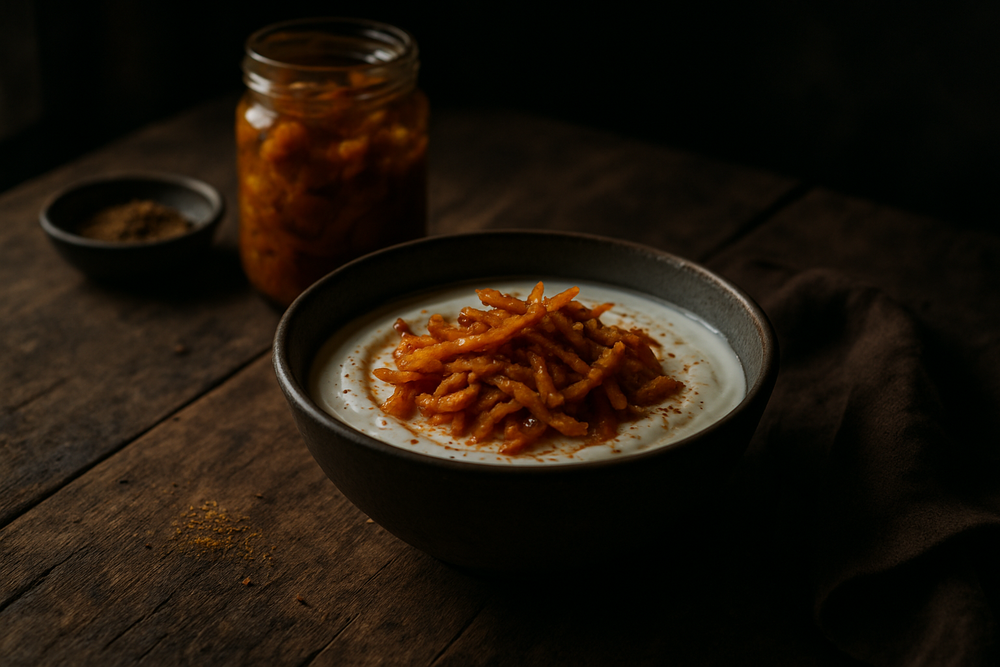
Shop This Ingredient
Stock your pantry with quality fermented mango pickle (aam ka achar).
Buy on AmazonAs an Amazon Associate, Plantopedia earns from qualifying purchases. This costs you nothing extra and helps us keep the encyclopedia free.
Frequently Asked Questions
Digestive health and the microbiome The most talked-about benefit of fermented mango pickle for gut health is its potential as a probiotic food. Traditional Indian pickles have been shown in microbiological studies to harbour substantial counts of LAB and yeasts, similar to other fermented vegetables like kimchi and sauerkraut. Broader research on LAB-fermented foods suggests regular consumption can modulate the gut microbiome (the community of microbes living in your intestines), support the intestinal barrier, and may ease symptoms of antibiotic-associated diarrhoea and irritable bowel syndrome. The important caveat: there are no direct human clinical trials on fermented mango pickle for digestive outcomes. Benefits are extrapolated from related research. Commercial, oil-rich mango pickles in sealed jars may also be heat-treated during production, meaning live bacteria are reduced or eliminated entirely. If probiotic potential is your goal, traditionally made, unpasteurised mango pickle consumed soon after fermentation is more likely to contain live cultures. Inflammation and immune support Reviews of LAB-fermented foods suggest that regular intake can interact with the immune system and reduce certain markers of inflammation — largely by nourishing a diverse gut microbiome and generating bioactive metabolites. Polyphenols from green mango and spices also have antioxidant properties documented in laboratory and observational research. One laboratory study identified Bacillus licheniformis from mango pickle with in vitro (meaning in a test tube, not a human body) activity against a colon cancer cell line. This is an interesting early signal, not a clinical finding. High salt intake from pickles is independently associated with higher blood pressure and potentially gastric cancer risk in very-high-salt diets, which must be weighed honestly against any theoretical anti-inflammatory upside. Blood sugar and metabolism Mango pickle contributes very little carbohydrate per typical serving (roughly 1–2 g per teaspoon), so its direct glycaemic impact (effect on blood glucose) is minimal. Broader reviews on fermented fruits and vegetables propose indirect benefits for blood sugar regulation via microbiome modulation and antioxidant effects, but this has not been tested in trials using mango pickle specifically. For individuals managing diabetes or prediabetes, a small amount of mango pickle alongside a balanced meal is unlikely to cause significant blood sugar movement, though overall sodium and fat intake still need monitoring. Heart and circulation Here, the evidence tilts cautionary. An observational study found that higher pickle consumption is associated with increased body mass index and higher systolic and diastolic blood pressure — a direct reflection of concentrated salt intake, not a benefit from fermentation. The WHO recommends staying under 2,000 mg of sodium per day (roughly 5 g salt), and the AHA's ideal target for many adults is closer to 1,500 mg/day. A single tablespoon of typical mango pickle can deliver up to 700 mg of sodium — nearly half of the AHA's ideal daily limit in one condiment. Lower-sodium, minimally oiled, truly fermented versions could, in theory, offer cardiovascular benefits similar to other fermented vegetables, but this has not been studied in clinical trials.
Not all mango pickles are created equal. The spectrum runs from traditionally fermented to commercially processed to "instant" non-fermented versions, and each has a different nutritional and probiotic profile. Traditional sun-fermented mango pickle is made by coating raw green mango in salt and whole spices, then leaving it to ferment in sunlight — often in a clay jar (martaban) — for days to weeks. This process allows naturally occurring LAB and yeasts to develop. If consumed unpasteurised and within a reasonable time, this version is most likely to contain live cultures and may offer the greatest probiotic potential. Salt content is still high, but the fermentation is genuine. Oil-rich commercial mango pickle in jars (the most common supermarket version) often uses large amounts of vegetable or mustard oil plus heavy salting for preservation. Many are pasteurised or stored for extended periods, reducing live microbial content substantially. They tend to be the most energy-dense and highest in sodium. Reduced-oil, reduced-sodium homemade mango pickle uses the same basic fermentation principle but cuts back on both salt and oil, ferments carefully in a clean environment, and is stored in the refrigerator. This approach aligns better with public health sodium guidelines and whole-food, plant-based eating patterns. Instant non-fermented mango pickle is made by marinating mango briefly with spices and added acid (lemon juice or vinegar) rather than allowing true fermentation. It offers the flavour without the probiotics, while retaining the same sodium concerns if generously salted.
The plant-based eater looking for fermented variety Already eats well but wants more fermented-food diversity beyond yoghurt and kombucha Enjoys bold, spicy flavour; finds it easier to eat plain dals or grains with a pickle accent Uses small portions (half to one teaspoon) and chooses low-oil, reduced-sodium homemade versions where possible The South Asian heritage eater managing sodium intake Has cultural connections to aam ka achar and does not want to eliminate it entirely Benefits from knowing that one teaspoon is a meaningful serving, not one tablespoon by reflex Can shift toward homemade or low-salt commercial versions to keep sodium in check while preserving tradition
The short answer: about 1–2 teaspoons (5–10 g) with a meal, and ideally no more than one tablespoon (15 g) total per day — especially if you're monitoring blood pressure or sodium. Here's why that range makes sense. The WHO recommends fewer than 2,000 mg of sodium per day for adults, while the AHA's ideal target for many people is around 1,500 mg. A single tablespoon of typical commercial mango pickle can deliver 500–700 mg of sodium. That means one tablespoon alone could represent 25–47% of your entire recommended daily sodium budget, before you add any other food. If your recipe is lower in salt, or if you're having pickle just as a tiny flavour accent (the size of a grape, not a spoonful), you have more flexibility. Start with half a teaspoon and taste from there — the flavour is concentrated enough that a little goes a long way. For children, the safe amount is smaller still; always check age-appropriate sodium guidelines with a paediatrician. There are no established dose guidelines for mango pickle as a supplement or therapeutic food, and no human clinical trials that define an effective or optimal dose for any health outcome.
Quick Answers
Common questions, answered in a line.
Fermented mango pickle contains Lactic Acid Bacteria (LAB), such as Lactobacillus plantarum, which can support gut health. When consumed fresh and unpasteurised, these live microbes may transiently colonise the gut and produce enzymes that aid digestion.
Mango pickle is extremely high in sodium, with a single tablespoon often providing over 30% of the daily recommended limit. This high salt content is a documented risk factor for increased blood pressure and cardiovascular disease.
People with high blood pressure, heart disease, or chronic kidney disease should avoid or strictly limit mango pickle due to its high sodium content. Excess salt can lead to fluid retention, blunted medication effects, and faster disease progression in these groups.
Traditionally fermented mango pickle contains polyphenols, organic acids, and bioactive peptides that may offer anti-inflammatory and immune-regulating effects. These compounds come from both the green mango flesh and spices like fenugreek and mustard seed.
If you have a histamine sensitivity, mango pickle may cause headaches, flushing, or digestive upset. Fermented foods are high in biogenic amines produced by bacteria, which can trigger reactions in sensitive individuals.
Mango pickle is a potent condiment that should be eaten in small quantities, such as a half-teaspoon, alongside meals like dal and rice. Its high acidity helps cut through starchiness and stimulates digestion without needing large portions.
For Readers in the USA
Local context — sourcing, seasonality, and regional notes.
You can buy traditional and commercial mango pickles at major US retailers like Whole Foods, Sprouts, and international grocers like Patel Brothers or H-Mart. Many local farmers markets in warm climates like California and Florida also feature artisanal producers who sell small-batch, sun-fermented versions.
In the US, green mangoes for pickling are usually in peak season from May through August, aligning with harvests from Florida, Mexico, and Central America. While some specialty tropical grocers carry them year-round, summer is the best time to find the firm, tart fruit required for traditional fermentation.
The FDA requires all commercially sold mango pickles to be shelf-stable, which often involves acidification or pasteurization that can neutralize the live lactic acid bacteria. To ensure you are getting "probiotic" benefits, look for refrigerated jars labeled 'unpasteurized' or 'naturally fermented' at specialty health food stores.
While most mango pickles in the US follow South Asian recipes, you may also encounter 'Philippine-style' or 'Hawaiian' pickled mangoes, which are often sweeter and less spicy. These regional variations may use different vinegar-based brines rather than the oil-and-salt fermentation method typical of traditional aam ka achar.
AI Clinical Review
- Keeps the focus on sodium as the key safety issue and puts numbers in context (roughly 500–700 mg per tablespoon against WHO/AHA daily limits).
- Explains probiotic potential clearly: traditional, unpasteurised ferments may contain live lactic acid bacteria, while many commercial products are heat‑treated and unlikely to be “probiotic.”
- Describes plausible mechanisms (organic acids, polyphenols, LAB) and appropriately frames benefits as extrapolated from broader fermented‑food research.
- Offers practical portion guidance (about 1–2 teaspoons; rarely more than 1 tablespoon per day) and notes lower‑salt, lower‑oil options.
- There are no mango‑pickle–specific human trials for gut, immune, or cardiometabolic outcomes; current claims rely on studies of other fermented vegetables.
- Live microbe counts and species vary widely by recipe, salt/oil levels, and storage; an effective “dose” of beneficial bacteria is not established.
- Observational links between pickle intake and higher blood pressure/BMI show association, not causation; overall diet and lifestyle can confound results.
- Reported micronutrients (e.g., iron) differ markedly among brands and recipes, so label values may not generalise.
- If you have hypertension, heart failure, chronic kidney disease, or a pregnancy complicated by high blood pressure, treat mango pickle as an occasional, small‑portion condiment and include it in your daily sodium budget; discuss regular use with your clinician.
- Medications: high sodium can counteract blood‑pressure–lowering drugs. Fermented foods can contain biogenic amines (histamine/tyramine) that may trigger symptoms in sensitive individuals and can interact with MAOI antidepressants—check with your prescriber.
- Form matters: probiotic potential is highest in fresh, traditionally fermented, unpasteurised, lower‑salt versions; oil‑rich or pasteurised jars and “instant” vinegared pickles mainly provide flavour and sodium, not live cultures.
- Food safety: use clean utensils, keep brine/salt ratios adequate during home fermentation, and refrigerate after opening; discard if you notice mold or off‑odours.
High salt and often high oil in traditional recipes; use sparingly.
References
- USDA FoodData Central — searchable food composition database (fdc.nal.usda.gov)
- Pickle Consumption is Associated with Body Mass Index and Blood Pressure — observational study, PMC (pmc.ncbi.nlm.nih.gov)
- Fermented Vegetables: Health Benefits, Defects, and Current Perspectives — systematic review, PMC (pmc.ncbi.nlm.nih.gov)
- Health benefits of fermented fruits and vegetables and their potential — review, PubMed (pubmed.ncbi.nlm.nih.gov)
- Eating Fermented: Health Benefits of LAB-Fermented Foods — review, PMC (pmc.ncbi.nlm.nih.gov)
- Isolation and characterisation of LAB with probiotic potential from Indian pickles — microbiological study (jbsd.in)
- Indian Traditional Fermented Foods: The Role of Lactic Acid Bacteria — book chapter, IntechOpen (intechopen.com)
- Salt reduction — WHO fact sheet (who.int)
- How Much Sodium Should I Eat Per Day? — American Heart Association (heart.org)
- Shaking the Salt Habit to Lower High Blood Pressure — American Heart Association (heart.org)
Know Your Numbers
Eating healthy is a start. Now get to know your biomarkers.
Food changes bloodwork — inflammation, lipids, blood sugar and nutrient status all respond to what you eat. 59 markers from $59.
- Results in 7–10 days at 2,000+ Quest sites
- Licensed provider reviews every result
- One flat price, no membership, HSA/FSA eligible
Educational information only, not medical advice. Panels are ordered and reviewed through our licensed partner; Plantopedia may earn a commission.