Fermented Escabeche (Pickled Jalapeños & Vegetables) — health benefits and uses
A staple Mexican table pickle served to brighten and aid rich meals.
The Short Answer
Fermented escabeche is a probiotic-rich condiment made from jalapeños, carrots, and onions that supports gut health through live lactic acid bacteria. It is a low-calorie addition to meals, providing 1 gram of fiber and metabolic-boosting capsaicin per
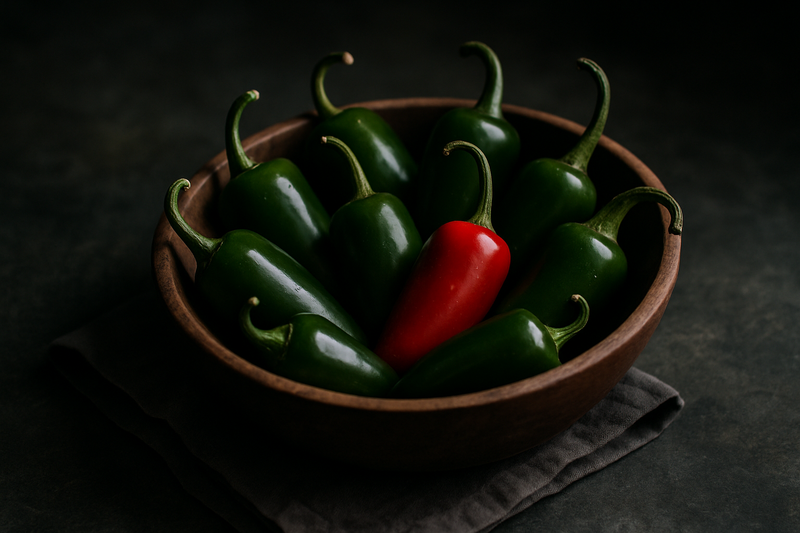
Fermented Escabeche (Pickled Jalapeños & Vegetables) · Photograph
Discover the fermented escabeche health benefits—from gut-supporting live cultures to anti-inflammatory phytochemicals—plus honest guidance on sodium risks, who should be cautious, and how to find naturally fermented versions over vinegar-only pickles.
Key Nutrients
% Daily Value based on 2,000 cal diet
Key active compounds in fermented jalapeños and vegetables
- Capsaicin and capsaicinoids — The heat compounds in jalapeños. Studied for thermogenic (metabolism-boosting) and vasodilatory (blood-vessel-relaxing) effects. Evidence is still emerging, especially at condiment-sized doses.
- Lactic acid and acetic acid — Organic acids produced by LAB during fermentation. They lower the brine's pH, preserve the vegetables, and may influence gut environment and mineral absorption.
- Carotenoids (beta-carotene, lutein) — Pigmented plant antioxidants (compounds that protect cells from oxidative damage) in carrots and peppers. Some survive pickling; fermentation may even improve their bioavailability (how well the body absorbs and uses them).
- Flavonoids and phenolic acids — Polyphenolic compounds concentrated in onion skin and pepper flesh. Fermentation can modify their structure and generate new bioactive metabolites (breakdown products with biological activity).
- Lactic acid bacteria (LAB) — Live microbes such as Lactobacillus species that drive fermentation. Only present in meaningful numbers in naturally fermented, unpasteurized, refrigerated products.
- Prebiotic fiber — Inulin-type compounds from onion and soluble fiber from carrot and pepper feed beneficial colon bacteria.
Prep and pairing ideas
Fermented escabeche is one of the most versatile low-calorie condiments in a whole-food kitchen. Here are three practical ways to use it:
1. Tacos and grain bowls (the classic)
A tablespoon or two of escabeche lifts the whole plate with acid, heat, and crunch—reducing the need for high-calorie sauces or cheese. Pair with black beans, roasted sweet potato, and fresh avocado for a fiber-rich meal where the escabeche's sodium fits comfortably.
2. Eggs and avocado toast
Spoon escabeche over scrambled eggs or smashed avocado on whole-grain toast. The acidity brightens rich fats and adds probiotic potential to a high-fiber breakfast without adding significant calories.
3. Soups and bean dips as a garnish
Stir a small amount of escabeche into black bean soup or use it as a relish on top of hummus or white bean dip. The tangy brine can replace some added salt in recipes where the pickled liquid is added toward the end of cooking (adding it early kills the live cultures).
Storage tip: Once opened, keep naturally fermented escabeche refrigerated and submerged under brine. Use within 4–6 weeks. If the brine smells unpleasant beyond normal sourness, or you see mold (not just surface yeast), discard it.
Buying guide: naturally fermented vs. vinegar-only
Fresh and refrigerated section
- Look for products in the refrigerated aisle with "naturally fermented," "raw," or "live cultures" on the label.
- A slightly cloudy brine is a good sign of active or recent fermentation. A completely clear brine with vinegar listed first suggests vinegar pickling.
Shelf-stable jars
- Most grocery-store jalapeño rings and escabeche jars in the condiment aisle are vinegar-pickled and heat-processed. Safe and tasty—but no live cultures.
- Still worthwhile for fiber and capsaicin; just don't expect probiotic benefits.
Label tips
- Compare sodium per serving across brands; ranges vary from around 200 mg to over 700 mg per serving.
- Shorter ingredient lists (peppers, carrots, onions, salt, water, spices) are a better sign than lists with calcium chloride, artificial color, or preservatives.
- "Low-sodium" versions exist; check that the product still uses salt brine and not just reduced vinegar.
Home fermentation
- Gives you full control over salt concentration (try 2–2.5% salt by weight of total vegetable weight for a gentler brine).
- Follow tested recipes from reputable food-preservation resources like the National Center for Home Food Preservation.
- Keep vegetables submerged under brine to prevent mold; ferment at room temperature for 3–7 days, then refrigerate.
Bottom line
Fermented escabeche—the jalapeño, carrot, and onion pickle of the taqueria—is far more nutritionally interesting than it looks. When naturally fermented in salt brine, it can deliver live lactic acid bacteria, fiber, capsaicin, carotenoids, and flavonoids in a very low-calorie package. Research on similar lacto-fermented vegetables suggests modest but real benefits for gut metabolite diversity, inflammation markers, and potentially cardiometabolic risk factors when consumed regularly as part of a broader fermented-food and fiber-rich diet.
The honest caveat is twofold: the evidence is still emerging and largely comes from foods studied at higher doses than a taco condiment, and the sodium content is genuinely high. For people with hypertension, kidney disease, heart failure, or GERD, the risks of frequent or generous portions likely outweigh the benefits unless portions are kept very small or low-sodium versions are used.
For healthy adults who love tacos and want more fermented foods in their lives, naturally fermented escabeche is one of the most delicious, culturally rooted, and accessible ways to start. Just read the label, keep the portions sensible, and balance the rest of the day's sodium.
How Fermented Escabeche (Pickled Jalapeños & Vegetables) Compares
| Compared with | What's different |
|---|---|
| Fermented Escabeche (Pickled Jalapeños & Vegetables) vs. Vinegar-Pickled Jalapeños | Contains live probiotics from lactic acid fermentation rather than just vinegar acidity. |
| Fermented Escabeche (Pickled Jalapeños & Vegetables) vs. Giardiniera | Uses Mexican spices like oregano and includes carrots and onions for varied prebiotic fiber. |
| Fermented Escabeche (Pickled Jalapeños & Vegetables) vs. Bread and Butter Pickles | Typically lower in calories (10 per serving) and sugar compared to sweet cucumber pickles. |
Health Benefits
Things to Know
Sodium is the main concern.: Even small servings add up fast. If you are eating two to three sets of tacos, you may be consuming 500–900 mg of sodium from the escabeche alone.
High blood pressure or cardiovascular disease: The sodium load of escabeche may blunt the effect of antihypertensive medications and worsen blood pressure control. Speak to your provider; rinsing briefly under cold water can cut sodium by roughly 20–40%.
Chronic kidney disease or fluid-retention conditions (ascites, heart failure): Strict sodium limits apply; pickled vegetables are typically restricted in these diets.
GERD, peptic ulcer, or gastritis: Acidic, spicy jalapeño-based pickles commonly worsen reflux and stomach pain. Start with a very small amount to assess tolerance.
IBS or gut sensitivity: Onions are high in FODMAPs (fermentable carbohydrates that can trigger digestive symptoms in sensitive people). Fermented onions may be somewhat lower in FODMAPs after fermentation, but individual responses vary.
Histamine intolerance: Fermented foods can contain biogenic amines like histamine and tyramine—compounds that form during fermentation and may trigger headaches, flushing, or itching in susceptible individuals. Vegetable ferments generally contain lower amounts than aged cheeses or cured meats, but caution is reasonable if you react to other fermented foods.
MAOIs and other medications: Monoamine oxidase inhibitors (a class of antidepressants) require avoidance of tyramine-rich foods; fermented vegetables are generally lower risk than dairy ferments, but discuss with your pharmacist.
Immunocompromised individuals: Choose commercially produced, safely stored products over home ferments with uncertain hygiene.
Pregnancy: Spicy, acidic foods can worsen heartburn, which is common in pregnancy. Sodium management is also important for blood pressure during pregnancy.
Glossary
Shop This Ingredient
Stock your pantry with quality fermented escabeche (pickled jalapeños & vegetables).
Buy on AmazonAs an Amazon Associate, Plantopedia earns from qualifying purchases. This costs you nothing extra and helps us keep the encyclopedia free.
Frequently Asked Questions
This is the question most people searching for jalapeño escabeche probiotics and gut health want answered—and the honest answer is: probably helpful as part of a pattern, but the evidence is still building. Digestive health and microbiome Human studies show that people who regularly eat lacto-fermented vegetables (sauerkraut, kimchi, and similar foods) tend to have richer fecal metabolite profiles and higher levels of short-chain fatty acids (SCFAs)—compounds like butyrate and acetate that nourish the cells lining the colon. A cohort study of 47 adults found only minor shifts in gut bacterial species but meaningfully more diverse metabolites in regular fermented-vegetable consumers compared with non-consumers. Randomized trials using 50–75 g per day of fermented vegetables for 6–8 weeks mostly show modest or no changes in gut bacterial diversity, but do document safety and some improvements in gastrointestinal symptoms—including exploratory benefits in irritable bowel syndrome (IBS). A landmark controlled-feeding study found that a high-fermented-food diet increased gut microbial diversity more than a high-fiber diet alone. The translation to escabeche: a taqueria-style serving (one to four tablespoons) is well below the amounts used in trials. Escabeche is best viewed as a flavorful, low-effort addition to a fermented-food pattern, not as a standalone gut intervention. Naturally fermented only: These benefits apply to unpasteurized, salt-brined escabeche with live cultures. If the jar was heat-processed or made with vinegar only, the microbes are gone. You still get vegetables and fiber—but not probiotics. Inflammation and recovery A well-cited controlled-feeding study found that adults eating a high-fermented-food diet had significant reductions in several inflammatory cytokines (signaling proteins involved in immune responses) compared with a high-fiber group. Reviews of fermented vegetables broadly support the idea that microbial metabolites from fermentation can modulate immune signaling and gut barrier function—the layer of cells that keeps harmful substances from entering the bloodstream. For escabeche specifically, any anti-inflammatory contribution is likely small and indirect—it works best as one piece of a larger fermented-food and vegetable-rich diet. Blood sugar and metabolism Specific human trials on fermented jalapeño mixes and blood glucose are essentially absent. What we can say: escabeche is very low in digestible carbohydrates (2 g per serving), contributes negligible calories, and fermentation can slightly reduce the natural sugar content of carrots and onions. Organic acids from fermentation may also slow gastric emptying modestly, which is associated with gentler blood sugar responses—but this has not been studied directly for escabeche. If you are managing blood sugar, the more meaningful advice is to view escabeche as a low-carb flavor enhancer that adds zest to meals without spiking glucose. Heart and circulation A meta-analysis of clinical trials on fermented kimchi—a close cousin in the fermented chili-vegetable family—reported modest reductions in triglycerides (29 mg/dL) and blood pressure (systolic 3.5 mmHg, diastolic 2.7 mmHg). A separate meta-analysis found that fermented red pepper paste produced greater blood pressure reductions than isolated capsaicin compounds alone, suggesting fermentation may amplify some cardiovascular effects of chili-containing vegetables. However, these studies use specific, controlled products—not a few tablespoons of taco escabeche. And the sodium picture cuts the other way: at roughly 1,670 mg of sodium per 100 g, escabeche is one of the saltier foods in a typical diet. The World Health Organization recommends fewer than 2,000 mg of sodium per day; a generous serving of escabeche can provide one-third of that in one condiment.
The difference between naturally fermented and vinegar-only escabeche is genuinely important. | Form | Live cultures? | Fiber? | Notes | | --- | --- | --- | --- | | Naturally fermented in salt brine (refrigerated, unpasteurized) | Yes | Yes | Best for probiotic potential; check for refrigeration and cloudy brine | | Vinegar-pickled, heat-processed (shelf-stable) | No | Yes | Tangy flavor and vegetable fiber without live microbes | | Commercial refrigerated "fermented" varieties | Usually yes | Yes | Check label for "live and active cultures"; sodium still high | | Home-fermented escabeche | Yes (if done safely) | Yes | Allows sodium control; follow reputable food-safety guidelines | Look for these signs of true lacto-fermentation: refrigerated storage, a cloudy (not clear) brine, and no vinegar in the first few ingredients. If the jar is shelf-stable and vinegar is listed first, the microbial work has already been done—by acid, not bacteria.
The gut-health focused eater Already eating a high-fiber, plant-rich diet and looking for convenient fermented-food variety Comfortable with spice and wants a low-calorie condiment with microbiome upside Watches sodium from other sources so there is room for pickled vegetables at the table The taco and Mexican-food lover looking for a healthier upgrade Replacing sour cream or cheese-heavy garnishes with tangy, vegetable-forward escabeche Interested in adding more vegetable variety through culturally familiar flavors Open to making simple home-fermented versions to control salt concentration
There is no established official "dose" for fermented escabeche, because it has not been directly studied as a health intervention. Practical guidance based on available research: For flavor and general fermented-food intake: 1–4 tablespoons (15–60 g) as a condiment is typical and safe for most healthy adults, provided overall sodium intake from the full day's food stays within recommended limits. Human trial ranges: Studies on fermented vegetables used 50–200 g per day for 4–12 weeks to observe gut health effects. Most people are not eating that much escabeche—and at that sodium load, they probably should not be unless total sodium is carefully managed elsewhere. Start small if you are new to spicy or fermented foods: Begin with 1 teaspoon to 1 tablespoon and assess digestive tolerance before increasing. Sodium math: If your daily sodium limit is 2,300 mg and a 40 g serving of escabeche contains roughly 640 mg, that is 28% of the budget in a condiment. Plan accordingly—choose lower-sodium foods elsewhere in the day. Rinsing reduces sodium: A quick rinse under cold water can reduce sodium content by an estimated 20–40%, at the cost of some flavor and some probiotic bacteria.
Quick Answers
Common questions, answered in a line.
Naturally fermented escabeche contains capsaicin, lactic acid bacteria, carotenoids like beta-carotene, and prebiotic fiber from onions and carrots. These compounds work together to provide antioxidant protection, support gut health, and potentially boost metabolism.
Check the refrigerated section for labels stating "naturally fermented," "raw," or "live cultures," and look for a slightly cloudy brine. Shelf-stable jars in the condiment aisle are usually vinegar-pickled and heat-processed, meaning they lack beneficial live microbes.
People with high blood pressure, kidney disease, heart failure, or GERD should be cautious due to the high sodium and acidity of fermented escabeche. The sodium content can range from 200 mg to over 700 mg per serving, which may interfere with blood pressure management.
You can lower the salt content of fermented escabeche by briefly rinsing the vegetables under cold water before eating. This simple step can reduce the sodium load by approximately 20% to 40% while still allowing you to enjoy the flavor and fiber.
Fermented escabeche should be kept refrigerated, fully submerged under its brine, and used within four to six weeks of opening. If you notice an unpleasant smell or mold growth (not just surface yeast), you should discard the product immediately.
Fermented escabeche is a low-calorie condiment that pairs well with tacos, grain bowls, eggs, and avocado toast. The acidity and heat can enhance flavors in rich foods, potentially reducing the need for high-calorie sauces or excessive added salt.
Fermented onions in escabeche contain inulin-type prebiotic fiber, which serves as food for beneficial bacteria in your colon. While fermentation may lower the FODMAP content slightly, individuals with IBS or gut sensitivity should still monitor their personal tolerance levels.
For Readers in the USA
Local context — sourcing, seasonality, and regional notes.
You can find naturally fermented escabeche in the refrigerated section of major U.S. retailers like Whole Foods Market, Sprouts Farmers Market, and regional co-ops. While shelf-stable jars are in the international aisle, look for brands like Wildbrine or Cleveland Kitchen for raw versions.
In the U.S., jalapeños and carrots for escabeche are harvested year-round in California and Texas, though peak seasons typically run from summer through early fall. Most grocery stores source these vegetables from Mexico during winter to maintain a constant supply for pickling.
The USDA Organic seal ensures that the jalapeños and vegetables were grown without synthetic pesticides and that the fermentation process avoided prohibited additives. This is often the easiest way for U.S. consumers to identify premium, non-GMO fermented products.
In U.S. taquerias and Southwestern cuisine, escabeche is traditionally served as a free "mesa" (table) condiment alongside chips and salsa. It is culturally central to Tex-Mex and authentic Mexican-American dining as a palate cleanser for rich, fatty meats.
AI Clinical Review
- Clearly explains the difference between naturally fermented (salt-brined, unpasteurized) escabeche and vinegar-pickled versions, and why only the former is likely to contain live cultures.
- Highlights sodium as the main nutritional constraint and gives realistic serving-size context—important for people tracking blood pressure or total daily sodium.
- Accurately frames escabeche as a flavorful part of a fermented-food pattern rather than a stand‑alone “probiotic treatment,” noting that most trials use larger daily amounts.
- Summarizes plausible bioactives (capsaicin, carotenoids, flavonoids, organic acids) and the general evidence that fermented vegetables can increase short‑chain fatty acids and may influence inflammatory markers.
- Direct human studies on escabeche itself are lacking; most data come from kimchi, sauerkraut, and other ferments, so effects at condiment‑sized doses remain uncertain.
- Cardiometabolic findings from specific fermented products (e.g., kimchi, red pepper pastes) may not translate to mixed‑vegetable jalapeño escabeche, especially given its sodium content.
- Fermentation‑related changes in carotenoid/flavonoid bioavailability are promising but variable by recipe, time, and temperature; real‑world impact is not well quantified.
- Potential effects of organic acids on glycemic response or mineral absorption are plausible but have not been tested directly in escabeche.
- Typical condiment portions (1–4 tbsp/15–60 g) are reasonable for most healthy adults; research doses for fermented vegetables are higher (50–200 g/day). Balance portions with your daily sodium budget; a quick rinse can lower sodium but also washes away some flavor and live microbes.
- Choose form by goal: refrigerated, unpasteurized brine‑fermented products for live cultures; shelf‑stable vinegar‑pickled versions for flavor and fiber without probiotics.
- Use extra caution or check with a clinician if you have hypertension, heart failure, or chronic kidney disease (sodium); GERD or gastritis (spice/acid); IBS or FODMAP sensitivity (onions); histamine intolerance; or if you take MAOIs.
- Food safety: keep fermented products refrigerated and vegetables submerged; immunocompromised individuals and those who are pregnant may prefer commercially prepared options and should discard any product with mold or off odors.
Spicy and salty; seek naturally fermented over vinegar-only versions.
References
- USDA FoodData Central – nutrition database (fdc.nal.usda.gov)
- USDA FoodData Central Pepper Fact Sheet (fdc.nal.usda.gov)
- American Heart Association – how to reduce sodium (heart.org)
- WHO salt reduction fact sheet (iris.who.int)
- Harvard Health – fermented foods for better gut health (health.harvard.edu)
- Harvard T.H. Chan – fiber and fermented foods may aid microbiome (hsph.harvard.edu)
- Fermented foods and gastrointestinal health: underlying mechanisms – Nature Reviews (nature.com)
- Regular consumption of lacto-fermented vegetables and the gut metabolome – human cohort study (pmc.ncbi.nlm.nih.gov)
- Fermented kimchi and cardiometabolic risk – meta-analysis of clinical trials (pubmed.ncbi.nlm.nih.gov)
- High consumption of salt-fermented vegetables and risk of hypertension – 12-year cohort (pubmed.ncbi.nlm.nih.gov)
- Fermented vegetables as a potential treatment for IBS – clinical trial (pmc.ncbi.nlm.nih.gov)
- Cleveland Clinic – fermented pickles are a good snack but watch the sodium (health.clevelandclinic.org)
Know Your Numbers
Eating healthy is a start. Now get to know your biomarkers.
Food changes bloodwork — inflammation, lipids, blood sugar and nutrient status all respond to what you eat. 59 markers from $59.
- Results in 7–10 days at 2,000+ Quest sites
- Licensed provider reviews every result
- One flat price, no membership, HSA/FSA eligible
Educational information only, not medical advice. Panels are ordered and reviewed through our licensed partner; Plantopedia may earn a commission.