Fermented Ginger-Carrot Kraut — health benefits and uses
Pairs carrot's sweetness with ginger's traditional digestive warmth in one ferment.
The Short Answer
Fermented ginger-carrot kraut is a probiotic-rich condiment that supports gut health while providing roughly 800 IU of Vitamin A and 14 mg of Vitamin C per serving. Its live cultures and gingerols offer anti-inflammatory benefits and digestive support.
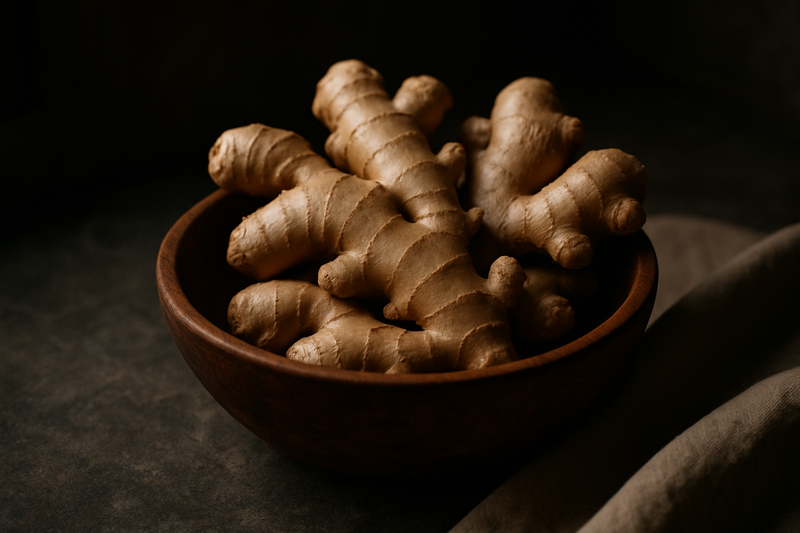
Fermented Ginger-Carrot Kraut · Photograph
Discover the fermented ginger carrot sauerkraut health benefits, from gut microbiome support to provitamin A and live probiotics. Learn how much to eat, who should be cautious, and easy ways to add this warming, tangy kraut to grain bowls and everyday meals.
Key Nutrients
% Daily Value based on 2,000 cal diet
Key active compounds in ginger-carrot kraut
- Beta-carotene and carotenoids — orange pigments from carrots that the body converts to vitamin A; survive fermentation and remain bioavailable
- Gingerols and related pungent compounds — the spicy molecules in ginger linked to antioxidant and anti-inflammatory activity in experimental research
- Phenolic compounds — a broad family of plant antioxidants from both carrots and ginger; levels can be maintained or even increased during lacto-fermentation
- Lactic acid — produced by lactic acid bacteria during fermentation; acidifies the kraut, inhibits spoilage organisms, and may modulate the gut environment
- Acetic acid — a short-chain fatty acid and organic acid also present in many vegetable ferments; contributes to tangy flavor and gut microbial signaling
- Short-chain fatty acids (SCFAs) — including butyrate, acetate, and propionate; produced when gut bacteria ferment the fiber and fermentation metabolites from kraut; associated with gut lining integrity and reduced gut inflammation
- Gamma-aminobutyric acid (GABA) — an inhibitory neurotransmitter that some lactic acid bacteria produce during fermentation; tentatively linked to relaxation and blood pressure effects in fermented foods
- Indole-3-lactic acid and phenyl-lactic acid — amino acid-derived metabolites from fermentation microbes; may have antimicrobial and immune-modulating roles in the gut
- Bacteriocins — antimicrobial peptides made by lactic acid bacteria that help keep the ferment safe and may influence the gut microbiome
Prep and pairing ideas
Ginger-carrot kraut is versatile because its sweet-tangy-warming flavor profile works across many dishes. It's a natural for grain bowls but it doesn't stop there.
Common pairings:
- Brown rice or farro grain bowls with roasted chickpeas — The kraut's acidity cuts through starchy grains and adds a probiotic punch without any dressing. Pile it cold on top after the bowl is assembled so the live cultures survive.
- Avocado toast or flatbread — A few tablespoons of ginger-carrot kraut over creamy avocado balances richness with brightness. The ginger's warmth complements the fat in avocado and requires no additional seasoning.
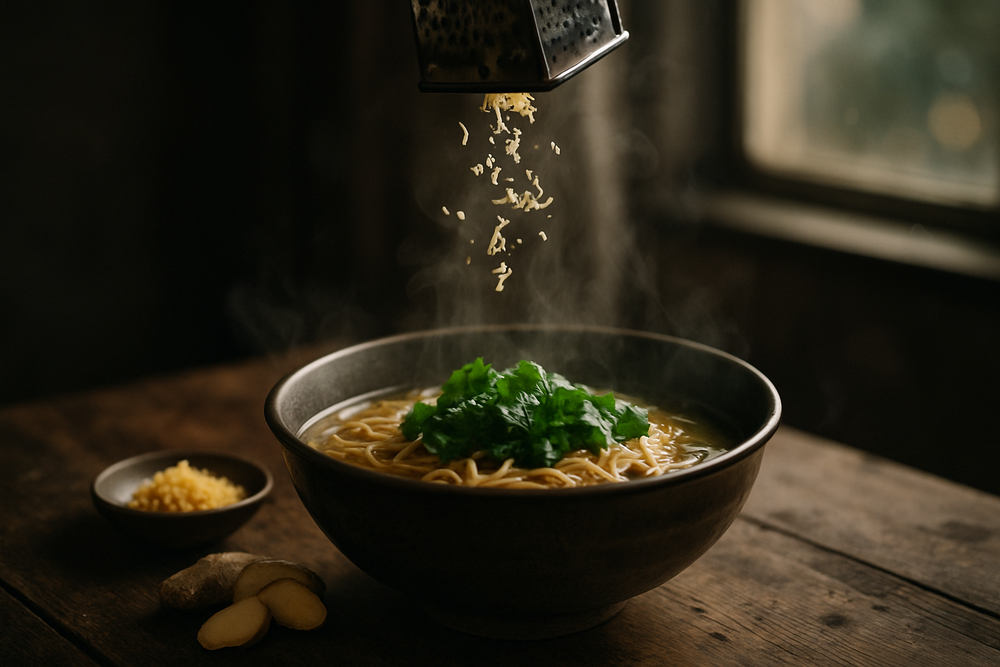
- Lentil or miso soup — Stir a small spoonful of kraut into a bowl of warm (not boiling) soup just before eating. It adds texture and a fermented depth similar to kimchi in Korean soups, while keeping live bacteria intact.
Quick prep notes:
- Shred carrots on a box grater or use a food processor. Finer shreds ferment faster; coarser shreds stay crunchier longer.
- A 2% salt brine by weight is the standard starting point (20 g salt per 1 kg vegetables). Massage the salt in until the vegetables release liquid, then pack tightly into a clean jar and keep submerged under brine.
- Room-temperature fermentation takes 3–7 days depending on ambient temperature. Taste daily from day 3. Refrigerate when the tang is where you like it.
- Store refrigerated for up to 3 months. The flavor deepens over time.
Bottom line
Fermented ginger-carrot kraut is a genuinely useful food — low in calories, rich in flavor, and backed by a reasonable (though still building) evidence base for gut microbiome support via live lactic acid bacteria and SCFA-producing fermentation metabolites. It delivers meaningful provitamin A from carrots and a small dose of vitamin C in a package that fits naturally into whole-food, plant-based eating.
The main limitations are honest ones: the best human evidence comes from mixed lacto-fermented vegetables at 75–100 g per day, not from ginger-carrot kraut specifically; inflammatory and cardiovascular benefits haven't emerged clearly in short-term trials; and the sodium content is high enough to warrant attention, particularly for people managing blood pressure or heart conditions.
Used as a flavorful, probiotic-rich condiment on grain bowls, salads, or toast — rather than a cure-all — fermented ginger-carrot kraut earns a solid, unsexy place in a varied, plant-forward diet.
If you're looking to explore more ingredients and foods that support your specific health goals, browse the Plantopedia goals library for guided ingredient combinations.
How Fermented Ginger-Carrot Kraut Compares
| Compared with | What's different |
|---|---|
| Fermented Ginger-Carrot Kraut vs. Classic Sauerkraut | Contains 800 IU of Vitamin A and gingerols, whereas cabbage kraut relies on Vitamin K and U. |
| Fermented Ginger-Carrot Kraut vs. Kimchi | Gingery and sweet-savory; Kimchi is typically much spicier with chili peppers and garlic. |
Health Benefits
Things to Know
Sodium is high.: A ⅓-cup serving contributes around 400–450 mg of sodium — roughly 18% of the daily recommended limit. If you have hypertension, heart failure, or chronic kidney disease, count kraut sodium within your daily total and consider smaller portions.
Histamine sensitivity.: Fermented vegetables can contain histamine and other biogenic amines (compounds produced by microbial amino acid breakdown). People with histamine intolerance may experience headaches, skin flushing, or digestive discomfort. Start with a very small amount to assess tolerance.
Immunocompromised individuals: should confirm with their healthcare provider before eating unpasteurized fermented foods. Pasteurized versions are a lower-risk alternative.
Inflammatory bowel disease or IBS.: Some people with active gut conditions find that fermented foods initially cause gas, bloating, or cramps. Introduce slowly — start with 1–2 tablespoons — and increase only if well tolerated.
MAO inhibitor medications.: Fermented foods can contain tyramine, a biogenic amine that interacts with monoamine oxidase inhibitor (MAOI) medications. If you take an MAOI, ask your doctor or pharmacist before eating fermented vegetables regularly.
Blood thinners and ginger.: Culinary amounts of ginger in kraut are unlikely to cause a significant interaction, but if you take anticoagulant (blood-thinning) medications and plan to eat fermented ginger foods daily, a quick check with your pharmacist is reasonable.
Pregnancy.: Ensure kraut is prepared hygienically and shows no signs of spoilage (pink/black mold, off smells). Properly lacto-fermented vegetables are generally considered safe in pregnancy, but when in doubt, the pasteurized version removes any microbial uncertainty.
Fermentation safety at home.: Always keep vegetables fully submerged under brine during fermentation to prevent mold and spoilage. Use clean equipment and fresh produce.
Prep Ideas
- — Brown rice or farro grain bowls with roasted chickpeas — The kraut's acidity cuts through starchy grains and adds a probiotic punch without any dressing. Pile it cold on top after the bowl is assembled so the live cultures survive.
- — Avocado toast or flatbread — A few tablespoons of ginger-carrot kraut over creamy avocado balances richness with brightness. The ginger's warmth complements the fat in avocado and requires no additional seasoning.
- — Lentil or miso soup — Stir a small spoonful of kraut into a bowl of warm (not boiling) soup just before eating. It adds texture and a fermented depth similar to kimchi in Korean soups, while keeping live bacteria intact.
- — Shred carrots on a box grater or use a food processor. Finer shreds ferment faster; coarser shreds stay crunchier longer.
- — A 2% salt brine by weight is the standard starting point (20 g salt per 1 kg vegetables). Massage the salt in until the vegetables release liquid, then pack tightly into a clean jar and keep submerged under brine.
- — Room-temperature fermentation takes 3–7 days depending on ambient temperature. Taste daily from day 3. Refrigerate when the tang is where you like it.
- — Store refrigerated for up to 3 months. The flavor deepens over time.
Glossary
Shop This Ingredient
Stock your pantry with quality fermented ginger-carrot kraut.
Buy on AmazonAs an Amazon Associate, Plantopedia earns from qualifying purchases. This costs you nothing extra and helps us keep the encyclopedia free.
Frequently Asked Questions
Digestive health and microbiome This is where the strongest human evidence sits. Studies on lacto-fermented vegetables (typically cabbage-based krauts with added vegetables) show that regular consumers — eating around 75–100 g daily — tend to have richer fecal metabolite profiles, including higher levels of SCFAs like butyrate, acetate, and propionate compared with non-consumers. Butyrate, in particular, is a preferred fuel for the cells lining the colon and is associated with a healthy gut barrier. Controlled trials lasting 6–8 weeks found that eating fermented vegetables daily can shift gut microbiota composition, including increased relative abundance of Faecalibacterium prausnitzii, a bacterium commonly associated with gut health. A fermented-food-rich diet has also been shown to increase gut microbiome alpha diversity (the variety of microbial species present) compared with a high-fiber diet alone. That said, the microbiome changes in most trials are modest, and symptom-level benefits like relief from bloating or constipation are supported more by mechanistic research and animal models than by large human trials. Evidence for fermented ginger-carrot kraut specifically is largely inferred from similar lacto-fermented vegetable products, since this exact combination hasn't been the subject of a dedicated clinical trial. Inflammation and recovery Human trials that gave adults at cardiovascular risk roughly half a cup of fermented vegetables daily for 6–8 weeks generally found no significant changes in blood markers of inflammation such as C-reactive protein (CRP), even when microbiota and metabolite shifts occurred. A randomized trial providing 75 g of sauerkraut per day for six weeks similarly found no changes in inflammation markers. This doesn't mean fermented vegetables have no anti-inflammatory effect — it may mean that short-duration studies with common blood biomarkers aren't the right lens. The SCFA-driven improvements in gut barrier function and local gut inflammation may not show up in standard blood tests. The anti-inflammatory messaging around ginger (its gingerols) is well established in supplement and extract studies but has not been tested in the small culinary quantities found in kraut. For now, fermented ginger-carrot kraut is best framed as a food that may support a healthy gut environment, which in turn can influence inflammatory tone over time. Blood sugar and metabolism Direct human evidence on fermented vegetables and blood glucose is thin. Most available trials focus on microbiota composition and metabolites rather than fasting glucose, insulin sensitivity, or HbA1c (a three-month average blood sugar measure). Some mechanistic research suggests that fermentation partially modifies carbohydrate availability and that SCFAs may influence glucose signaling — but these links are not yet established specifically for carrot-ginger kraut. Ginger has a reasonable evidence base for modest blood sugar effects in supplement form, but culinary amounts in a fermented kraut are much smaller than doses used in trials. Heart and circulation Evidence is emerging but limited. Short-term human trials on fermented vegetable intake did not show consistent improvements in blood pressure, blood lipids, or other classical cardiovascular risk markers. Reviews suggest possible cardiometabolic benefit via microbiome changes and SCFA production, but these are not yet confirmed in rigorous trials. The sodium content of lacto-fermented vegetables is a meaningful counterweight here: 400–450 mg per small serving is not trivial for anyone managing hypertension or heart disease. Any potential gut-related cardiovascular benefit must be considered alongside sodium contribution if portions are large or frequency is high.
Whole, unpasteurized fermented ginger-carrot kraut — kept refrigerated after fermentation is complete — is the form that retains live lactic acid bacteria. Heat above about 115°F (46°C) kills these organisms, so adding kraut to a hot dish at the end rather than cooking it in is ideal if preserving the probiotic aspect matters to you. Whole kraut vs. brine vs. pasteurized versions: | Form | Probiotics | Flavor | Notes | | --- | --- | --- | --- | | Fresh-fermented, unpasteurized | Yes | Full tang | Refrigerate; use within several weeks of opening | | Pasteurized jarred kraut | No (heat-killed) | Milder | Longer shelf life; still provides fiber and nutrients | | Brine alone | Yes | Very salty | Concentrated sodium; use small amounts only | For gut microbiome support, unpasteurized is the logical choice. For anyone focused purely on the fiber, vitamin A, and vitamin C — and less concerned about live cultures — a quality pasteurized jarred product works fine.
Human studies on lacto-fermented vegetables most commonly use 75–100 g per day, which is roughly ⅓ to ½ cup, consumed over 6–8 weeks. This amount appears well tolerated in healthy adults and is the dose where gut metabolite changes — particularly SCFA increases — have been observed. Practical starting guidance: If you're new to fermented foods: Start with 1–2 tablespoons (15–30 g) per day to give your gut time to adjust. Some people experience mild bloating or gas in the first week as gut microbial populations shift. Building up: After 1–2 weeks of comfortable tolerance, gradually increase toward ⅓ cup (roughly 50 g) daily if desired. Sodium management: At 100 g per day, you'd be taking in roughly 800–900 mg of sodium from the kraut alone. Factor this into your daily total, particularly if you follow a low-sodium diet. No upper limit has been established in the research. The evidence is for a condiment-level intake, not large therapeutic doses. There is no evidence that eating more kraut produces proportionally greater benefit.
Quick Answers
Common questions, answered in a line.
Ginger-carrot kraut is a probiotic-rich condiment that provides beta-carotene, gingerols, and lactic acid. These compounds support the gut microbiome through short-chain fatty acids (SCFAs) and may offer antioxidant and anti-inflammatory activity.
You can add ginger-carrot kraut to grain bowls, avocado toast, or stir it into warm lentil or miso soup. Its sweet-tangy flavor balances rich fats like avocado and adds a probiotic punch to starchy grains like brown rice or farro.
People with hypertension, heart failure, or chronic kidney disease should be cautious due to the high sodium content in fermented kraut. A 1/3-cup serving contains 400–450 mg of sodium, which is about 18% of the daily recommended limit.
To make this kraut, use a 2% salt brine (20g salt per 1kg of shredded carrots and ginger) and ferment at room temperature for 3 to 7 days. Ensure the vegetables stay fully submerged under the brine to prevent mold and spoilage.
Fermented ginger-carrot kraut can be stored in the refrigerator for up to three months. The flavor of the kraut will continue to deepen over time while it is chilled.
If you have IBS or active gut conditions, start with 1–2 tablespoons of kraut and increase slowly to avoid gas or bloating. People with histamine intolerance should also start with very small amounts to assess for headaches or digestive discomfort.
Ginger-carrot kraut contains beta-carotene, which the body converts into vitamin A, and small amounts of vitamin C. The fermentation process keeps these pigments bioavailable while adding beneficial organic acids like lactic and acetic acid.
For Readers in the USA
Local context — sourcing, seasonality, and regional notes.
You can find artisanal ginger-carrot kraut at major US retailers like Whole Foods Market, Sprouts Farmers Market, and local food co-ops, typically in the refrigerated probiotic section. While shelf-stable canned kraut is common in the center aisle, live-culture ginger-carrot varieties are usually sold in glass jars near the kombucha or specialty cheeses.
In the US, carrots and ginger are available year-round, but fall is the peak season for harvesting the crisp, sweet carrots ideal for home fermentation. While California grows most of the nation's carrots, shoppers at US farmers markets will find the best local varieties for kraut-making from September through November.
The USDA Organic seal on ginger-carrot kraut ensures the vegetables were grown without synthetic fertilizers or pesticides and that the fermentation process followed strict organic handling standards. For many American consumers, this label provides assurance that the live probiotic cultures are not exposed to residual chemical pesticides during the brining process.
A standard serving of ginger-carrot kraut (about 2 tablespoons) can contain between 200mg and 400mg of sodium, which is roughly 9% to 17% of the FDA's Daily Value. Americans monitoring their salt intake for heart health should look for "low-sodium" labels or rinse the kraut slightly, though rinsing may remove some beneficial probiotic bacteria.
AI Clinical Review
- Accurately explains what lacto‑fermentation is and why unpasteurized kraut contains live lactic acid bacteria (LAB).
- Aligns with human research showing fermented vegetables can increase short‑chain fatty acids (SCFAs—beneficial gut metabolites) and modestly shift the microbiome, especially at ~75–100 g/day.
- Sensibly frames benefits as supportive for gut health rather than a treatment for specific diseases, and flags sodium as a meaningful trade‑off.
- Offers practical distinctions between fresh/unpasteurized versus pasteurized products and notes that heat will inactivate live cultures.
- Clinical outcomes (constipation relief, blood sugar control, blood pressure, lipids) remain inconsistent or untested; most trials are small and 6–8 weeks long.
- The ginger component’s anti‑inflammatory and metabolic effects are better documented at supplement‑level doses than in culinary amounts found in kraut.
- “Probiotic” effects are not standardized—bacterial strains and counts vary by recipe, salt level, time, and temperature, so individual responses differ.
- Evidence for ginger‑carrot kraut specifically is inferred from broader lacto‑fermented vegetable studies rather than dedicated trials.
- Typical research intake is ~75–100 g/day (about 1/3–1/2 cup). Start with 1–2 tablespoons if you’re new to ferments. At 100 g, sodium can reach ~800–900 mg/day from kraut alone—plan within your total daily goal.
- Choose unpasteurized, refrigerated kraut if live cultures are your priority; add after cooking to avoid heat killing bacteria. Pasteurized options still provide fiber and micronutrients.
- Use caution or seek clinician advice if you have hypertension, heart failure, or chronic kidney disease (sodium); histamine intolerance or are on MAO inhibitors (biogenic amines); are immunocompromised; or during pregnancy (opt for reliable, hygienic products; pasteurized reduces microbial risk).
- Ginger at culinary doses is unlikely to meaningfully affect anticoagulants, but consistent daily intake alongside blood thinners warrants a quick pharmacist or clinician check.
Salty brine; keep submerged.
References
- USDA FoodData Central — nutrition database for carrots, sauerkraut, and ginger (fdc.nal.usda.gov)
- Regular consumption of lacto-fermented vegetables has greater effects on the gut metabolome than the microbiome — human cohort study (cambridge.org)
- Lacto-fermented fruits and vegetables: bioactive components and health effects — review (pmc.ncbi.nlm.nih.gov)
- Fermented foods and their impact on the gut microbiome and health — review (pmc.ncbi.nlm.nih.gov)
- Effects of fermented vegetable consumption on gut microbiota and inflammation markers — controlled trial (pubmed.ncbi.nlm.nih.gov)
- Fermented vegetables and gut microbiota in adults at cardiovascular risk — trial (pubmed.ncbi.nlm.nih.gov)
- Lacto-fermented vegetables as dynamic food ecosystems — review (frontiersin.org)
- Microbial safety of fermented vegetables and probiotic functions — review (pmc.ncbi.nlm.nih.gov)
- Fermented foods, health, and the gut microbiome — review including fermented-food diet vs. high-fiber diet trial (pmc.ncbi.nlm.nih.gov)
- University of Minnesota: fermented vegetables positively impact gut health — summary article (twin-cities.umn.edu)
Know Your Numbers
Eating healthy is a start. Now get to know your biomarkers.
Food changes bloodwork — inflammation, lipids, blood sugar and nutrient status all respond to what you eat. 59 markers from $59.
- Results in 7–10 days at 2,000+ Quest sites
- Licensed provider reviews every result
- One flat price, no membership, HSA/FSA eligible
Educational information only, not medical advice. Panels are ordered and reviewed through our licensed partner; Plantopedia may earn a commission.