Kaanji (Fermented Carrot Drink) — health benefits and uses
Traditionally brewed around Holi as a warming, digestion-boosting tonic.
The Short Answer
Kaanji is a tangy, fermented North Indian drink made from black carrots, mustard seeds, and salt. It is rich in gut-friendly lactic acid bacteria, anthocyanin antioxidants, and provides 6,500 IU of Vitamin A per serving.
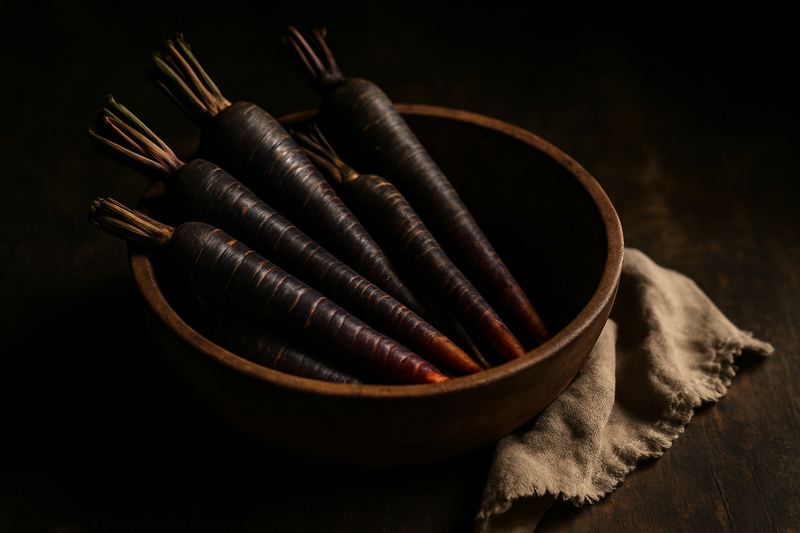
Kaanji (Fermented Carrot Drink) · Photograph
Discover the kanji drink health benefits: a tangy North Indian fermented black carrot drink packed with lactic acid bacteria, antioxidants, and provitamin A. Learn how to make it, what the research says, and who should take caution.
Key Nutrients
% Daily Value based on 2,000 cal diet
Key active compounds in kanji
- Anthocyanins — The deep purple-black pigments from black carrots. Water-soluble flavonoids (a class of plant polyphenols) that act as antioxidants and are associated in population studies with better cardiometabolic health.
- Beta-carotene and other carotenoids — Fat-soluble pigments that the body converts to vitamin A. Fermentation may increase their bioaccessibility (the proportion that can actually be absorbed).
- Phenolic acids and flavonoids — A broad family of polyphenols (plant protective compounds) that show anti-inflammatory and antioxidant activity in lab studies. Fermentation releases bound forms, raising the total available amount.
- Glucosinolates and isothiocyanates from mustard seeds — Sulphur-containing compounds that can activate the body's own detoxification enzymes and may help shape which microbes thrive during fermentation.
- Organic acids (lactic acid, acetic acid) — Produced by lactic acid bacteria as they ferment sugars. These acids lower the drink's pH, preserve it naturally, and may have mild prebiotic effects (feeding beneficial gut bacteria).
- Lactic acid bacteria (LAB) — Naturally occurring strains such as Lactiplantibacillus and Leuconostoc species that drive kanji's fermentation and carry probiotic potential.
Prep and pairing ideas
Making kanji at home (basic method)
- Cut 3–4 black or purple carrots (or a mix with beetroot) into 5 cm batons.
- Combine with 1 litre filtered water, 1–1.5 tsp rock salt, 1.5 tsp coarsely ground black mustard seeds, and ½ tsp red chilli powder (optional).
- Pour into a clean 1-litre glass jar. Cover with muslin or a loose lid to allow CO₂ to escape.
- Place in direct sunlight for 3–5 days, shaking once daily. Taste on day 3 — when it is pleasantly tangy and lightly fizzy, it is ready.
- Strain, refrigerate, and consume within a week.
Three practical pairings
- Kanji + roasted chana (chickpeas): A traditional North Indian pairing. The resistant starch and protein in chickpeas complement kanji's organic acids and LAB, giving you a more complete prebiotic-probiotic meal moment.
- Kanji + a small serving of whole-grain flatbread (roti): The acidity of kanji can act like a digestive aperitif before a meal, potentially supporting digestive enzyme activity. The complex carbohydrates provide sustained energy.
- Kanji + fresh mint and a squeeze of lemon: Adds extra vitamin C and freshens the spice, making a refreshing low-calorie summer drink that increases overall fluid intake.
Bottom line
Kanji is one of the most nutritionally interesting traditional Indian fermented drinks: deeply pigmented, naturally probiotic, low in calories, and rich in antioxidants. The science supporting fermented carrot beverages for gut health, antioxidant protection, and blood sugar balance is genuinely promising — but it is still largely preclinical (animal and lab-based), and human trials specifically on traditional mustard-seed kanji do not yet exist. Drink it because it is a flavourful, culturally rich, whole-vegetable food. Appreciate the emerging evidence as a bonus. And if you have any of the conditions flagged in the cautions section — especially sodium sensitivity, GERD, mustard allergy, or histamine intolerance — adjust your approach accordingly.
How Kaanji (Fermented Carrot Drink) Compares
| Compared with | What's different |
|---|---|
| Kaanji (Fermented Carrot Drink) vs. Beet Kvass | Made from beetroot and rye rather than black carrots, with a more earthy, less spicy profile. |
| Kaanji (Fermented Carrot Drink) vs. Kefir | A dairy-based fermented drink; Kanji is vegan and provides anthocyanin antioxidants from carrots. |
| Kaanji (Fermented Carrot Drink) vs. Kombucha | Typically fermented with tea and a SCOBY, whereas Kanji uses wild fermentation with mustard seeds. |
Health Benefits
Things to Know
Sodium content is significant.: A cup may contain 400–700 mg of sodium depending on the recipe. If you have hypertension, heart failure, or chronic kidney disease, factor kanji into your total daily sodium budget or make a low-salt version.
Acidic and spicy.: The combination of lactic acid and mustard (and sometimes chilli) can aggravate gastroesophageal reflux disease (GERD), gastritis, or a sensitive stomach. Try a small amount first.
Mustard allergy.: Mustard seeds are a recognised allergen in some regulatory frameworks. People with known mustard or Brassicaceae family allergies should avoid traditional kanji.
Histamine intolerance.: Fermented foods can accumulate histamine (a compound produced by certain bacteria that some people cannot break down efficiently). If you experience flushing, headaches, or rashes after fermented foods, introduce kanji cautiously or avoid it.
Immunocompromised individuals.: People undergoing intensive chemotherapy or recovering from organ transplants are often advised to avoid unpasteurised fermented foods due to hygiene uncertainty. Check with your medical team.
Pregnancy.: No adverse pregnancy outcomes from kanji have been reported in the literature, but standard caution around unpasteurised fermented foods applies. Discuss with your midwife or doctor if unsure.
Anticoagulant drugs (e.g., warfarin).: Kanji contains small amounts of vitamin K. If you are on tightly controlled anticoagulation therapy, keep your intake of new vitamin K–containing foods consistent and mention regular consumption to your prescriber.
Thyroid medications / goitrogenic foods.: Mustard is a Brassicaceae plant and contains trace goitrogenic compounds (substances that can interfere with thyroid hormone production in very large amounts). Amounts in kanji are likely minor, but people on strict thyroid diet guidance should confirm with a clinician.
Fermentation hygiene matters.: Always use clean glass jars, filtered or boiled water, and fresh carrots. A properly fermented kanji smells pleasantly sour and fizzy. If you see mould, off-colours (other than natural purple/pink from anthocyanins), or smell putrid or alcoholic odours, discard and start again.
Best Forms
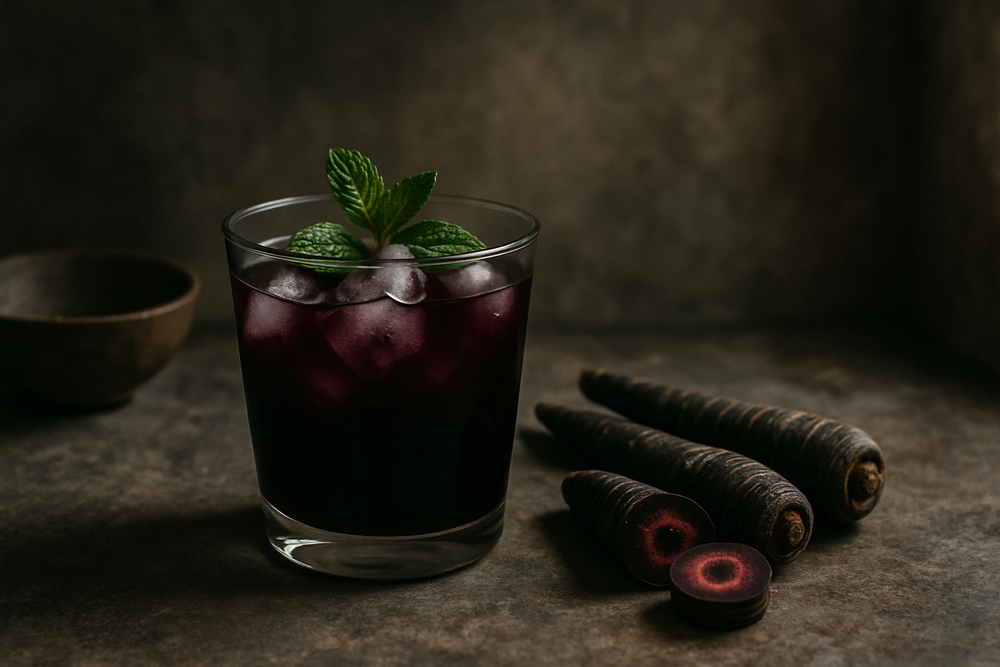
Richest in anthocyanins and phenolics; the form used in most research analyses. Hardest to find outside India and South Asian grocery stores in spring.
A common substitute when black carrots are out of season. Beetroot adds betalains (another class of antioxidant pigment) but changes the phytochemical profile. Still a nutritious, probiotic-rich option.
The most widely available version outside South Asia. Lower in anthocyanins but still provides beta-carotene, LAB, and organic acids from fermentation.
Used in animal and in vitro research with specific probiotic strains. Not equivalent to traditionally prepared household kanji and not commercially available.
Prep Ideas
- — Cut 3–4 black or purple carrots (or a mix with beetroot) into 5 cm batons.
- — Combine with 1 litre filtered water, 1–1.5 tsp rock salt, 1.5 tsp coarsely ground black mustard seeds, and ½ tsp red chilli powder (optional).
- — Pour into a clean 1-litre glass jar. Cover with muslin or a loose lid to allow CO₂ to escape.
- — Place in direct sunlight for 3–5 days, shaking once daily. Taste on day 3 — when it is pleasantly tangy and lightly fizzy, it is ready.
- — Strain, refrigerate, and consume within a week.
- — **Kanji + roasted chana (chickpeas):** A traditional North Indian pairing. The resistant starch and protein in chickpeas complement kanji's organic acids and LAB, giving you a more complete prebiotic-probiotic meal moment.
- — **Kanji + a small serving of whole-grain flatbread (roti):** The acidity of kanji can act like a digestive aperitif before a meal, potentially supporting digestive enzyme activity. The complex carbohydrates provide sustained energy.
- — **Kanji + fresh mint and a squeeze of lemon:** Adds extra vitamin C and freshens the spice, making a refreshing low-calorie summer drink that increases overall fluid intake.
Shop This Ingredient
Stock your pantry with quality kaanji (fermented carrot drink).
Buy on AmazonAs an Amazon Associate, Plantopedia earns from qualifying purchases. This costs you nothing extra and helps us keep the encyclopedia free.
Frequently Asked Questions
Digestive health and microbiome This is where the most convincing (if still early) evidence sits. Kanji's spontaneous fermentation produces strains of Lactiplantibacillus plantarum and Leuconostoc mesenteroides — the same genera documented in well-studied fermented vegetables like kimchi and sauerkraut. These bacteria can survive the acidic journey through the stomach and reach the large intestine, where they may influence the local microbial community. In animal studies, fermented carrot pulp beverages restored microbiota diversity disrupted by antibiotics, increased short-chain fatty acid production (SCFAs — gut-fermentation byproducts that fuel colon cells and regulate inflammation), and improved intestinal barrier integrity. A 2022 randomised trial in healthy adults using carrot-derived rhamnogalacturonan-I (a specific carrot fibre) showed that carrot components can modulate gut bacteria composition and immune signalling in humans, though this used an isolated fibre rather than fermented whole kanji. There are no published randomised controlled trials (RCTs) of traditional kanji on human gut health. Current evidence is classified as emerging — strong enough to be interesting, not yet strong enough to be prescriptive. Heart and circulation Kanji made with black or purple carrots delivers a meaningful dose of anthocyanins with each glass. Broad epidemiological and experimental data link higher anthocyanin intake with reduced LDL oxidation (oxidised LDL is the "bad" form of low-density lipoprotein most strongly associated with arterial plaque) and improved endothelial function (how well blood vessel walls relax and dilate). However, these benefits have not been tested for kanji specifically in clinical trials, so they remain extrapolations. One important caveat: kanji is salty. Depending on the recipe, a single cup may contribute 400–700 mg of sodium. For people managing hypertension (high blood pressure), that offset could negate any benefit from the anthocyanins. Sodium content varies significantly — homemade batches made with less salt carry a very different cardiovascular risk profile than heavily salted commercial versions. Blood sugar and metabolism A rat model of type 2 diabetes showed that carrot juice fermented with Lactobacillus rhamnosus GG improved fasting blood glucose, insulin levels, pancreatic histology, and antioxidant capacity compared with non-fermented carrot juice. SCFAs generated during gut fermentation are thought to slow glucose absorption and improve insulin sensitivity, which provides a plausible biological pathway. That said, this was an animal study using a specific probiotic strain — not traditional mustard-seed kanji — and the results cannot be directly applied to humans yet. Inflammation and recovery A published physicochemical evaluation of a fermented kanji beverage measured total phenolics at approximately 40.8 mg/mL, flavonoids at 38.1 mg/mL, and antioxidant scavenging activity around 80 %. These are high numbers for a vegetable drink. In experimental models, such compound loads reduce oxidative stress markers (indicators of cellular damage caused by unstable molecules called free radicals). Kanji's vitamin C content — fermentation appears to retain or even enhance ascorbic acid compared with raw carrots — adds to this antioxidant profile. Human anti-inflammatory data specific to kanji do not exist. Evidence for broader fermented vegetable benefits on inflammation is promising but inconsistent across studies. Immunity and skin health Traditional descriptions credit kanji with immunity-boosting and skin-clarifying effects, largely attributed to its beta-carotene (converted in the body to vitamin A, which is essential for skin barrier integrity and immune cell production) and its vitamin C. Narrative reviews of non-dairy probiotic beverages list immune modulation as a plausible outcome of regular LAB consumption, and one human trial on carrot fibre showed immune marker changes. However, kanji-specific skin or immune trial data are absent — these claims are mechanistically plausible but not yet clinically verified.
Traditional black-carrot kanji is the most nutritionally complete form because black and purple carrots contain significantly higher anthocyanin levels than orange varieties. Here is how the main versions compare: Black or purple carrot kanji (traditional): Richest in anthocyanins and phenolics; the form used in most research analyses. Hardest to find outside India and South Asian grocery stores in spring. Carrot–beetroot kanji: A common substitute when black carrots are out of season. Beetroot adds betalains (another class of antioxidant pigment) but changes the phytochemical profile. Still a nutritious, probiotic-rich option. Orange carrot kanji: The most widely available version outside South Asia. Lower in anthocyanins but still provides beta-carotene, LAB, and organic acids from fermentation. Laboratory-fermented carrot juice: Used in animal and in vitro research with specific probiotic strains. Not equivalent to traditionally prepared household kanji and not commercially available. For home preparation, sun fermentation (3–5 days in a clean, covered glass jar) is traditional and effective. The sunlight provides gentle warmth that speeds LAB activity. Use filtered or boiled-and-cooled water, clean jars, and ensure the carrots are fully submerged.
The gut-health seeker Wants to increase dietary diversity in fermented foods without relying on dairy. Already eating a plant-forward diet and looking for complementary probiotic sources. Interested in traditional food cultures and appreciates bold, tangy flavours. The plant-based athlete in recovery Needs anti-inflammatory antioxidants from whole-food sources. Values a low-calorie, low-fat drink that provides potassium (an electrolyte) and iron in a plant-based diet. Open to fermented foods as part of a microbiome-supportive recovery routine.
There is no clinically established therapeutic dose for kanji. Traditional culinary use suggests 100–250 mL (roughly ½ to 1 cup) per day, typically served in the morning on an empty stomach or before a meal as a digestive tonic. A practical start-low approach: Week 1: Start with 50–100 mL (about a small tea-cup) per day to assess gut tolerance. Some people experience mild bloating or loose stools when introducing new fermented foods — this usually settles. Week 2 onwards: If well tolerated, increase to 200–250 mL (one full cup) per day. Sodium watch: Each cup adds meaningfully to your sodium intake. If you are on a 1,500 mg/day sodium restriction, kanji may account for a third of that allowance — plan accordingly or reduce the salt in your recipe. Seasonal use: In the North Indian tradition, kanji is most commonly enjoyed from February through April, aligned with the availability of fresh black carrots and cooler-to-warming temperatures. There is no harm in drinking it year-round if black carrots are available, but seasonal use respects the traditional food-as-medicine logic of matching foods to their natural growing window. Children: No specific paediatric guidance exists. The spice and salt levels in traditional kanji mean it should be introduced cautiously and in smaller amounts for younger children.
Quick Answers
Common questions, answered in a line.
Traditional kanji is made by fermenting black or purple carrots with water, rock salt, mustard seeds, and chilli powder in direct sunlight for three to five days. The fermentation is driven by naturally occurring lactic acid bacteria like Lactiplantibacillus and Leuconostoc.
Kanji contains significant sodium, with 400–700 mg per cup, and may trigger issues for those with GERD, mustard allergies, histamine intolerance, or those on thyroid medications. Immunocompromised individuals and those on anticoagulants like warfarin should also consult a doctor before consumption.
Kanji is a rich source of anthocyanins, beta-carotene, and phenolic acids, which act as antioxidants to support cardiometabolic health and reduce inflammation. The fermentation process also introduces beneficial lactic acid bacteria and organic acids that support gut health.
You can pair kanji with roasted chana for a prebiotic-probiotic boost, or drink it with whole-grain flatbread as a digestive aperitif. Adding fresh mint and lemon can also increase vitamin C content and make it a more refreshing summer beverage.
Properly fermented kanji should have a pleasantly tangy, sour smell and a light fizz. If the drink develops mould, off-colours not caused by the carrots, or a putrid or alcoholic odor, it has likely spoiled and should be discarded immediately.
Mustard seeds provide glucosinolates and isothiocyanates, which help activate detoxification enzymes and influence which beneficial microbes thrive during the fermentation process. They also contribute to the drink's characteristic spicy and pungent flavor profile.
For Readers in the USA
Local context — sourcing, seasonality, and regional notes.
You can find black or purple carrots at specialty grocers like Whole Foods Market, Sprouts Farmers Market, or local Asian and Indian grocery stores. If these are unavailable, US consumers often substitute standard orange carrots mixed with fresh red beets to achieve the traditional deep purple color and earthy flavor profile.
In the United States, kanji is traditionally prepared during the spring transition, but the ingredients are available year-round in most states. While the Holi festival in March marks its peak cultural consumption, you can ferment it anytime by placing the jar in a sunny window, particularly in USDA Hardiness Zones 7 through 10.
When buying ingredients for kanji, look for the USDA Organic seal to ensure the carrots and mustard seeds were produced without synthetic fertilizers or pesticides. This is particularly important for fermented drinks like kanji, where the vegetable skins are often left on to preserve natural wild yeasts and lactic acid bacteria.
While kanji is a traditional North Indian drink, it is increasingly popular in US culinary hubs like New York, Chicago, and the Bay Area as a plant-based, probiotic alternative to kombucha. It is often served at Indian restaurants during spring celebrations or sold at boutique farmers markets specializing in fermented functional beverages.
AI Clinical Review
- Clearly explains kanji as a non‑dairy, vegetable‑based fermented drink rich in lactic acid bacteria (the “good” microbes common to kimchi/sauerkraut) and organic acids.
- Accurately highlights black/purple carrots as notable sources of anthocyanins and carotenoids, with plausible antioxidant and cardiometabolic relevance.
- Appropriately frames the evidence as promising but early: much comes from lab/animal work or related carrot preparations rather than kanji‑specific human trials.
- Provides practical guidance on serving ranges (about ½–1 cup/day), fermentation hygiene, and realistic expectations about taste, acidity, and variability.
- There are no randomized controlled trials of traditional mustard‑seed kanji in humans for gut, cardiovascular, or glucose outcomes; most data are extrapolated from fermented carrot juices or isolated carrot fibers.
- High in‑vitro antioxidant readings don’t guarantee clinical benefits; actual bioavailability, dose, and long‑term effects remain uncertain.
- The net cardiovascular impact is unclear because potential anthocyanin benefits must be weighed against recipe‑dependent sodium levels.
- “Probiotic” effects depend on the specific strains and live counts, which can vary widely with home fermentation method, temperature, and time.
- Typical use: 100–250 mL (½–1 cup) daily; starting with 50–100 mL helps gauge tolerance. Sodium and spice levels vary—lower‑salt recipes are preferable for those watching blood pressure.
- Use caution or seek advice if you have: hypertension, heart/kidney disease (sodium), GERD/gastritis (acid/spice), histamine intolerance, or a mustard allergy. Severely immunocompromised individuals and pregnant people should discuss unpasteurized ferments with their clinician.
- Medication considerations: keep intake consistent if on warfarin (vitamin K) and check in if you have thyroid disease given trace goitrogen content from mustard, though amounts are likely small.
- Form matters: black/purple carrot kanji provides more anthocyanins than orange‑carrot versions; commercial products may be pasteurized (fewer live microbes) and can be saltier—read labels where available.
Salty and mildly spicy; ferment in a clean covered jar in sunlight.
References
- Physicochemical and microbiological evaluation of an antioxidant-rich fermented kanji beverage — lab analysis showing high phenolics, flavonoids, and ~80% antioxidant scavenging activity (pmc.ncbi.nlm.nih.gov)
- Fermented carrot juice attenuates type 2 diabetes by mediating gut microbiota in rats — animal study showing blood glucose, insulin, and antioxidant improvements (pubmed.ncbi.nlm.nih.gov)
- Carrot rhamnogalacturonan-I supplementation shapes gut microbiota and immune responses — randomised trial in healthy adults with carrot-derived fibre (pubmed.ncbi.nlm.nih.gov)
- Fermented carrot pulp regulates murine intestinal microbiota dysfunction — animal study on microbiota restoration and barrier function (pmc.ncbi.nlm.nih.gov)
- Isolation, identification, and probiotic potential of LAB and yeasts from commercial yogurt and homemade kanji — identifies LAB strains in traditional kanji (sciencedirect.com)
- Healthy Gut Healthy You: Traditional Recipes with Potential Probiotic Benefits — FSSAI guideline including kanji as a non-dairy probiotic food (fssai.gov.in)
- In vitro fermentation of carrot juice by the human gut microbiota — prebiotic potential of fermented carrot preparations (preprints.org)
- Kanji as a traditional non-dairy probiotic beverage of North India — review of functional attributes and health claims (journals.indexcopernicus.com)
- Spiced kanji: an antioxidant-rich fermented purple carrot drink — nutrition and cultural context (susandavisnutrition.co.uk)
- USDA FoodData Central — nutrient data for raw carrots used as the basis for macronutrient estimates (fdc.nal.usda.gov)
Know Your Numbers
Eating healthy is a start. Now get to know your biomarkers.
Food changes bloodwork — inflammation, lipids, blood sugar and nutrient status all respond to what you eat. 59 markers from $59.
- Results in 7–10 days at 2,000+ Quest sites
- Licensed provider reviews every result
- One flat price, no membership, HSA/FSA eligible
Educational information only, not medical advice. Panels are ordered and reviewed through our licensed partner; Plantopedia may earn a commission.